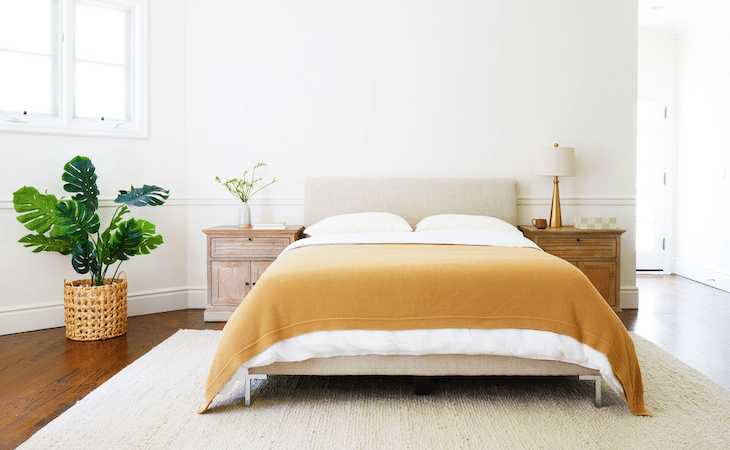
To add texture to a modern bedroom, mix different materials like plush rugs, woven throws, and textured wall panels to create depth and visual interest. Incorporate soft textiles, layered bedding, and unique decorative elements to make the space inviting and tactile. Use a combination of natural textures and modern finishes to achieve a balanced, stylish look.
Adding texture to a modern bedroom instantly elevates its overall feel. The key is to layer various tactile elements—think cozy blankets, textured pillows, and unique wall accents—that complement sleek furniture and clean lines. Small details like a shaggy rug or tactile artwork can turn a plain space into one full of character and warmth, ensuring your bedroom feels both contemporary and comfortable. Whether you’re going for subtle sophistication or cozy charm, blending different textural elements will make your modern space truly stand out.

How to add texture to a modern bedroom
Adding texture to a modern bedroom can make the space feel warm, inviting, and visually interesting. Texture brings depth and character, preventing a room from feeling flat or cold. By understanding different ways to add texture, you can create a balanced and cozy environment that reflects your personal style.
Understanding the importance of texture in modern bedroom design
In modern design, textures help soften clean lines and sleek surfaces. They create contrast between smooth and rough elements, making the space more dynamic. Incorporating various textures adds layers, which makes a bedroom feel comfortable and well-designed.
Start with soft textiles for comfort and visual appeal
Throw pillows and bedding
Brighten your bed with a variety of throw pillows in different fabrics such as velvet, linen, or quilted textiles. Mix and match textures to add interest without cluttering the look. Layering cozy blankets or quilts enhances the tactile feel and adds warmth.
Throws and blankets
Incorporate chunky knit throws or fluffy blankets on the bed or armchair. These textured accents make the space feel inviting and cozy. They also introduce a tactile element that contrasts with smooth surfaces like wood or metal.
Use textured furniture pieces for visual interest
Wood and natural materials
Choose furniture made from natural materials such as reclaimed wood, rattan, or wicker. These add warmth and a tactile quality to the room. For instance, a wooden bedside table with a rough finish highlights texture in a subtle way.
Upholstered furniture
Opt for chairs, ottomans, or headboards upholstered in plush fabrics like velvet or boucle. These create tactile focal points while complementing the sleekness of modern design. Be sure to select textures that contrast with your bedding and other textiles.
Integrate textured wall treatments and decor
Wall panels and art
Consider adding textured wall panels or 3D wall art to create depth behind your bed. These elements introduce patterns and tactile interest without overwhelming the space. Materials such as wood slats or plaster can produce varied textures.
Decorative accessories
Decorative items like woven baskets, ceramic vases, or textured lampshades add subtle layers of texture. Place them strategically to enhance the aesthetic without cluttering your modern look.
Incorporate textured flooring options
Area rugs and carpets
An area rug instantly adds softness and warmth underfoot. Choose textured rugs with pile, braided patterns, or geometric designs to suit your style. Layering rugs can introduce more tactile interest.
Flooring materials
Opt for flooring options like wide-plank hardwood or cork tiles, which naturally add visual and tactile texture. Pair these with rugs for a combination of smooth and textured surfaces.
Access the power of lighting to highlight textures
Layered lighting options
Use a combination of ambient, task, and accent lighting to emphasize different textures. Soft lighting can highlight textured walls or textiles, making details pop. Consider table lamps with textured bases or fabric shades for added interest.
Decorative lighting fixtures
Choose fixtures with interesting materials or finishes, such as woven pendant lights or matte black lamps. These accentuate the textured elements in your bedroom and add personality to the space.
Balance textures for a cohesive design
While adding texture is essential, it’s equally important to maintain harmony. Mix different textures thoughtfully to ensure none overpower the others. Use a neutral color palette to unify diverse textures easily.
Incorporate plants and natural elements
Plants introduce organic textures with their leaves and stems. They also add a fresh and alive feel to your bedroom. Use woven baskets or textured pots to complement the natural vibe.
Additional tips to successfully add texture
- Start with a few key textured pieces and build from there.
- Mix different fabrics, such as linen, velvet, and wool, for a layered look.
- Contrast rough textures like reclaimed wood with smooth surfaces for balance.
- Consider the overall color palette; textures work best when they enhance the room’s tone.
- Use patterns with textured effects like jacquard or woven designs to add visual interest.
By combining these elements, you can craft a modern bedroom that feels both stylish and cozy. Play with different textures and materials to find what best suits your personality and the space’s layout. The goal is to create a balanced environment where textures work together harmoniously for a beautiful, inviting retreat.
How to Texture a Wall (7 options) Do It Yourself
Frequently Asked Questions
What are some effective ways to incorporate different fabric textures in a modern bedroom?
Using a variety of fabrics such as plush velvets, soft linens, and cozy wool throws adds tactile interest to the room. Incorporate textured bedding, cushions, and curtains to create depth. Mixing these materials enhances visual appeal and invites comfort, making the space feel more layered and inviting.
How can wall treatments enhance the texture of a modern bedroom?
Applying textured wall finishes like embossed wallpaper, wood paneling, or decorative plaster creates visual interest and adds dimension to the space. These treatments serve as accent walls, bringing depth and a tactile element that complements modern decor while keeping the room lively.
What role do accessories play in adding texture to a modern bedroom?
Decorative accessories such as woven baskets, textured rugs, and ceramic or wooden sculptures introduce varied surfaces to the room. These elements break up flat surfaces and introduce subtle or bold textures, enriching the overall aesthetic and creating a more dynamic environment.
How can lighting influence the perception of texture in a bedroom?
Strategic lighting highlights the textures of different materials. Use directional lights or wall sconces to cast shadows on textured surfaces like wall art or fabric. Proper lighting emphasizes depth and detail, making textures more pronounced and the space more engaging.
What tips can help balance textures to maintain a modern aesthetic?
Balance smooth, sleek surfaces with tactile elements to avoid overpowering the space. Choose a few statement textured pieces and keep other elements minimal and clean-lined. This contrast creates a sophisticated look that feels balanced and contemporary.
Final Thoughts
Adding texture to a modern bedroom elevates its visual interest and comfort. Incorporate different fabrics like plush rugs, cozy throws, and textured pillows to create depth. Use natural materials such as wood or wicker for furniture and accents.
Layering these elements brings richness without cluttering the sleek design. Focus on balance, mixing smooth surfaces with tactile details.
In summary, how to add texture to a modern bedroom involves thoughtful integration of diverse materials and textiles, making the space inviting and lively.