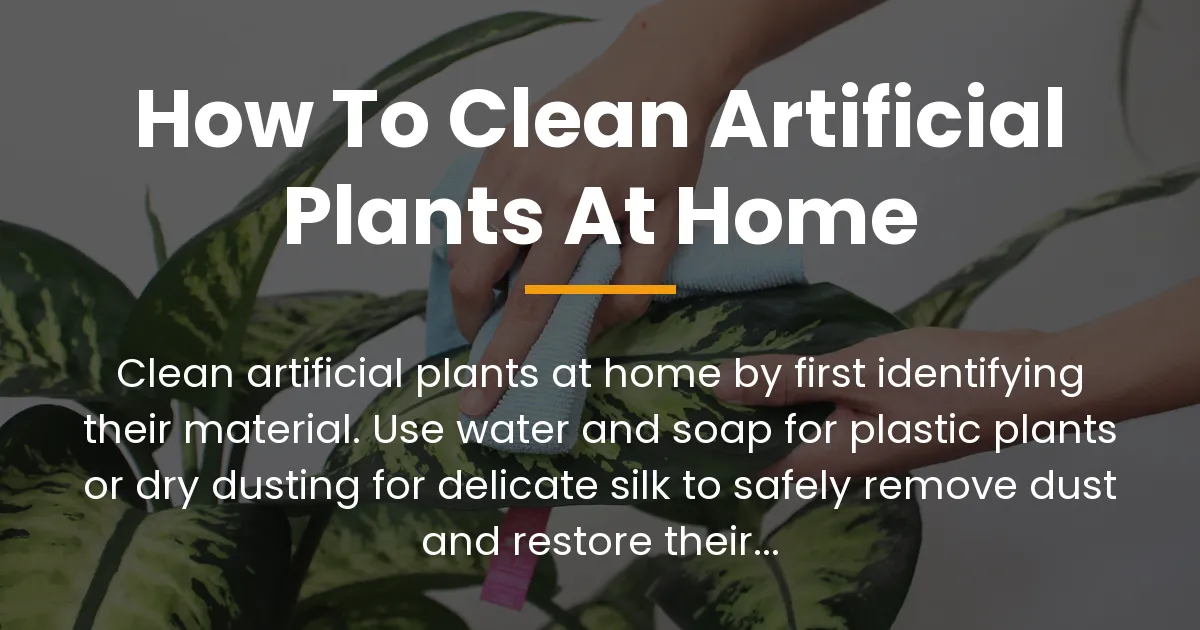
Learning how to clean artificial plants at home is key to keeping your space fresh and your decor beautiful. This task is simple but the right method depends entirely on what your plant is made of. We will guide you through identifying materials, choosing safe techniques, and making your faux greenery look new again with minimal effort.
Understanding Your Artificial Plant’s Material
Before you touch a dust cloth, take a moment to look at your plant. Knowing its material is the most important step that most guides skip. Using water on silk or rough cleaning on paper can ruin your decor in seconds.
Artificial plants come in common types like plastic, silk, polyester, paper, and preserved wood or moss. Plastic plants are sturdy and often feel hard and smooth. They are popular for both indoor and outdoor use because they can handle some moisture.
Silk and polyester flowers feel soft and textured, mimicking real petals. They are delicate and often used in detailed arrangements. Paper flowers are lightweight and may have a rough surface, common in crafts or seasonal displays.
Preserved natural elements like dried moss or wood add a realistic touch but can be brittle. To tell them apart, do a simple touch test and check labels if available. Gently bend a leaf or stem; plastic will spring back, silk may crease, and paper might tear easily.
Why does material dictate everything? Water can cause silk dyes to bleed or fabric to sag. Paper can disintegrate when wet. Plastic is water-resistant but might fade if scrubbed with harsh chemicals. This knowledge prevents costly mistakes and keeps your plants lasting longer.
Essential Tools for Cleaning Artificial Plants
You do not need special equipment to clean fake plants. Most items are already in your home. Gathering the right tools based on your plant’s material makes the job faster and safer.
A soft microfiber cloth is perfect for dusting without scratching surfaces. Feather dusters work well for light dust on sturdy plants like plastic trees. For deeper cleaning, mild dish soap mixed with plain water creates a gentle solution.
Other useful tools include a big ziplock bag and plain salt for the shake method. A hair dryer on a cool setting can blow dust from delicate flowers. A soft brush attachment for your vacuum helps with tough spots on plastic plants.
Keep covered bins or display cases handy to minimize future dust buildup. Having these tools ready lets you clean efficiently without damaging your plants. Remember, the goal is to use what you have while matching the tool to the material.
How to Clean Artificial Plants at Home
To clean artificial plants at home, first identify the material—plastic, silk, or other—then use appropriate methods like water for plastic or dry dusting for silk. Here are detailed steps based on what your plant is made of, ensuring you get it right every time.
For Plastic, Vinyl, and Robust Faux Plants
These plants are durable and can handle water and gentle soap. Start with the simplest way using a damp cloth if the plant is small or mounted.
Dampen a soft microfiber cloth with room temperature or cool water. Wring it out well so it is only slightly moist. Gently wipe each leaf from base to tip, turning the cloth as it picks up dust.
For larger plastic plants like trees, the shower rinse method works well. Take the plant to a bathtub or shower and rinse it with cool water to loosen dust. Avoid hot water as it can warp plastic over time.
If the plant is small enough, give it a bath in sudsy water. Fill a basin with water and a drop of mild soap. Submerge the plant and swish it around, rubbing leaves with your fingers to disrupt dust. Rinse with plain water to remove soap residue.
Another great option is the salt shake method for dust removal without water. Pour clean salt or very clean sand into a big ziplock bag. Place the plant upside down in the bag, seal it tightly, and shake gently. The salt acts as a natural abrasive to knock dust off.
After cleaning, shake off excess water and let the plant air dry completely. You can use a hair dryer on a cool setting to speed up drying. Ensure no moisture remains in crevices to prevent mold.
For Delicate Silk, Polyester, and Textile Flowers
These materials are sensitive to moisture, so dry methods are safest. Never soak silk flowers as they can lose shape and color quickly.
Start by dusting with a feather duster or soft brush. Gently sweep over all surfaces, including tight spaces between petals. For intricate areas, a clean makeup brush works well to reach deep without bending parts.
If dust is stubborn, use a dry microfiber cloth to wipe each leaf. You can slightly dampen the cloth with a little water if needed, but wring it out thoroughly. Test on a hidden area first to check for color transfer.
A hair dryer on the cool setting is a clever way to blow dust away. Hold it a few inches from the plant and use short bursts to dislodge dust. Do this over a sink or outside to contain the mess.
For spot cleaning grime, dip a cloth in a mild soapy water solution and wring it almost dry. Dab at the stain gently, then use a dry cloth to blot. Avoid rubbing as it can fray delicate textiles.
For Mixed Materials and Complex Arrangements
Many artificial plants combine materials, like plastic stems with silk leaves. In such cases, use a blend of methods to clean each part safely.
Begin by dusting the entire plant with a soft brush or cloth. Focus on dry cleaning for the delicate silk or polyester sections. For plastic components, you can use a damp cloth with soapy water for a deeper clean.
Work section by section to avoid missing spots. For tough spots, a soft brush attachment on a vacuum cleaner can suck up dust. Use low suction to prevent pulling off leaves or damaging fragile parts.
After cleaning, inspect the plant for any loose stems or petals. Secure plant anchors in pots if they have shifted. This step ensures your arrangement stays intact and looks natural after cleaning.
Placing Plants to Minimize Future Buildup
Where you put your artificial plants affects how much dust they collect. Smart placement can reduce cleaning frequency and keep them looking fresh longer.
Avoid high-dust areas like near HVAC vents, frequently opened windows, or busy hallways. These zones have more air movement that carries dust, which settles on leaves quickly.
Sunlight and humidity also play a role in dust buildup. Direct sunlight can fade colors over time and make dust stick more firmly to surfaces. Humidity can attract dirt and cause mold on materials like silk or paper.
Place plants on elevated surfaces like shelves or in covered bins to shield them from dust. For example, use a glass display case for delicate silk flowers. This simple strategy cuts down on cleaning time and preserves your decor.
Consider the room’s use when positioning plants. In kitchens, grease can coat leaves, so place them away from cooking areas. In living rooms, keep them from high-traffic spots to minimize touch and dust. These small adjustments make a big difference in maintenance.
Restoring Shape and Fullness After Cleaning
Cleaning can sometimes flatten leaves or misshape blooms. Here is how to fix your plant after cleaning so it looks full and natural again.
For bent leaves and stems on plastic plants, use gentle heat from your hands. Rub them lightly to warm the material, then reshape slowly. For stubborn bends, a hair dryer on low heat held at a distance can soften plastic without melting it.
Fluff blossoms and foliage by gently separating petals and leaves with your fingers. Start from the center and work outward to tease them back into place. For textile flowers, a light shake can restore volume and remove any remaining dust.
Check plant anchors in pots, especially for large trees. If they are loose, tighten them or add a bit of glue to secure the base. This prevents toppling and keeps the plant stable after handling.
Look over the entire plant for any gaps or flattened areas. Adjust stems to fill out the arrangement evenly. This post-clean touch-up ensures your artificial plant looks stunning and realistic, not just clean.
Addressing Common Cleaning Challenges
Some cleaning situations need extra attention. Here are solutions to specific problems you might face with artificial plants.
Removing Dust from Intricate or Tight Spaces
Use a small, soft brush like a paintbrush or makeup brush for delicate areas. Gently sweep into crevices without applying pressure. This method is safe for all materials and gets into spots cloths cannot reach.
Dealing with Stubborn Grime on Plastic Leaves
For grease or sticky residue, use a cloth dipped in a mild soapy water solution. Rub gently in circles, then wipe with a damp cloth rinsed in plain water. For tougher stains, diluted isopropyl alcohol can help, but always test on a hidden area first to avoid damage.
Freshening Up Faded or Dull Plants
Over time, artificial plants can lose their shine from sunlight or dust. Very light dusting with a silk plant spray or a damp cloth can restore some luster. Avoid harsh chemicals that might cause further fading, and always follow product instructions carefully.
Frequently Asked Questions
Can I use a vacuum cleaner on my artificial plants?
Yes, but only with a soft brush attachment on low suction for sturdy plastic plants. Never use a vacuum on delicate silk or paper flowers as the suction can tear them or pull off parts.
How do I remove sticky residue or grease from faux leaves?
Use a cloth dipped in a mild soapy water solution or diluted isopropyl alcohol for plastic leaves. Test on a small, hidden area first, especially on colored or delicate materials, to ensure no discoloration occurs.
Is it safe to use cleaning sprays like Windex or Pledge?
It is not recommended. These sprays can leave a residue that attracts more dust and may damage materials like silk or cause fading. Stick to mild soap and water or dry cleaning methods for safety.
How often should I clean my artificial plants?
Clean them every few months, or more often if placed in high-dust areas. Regular light dusting with a feather duster can reduce the need for deep cleaning and keep plants looking fresh.
Can I clean artificial plants with vinegar?
Vinegar can be used for plastic plants to remove hard water stains, but dilute it with water and test first. Avoid vinegar on silk, polyester, or paper as it can cause discoloration or weaken materials.
What is the best way to clean very large artificial trees indoors?
For large trees, use a damp cloth to wipe leaves section by section or a soft brush attachment on a vacuum for dusting. If movable, the shower rinse method with cool water works well, but ensure thorough drying afterward.
Do artificial plants fade if cleaned with water?
Plastic plants generally do not fade with water, but silk and colored materials might if soaked or scrubbed. Always use minimal water and dry thoroughly to prevent color bleed or damage.
How do I clean artificial plants that are permanently mounted in a planter?
Dust with a soft cloth or brush, and spot-clean with a damp cloth for stains. For hard-to-reach areas, use a can of compressed air to blow dust out gently without disturbing the arrangement.
Can I use these methods for outdoor artificial plants?
Yes, but outdoor plants may need more frequent cleaning due to rain and dirt. Use hose water for plastic, and for delicate parts, wipe with a damp cloth. Ensure they are dry before storing or repositioning.
How do I eliminate a musty smell from an old artificial plant?
Place the plant in a sunny, well-ventilated area for a few hours to air out. You can also sprinkle baking soda on it, let it sit for an hour, then brush off. For plastic, a wipe with a diluted vinegar solution can help neutralize odors.
Knowing how to clean artificial plants at home is a blend of proper technique and smart prevention. With this material-specific approach, you can keep any faux greenery looking stunningly realistic with minimal effort. Start by identifying what your plant is made of, choose the right cleaning method, and enjoy a cleaner, brighter home decor.