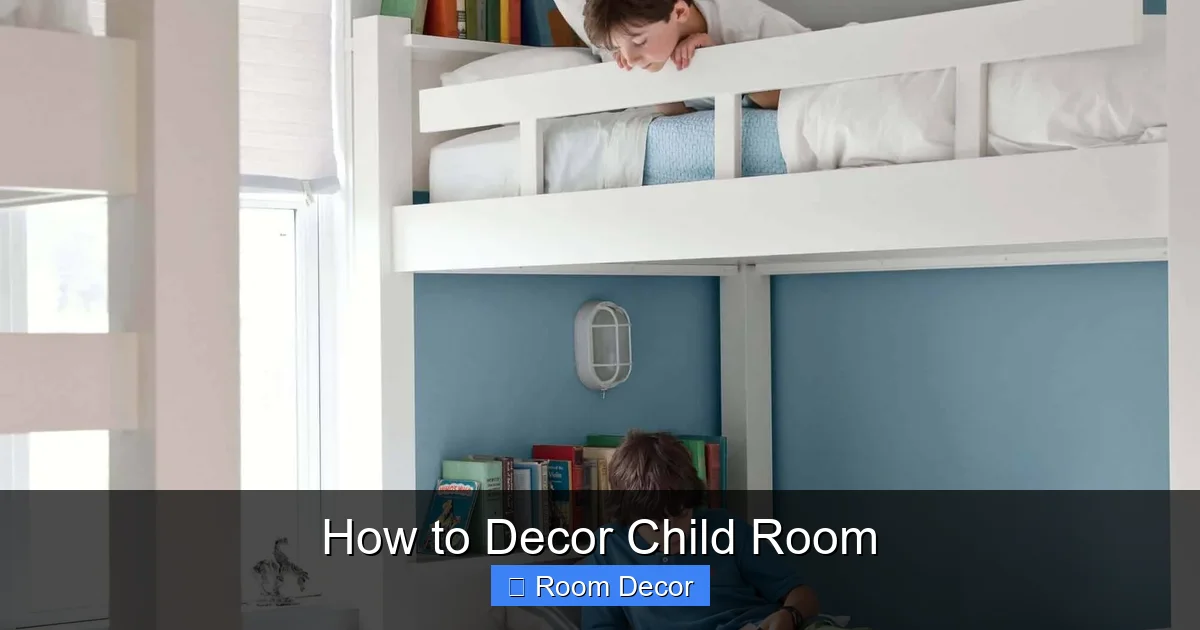
Ready to transform your child’s room into a dream haven? This comprehensive guide will walk you through every step of decorating a child’s room, from planning and choosing a theme to selecting furniture, lighting, and decorative touches. Learn how to create a space that is both functional and fun, fostering creativity and comfort. We cover everything you need to know to design a room that grows with your child, making it a truly special place.
Decorating a child’s room can be one of the most rewarding projects for parents. It’s not just about making a space look pretty; it’s about creating an environment where your child can grow, learn, play, and feel safe and happy. This guide will take you through the entire process, from initial ideas to the final, delightful touches. We’ll cover everything you need to know to design a child’s room that is both practical and brimming with personality, a space that truly reflects your child’s evolving world.
## Step 1: Planning Your Child’s Room Makeover
Before you even think about paint colors or furniture, take some time to plan. A little preparation goes a long way in creating a successful and stress-free decorating experience. This stage is all about understanding the core needs and desires for the room.
### H3: Involve Your Child
This is perhaps the most crucial step. Your child is the main occupant of this room, so their input is invaluable.
- Ask about their favorite colors: Even if their favorite is neon green, you can incorporate it in smaller accents.
- Inquire about their interests: Do they love dinosaurs, space, fairies, or superheroes? This can be a great starting point for a theme.
- Discuss their activities: Will they need space for drawing, building, reading, or playing video games?
- Consider their age: A room for a toddler will have very different needs than a room for a teenager.
Remember, the goal is to create a space *they* love. Even young children can express preferences. A simple “What color do you like?” or “What kind of pictures do you want on the wall?” can yield surprisingly useful ideas.
### H3: Assess the Space and Needs
Take stock of the room itself.
- Measure everything: The dimensions of the room, window sizes, and any existing architectural features.
- Identify functional zones: Think about where your child will sleep, play, study, and store their belongings.
- Consider the lighting: How much natural light does the room get? Where are the existing light fixtures?
- Budget: How much are you willing to spend? This will guide your choices for furniture, decor, and materials.
Understanding the practicalities of the room will prevent costly mistakes and ensure the space works efficiently.
## Step 2: Choosing a Theme (Or No Theme At All!)
A theme can add a lot of personality and fun to a child’s room. However, it’s not a requirement, and sometimes a more neutral palette with personal touches works best.
### H3: The Power of a Theme
If you decide on a theme, make it age-appropriate and adaptable.
- Avoid overly specific trends: A theme based on a cartoon character that will be outgrown in a year might not be the best long-term investment.
- Focus on broader concepts: Instead of “Frozen,” think “Winter Wonderland.” Instead of “Paw Patrol,” think “Adventure Dog.” This allows for more flexibility.
- Theme integration: A theme doesn’t have to be loud and obvious. It can be subtle, woven through colors, patterns, and accessories.
Examples:
- Nature Explorer: Greens, blues, browns, animal prints, leaf motifs, world map murals.
- Outer Space: Dark blues, blacks, silver, star decals, planet mobiles, rocket-shaped storage.
- Enchanted Forest: Soft greens, whites, pastel colors, floral patterns, fairy lights, whimsical animal accents.
- Sports Fanatic: Team colors, sports equipment displayed, pennants, themed bedding.
### H3: The “No Theme” Approach
A room without a specific theme can be just as wonderful. Focus on creating a calm, inviting atmosphere using a pleasing color palette and comfortable furnishings. The personality of the child can then be expressed through their artwork, toys, and accessories. This approach often makes redecorating easier as the child gets older.
## Step 3: Selecting the Right Furniture
Furniture is the backbone of any room, and in a child’s room, it needs to be both durable and functional.
### H3: Bedding Essentials
The bed is the focal point of any bedroom.
- Size: Consider the child’s age and how long they are likely to use the bed. A twin bed is standard, but a full or queen might be better for older children or if you anticipate sleepovers.
- Type:
- Standard bed frame: Simple and versatile.
- Loft bed: Saves space by providing room underneath for a desk or play area. Great for smaller rooms.
- Bunk beds: Ideal for siblings sharing a room or for sleepovers. Ensure safety rails are secure.
- Trundle bed: Offers an extra sleeping surface that can be hidden away.
- Mattress: Invest in a comfortable and supportive mattress.
- Bedding: Choose soft, durable, and washable fabrics. This is a great place to introduce theme colors or patterns.
### H3: Storage Solutions
Clutter is the enemy of a calm and functional room. Effective storage is key.
- Open shelving: Good for displaying favorite books or toys. Ensure they are securely anchored to the wall.
- Closed cabinets/drawers: Hide away toys, clothes, and other items.
- Toy bins and baskets: Make it easy for kids to tidy up. Labeling them can help younger children learn where things belong.
- Under-bed storage: Utilize the space under the bed with drawers or bins.
- Wall-mounted storage: Floating shelves or wall organizers can free up floor space.
Tip: Furniture with built-in storage, like storage beds or ottomans, is a fantastic way to maximize space.
### H3: Desk and Seating
As children grow, they’ll need a dedicated space for homework and creative pursuits.
- Desk: Choose a desk that is the right height for your child. Consider adjustable desks that can grow with them.
- Chair: An ergonomic chair is important for comfort and posture.
- Reading nook: A cozy armchair, floor cushions, or a beanbag chair can create a perfect spot for reading and quiet time.
## Step 4: Color Palette and Walls
The colors you choose for the walls can have a significant impact on the mood and feel of the room.
### H3: Choosing Wall Colors
Don’t be afraid of color, but consider its effect.
- Calming colors: Blues, greens, and soft neutrals like beige or grey can create a serene environment, ideal for sleep and relaxation.
- Energizing colors: Yellows, oranges, and brighter shades of blue and green can stimulate creativity and playfulness. Use these for accents if you’re concerned about overwhelming the space.
- Gender-neutral colors: If you’re expecting or want a room that can easily be adapted for future children, consider gender-neutral palettes like soft yellows, greens, or grays.
- Accent walls: An accent wall can be a great way to introduce a bold color or pattern without overpowering the room.
Tip: Always test paint colors in the room before committing. Natural light and the room’s orientation can drastically change how a color looks.
### H3: Wall Decor
Beyond paint, walls offer a canvas for personality.
- Wall decals: Removable and repositionable, decals are a fantastic way to add themed elements or playful graphics without commitment.
- Posters and prints: Choose artwork that your child loves or that complements the room’s theme.
- Your child’s artwork: Frame their creations or use a string and clips to display a rotating gallery. This is a highly personal and meaningful touch.
- Murals: For a bolder statement, consider a painted mural or a large wall sticker.
- Wallpaper: Many playful and durable wallpapers are available for children’s rooms.
## Step 5: Lighting Your Child’s Room
Good lighting is essential for creating a safe, comfortable, and functional space.
### H3: Layering Light Sources
Aim for a combination of different types of lighting.
- Ambient lighting: This is the general overhead light. A ceiling fixture with a dimmer switch is ideal, allowing you to adjust the brightness.
- Task lighting: This includes desk lamps for homework or reading lamps for bedtime stories.
- Accent lighting: Think string lights, a night light, or a small lamp on a shelf to highlight specific features or create a cozy atmosphere.
### H3: Safety First with Lighting
Ensure all light fixtures and cords are child-safe.
- Secure lamps: Make sure lamps are stable and won’t easily tip over.
- Cord management: Tuck away or secure electrical cords to prevent tripping hazards or entanglement.
- Night lights: A gentle night light can reduce fear of the dark and help with nighttime navigation. LED night lights are energy-efficient and cool to the touch.
## Step 6: Adding the Finishing Touches
These are the elements that truly bring a child’s room to life.
### H3: Soft Furnishings
Comfort and coziness are key.
- Rugs: A soft rug can define play areas, add warmth, and provide a comfortable surface for sitting and playing. Choose durable and easy-to-clean options.
- Curtains/Blinds: These control light and privacy. Blackout curtains are excellent for ensuring good sleep.
- Cushions and throws: Add extra comfort and pops of color.
### H3: Personalization
This is where your child’s unique personality shines.
- Display favorite toys: A well-organized shelf can turn toys into decor.
- Display collections: If your child collects something, find attractive ways to showcase it.
- Photos: Frame photos of family and friends.
- DIY projects: Involve your child in making simple decor items, like painted picture frames or decorative pillows.
## Step 7: Safety Considerations for a Child’s Room
Safety should always be the top priority when decorating a child’s room.
### H3: Furniture Anchoring
Always anchor tall or heavy furniture, such as bookshelves, dressers, and wardrobes, to the wall to prevent tipping. This is especially important in earthquake-prone areas or if you have active children.
### H3: Outlet Covers and Cord Safety
Use safety plugs to cover unused electrical outlets. Keep cords from blinds and electronics out of reach and secured.
### H3: Material Choices
Opt for non-toxic paints and finishes. Ensure any toys or decorative items are age-appropriate and free of small, detachable parts that could be a choking hazard for younger children.
### H3: Window Safety
Consider window guards or cordless blinds to prevent strangulation hazards.
## Troubleshooting Common Decorating Challenges
### H3: The Room Feels Too Small
* Solution: Use light colors on the walls and ceiling to make the room feel more spacious. Opt for multi-functional furniture like a loft bed with a desk underneath. Vertical storage solutions draw the eye upward, creating a sense of height. Mirrors can also make a room feel larger.
### H3: My Child Keeps Changing Their Mind About the Theme
* Solution: Focus on a neutral base and use interchangeable decor. For example, choose a plain bedspread and then add themed cushions and throws that can be easily swapped out. Wall decals are also a great, easily changeable option.
### H3: I’m on a Tight Budget
* Solution: Embrace DIY projects! Paint old furniture to give it a new life. Create your own wall art using your child’s drawings or inexpensive craft supplies. Shop at thrift stores or for second-hand furniture. Focus on a few key, impactful pieces rather than trying to fill every corner.
### H3: Ensuring Enough Storage Without Clutter
* Solution: Get creative with your storage. Use the backs of doors for hanging organizers. Invest in storage ottomans that double as seating. Label bins clearly so your child knows where things go. Declutter regularly to avoid excess items.
## Conclusion
Decorating a child’s room is an exciting opportunity to create a space that nurtures their imagination, supports their growth, and reflects their unique personality. By planning carefully, involving your child, prioritizing safety, and thoughtfully selecting furniture, colors, and decor, you can create a room that is both a sanctuary and a playground. Remember that this room will evolve alongside your child, so flexibility and a touch of adaptability in your design choices will serve you well. The most important element is to fill the space with love and a sense of wonder. Happy decorating!
Key Takeaways
- Plan with Purpose: Involve your child in the process to understand their interests and needs, ensuring the room reflects their personality and practicality.
- Theme Wisely: Choose a theme that can adapt as your child grows, focusing on adaptable elements rather than overly juvenile decor.
- Prioritize Safety and Functionality: Select child-safe furniture, ensure good storage solutions, and create zones for sleep, play, and study.
- Smart Color Choices: Use color to set the mood and stimulate creativity, but consider versatile palettes that can evolve with your child.
- Lighting is Key: Layer lighting with general, task, and accent options to create a comfortable and versatile atmosphere.
- Personalize with Personality: Incorporate your child’s artwork, favorite toys, and personal touches to make the room truly their own.
- Budget-Friendly Brilliance: Discover ways to decorate effectively without overspending, utilizing DIY projects and smart shopping.