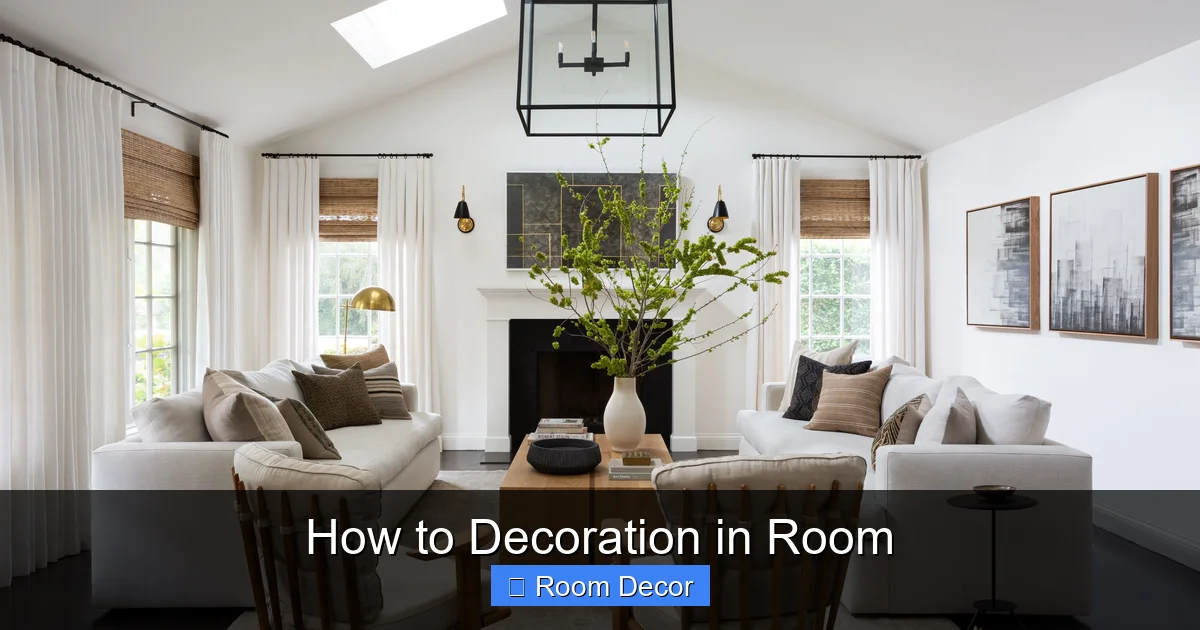
Transform your living space with our comprehensive guide on room decoration. We’ll walk you through the entire process, from initial planning to the final touches, helping you create a space that’s both beautiful and functional. Discover how to choose a style, select furniture, add decor, and personalize your room to reflect your unique taste. Unlock the secrets to a stunning room transformation and make your home truly your own.
Welcome to your ultimate guide on how to decorate a room! Creating a beautiful and comfortable living space is a rewarding experience. Whether you’re moving into a new home, refreshing an existing room, or just want to inject some new life into your surroundings, this guide will provide you with the steps and inspiration you need. We’ll cover everything from understanding your personal style to picking the perfect paint color and arranging your furniture. Get ready to transform your room into a sanctuary that reflects your personality and meets your needs. Let’s dive in!
Key Takeaways
- Define Your Style: Before you buy anything, identify your preferred interior design style to ensure a cohesive look and feel for your room.
- Prioritize Functionality: Consider how you use the room to select furniture and layout that supports your daily activities and needs.
- Master the Art of Color: Understand color theory to choose a palette that evokes the desired mood and enhances the room’s atmosphere.
- Strategic Furniture Placement: Arrange furniture to optimize flow, create conversation areas, and maximize the sense of space.
- Layer Lighting for Ambiance: Combine different types of lighting (ambient, task, accent) to create depth, warmth, and functionality.
- Accessorize Thoughtfully: Use decorative items like rugs, art, plants, and textiles to add personality, texture, and visual interest.
- Don’t Forget the Details: Pay attention to small elements like hardware, window treatments, and decorative accents to complete the look.
1. Discover Your Decor Style
The first crucial step in room decoration is understanding your personal style. What inspires you? What kind of atmosphere do you want to create? Your style will be your compass throughout the entire decoration process.
Explore Different Design Styles
There are many popular interior design styles to explore. Take some time to look at magazines, Pinterest, or interior design blogs.
* Modern: Clean lines, minimalist approach, neutral color palettes, and uncluttered spaces.
* Traditional: Classic furnishings, rich colors, ornate details, and a sense of history.
* Bohemian (Boho): Eclectic mix of patterns, colors, textures, and vintage items. It’s relaxed and free-spirited.
* Farmhouse: Rustic charm, natural materials (wood, metal), cozy textiles, and a sense of country living.
* Scandinavian: Light and airy, functional, minimalist, with a focus on natural light and wood.
* Mid-Century Modern: Organic shapes, retro feel, wood tones, and a blend of comfort and style.
Create a Mood Board
Once you have an idea of your preferred style, create a mood board. This can be a physical board with magazine clippings or a digital board on Pinterest. Gather images of furniture, color palettes, textures, and decor items that appeal to you. This visual representation will help you solidify your vision and ensure consistency.
2. Plan Your Room’s Layout and Functionality
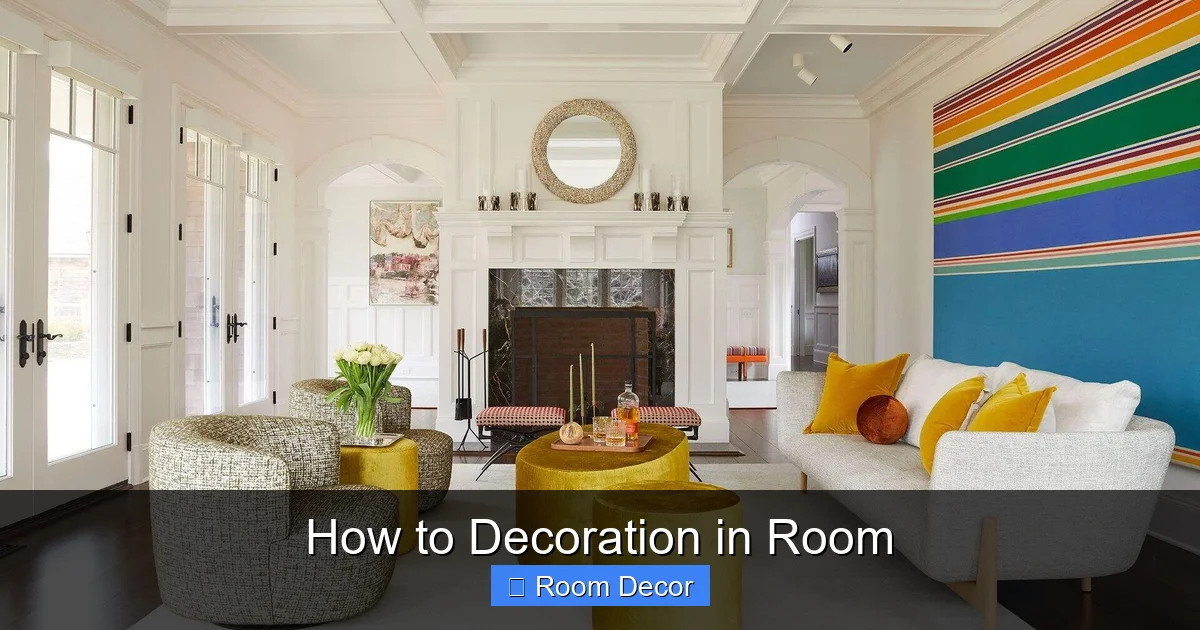
Visual guide about How to Decoration in Room
Image source: storables.com
Before you start buying furniture or decor, consider how you’ll use the room. Functionality is just as important as aesthetics.
Assess the Room’s Purpose
What will be the primary function of this room? Is it a living room for entertaining, a bedroom for relaxation, a home office for productivity, or a combination? Your room’s purpose will dictate the type and amount of furniture you need.
Measure Your Space
Accurate measurements are essential. Measure the length, width, and height of the room. Also, measure windows and doorways. This will prevent you from buying furniture that’s too large or too small.
Sketch a Floor Plan
Draw a simple floor plan of your room. You can do this on graph paper or use online room planning tools. This will help you visualize different furniture arrangements and ensure good traffic flow.
Consider Traffic Flow
Ensure there’s enough space to move freely around the furniture. Avoid blocking doorways or creating awkward pathways. Aim for at least 3 feet of clear space for main walkways.
3. Choose Your Color Palette
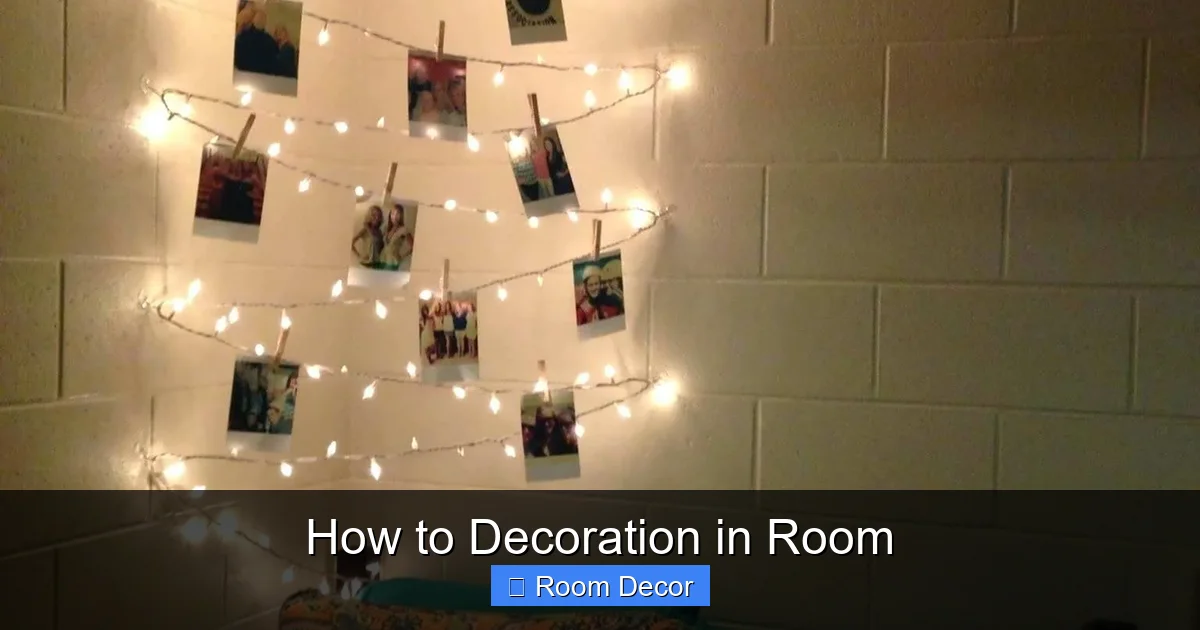
Visual guide about How to Decoration in Room
Image source: i.pinimg.com
Color plays a significant role in setting the mood and atmosphere of a room. It can make a space feel larger, cozier, more vibrant, or more serene.
Understand Color Theory Basics
* Warm Colors (Reds, Oranges, Yellows): Can make a room feel cozy and energetic.
* Cool Colors (Blues, Greens, Purples): Tend to create a calming and serene atmosphere.
* Neutrals (Whites, Grays, Beiges, Browns): Versatile and can serve as a backdrop for bolder accents.
Select a Dominant Color
Choose one or two dominant colors that align with your chosen style and desired mood. This will likely be your wall color.
Add Secondary and Accent Colors
Select secondary colors that complement your dominant color. Accent colors are typically bolder and used sparingly to add pops of interest. Think about how these colors will appear in your furniture, textiles, and decor.
Test Paint Swatches
Always test paint swatches on your walls in different lighting conditions before committing. Colors can look very different in natural light versus artificial light.
4. Select and Arrange Your Furniture
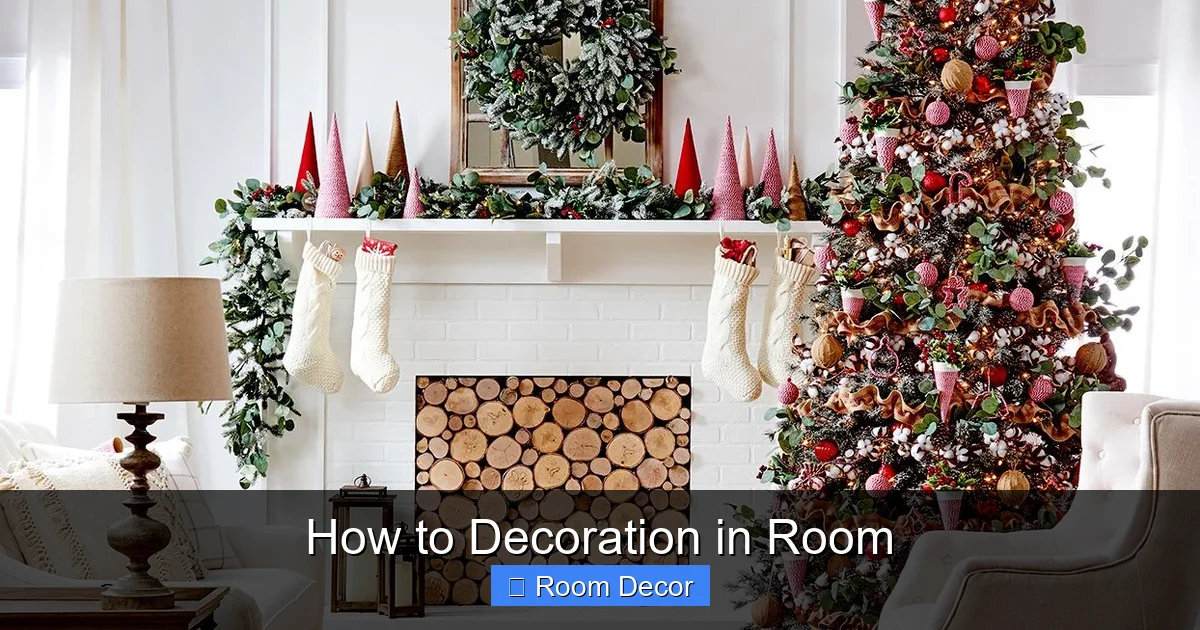
Visual guide about How to Decoration in Room
Image source: bhg.com
Furniture is the backbone of any room. Choose pieces that are not only stylish but also comfortable and functional.
Start with the Anchor Piece
Identify the main piece of furniture that will anchor the room. This is often the sofa in a living room, the bed in a bedroom, or the dining table in a dining room.
Choose Complementary Pieces
Select other furniture pieces that complement your anchor piece and serve the room’s purpose. Consider scale and proportion. A massive sofa in a tiny room will feel overwhelming.
Create Conversation Areas
In living rooms, arrange seating to encourage conversation. Face sofas and chairs towards each other, rather than all facing the television.
Balance the Room
Distribute furniture evenly around the room to create a sense of balance. Avoid clustering all large pieces on one side.
Consider Multi-functional Furniture
If space is limited, opt for multi-functional furniture like storage ottomans, sofa beds, or nesting tables.
5. Layer Your Lighting
Good lighting can dramatically transform a room. It’s not just about brightness; it’s about creating atmosphere and highlighting features.
Ambient Lighting
This is the general, overall illumination of the room. Think ceiling lights, recessed lighting, or a well-placed floor lamp.
Task Lighting
This is lighting for specific activities. Examples include reading lamps next to a chair, desk lamps in a home office, or under-cabinet lighting in a kitchen.
Accent Lighting
This lighting is used to highlight specific features, such as artwork, architectural details, or plants. Wall sconces or spotlighting can achieve this.
Dimmers are Your Friend
Install dimmers on your lights whenever possible. This allows you to control the mood and intensity of the light throughout the day and for different occasions.
6. Add Textiles and Soft Furnishings
Textiles add warmth, texture, and color to a room, making it feel more inviting and complete.
Rugs
A rug can define a space, add color and pattern, and provide comfort underfoot. Choose a size that fits the room and anchors your furniture arrangement. For a living room, the front legs of your sofa and chairs should ideally be on the rug.
Curtains and Blinds
Window treatments add privacy, control light, and contribute to the room’s style. Consider the fabric, color, and pattern to complement your decor.
Throw Pillows and Blankets
These are easy and affordable ways to add pops of color, texture, and comfort. Mix and match patterns and textures for visual interest.
7. Decorate with Art and Accessories
This is where you inject your personality into the space. Choose pieces that you love and that tell a story.
Wall Art
Hang artwork that you find appealing. Consider the size of the wall and the overall scale of the room. Gallery walls, large statement pieces, or a collection of smaller prints can all work.
Mirrors
Mirrors can make a room feel larger and brighter by reflecting light. Place them strategically to maximize their impact.
Plants
Greenery adds life, color, and a sense of freshness to any room. Choose plants that suit the light conditions and your care abilities.
Decorative Objects
Vases, sculptures, candles, books, and personal mementos can add character and warmth. Don’t overdo it; a few well-chosen items are more effective than a cluttered display.
Personal Touches
Display photographs, souvenirs from travels, or handmade items that hold sentimental value. These are what make a house feel like a home.
8. Don’t Forget the Details
The small details can make a big difference in the overall polish of your room.
Hardware
Updating cabinet knobs, drawer pulls, or door handles can be a simple yet impactful change.
Switch Plates and Outlet Covers
Consider upgrading these from basic white to something more decorative or in a metallic finish.
Trimming and Moldings
Adding crown molding or a decorative trim can add architectural interest and a more finished look.
Troubleshooting Common Decorating Challenges
Sometimes, even with careful planning, you might encounter a decorating challenge. Here are a few common ones and how to address them:
The Room Feels Too Small
* Solution: Use lighter paint colors on the walls. Incorporate mirrors to reflect light and create an illusion of space. Opt for furniture with legs to make the floor visible, giving a sense of openness. Avoid large, bulky furniture. Keep clutter to a minimum.
The Room Feels Too Dark
* **Solution:** Maximize natural light by keeping window treatments light and sheer. Add more artificial light sources. Use reflective surfaces like mirrors and glossy finishes. Consider lighter paint colors for walls and furniture.
The Room Lacks Personality
* **Solution:** Introduce more color through accessories, artwork, or textiles. Add personal items like photos, collections, or handmade crafts. Incorporate unique or vintage finds. Experiment with different textures.
The Furniture Arrangement Feels Awkward
* **Solution:** Re-evaluate your floor plan. Ensure there’s clear traffic flow. Try rotating pieces or moving them away from walls. Consider the function of each furniture piece and how it relates to others. Sometimes a smaller rug or different arrangement can fix this.
Conclusion
Decorating a room is a journey, not a race. It’s about creating a space that you love and that functions well for your lifestyle. By following these steps – from defining your style and planning your layout to choosing colors, furniture, lighting, and accessories – you can confidently transform any room into a beautiful and inviting haven. Remember to have fun with the process, trust your instincts, and don’t be afraid to experiment. Your perfectly decorated room awaits!