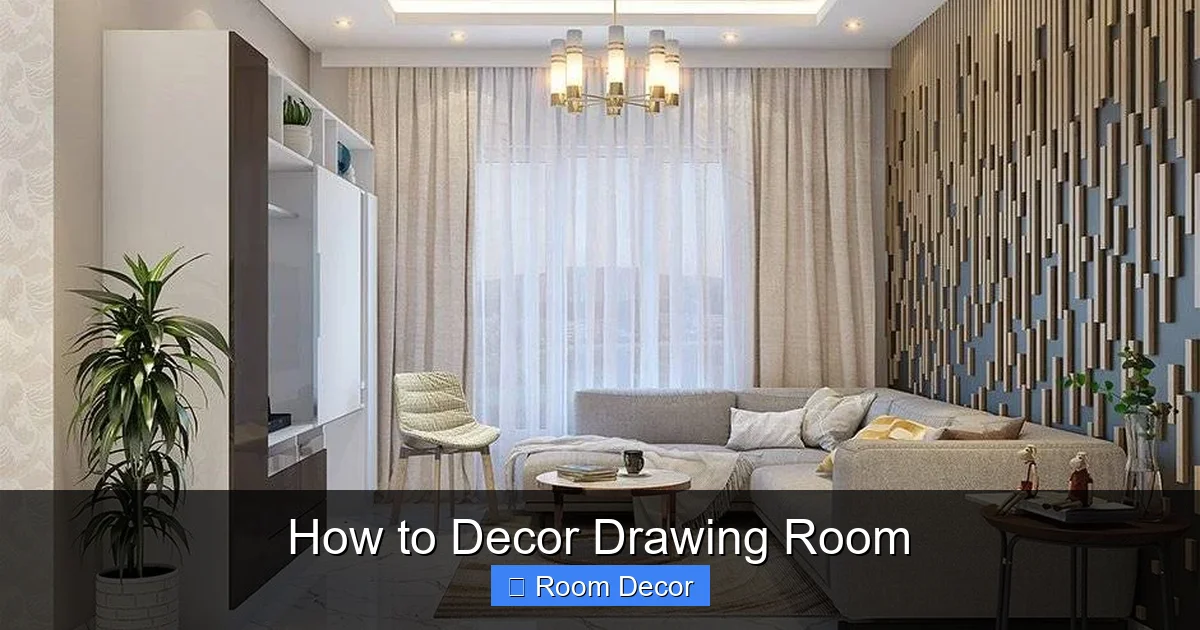
Transform your drawing room into a welcoming haven with our comprehensive guide. We’ll walk you through every step, from planning your layout and choosing the perfect color palette to selecting furniture and adding those all-important decorative touches. Achieve a stylish and functional drawing room that reflects your personal taste and impresses your guests.
Are you ready to transform your drawing room into a space that’s both beautiful and functional? A well-decorated drawing room is more than just a place to sit; it’s the heart of your home, where memories are made and guests are welcomed. This comprehensive guide will walk you through every step of the decorating process, from initial planning to the final decorative touches. You’ll learn how to create a cohesive and stylish look that reflects your personality and makes your drawing room a true reflection of your taste.
Let’s embark on this exciting journey to decorate your drawing room!
Key Takeaways
- Understand Your Space: Before decorating, analyze the size, shape, and natural light of your drawing room to plan the best layout and furniture placement.
- Define Your Style: Determine your preferred aesthetic, whether it’s modern, traditional, bohemian, or minimalist, to guide all your decor choices.
- Color Palette is Key: Select a cohesive color scheme that sets the mood and enhances the overall feel of the drawing room.
- Furniture Arrangement Matters: Strategically place furniture to encourage conversation, optimize flow, and create distinct zones within the room.
- Layer Your Lighting: Combine ambient, task, and accent lighting to create a warm, inviting, and functional atmosphere.
- Accessorize Thoughtfully: Add personality and visual interest with art, plants, cushions, rugs, and decorative objects that complement your style.
Step 1: Plan Your Drawing Room’s Purpose and Style
Before you even think about paint colors or furniture, it’s crucial to understand how you’ll use your drawing room and what aesthetic you want to achieve. This foundational step will guide all your subsequent decisions and ensure your decorated drawing room is both practical and visually appealing.
Define the Room’s Function
Consider the primary uses of your drawing room. Is it a formal space for entertaining guests? A casual family gathering area? A quiet spot for reading? Or perhaps a multi-functional space that serves several purposes? Knowing this will dictate the type of furniture you need and how you arrange it.
- Formal Entertaining: Think comfortable seating arrangements that encourage conversation, perhaps with a central coffee table.
- Casual Family Area: Prioritize comfortable, durable seating and perhaps a TV or entertainment unit.
- Reading Nook: A cozy armchair, good lighting, and a side table are essential.
Determine Your Decor Style
What is your personal style? Browse through magazines, Pinterest, or interior design websites to gather inspiration. Identify common themes and elements that appeal to you. Some popular styles include:
- Modern: Clean lines, minimalist design, neutral colors with pops of bold accents.
- Traditional: Classic furniture, rich fabrics, ornate details, and a sense of timeless elegance.
- Bohemian: Eclectic mix of patterns, textures, colors, and global influences.
- Minimalist: Simplicity, functionality, and a focus on essential items.
- Rustic: Natural materials, warm colors, and a cozy, lived-in feel.
- Industrial: Exposed brick, metal accents, and raw, unfinished elements.
Don’t feel pressured to stick to just one style. You can blend elements from different styles to create a unique look that’s all your own.
Step 2: Create a Functional Layout
The layout of your drawing room is paramount. It influences the flow of traffic, the usability of your furniture, and the overall atmosphere. Good layout planning makes a drawing room feel spacious and inviting.
Measure Your Space
Before buying any furniture, measure your drawing room accurately. Note the dimensions of the room, including the length, width, and ceiling height. Also, measure windows, doors, fireplaces, and any other architectural features. This will prevent you from buying furniture that’s too big or too small.
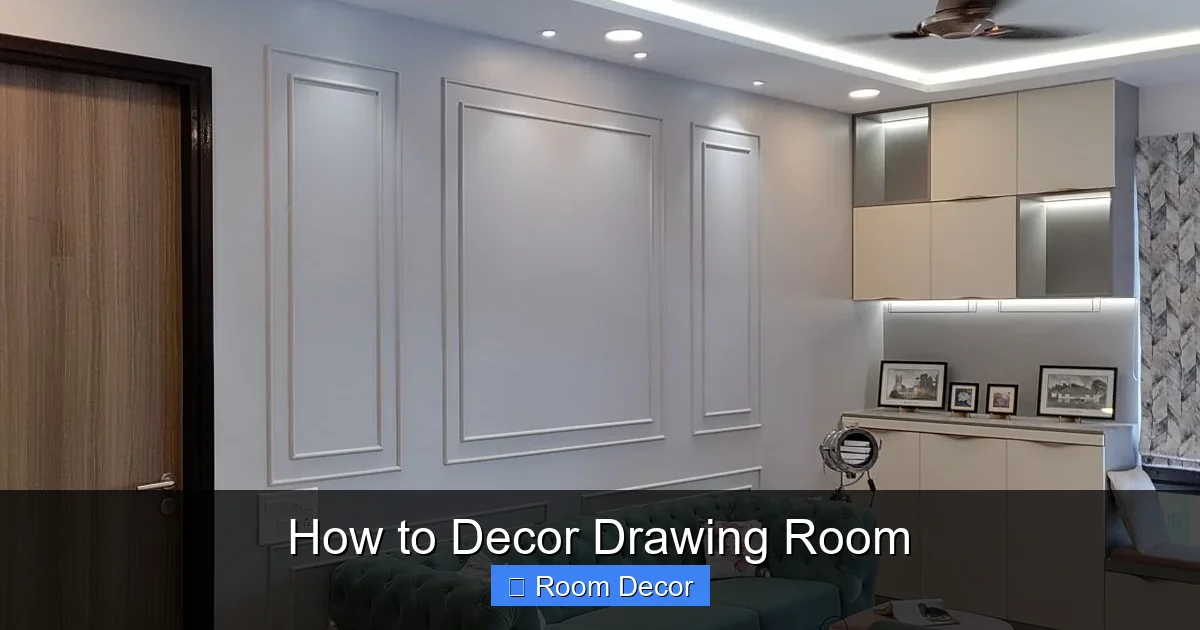
Visual guide about How to Decor Drawing Room
Image source: rennovate.co.in
Sketch Your Floor Plan
Using your measurements, create a simple floor plan. You can do this on paper or use online design tools. Draw the room’s dimensions and then cut out paper templates of your potential furniture pieces to scale. Experiment with different arrangements until you find one that works best.
Consider Traffic Flow
Ensure there’s ample space for people to walk around comfortably. Avoid blocking doorways or creating narrow pathways. Aim for at least 3 feet of clearance for main walkways.
Create Conversation Areas
Arrange your seating furniture so that it encourages conversation. Typically, this means placing sofas and chairs facing each other or in a U-shape. Ensure seating is close enough for people to talk without shouting, but not so close that it feels cramped.
Example: In a rectangular drawing room, you might place a sofa on one long wall and two armchairs facing it, with a coffee table in the center.
Define Zones (If Applicable)
If your drawing room is large, you can create different zones for various activities. For instance, you might have a main seating area and a smaller reading corner.
Step 3: Choose a Color Palette
Color plays a significant role in the mood and atmosphere of a room. A well-chosen color palette can make your drawing room feel cozy, energetic, sophisticated, or tranquil.
Understand Color Psychology
Different colors evoke different emotions:

Visual guide about How to Decor Drawing Room
Image source: media.designcafe.com
- Blues and Greens: Calming, serene, and peaceful.
- Reds and Oranges: Warm, energetic, and stimulating.
- Yellows: Cheerful, optimistic, and inviting.
- Neutrals (Whites, Grays, Beiges): Versatile, sophisticated, and provide a sense of calm.
Select Your Base Color
Choose a main color for your walls. This will be your dominant color. Consider the natural light in the room. Lighter colors can make a small or dimly lit room feel larger and brighter, while darker colors can create a cozy and intimate atmosphere in larger spaces.
Add Accent Colors
Introduce accent colors through your furniture, accessories, and artwork. A good rule of thumb is to use the 60-30-10 rule: 60% of the room is the dominant color, 30% is a secondary color, and 10% is an accent color.
Example: If your walls are a soft gray (dominant), your sofa could be a navy blue (secondary), and you could add pops of mustard yellow through cushions and a vase (accent).
Consider the Mood You Want to Create
- Calm and Relaxing: Use soft blues, greens, or neutrals.
- Warm and Welcoming: Incorporate earthy tones, warm beiges, or subtle oranges.
- Sophisticated and Elegant: Opt for deep jewel tones, grays, or classic creams.
Step 4: Select and Arrange Furniture
Furniture is the backbone of your drawing room. It needs to be comfortable, functional, and in line with your chosen style.
Prioritize Key Pieces
Start with the most important pieces of furniture. This typically includes sofas, armchairs, and a coffee table. Choose pieces that are appropriately sized for your drawing room and your planned layout.

Visual guide about How to Decor Drawing Room
Image source: i.pinimg.com
Consider Scale and Proportion
Ensure your furniture is in proportion to the size of the room. A large sectional sofa might overwhelm a small drawing room, while a tiny loveseat can get lost in a vast space.
Upholstery and Fabric Choices
Think about the durability, comfort, and style of the fabric. For high-traffic drawing rooms, opt for durable and stain-resistant fabrics like microfiber or treated cotton. For a more formal feel, consider velvet or linen.
Add Functional Storage
Include pieces that offer practical storage solutions, such as a console table with drawers, a coffee table with hidden compartments, or a stylish bookcase. This helps keep your drawing room tidy and clutter-free.
Arrangement Tips
- Sofa Placement: The sofa is often the anchor piece. Place it against a wall, opposite a fireplace, or as part of a conversational grouping.
- Armchair Placement: Armchairs can flank a sofa, sit opposite it, or create a smaller, independent seating area.
- Coffee Table: Position it within easy reach of the seating. Ensure there’s enough space to walk around it.
- Side Tables: Place them next to sofas and armchairs to hold lamps, drinks, or decorative items.
Step 5: Layer Your Lighting
Lighting is crucial for setting the mood and making your drawing room functional. Don’t rely on just one overhead light. Layering different types of lighting creates a warm, inviting, and versatile atmosphere.
Ambient Lighting (General Lighting)
This is the overall illumination of the room. It can come from ceiling fixtures, recessed lighting, or wall sconces.
Task Lighting
This type of lighting is focused on specific activities. Think floor lamps next to reading chairs, desk lamps for a small workspace, or accent lighting for artwork.
Accent Lighting
Use accent lighting to highlight specific features, such as artwork, architectural details, or decorative objects. This adds depth and interest to your drawing room.
Consider Dimmers
Installing dimmers on your lights allows you to control the intensity and mood of the room. You can brighten them for lively gatherings or dim them for a cozy, intimate evening.
Bulb Choice
The type of bulb you choose affects the color and warmth of the light. Warm white bulbs create a cozy atmosphere, while cool white bulbs can make a room feel brighter and more modern.
Step 6: Accessorize and Personalize
This is where your drawing room truly comes to life! Accessories add personality, texture, and visual interest.
Rugs
A rug can anchor your furniture arrangement, define zones, add color and texture, and make the room feel warmer and more inviting. Ensure the rug is large enough to have at least the front legs of your main furniture pieces resting on it.
Curtains and Window Treatments
Curtains add softness, color, and privacy. They also help control natural light. Choose fabrics and styles that complement your overall decor.
Cushions and Throws
These are an easy and inexpensive way to add color, pattern, and texture to your sofas and armchairs. Mix and match different sizes, shapes, and fabrics for a layered look.
Artwork and Wall Decor
Choose artwork that you love and that complements your color palette and style. This can include paintings, prints, photographs, or even tapestries. Don’t be afraid to mix and match different sizes and styles of frames.
Decorative Objects
Add personality with decorative items like vases, sculptures, candles, or curated collections. Group items in odd numbers for visual appeal.
Plants
Plants bring life and freshness into any room. They add a touch of nature, improve air quality, and can introduce vibrant pops of green.
Mirrors
Mirrors can make a drawing room feel larger and brighter by reflecting light. They also add a decorative element.
Troubleshooting Common Drawing Room Decorating Challenges
Sometimes, even with the best intentions, you might run into a few decorating hiccups. Here’s how to address them:
Problem: The Room Feels Too Small or Cramped
Solution: Use lighter paint colors on the walls. Opt for furniture with legs to create a sense of openness. Incorporate mirrors to reflect light and create the illusion of space. Avoid oversized, bulky furniture.
Problem: The Room Feels Cold or Lacking Personality
Solution: Introduce warm colors through cushions, throws, and rugs. Add layers of texture with different fabrics. Bring in plants and personal photographs or artwork. Consider adding a fireplace or decorative mantelpiece.
Problem: Furniture Arrangement Feels Awkward or Doesn’t Flow
Solution: Revisit your floor plan and traffic flow. Try moving furniture around, even small adjustments can make a big difference. Ensure seating is conducive to conversation. Sometimes, removing a piece of furniture can improve the layout.
Problem: Lighting Feels Harsh or Inadequate
Solution: Layer your lighting by adding floor lamps, table lamps, and accent lighting. Install dimmers to control the intensity. Experiment with different bulb types to achieve the desired warmth.
Conclusion
Decorating your drawing room is a rewarding process that allows you to create a space that is both aesthetically pleasing and highly functional. By following these steps – from understanding your space and defining your style to carefully selecting furniture, lighting, and accessories – you can achieve a drawing room that you and your guests will adore. Remember, your drawing room is a reflection of you, so have fun with the process and don’t be afraid to let your personality shine through! With thoughtful planning and a touch of creativity, your drawing room will become a beloved sanctuary in your home.