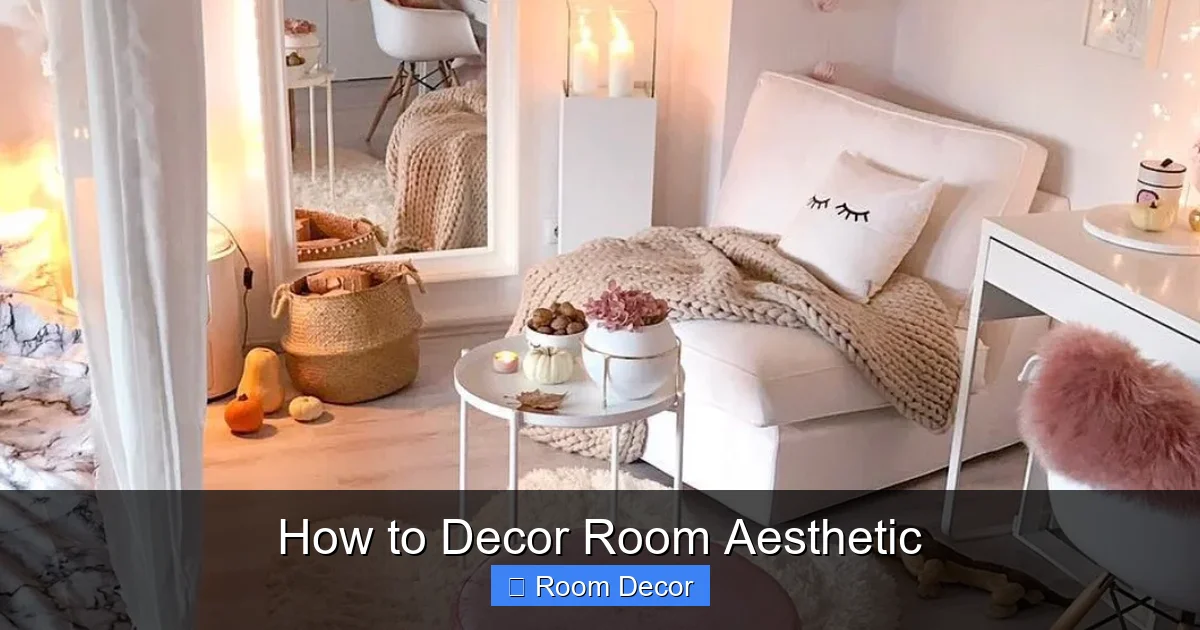
Transform your living space into an aesthetic haven with this comprehensive guide. Learn to define your style, choose the right color palettes, select furniture, and add decorative touches that reflect your personality. From decluttering to the final flourish, we’ll help you create a room that’s both beautiful and functional. Achieve your dream room aesthetic with practical, easy-to-follow advice.
Ever scroll through Instagram or Pinterest and feel a pang of envy for those perfectly styled rooms? Those spaces that just *feel* right, exuding a certain vibe or personality? That’s the power of room aesthetic. But guess what? You don’t need a professional designer or an unlimited budget to create a room that looks and feels amazing. With a little planning and a lot of personal touch, you can transform your own space into an aesthetic sanctuary.
This guide is your roadmap to decorating a room with a cohesive and captivating aesthetic. We’ll walk you through everything from figuring out what “aesthetic” even means for *you*, to picking out the perfect decor that makes your room sing. Get ready to create a space that’s not just beautiful, but a true reflection of your unique style and personality.
Key Takeaways
- Define Your Aesthetic: Identify your personal style, whether it’s minimalist, bohemian, Scandinavian, or something else entirely.
- Color is Key: Understand the impact of color palettes and choose hues that evoke the desired mood and atmosphere.
- Furniture Fundamentals: Select furniture that is both functional and aesthetically pleasing, considering scale, proportion, and material.
- Layering Textures: Incorporate a variety of textures through fabrics, rugs, and decorative items to add depth and warmth.
- Lighting Matters: Master the art of lighting by using a mix of ambient, task, and accent lighting to create ambiance.
- Accessorize Wisely: Choose decorative accents that tell a story, reflect your personality, and complete your chosen aesthetic.
- Declutter and Organize: A clean and organized space is the foundation of any good room aesthetic.
Step 1: Discover Your Room Aesthetic
Before you buy a single thing, the most important step is figuring out what kind of aesthetic you’re going for. This is your foundation. Think of it as defining your personal style in your living space.
Brainstorm Your Style
What kind of vibe do you want your room to have? Do you crave a cozy, hygge-inspired retreat? Or perhaps a sleek, minimalist haven? Maybe you’re drawn to the vibrant colors and natural elements of bohemian style, or the clean lines and natural light of Scandinavian design. Jot down words that describe your ideal atmosphere. Think about how you want to *feel* when you’re in the room. Relaxed? Energized? Inspired?
Seek Inspiration
This is the fun part! Dive into platforms like Pinterest, Instagram, and design blogs. Create mood boards (digital or physical) by saving images of rooms, furniture, color palettes, and decor items that catch your eye. Don’t limit yourself to one style initially; explore widely. As you collect images, you’ll start to see patterns emerge. What colors do you keep saving? What textures appear most often? What furniture styles do you gravitate towards?
Identify Key Elements
Once you have a collection of inspiration, start to break it down. What are the common threads?
- Color Palette: Are most of your saved images featuring soft pastels, bold jewel tones, earthy neutrals, or monochrome schemes?
- Materials: Do you see a lot of wood, metal, velvet, linen, or natural fibers?
- Furniture Style: Are you leaning towards mid-century modern, traditional, industrial, or something more eclectic?
- Overall Mood: Is the vibe generally calm, energetic, romantic, or sophisticated?
Don’t worry about fitting perfectly into one predefined box. Your aesthetic can be a unique blend of several styles. For example, you might love the clean lines of Scandinavian design but also appreciate the warmth of bohemian textiles.
Step 2: Master the Art of Color
Color is one of the most powerful tools in interior design. It sets the mood, influences emotions, and can make a room feel larger, smaller, warmer, or cooler.
Choose Your Color Palette
Based on your aesthetic research, select a primary color, a secondary color, and an accent color.
- Primary Color: This will be your dominant color, usually for walls and larger furniture pieces.
- Secondary Color: This complements your primary color and will be used for other main pieces.
- Accent Color: This is for pops of interest in smaller decor items, pillows, or art.

Visual guide about How to Decor Room Aesthetic
Image source: i.pinimg.com
Consider the psychology of color. Blues and greens are often calming, reds and oranges are energetic, yellows are cheerful, and neutrals provide a sense of balance and sophistication. Think about the natural light in your room too. Lighter colors can make a small, dark room feel brighter, while deeper colors can add coziness to a large, airy space.
Apply Color Strategically
Don’t feel like you need to paint your entire room a bold color. You can introduce color through various elements:
- Walls: Paint, wallpaper, or even a large piece of art.
- Furniture: A statement sofa, accent chairs, or painted cabinets.
- Textiles: Rugs, curtains, throw pillows, and blankets.
- Decor: Vases, picture frames, and decorative objects.
Tip: If you’re hesitant about bold colors, start with your accent pieces. A few colorful pillows on a neutral sofa can make a big impact without a huge commitment.
Step 3: Furniture Selection and Placement
Furniture is the backbone of your room’s aesthetic. It needs to be functional, comfortable, and visually appealing, fitting seamlessly into your chosen style.
Scale and Proportion
Ensure your furniture is the right size for your room. A massive sectional sofa will overwhelm a small living room, while tiny furniture can get lost in a large space. Measure your room and plan the layout before you buy. Consider traffic flow – leave enough space to move around comfortably.

Visual guide about How to Decor Room Aesthetic
Image source: storables.com
Material and Finish
The materials and finishes of your furniture play a huge role in your aesthetic.
- Wood: Offers warmth and can range from rustic to modern depending on the type and finish.
- Metal: Can add a sleek, industrial, or contemporary feel.
- Upholstery: Fabrics like velvet add luxury, linen offers a relaxed vibe, and leather provides a classic, durable option.
Try to maintain a consistent or complementary range of finishes. For example, if you have a lot of brushed nickel hardware, stick with that for other metal accents to create a cohesive look.
Arrangement for Flow and Function
How you arrange your furniture dictates how the room functions and feels.
- Living Room: Create conversation areas. Place seating pieces facing each other or around a central coffee table.
- Bedroom: The bed is usually the focal point. Position it against the most prominent wall. Ensure bedside tables are at a comfortable height and within reach.
- Dining Room: Ensure there’s enough space around the table for chairs to be pulled out and for people to walk around easily.
Tip: Don’t be afraid to experiment with placement. Sometimes moving furniture just a few inches can make a big difference.
Step 4: Layering Textures
Texture adds depth, warmth, and visual interest to a room, making it feel more inviting and lived-in. It’s about creating a sensory experience.
Incorporate Diverse Materials
Mix and match different textures to create a rich and layered look.
- Soft Textures: Think plush rugs, faux fur throws, velvet pillows, and knitted blankets.
- Natural Textures: Rattan baskets, jute rugs, wooden bowls, and live plants.
- Smooth Textures: Glass tabletops, polished metal, and sleek ceramic.
- Rough Textures: Burlap, distressed wood, and exposed brick.

Visual guide about How to Decor Room Aesthetic
Image source: thespruce.com
Focus on Key Pieces
You don’t need to go overboard. Strategically place textured items to make the most impact.
- Rugs: A plush rug under a seating area can instantly elevate the cozy factor.
- Throw Pillows and Blankets: Drape a chunky knit throw over a sofa or add a mix of velvet and linen pillows.
- Curtains: Heavier fabrics like velvet or linen can add warmth and a touch of luxury.
- Wall Decor: Textured wallpaper, woven wall hangings, or artwork with tactile elements.
Tip: Touch your decor! When you’re shopping, feel the fabrics and materials. This will help you understand how they’ll contribute to the overall feel of your room.
Step 5: The Power of Lighting
Lighting is often an afterthought, but it’s crucial for setting the mood and highlighting your aesthetic. A well-lit room feels more welcoming and can showcase your decor beautifully.
Layer Your Lighting
A single overhead light can be harsh. Aim for a mix of three types of lighting:
- Ambient Lighting: This is the general illumination for a room, usually from overhead fixtures like chandeliers or ceiling lights.
- Task Lighting: This provides focused light for specific activities, such as reading lamps by a chair or under-cabinet lighting in the kitchen.
- Accent Lighting: This is used to highlight specific features, like artwork, plants, or architectural details, using spotlights or picture lights.
Choose Fixtures that Complement Your Style
The style of your light fixtures should align with your overall aesthetic. A modern Sputnik chandelier can be a statement piece in a contemporary or mid-century modern room, while a rustic wrought-iron pendant light fits a farmhouse or industrial aesthetic. Consider the material, finish, and shape of your lamps and fixtures.
Consider Warmth and Dimmers
The color temperature of your light bulbs matters. Warm, soft white bulbs (around 2700K) create a cozy and inviting atmosphere, while cooler, brighter bulbs (4000K+) can feel more sterile. Installing dimmers allows you to control the intensity of your lighting, easily transitioning from bright task lighting to a soft, mood-setting glow.
Tip: Use strategically placed lamps to create cozy reading nooks or highlight artwork. Don’t underestimate the power of candlelight or string lights for a truly ambient feel.
Step 6: Accessorize Wisely
Accessories are the finishing touches that truly personalize your room and bring your aesthetic to life. They tell your story.
Curate Your Collections
Choose accessories that have meaning to you or that strongly represent your chosen aesthetic.
- Art: Paintings, prints, photographs, sculptures.
- Plants: Bring life and color into the space.
- Books: Stacked artfully or displayed on shelves.
- Candles and Diffusers: Add scent and ambiance.
- Decorative Objects: Vases, trays, figurines, mirrors.
- Personal Items: Photos, souvenirs, heirlooms.
The Rule of Threes
When arranging decorative items, grouping them in odd numbers, particularly threes, often creates a more visually pleasing and dynamic composition. For example, arrange a vase, a stack of books, and a candle on a coffee table.
Don’t Overcrowd
While accessories are important, too many can make a space feel cluttered and detract from your aesthetic. Less is often more. Ensure each item has a purpose or adds significant visual value. Negative space (empty areas) is just as important as filled space.
Tip: Rotate your accessories seasonally or when you feel like a change. This keeps your decor fresh and exciting without needing to buy new items.
Step 7: Declutter and Organize
This is arguably the most important step for *any* room aesthetic. A cluttered space can never feel truly chic or serene, no matter how beautiful the individual items.
The Purge
Go through your belongings ruthlessly. Ask yourself:
- Do I use this regularly?
- Do I love this?
- Does this serve a purpose?
- Does this fit my chosen aesthetic?
Donate, sell, or discard anything that doesn’t meet these criteria. A good decluttering session can be incredibly liberating and will instantly improve the look and feel of your room.
Smart Storage Solutions
Once you’ve decluttered, invest in smart storage solutions that are both functional and attractive.
- Baskets and Bins: Great for blankets, magazines, toys, or odds and ends.
- Shelving: Floating shelves, bookcases, or wall-mounted units can display and store items.
- Ottomans with Storage: Dual-purpose furniture is a lifesaver.
- Drawer Organizers: Keep smaller items tidy.
Choose storage that complements your aesthetic. Woven baskets fit a bohemian or natural style, while sleek, minimalist boxes work for modern interiors.
Maintain the Order
The key to a lasting aesthetic is maintenance. Develop simple habits to keep your room tidy.
- Put things back where they belong immediately after use.
- Dedicate 5-10 minutes each day to a quick tidy-up.
- Do a more thorough declutter and organization session periodically (e.g., monthly or seasonally).
Tip: Assign a “home” for everything. When everything has its place, it’s much easier to put things away and keep the room looking its best.
Troubleshooting Common Aesthetic Challenges
Even with the best intentions, you might run into some snags. Here are a few common issues and how to tackle them:
My Room Feels Too Bland/Too Busy
Too Bland: You might need to introduce more color, texture, or pattern. Try adding a patterned rug, some colorful throw pillows, or a statement piece of art. Layering textures can also add depth.
Too Busy: You may have too many competing elements or too much clutter. Try removing some items, simplifying your color palette, or creating more defined zones within the room. Ensure there’s enough negative space.
I Can’t Get the Lighting Right
Ensure you have a good mix of ambient, task, and accent lighting. If it feels too dim, add more lamps or brighter bulbs. If it feels too harsh, use dimmer switches, choose warmer bulbs, or incorporate softer light sources like string lights or candles.
My Furniture Doesn’t Flow Well
Re-evaluate your furniture arrangement. Draw a floor plan to scale and experiment with different layouts. Consider traffic flow and the primary function of the room. Sometimes, changing the orientation of a rug or adding a small accent chair can improve the flow.
Conclusion
Creating a room with a distinct aesthetic is a journey, not a destination. It’s about understanding your personal style, making conscious choices about color, furniture, and decor, and most importantly, creating a space that makes you feel happy and comfortable. By following these steps, from defining your style to decluttering and accessorizing, you can craft a room that is not only beautiful but also a true reflection of you. Embrace the process, have fun with it, and enjoy the beautiful space you create!