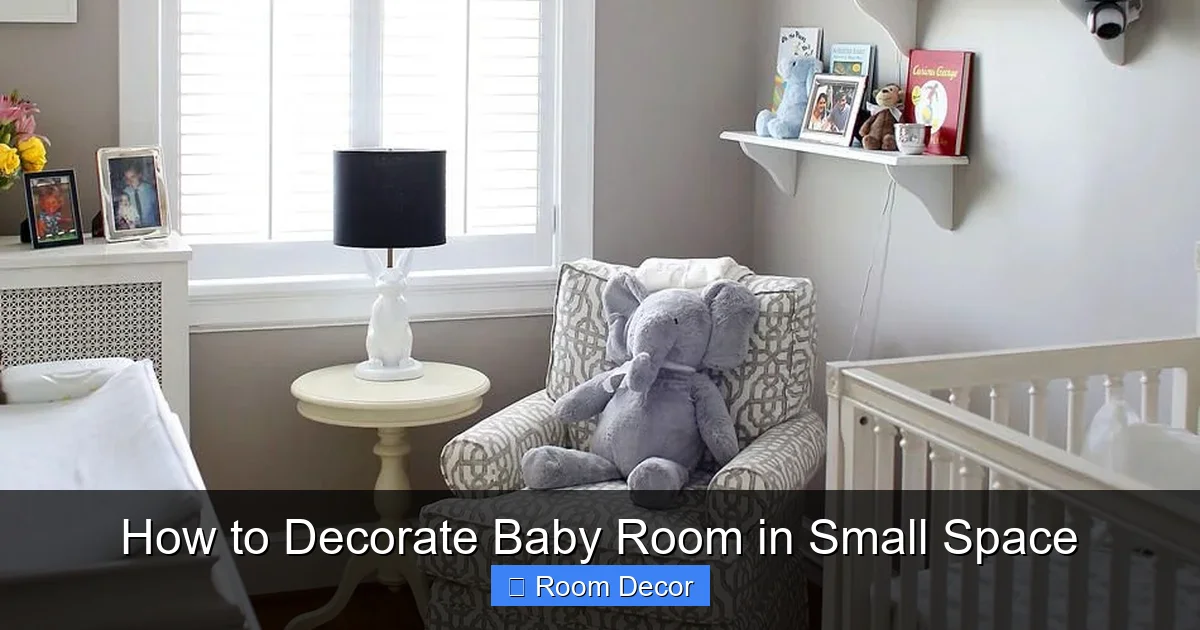
Decorating a baby room in a small space doesn’t have to be a challenge. This guide offers practical, step-by-step advice to help you create a functional, beautiful, and safe nursery, even with limited square footage. Learn how to maximize every inch, choose multi-functional furniture, employ smart storage solutions, and use design tricks to make your small baby room feel spacious and inviting.
How to Decorate Baby Room in Small Space
Congratulations, you’re expecting! One of the most exciting parts of preparing for a new arrival is setting up their nursery. But what if your home boasts more charm than square footage? Decorating a baby room in a small space can seem daunting, like trying to fit a giant puzzle into a tiny box. Rest assured, it’s not only possible but can also lead to incredibly cozy, functional, and stylish results. With a little creativity and strategic planning, you can transform even the snuggest corner into a dreamy haven for your little one.
This comprehensive guide will walk you through every step of decorating a baby room in a small space. We’ll explore ingenious storage solutions, clever furniture choices, and design tricks that make your small nursery feel expansive and inviting. You’ll learn how to maximize every inch, ensure safety, and create a beautiful environment where both you and your baby will love spending time.
Key Takeaways
- Embrace Multi-Functional Furniture: Invest in items like cribs with built-in drawers or changing tables that convert into dressers to save space and provide essential storage.
- Utilize Vertical Space Aggressively: Think upwards! Wall-mounted shelves, pegboards, and tall, narrow storage units are crucial for keeping floor space clear in a small baby room.
- Choose Light and Bright Colors: Pale paint colors and natural light make a small nursery feel larger and more open. Use mirrors strategically to enhance this effect.
- Prioritize Smart Organization: Bins, baskets, drawer dividers, and closet organizers are your best friends. Keep clutter at bay by giving everything a designated home.
- Define Zones, Not Rooms: Even in a tiny space, you can create distinct areas for sleeping, changing, and playing using rugs, lighting, or furniture arrangement.
- Simplify Decor and Personalize Purposefully: Opt for meaningful, compact decorative items rather than many small knick-knacks. Wall decals or a single piece of impactful art can add charm without clutter.
- Safety First, Always: Regardless of space, ensure all furniture is securely anchored, cords are hidden, and essential items are within easy reach for parents but out of baby’s grasp.
Step 1: Master the Art of Space Planning
Before you buy a single item, the most crucial step in decorating a baby room in a small space is meticulous planning. This isn’t just about dreaming; it’s about practical assessment.
Measure Everything Accurately
Grab a measuring tape and note down the dimensions of your room, including wall lengths, ceiling height, and the exact placement of windows, doors, and electrical outlets. Don’t forget to measure the swing radius of doors and windows, as this will impact furniture placement. Knowing these details will prevent frustrating surprises later on when you try to fit furniture.
Create a Floor Plan (Paper or Digital)
Sketching a floor plan is invaluable. You can do this with graph paper and cut-outs representing furniture or use a free online room planner. Experiment with different layouts. The goal is to see how essential items—crib, changing station, storage—can fit without blocking walkways or natural light. This visual exercise helps you identify potential dead zones and figure out the most efficient flow for your small baby room.
Define Essential Zones, Not Just Items
Even a tiny nursery needs core functionalities. Think in terms of zones: a sleeping zone (crib), a changing zone (changing pad/dresser), and a feeding/comfort zone (rocker/glider if space allows). Your plan should prioritize these, ensuring they are easily accessible and comfortable to use, especially during late-night feedings and changes. When you decorate a baby room in a small space, functionality always comes first.
Step 2: Embrace Multi-Functional Furniture
When square footage is limited, every piece of furniture needs to pull double or even triple duty. This is paramount when decorating a baby room in a small space.
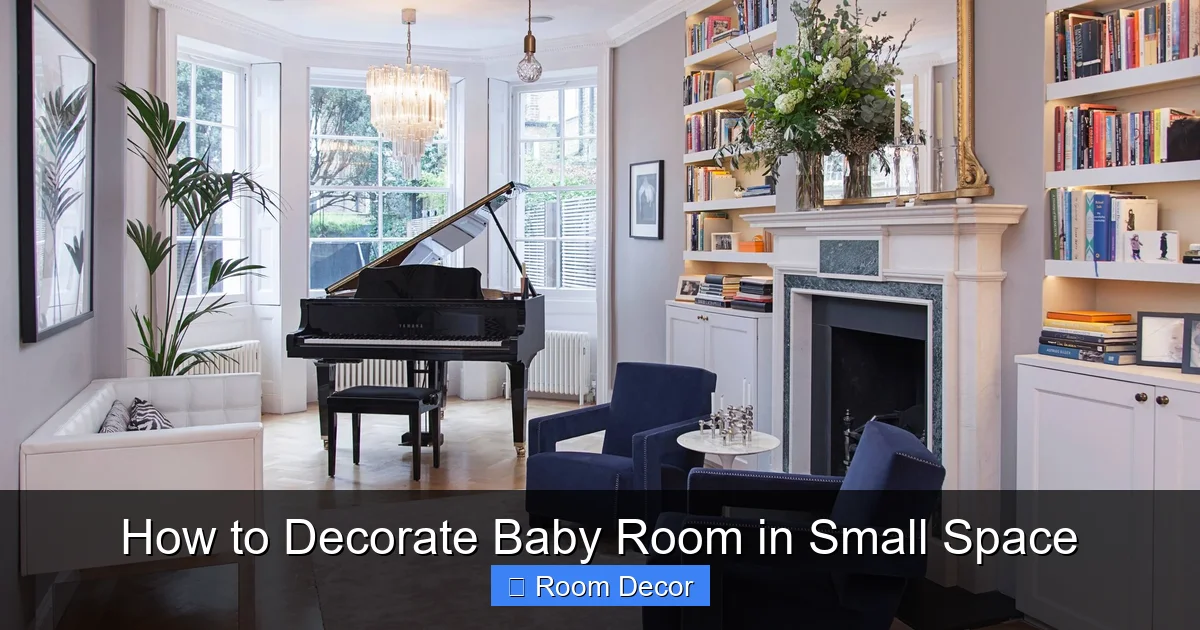
Visual guide about How to Decorate Baby Room in Small Space
Image source: st.hzcdn.com
The Crib: More Than Just a Bed
- Crib with Built-in Storage: Many cribs now come with drawers underneath or attached shelving. This is a game-changer for storing extra blankets, sheets, or diapers right where you need them.
- Convertible Cribs: While not a direct space-saver initially, a convertible crib that transitions from a crib to a toddler bed and then a full-size bed is a long-term investment that saves you from buying new furniture down the line, freeing up future funds for other space-saving solutions.
- Mini Cribs: For truly tiny rooms, a mini crib offers the same comfort and safety as a standard crib but with a smaller footprint. Just be mindful of mattress and sheet availability.
The Changing Station: Versatility is Key
- Dresser-Changer Combo: Instead of a standalone changing table, opt for a dresser with a removable changing pad on top. Once your baby outgrows diapers, you simply remove the pad, and you have a functional dresser for years to come. Look for tall, narrow dressers to maximize vertical space.
- Wall-Mounted Changing Table: For extreme space constraints, a changing table that folds up against the wall can be a lifesaver. Ensure it’s sturdy and securely mounted.
- Changing Pad on a Crib Top: A portable changing pad that sits securely on top of the crib rails is a temporary, compact solution, though less ideal for regular use.
Seating: Smart and Compact
A comfortable place for parents to sit is vital. If a full glider or rocking chair won’t fit, consider a more compact option.
- Small Armchair or Ottoman: A sleek armchair or a pouf can offer a comfortable spot for feeding or cuddling. Look for an ottoman with hidden storage for an extra bonus.
- Wall-Mounted Shelves with Cushions: In very tight spots, a sturdy, low wall-mounted shelf with a cushion could serve as a temporary reading nook for older children, or a place to perch for quick feeds.
Step 3: Go Vertical with Storage
When decorating a baby room in a small space, think up! Walls are your greatest allies for storage.
Wall-Mounted Shelves and Cubbies
Floating shelves are perfect for displaying books, small toys, or decorative items without eating up floor space. Install them above the crib (at a safe height and securely fastened!), changing table, or even above the doorframe. Cubby organizers mounted on the wall can hold diapers, wipes, and smaller clothing items.
Utilize Pegboards
A pegboard on a blank wall offers incredibly versatile storage. You can hang baskets, hooks for clothes, small shelves for lotions, or even display cute artwork. It’s customizable and can evolve with your child’s needs.
Over-the-Door Organizers
The back of the nursery door is often overlooked. An over-the-door shoe organizer (with clear pockets) can be repurposed for storing diapers, burp cloths, smaller toys, or even baby shoes. Fabric organizers with multiple pockets are also great for clothes and accessories.
Tall, Narrow Bookcases or Storage Units
If you have a sliver of wall space, a tall, narrow bookcase can provide significant storage. Just make sure to anchor it securely to the wall to prevent tipping, a non-negotiable safety rule in any baby room.
Under-Crib and Under-Dresser Storage
Don’t forget the space *under* your furniture. Bins on wheels or slim storage drawers are perfect for stashing extra bedding, out-of-season clothes, or larger toys, keeping them out of sight but easily accessible. This is a classic trick for how to decorate a baby room in a small space effectively.
Step 4: Smart Color Schemes and Lighting
The right colors and lighting can magically make a small space feel much larger and more inviting.
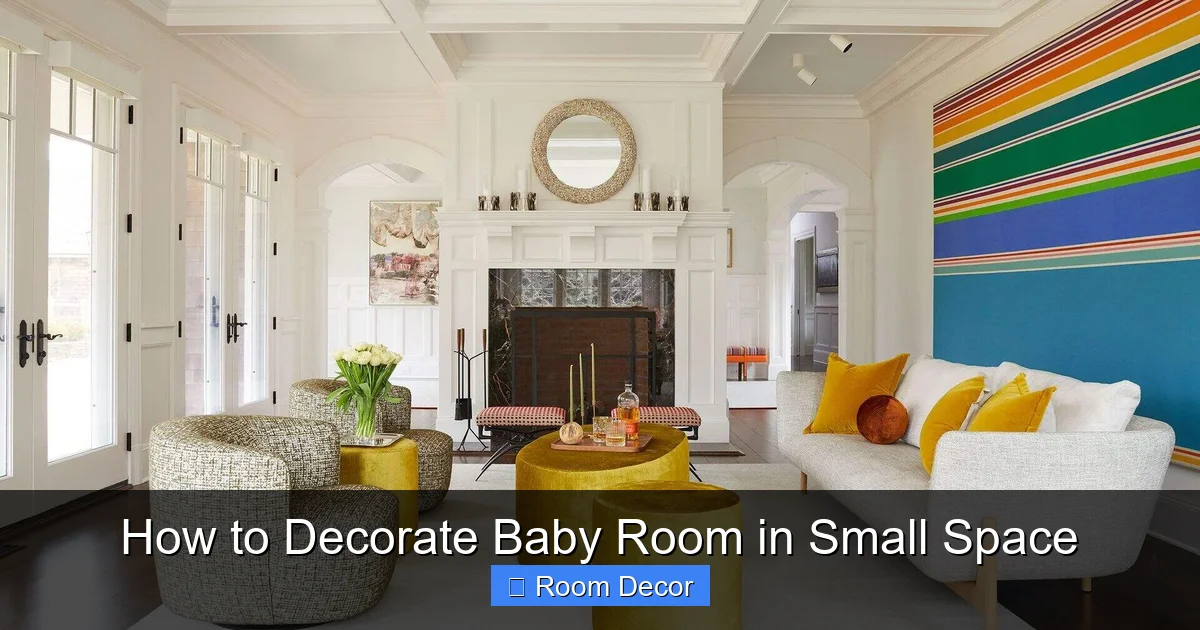
Visual guide about How to Decorate Baby Room in Small Space
Image source: storables.com
Light and Bright Color Palettes
Pale, neutral colors like white, cream, light grey, or soft pastels reflect light, making a room feel more open and airy. Avoid dark, heavy colors on all walls, as they can make a small nursery feel cramped. If you love bold colors, use them as accents on one wall, or through accessories like blankets and art.
Monochromatic or Tonal Schemes
Using varying shades of the same color can create a sophisticated look and visually expand the space. For example, a light grey wall paired with slightly darker grey furniture and textiles creates depth without making the room feel small.
Strategic Lighting
- Maximize Natural Light: Keep window treatments light and sheer to let in as much sunlight as possible. Avoid heavy drapes that block light and make the room feel smaller.
- Layered Lighting: Combine overhead ambient lighting (a flush-mount ceiling fixture) with task lighting (a small lamp on the changing dresser) and accent lighting (a nightlight or string lights). This creates warmth and allows you to adjust the mood, crucial for late-night feeds.
- Dimmers are Your Friend: Install dimmer switches for overhead lights. They are invaluable for creating a gentle glow during nighttime wake-ups without fully waking the baby (or you!).
Mirrors for Illusion
A well-placed mirror can work wonders. It reflects light and creates the illusion of more space, almost like adding another window. Choose a lightweight, shatter-proof mirror and ensure it’s securely mounted and out of reach of tiny hands once baby starts moving.
Step 5: Master the Art of Organization
In a small baby room, clutter quickly equals chaos. Ruthless organization is key.
Bins, Baskets, and Drawer Dividers
These are your secret weapons. Use fabric bins for toys, wicker baskets for blankets, and drawer dividers for tiny baby clothes, socks, and accessories. Label everything if it helps you keep track!
Declutter Regularly
Babies accumulate *a lot* of stuff. Clothes are quickly outgrown, and toys are received. Make a habit of decluttering frequently. Donate or store items that are no longer needed or used. Keep only what is essential and currently appropriate for your baby’s age.
Categorize and Contain
Group similar items together. All diapers in one bin, all lotions and creams in another. This not only makes things easy to find but also ensures that every item has a designated home, making tidying up a breeze.
When you decorate a baby room in a small space, visible clutter can be overwhelming, so focus on closed storage where possible, or aesthetically pleasing containers for open shelving.
Step 6: Personalize with Purpose
Even a small nursery should feel special and reflective of your family’s personality. Just be mindful of scale.
Meaningful, Compact Decor
Instead of many small knick-knacks that can create visual clutter, choose a few meaningful, larger pieces of decor. A beautiful piece of art, a charming mobile, or a framed family photo can add character without overwhelming the space.
Wall Decals and Murals
These are fantastic for small spaces! They add a pop of color and personality without taking up any floor space. Plus, they’re often removable, making them perfect for renters or changing tastes.
Textiles for Texture and Warmth
Soft rugs, cozy blankets, and charming curtains (lightweight, of course) can add texture and warmth, making the small baby room feel more inviting. Choose patterns and colors that complement your overall light palette.
Step 7: Prioritize Safety and Accessibility
No matter the size, safety is paramount in any nursery. And in a small space, accessibility for parents is also key.
Baby-Proofing Essentials
- Anchor All Furniture: Every piece of furniture, especially tall ones like dressers and bookcases, must be securely anchored to the wall to prevent tipping.
- Cord Management: Keep all cords (blinds, lamps, monitors) out of reach. Use cord covers or tie-backs.
- Outlet Covers: Protect unused electrical outlets.
- No Loose Items in Crib: Keep the crib free of bumpers, excessive blankets, or large toys, which can pose suffocation hazards.
Easy Access for Parents
In a small space, you need to be able to reach essentials quickly and comfortably, especially during those bleary-eyed night feeds. Place diapers, wipes, burp cloths, and a change of clothes within arm’s reach of your changing station and feeding area. Ensure pathways are clear so you can navigate safely in the dark.
Consider Airflow
Ensure that furniture isn’t completely blocking vents or windows, allowing for good air circulation in the room. A small, quiet fan can also help with air movement, but ensure it’s out of reach.
Troubleshooting Common Challenges When Decorating a Baby Room in Small Space
“My room feels too cluttered, even after following tips!”
Sometimes, less is truly more. If your small baby room still feels overwhelmed, it might be time for another round of ruthless decluttering. Ask yourself: Is this item absolutely essential *right now*? Can it be stored elsewhere (e.g., in another room or a storage bin)? Are you holding onto items “just in case”? Consider a rotation system for toys and books, keeping only a few out at a time and swapping them periodically. Also, ensure that all open shelving uses aesthetically pleasing containers rather than just random items.
“I can’t fit a comfortable chair for feeding.”
This is a common dilemma when you decorate a baby room in a small space. If a traditional glider is out of the question, think creatively. Can you use a comfortable armchair from another room? Or, consider a firm, upholstered stool or a pouf that offers a place to sit without taking up much floor space. Sometimes, the best solution is to feed your baby in another comfortable spot in the house, like your bedroom or living room, and use the nursery purely for sleeping and changing.
“The room feels dull with all the light colors.”
Light colors are great for expanding space, but they don’t have to mean boring! Introduce pops of color and personality through accessories. A vibrant rug, colorful wall art, patterned throw pillows (when baby is older and not in the crib), or a brightly colored mobile can add visual interest. You could also paint one accent wall in a slightly bolder, but still soft, shade, such as a gentle mint green or a dusty blue, to add depth without overwhelming the small space.
“I worry about noise and light in a small, close-quarters room.”
While you can’t add square footage, you can manage the environment. Invest in blackout blinds or curtains that can be pulled down for naptime and bedtime to control light. For noise, a white noise machine can be a lifesaver, masking household sounds and creating a consistent, soothing environment for your baby. These small additions make a big difference in the functionality of your compact nursery.
Conclusion
Decorating a baby room in a small space is an exciting challenge that yields incredibly rewarding results. By focusing on smart space planning, embracing multi-functional furniture, utilizing vertical storage, and employing clever design tricks, you can create a beautiful, safe, and highly functional nursery that feels anything but cramped. Remember, the goal is to create a nurturing environment where your baby can grow and thrive, and where you, as parents, feel comfortable and organized. With these tips and a little imagination, your small nursery will be a testament to creative living and a cozy haven for your newest family member!