Transform your child’s room into an organized haven with this comprehensive guide. Learn how to decorate school age kids room for organization by involving your child, implementing smart storage, and creating functional zones. This guide helps you foster independence and make tidying a breeze with practical, lasting solutions that empower your child to keep their space neat and functional.
How to Decorate School Age Kids Room for Organization
As children grow and enter their school years, their rooms often become a hub of activity. They accumulate school supplies, books, toys, art projects, and clothes at an astonishing rate. What was once a simple nursery now needs to be a multi-functional space for sleeping, playing, studying, and relaxing. This is where the challenge—and opportunity—to decorate school age kids room for organization comes in. A well-organized room isn’t just about aesthetics; it’s about creating a functional environment that reduces stress, promotes independence, and supports learning.
A cluttered room can lead to a cluttered mind, making it hard for kids to focus on homework or find their favorite toy. By implementing smart organizational strategies, you can help your child develop essential life skills, like responsibility and decision-making, while creating a peaceful and inspiring space they love. This comprehensive guide will walk you through practical, step-by-step instructions to transform your child’s room into an organized haven that works for them, and for you.
Key Takeaways
- Involve Your Child from the Start: Empower your school-age child by including them in decluttering and decision-making. This fosters ownership and makes them more likely to maintain the organized space.
- Declutter Ruthlessly First: Before buying any storage, sort through everything. Categorize items into “keep,” “donate/sell,” or “trash” to eliminate unnecessary clutter and create space.
- Zone the Room for Functionality: Divide the room into dedicated areas for sleeping, studying, playing, and getting ready. This helps define purpose and makes it easier to keep each activity contained.
- Implement Smart, Accessible Storage: Utilize vertical space, clear bins, baskets, and wall-mounted solutions. Ensure storage is at your child’s height and clearly labeled for easy access and return.
- Choose Multi-functional Furniture: Opt for furniture pieces that offer built-in storage, like beds with drawers or desks with shelves. This maximizes space and provides integrated organizational solutions.
- Create an Effective Study Zone: Designate a quiet area with a comfortable desk, proper lighting, and organized school supplies to support homework and learning habits.
- Establish Simple Maintenance Routines: Teach your child easy daily and weekly tidy-up routines. Regular, short bursts of organization are more effective than infrequent, overwhelming purges.
Step 1: Involve Your Child in the Process
The first and most crucial step to successfully decorate school age kids room for organization is to bring your child into the planning. When children have a say in how their space is set up, they develop a sense of ownership and are far more likely to maintain the system you put in place. This isn’t just about cleaning; it’s about teaching them valuable life skills.
Discuss Needs and Wants
Sit down with your child and talk about what they like and dislike about their room. Ask them specific questions: “What makes it hard to find your favorite book?” “Where do you wish you could put your art supplies?” “What do you want more space for?” Listen actively to their ideas. They might surprise you with creative solutions or highlight pain points you hadn’t considered. Explain the benefits of an organized room: finding things easily, more space for play, a calmer environment.
Make it a Fun Project
Frame the organization process as an exciting project, not a chore. Use positive language and emphasize the “new” and “improved” aspects of their room. Let them pick out a new color for a storage bin or a fun label maker. Small choices like these can make a big difference in their engagement and enthusiasm. Involving them helps build a collaborative spirit, turning a potentially overwhelming task into a shared, rewarding experience.
Step 2: Declutter Ruthlessly (The Purge)
Before you buy a single storage container or rearrange any furniture, you must declutter. This is often the most challenging but ultimately the most impactful step when you want to decorate school age kids room for organization. You can’t organize clutter; you can only store it. Get rid of what you no longer need, use, or love.
Visual guide about How to Decorate School Age Kids Room for Organization
Image source: lushome.com
Sort into Categories (Keep, Donate/Sell, Trash)
Start with one category at a time – for example, all toys, then all clothes, then all books. Create three distinct piles or boxes:
- Keep: Items that are regularly used, loved, or have significant sentimental value (within reason).
- Donate/Sell: Items that are still in good condition but no longer used or needed. Think about passing them on to younger siblings, friends, or local charities. This teaches children about generosity.
- Trash: Broken items, things with missing pieces, dried-up markers, or anything truly unusable.
Encourage your child to make decisions about their belongings. For younger school-age kids, you might need to guide them with questions like, “Have you played with this in the last six months?” or “Does this still fit you?”
Be Realistic About What Stays
It’s easy to get overwhelmed by the sheer volume of kid stuff. Be firm but gentle. Remind your child that keeping too many things makes it harder to enjoy what they have. A good rule of thumb for toys is to keep out what fits comfortably in designated storage spaces and rotate the rest. For clothes, if it doesn’t fit, it goes. Old school papers can often be photographed and stored digitally, or a select few “masterpieces” can be kept in a single portfolio.
Step 3: Zone the Room for Functionality
To effectively decorate school age kids room for organization, think about the different activities that happen in the room. Dividing the space into distinct “zones” helps maintain order and focus for each activity.
Visual guide about How to Decorate School Age Kids Room for Organization
Image source: lushome.com
Sleep Zone
This area should be calm and conducive to rest. Keep it simple and free of clutter. The bed, a nightstand, and perhaps a small reading lamp are all that’s truly needed here. Avoid storing too many toys or active play items directly next to the bed.
Study Zone
Essential for school-age children! Designate a specific area for homework, reading, and creative projects. This zone should be quiet, well-lit, and equipped with a desk, comfortable chair, and easy access to school supplies. We’ll delve deeper into this in Step 6.
Play/Creative Zone
This is where the fun happens! Group toys, games, and art supplies together. Use open shelving, bins, and creative storage solutions that make it easy for your child to access and put away their playthings. A rug can visually define this area.
Getting Ready Zone
Often overlooked, this zone focuses on clothes and personal care items. A dresser, wardrobe, or a small section of a closet with easy-to-reach clothes can make mornings smoother. Consider a mirror at their height and hooks for backpacks or pajamas.
Step 4: Implement Smart Storage Solutions
Once you’ve decluttered and zoned the room, it’s time to choose the right tools to decorate school age kids room for organization. Smart storage is all about maximizing space and making items easily accessible and retrievable for your child.
Visual guide about How to Decorate School Age Kids Room for Organization
Image source: lushome.com
Vertical Storage is Your Friend
Walls and doors are untapped potential!
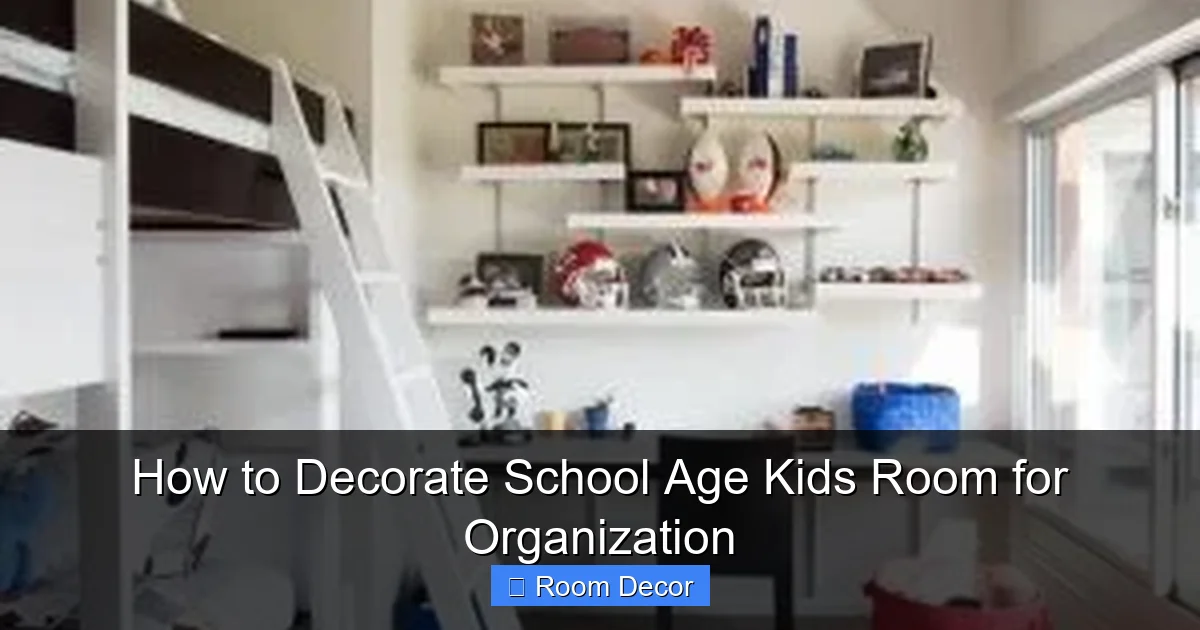
- Wall-mounted shelves: Great for books, display items, or even small bins of art supplies.
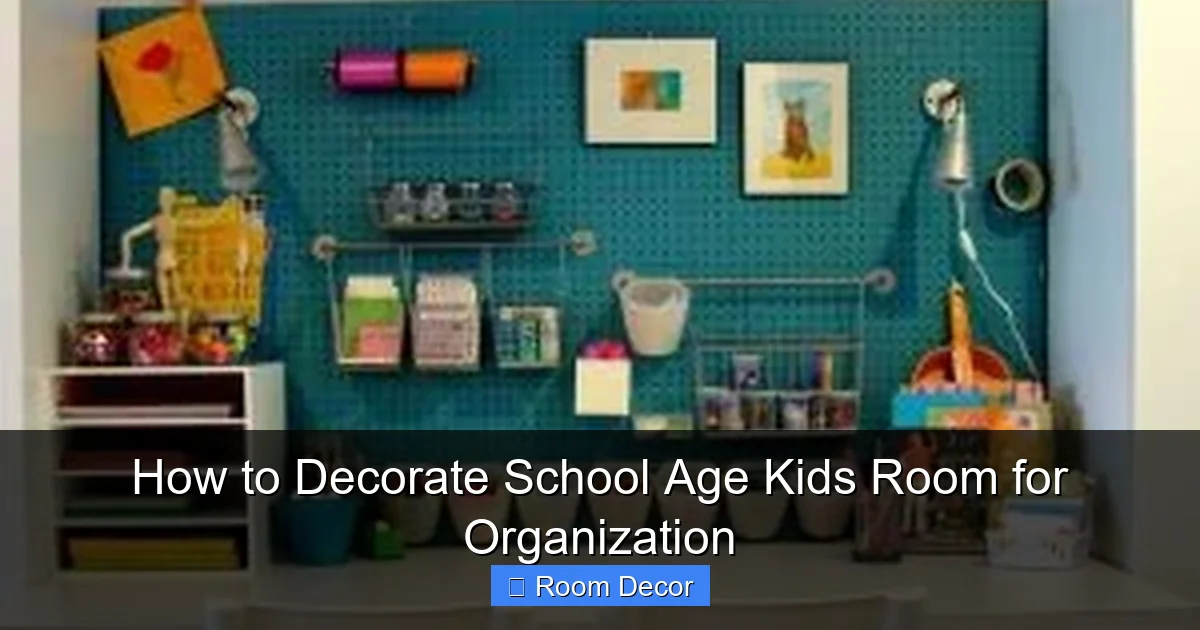
- Pegboards: Extremely versatile for hanging frequently used items like headphones, art tools, or small bags.
- Over-the-door organizers: Perfect for shoes, small toys, craft supplies, or even laundry.
- Tall bookcases: Maximize vertical space for books, games, and decorative items. Anchor them securely to the wall for safety.
Use Bins, Baskets, and Containers
These are the workhorses of organization.
- Clear plastic bins: Ideal for toys, blocks, or anything where visual access is helpful. Your child can see what’s inside without dumping everything out.
- Opaque bins/baskets: Good for items you don’t want on display, like craft supplies or extra bedding. Fabric bins can add a decorative touch.
- Drawer dividers: Keep small items like socks, underwear, or art markers from becoming a jumbled mess.
- Stackable containers: Great for crafts or smaller collections that need to be grouped together.
Ensure containers are lightweight and easy for your child to open, carry, and put back.
Shelving Systems
Whether built-in or freestanding, shelves are essential. Cube storage units (like those with fabric bins) are fantastic because they offer individual compartments for different categories of items, making cleanup intuitive. Ensure shelves are sturdy and at a height your child can comfortably reach.
Under-Bed Storage
This often-forgotten space can hold a surprising amount. Use shallow, rolling bins for seasonal clothes, extra bedding, or larger toy sets that aren’t used daily. Look for bins with lids to keep dust out.
Wall-Mounted Organizers
Consider fun options like magnetic strips for small metal cars or mesh bags for stuffed animals. A simple coat rack or hooks can be used for jackets, backpacks, or even dress-up clothes, keeping them off the floor.
Label Everything
This is critical, especially when you decorate school age kids room for organization. Labels help your child know exactly where things belong and where to find them. Use pictures for younger children or those who are learning to read, and clear text labels for older kids. Make labeling a fun activity; let your child write the labels or choose the font. Consistency is key here!
Step 5: Optimize Furniture for Storage and Function
The furniture you choose for a school-age child’s room can significantly impact its organizational potential. Think multi-purpose and space-saving.
Beds with Built-in Storage
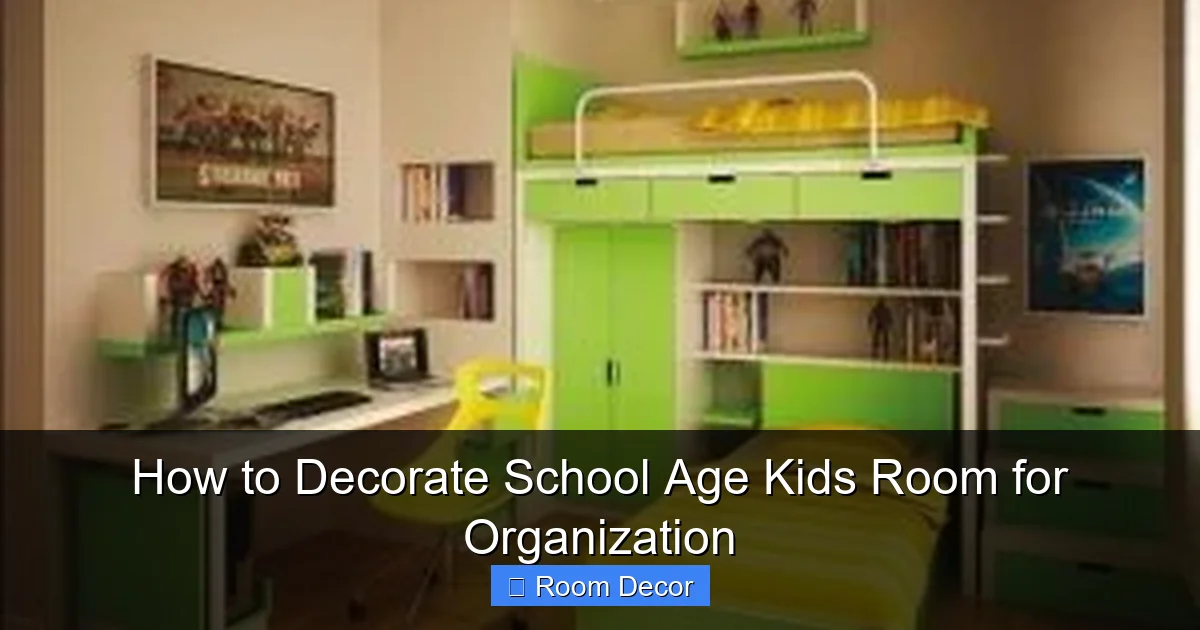
Trundle beds with drawers underneath, captain’s beds, or loft beds with integrated desks and shelving are excellent for maximizing space in smaller rooms. They combine sleeping with valuable storage or study areas.
Desks with Drawers and Shelves
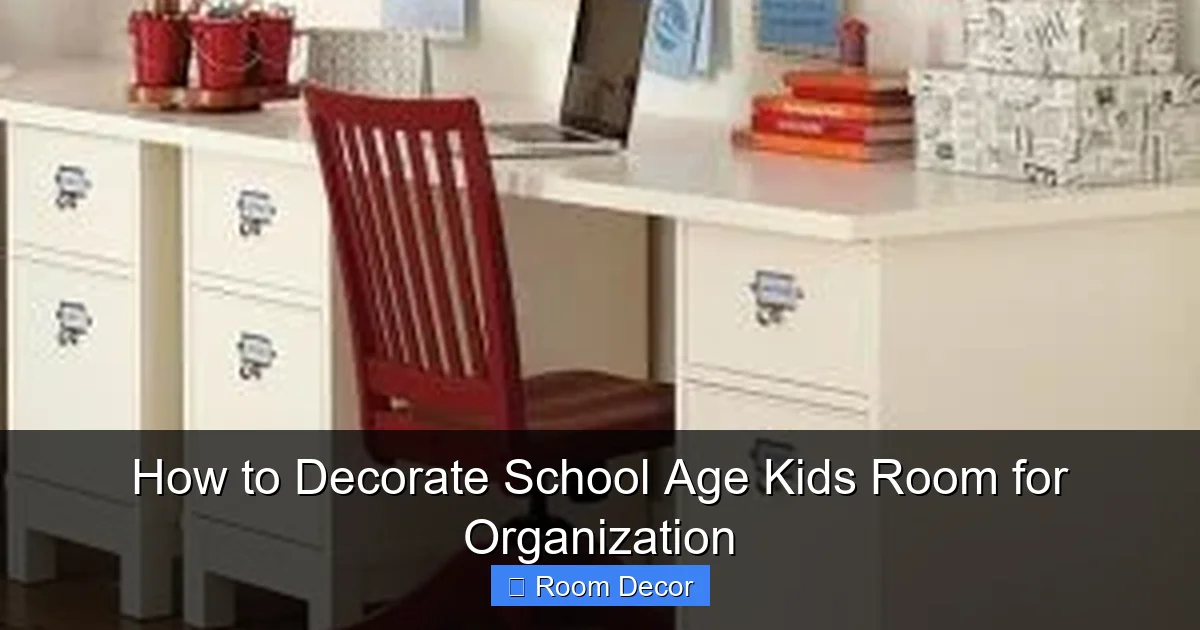
A dedicated desk is crucial for school-age children. Choose one with built-in drawers or shelves to keep school supplies, art materials, and books tidy and within reach. A hutch above the desk can add even more vertical storage.
Dressers and Wardrobes
Select dressers with deep drawers that can hold folded clothes, or a wardrobe with adjustable shelves and hanging space. Consider adding drawer organizers or small bins inside drawers to keep socks, underwear, and accessories sorted.
Bookcases
A sturdy bookcase is a must for school-age kids. Whether it’s a tall unit or a lower, wider one, it provides a home for books, graphic novels, and even some board games. Arrange books by size or color to make them visually appealing and easy to find.
Step 6: Create an Efficient Study Area
An organized study area is paramount for academic success and developing good homework habits. This is a key component when you decorate school age kids room for organization.
Proper Desk and Chair
Invest in a desk that is the right height for your child and a comfortable, ergonomic chair. Ensure there’s enough workspace for books and a laptop if needed. Good posture is important for concentration and preventing discomfort.
School Supplies Organization
Keep pencils, pens, markers, erasers, scissors, and other supplies neatly stored in a desk caddy, small drawers, or labeled containers. Use a magazine file for notebooks and binders. A small tray can hold often-used items like sticky notes or paper clips.
Bulletin Boards and Whiteboards
These are fantastic for keeping track of assignments, displaying artwork, or simply jotting down reminders. A bulletin board allows your child to personalize their space and keep important notes visible without cluttering the desk surface.
Step 7: Tame the Toy Tangle
Toys can quickly become the biggest source of clutter. Effective strategies are needed to decorate school age kids room for organization when it comes to playtime.
Toy Rotation System
If your child has a lot of toys, consider a rotation system. Keep a selection of toys accessible and store the rest in an out-of-the-way closet or basement. Every few weeks, swap out some of the “stored” toys for the “accessible” ones. This keeps things fresh and exciting, and your child won’t feel overwhelmed by too many choices.
Clear Bins for Easy Identification
As mentioned before, clear bins are invaluable for toys like LEGOs, action figures, or craft supplies. Your child can see exactly what’s inside, reducing the need to dump everything out to find one specific item. Label these bins with both words and pictures.
Designated Spots for Everything
Every toy should have a “home.” Blocks in this bin, cars in that basket, dolls on this shelf. When everything has a designated spot, putting things away becomes a straightforward task rather than a guessing game. Practice with your child until they know where everything belongs.
Step 8: Make Maintenance Easy and Fun
The goal isn’t just to organize once, but to create a system that can be easily maintained. Sustaining an organized room is an ongoing process.
Establish Daily Routines
Integrate short tidy-up sessions into your child’s daily routine. For example, “Before bed, put away all toys and put your dirty clothes in the hamper.” Or, “After homework, put all school supplies back in their designated spots.” Consistency is key.
Regular Decluttering Check-ins
Schedule a quick decluttering session once a month or every few months. This is a mini-purge to catch any new clutter that has accumulated. It’s much easier to do a small tidy-up regularly than to face a huge mess once a year.
Lead by Example
Children learn by watching. If your own spaces (kitchen counter, desk, closet) are consistently tidy, your child is more likely to value and practice organization in their own room. Make tidying a natural part of family life.
Troubleshooting Common Organizational Challenges
What if my child resists helping or putting things away?
Make it a game: Set a timer for 5 or 10 minutes and see how much they can put away. Play music.
Positive reinforcement: Praise their efforts, even small ones. “I love how you put all your blocks back in the bin!”
Natural consequences: If they can’t find their favorite toy because the room is messy, that’s a natural consequence. Avoid rescuing them immediately; let them feel the impact of disorganization.
What if we don’t have much space?
Go vertical: Utilize walls, doors, and tall, narrow furniture.
Multi-functional items: A bed with storage, an ottoman that opens, a desk that folds away.
Minimize: Be extra strict with decluttering. The less you have, the less you need to store.
Consider modular furniture: Pieces that can be rearranged or added to as needs change.
How do I deal with sentimental items?
Create a “memory box”: Designate one special bin or box for truly sentimental items. Encourage your child to choose their absolute favorites.
Photograph and discard: For artwork or school papers, take a picture before recycling or donating. Create a digital album of their masterpieces.
Limit quantities: Explain that keeping every single item diminishes the value of the truly special ones.
Conclusion
Learning how to decorate school age kids room for organization is an investment in your child’s development and your family’s peace of mind. By involving your child, decluttering effectively, zoning the room, and implementing smart, accessible storage solutions, you create a foundation for lasting order. Remember, it’s a process, not a one-time event. With consistent effort, clear expectations, and a dash of fun, you can transform your child’s room into a functional, inspiring, and clutter-free space where they can thrive. A tidy room empowers them to take responsibility, find their belongings easily, and enjoy a calm environment conducive to both play and learning.