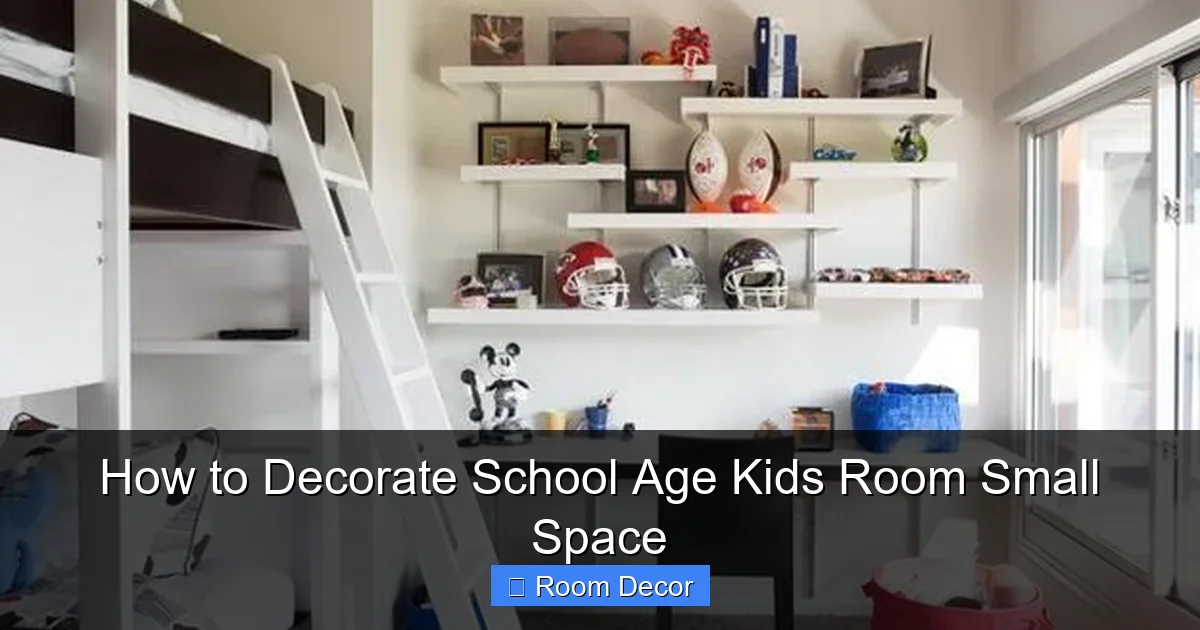
Decorating a small room for a school-age child can be a fun challenge, creating a highly functional and personal sanctuary. This guide empowers you to maximize every inch with clever storage, multi-functional furniture, and smart design choices. Learn to declutter effectively, unlock vertical space, and use color and lighting to make a small space feel expansive and inviting for your child.
How to Decorate School Age Kids Room Small Space
Welcome, parents! Is your child’s small bedroom bursting at the seams with toys, books, and clothes? Decorating a school-age kid’s room, especially with limited space, can feel like a daunting challenge. But fear not! With smart strategies and a touch of creativity, you can transform even the coziest room into a highly functional, organized, and inspiring haven where your child can thrive.
This comprehensive guide will show you exactly how to decorate school age kids room small space effectively. We’ll cover everything from clever decluttering and multi-functional furniture to maximizing vertical storage and using color to create an illusion of spaciousness. Get ready to unlock the full potential of your child’s small room and create a space they’ll love!
Key Takeaways
- Declutter Ruthlessly: Begin by involving your child in a thorough decluttering process to free up essential space, ensuring only cherished and functional items remain.
- Embrace Multi-functional Furniture: Opt for pieces like loft beds with desks, storage ottomans, and beds with built-in drawers to serve multiple purposes and save valuable floor area.
- Utilize Vertical Space: Walls are goldmines! Install shelves, pegboards, wall-mounted desks, and tall, narrow storage units to keep items off the floor and maximize storage.
- Strategize with Zones: Divide the room into clear activity zones (sleep, study, play, storage) to create structure and ensure every corner serves a specific purpose, even in a small footprint.
- Brighten with Color and Light: Use light paint colors and maximize natural and layered artificial lighting to make the room feel larger, airier, and more inviting.
- Personalize Thoughtfully: Incorporate your child’s personality through purposeful decor like framed art, memory boards, and themed textiles, avoiding clutter while adding character.
Step 1: Assess and Declutter Ruthlessly
Before any decorating begins, the most crucial step is to declutter. A small room simply cannot afford to hold onto unnecessary items. Think of this as creating a fresh canvas to decorate school age kids room small space.
Involve Your Child
Make decluttering a shared activity. Explain to your school-age child that organizing their room will make it more fun and functional. Let them help decide what stays and what goes, empowering them in the process and teaching valuable organizing skills.
The “Keep, Donate, Trash” System
Use three simple categories:
- Keep: Items frequently used or deeply cherished.
- Donate/Sell: Good condition items no longer used or outgrown.
- Trash/Recycle: Broken or unusable items.
Be firm but supportive. For sentimental items, consider a special “memory box” to avoid clutter, rather than keeping every single item out.
Maximize Open Space
Once decluttered, you’ll immediately see more floor space. This is valuable. Resist the urge to fill it back up. More open space makes the room feel significantly larger and more inviting, a key aspect when you decorate school age kids room small space. Aim for clear pathways and easily accessible areas.
Step 2: Plan with Purpose: Layout and Zones
With a decluttered room, you now have a clearer picture of your space. The next step in how to decorate school age kids room small space is smart planning. This involves thinking about how your child uses their room and creating distinct zones, even within a tiny footprint.
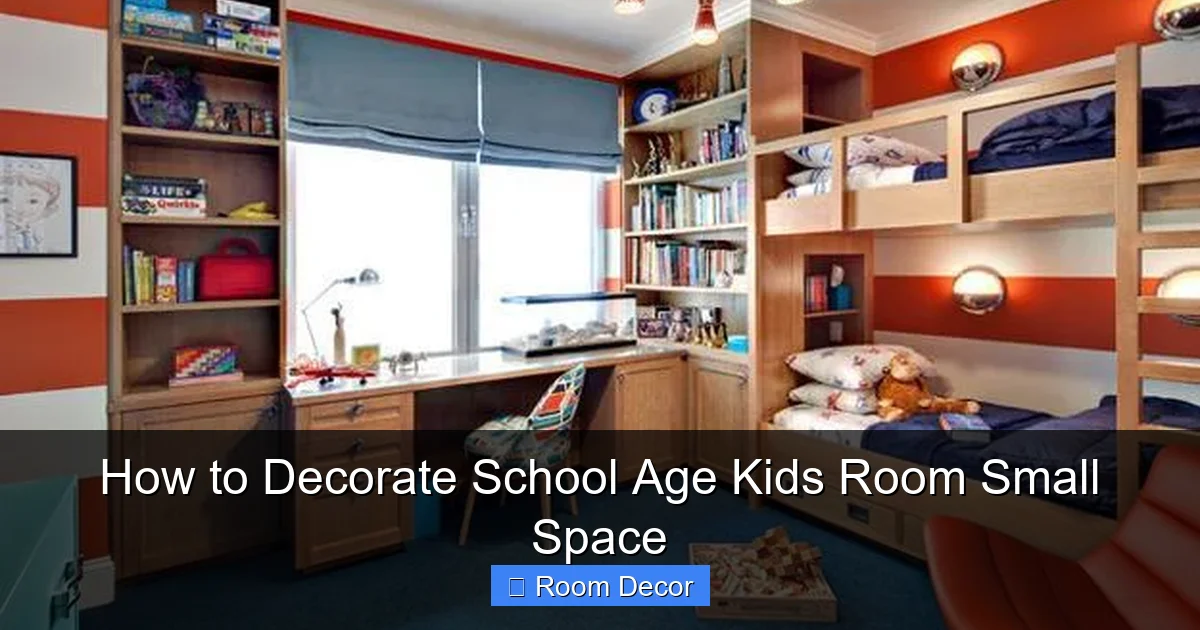
Visual guide about How to Decorate School Age Kids Room Small Space
Image source: lushome.com
Define Activity Zones (Sleep, Study, Play/Storage)
Even small rooms benefit from defined zones. Your child’s room typically needs:
- Sleep Zone: The bed, positioned strategically.
- Study Zone: A quiet spot for homework, reading, or creative tasks.
- Play/Storage Zone: An area for toys, games, and clothes, with easy access.
These zones might overlap, but having a designated purpose for each area prevents clutter and maximizes functionality.
Measure Everything
This is non-negotiable. Measure the room’s dimensions – length, width, and height. Note windows, doors, and outlets. Then, measure any existing furniture you plan to keep, and any new pieces you’re considering. A common pitfall when you decorate school age kids room small space is buying furniture that’s too large, which can overwhelm the room.
Sketch it Out
Grab graph paper or use an online room planner. Draw the room to scale, then add furniture outlines. Experiment with different layouts. This visual exercise helps you see what fits, what blocks pathways, and how each zone can flow without feeling cramped. A well-planned layout can make a small room feel much more spacious and efficient.
Step 3: Choose Multi-functional Furniture Wisely
When you decorate school age kids room small space, every piece of furniture must earn its keep. Multi-functional furniture is your best ally, saving space by performing two or more jobs and reducing the overall number of items in the room.
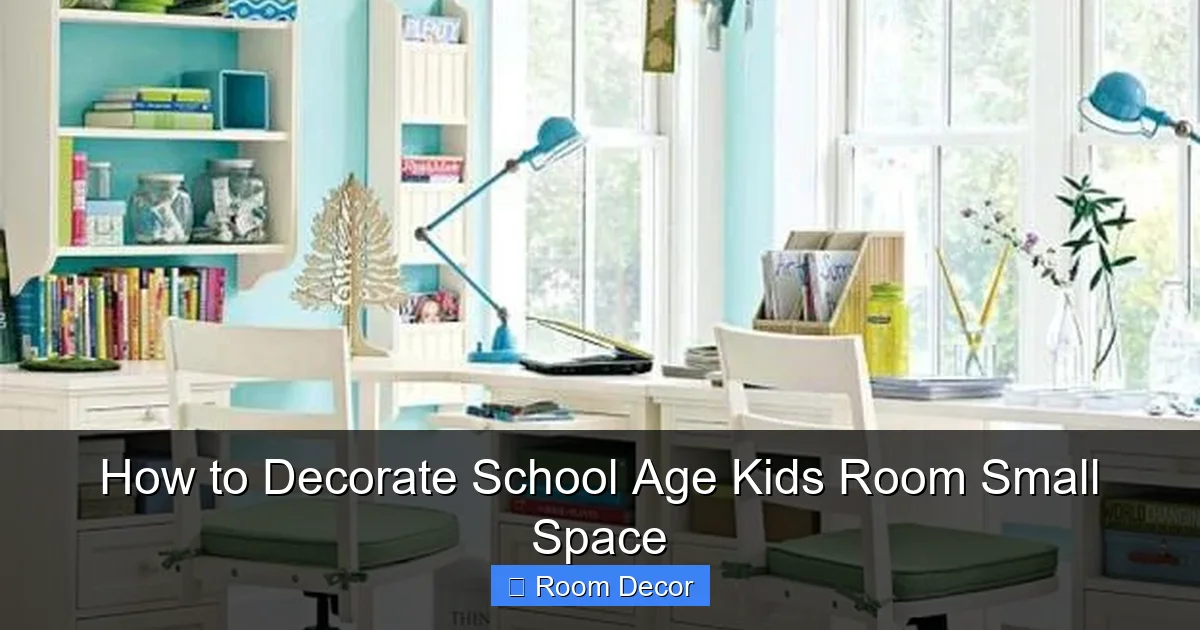
Visual guide about How to Decorate School Age Kids Room Small Space
Image source: lushome.com
Loft Beds & Bunk Beds
These are true space-savers.
- Loft Beds: Elevate the sleeping area, freeing up the entire footprint underneath for a desk, a play nook, or extensive storage with shelves and drawers. It’s like getting an extra room!
- Bunk Beds: Ideal for siblings or frequent sleepovers. Many modern designs also incorporate storage or a pull-out trundle bed, making them perfect for compact shared spaces.
Always check ceiling height for loft beds to ensure enough headroom for comfortable use.
Storage Beds
If a loft bed isn’t an option, a storage bed is excellent. These beds feature built-in drawers underneath the mattress or a hydraulic lift system that reveals a large storage compartment. They are perfect for stashing extra bedding, out-of-season clothes, or a rotating selection of toys, keeping clutter hidden and the room looking tidy.
Desks with Built-in Storage
Avoid bulky, freestanding desks. Instead, look for compact options:
- Integrated Shelving: Desks with shelves above or to the side provide immediate access to books and school supplies.
- Folding Desks: These can fold flat against the wall when not in use, creating instant play space.
- Secretary Desks: Compact desks that close up, hiding away all study materials for a neat appearance.
A wall-mounted floating desk is another fantastic option as it takes up zero floor space.
Ottomans and Benches with Storage
These small, versatile pieces are brilliant. A storage ottoman can serve as extra seating, a footrest, and a bin for toys or books. A storage bench under a window can create a cozy reading nook while hiding away additional items. They add both functionality and comfort when you decorate school age kids room small space.
Foldable and Mobile Furniture
Consider items that are easy to move or put away. A folding desk chair, a small wheeled cart for art supplies (that can be tucked into a closet), or lightweight beanbag chairs offer flexibility, allowing the room to adapt to different activities.
Step 4: Unlock Vertical Space for Storage
When decorating a school-age kid’s room in a small space, remember that the walls are not just for hanging pictures. They are prime real estate for storage! Thinking vertically is one of the most impactful ways to maximize space without encroaching on precious floor area.
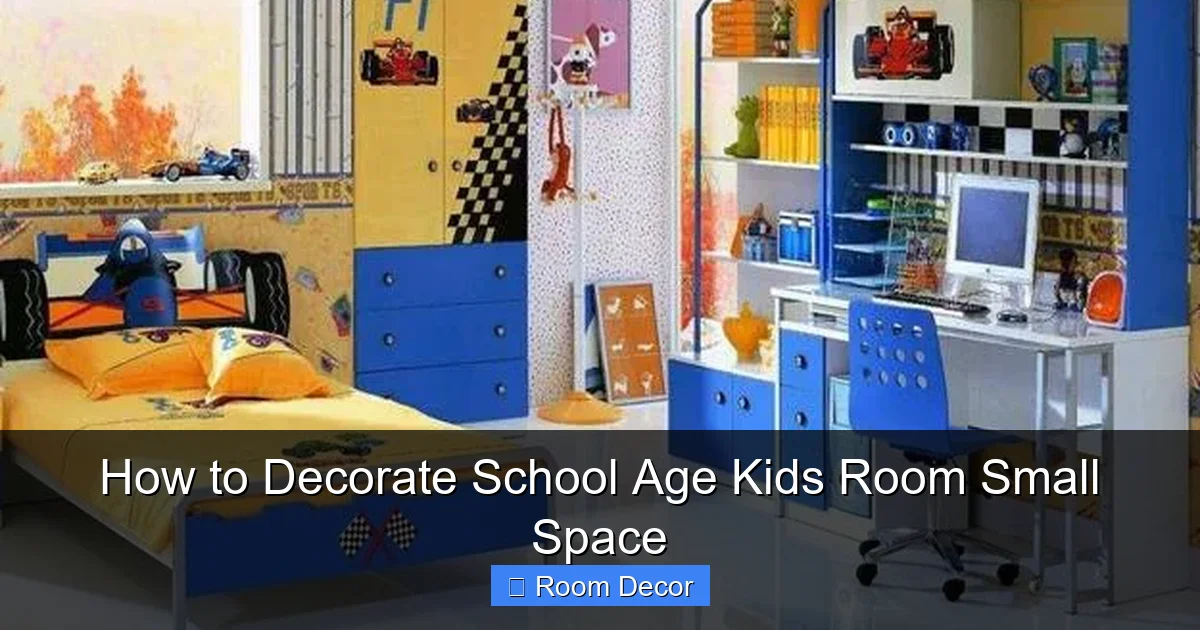
Visual guide about How to Decorate School Age Kids Room Small Space
Image source: lushome.com
Wall-Mounted Shelving
Open shelves are excellent for displaying books, trophies, and small decorative items, keeping them off the floor.
- Floating Shelves: These offer a clean, minimalist look. Install them at varying heights, ensuring some are within your child’s reach.
- Cubby Shelves: Great for organizing smaller collections and preventing a messy appearance.
Always securely anchor shelves to the wall for safety, especially in a child’s room.
Floating Desks
As mentioned, a floating desk attaches directly to the wall, leaving the floor beneath completely clear. This makes cleaning easier and maintains an open feel, which is crucial when you decorate school age kids room small space. Some designs even fold down when not in use, offering ultimate flexibility.
Pegboards and Wall Organizers
A pegboard is incredibly versatile. Customize it with hooks, shelves, and containers to hold art supplies, school items, small toys, or even display collections. They are adaptable and can evolve as your child’s interests change. Fabric wall pockets are another simple option for small items.
Over-the-Door Solutions
Don’t overlook the back of the door! An over-the-door organizer with pockets or hooks can hold shoes, accessories, craft supplies, or plush toys. This is an often-forgotten storage gem that requires no drilling and is easy to install, making the most of unused space.
Tall, Narrow Bookcases
If you have a narrow sliver of wall space, a tall, narrow bookcase provides significant storage without taking up much width. These are perfect for books, board games, and decorative baskets filled with smaller items. Always anchor tall furniture to the wall to prevent tipping, ensuring your child’s safety.
Step 5: Embrace Smart Storage Solutions
Even with multi-functional furniture and vertical storage, you’ll still need smart solutions for the myriad of items a school-age child accumulates. The key to successfully decorating a school age kids room small space is having a designated home for everything.
Under-Bed Storage
Even without a dedicated storage bed, you can utilize this space effectively.
- Rolling Bins: Shallow, wheeled bins fit perfectly under most beds. They’re ideal for seasonal clothes, extra bedding, or larger toys.
- Drawers: Some bed frames allow for drawers to be added underneath.
Look for bins with lids to keep dust out and contents out of sight, maintaining a tidy appearance.
Storage Bins and Baskets
These are essential for any organized kid’s room.
- Labeled Bins: Use clear, stackable plastic bins or attractive fabric baskets. Labeling with words or pictures helps your child know where everything goes, encouraging independent tidying.
- Color-Coded Bins: Assigning a color to different categories (e.g., red for blocks, blue for cars) can simplify organization for younger children.
They’re perfect for toys, craft supplies, and even a designated laundry hamper.
Closet Organization Systems
If your child’s room has a closet, maximize every inch. Standard closets often waste vertical space.
- Adjustable Shelving: Install shelves that can be moved to accommodate varying item sizes.
- Double Hanging Rods: Add a second rod to double the hanging space for smaller clothes.
- Drawer Units: Add a small dresser or stackable drawer units inside the closet for folded clothes and accessories.
A well-organized closet can eliminate the need for a bulky dresser in the main room, freeing up precious floor space.
Toy Rotation
This is a brilliant strategy for small spaces. Instead of having all toys out at once, store a portion of them in another area of the house (a basement, garage, or even a shared family closet). Rotate toys every few weeks or months. This keeps the room less cluttered, makes old toys feel new again, and allows you to curate what is currently available for play. It’s an essential strategy when you need to decorate school age kids room small space for a child with many treasures.
Step 6: Master Color and Lighting for Illusion
Beyond furniture and storage, the aesthetic elements of color and light play a huge role in making a small room feel larger and more welcoming. These are powerful tools when you decorate school age kids room small space.
Light Colors for Walls
Light colors reflect light, making a room feel brighter and more expansive.
- Whites and Off-Whites: Classic choices that provide a clean, airy backdrop.
- Pastels: Soft blues, greens, yellows, or lavenders can add personality without overwhelming the space.
- Monochromatic Schemes: Using different shades of the same light color can create depth without making the room feel busy or cluttered.
Avoid dark or highly saturated colors on all walls, as they tend to absorb light and make a room feel smaller and more enclosed. If your child loves a bold color, consider an accent wall or incorporate it through accessories.
Pops of Color and Personality
While light walls are ideal, you don’t want the room to feel sterile. Introduce pops of vibrant color through:
- Bedding: A colorful duvet cover, throw pillows, or blankets.
- Rugs: A fun, patterned rug can define a play area and add warmth.
- Curtains: Light, airy curtains with a playful pattern.
- Accessories: Lamps, storage bins, or framed art.
This adds energy and reflects your child’s personality without making the small space feel cluttered.
Natural Light
Maximize any natural light available.
- Sheer Curtains: Opt for sheer or light-filtering curtains instead of heavy, opaque drapes that block precious light.
- Blinds: Venetian or roller blinds offer privacy without taking up much visual space.
- Keep Windows Clear: Avoid placing tall furniture directly in front of windows, allowing light to flow freely.
Natural light instantly makes any room, especially a small one, feel more open and cheerful.
Layered Artificial Lighting
Good artificial lighting is essential, especially for a room where multiple activities occur.
- Overhead Light: A bright, general light source for overall illumination.
- Task Lighting: A desk lamp for studying and reading, or a bedside lamp for nighttime stories.
- Accent Lighting: Fun string lights, a nightlight, or a small decorative lamp can add warmth and atmosphere without taking up much space.
Layering light sources prevents harsh shadows and ensures the room is well-lit for all purposes, making it feel more inviting and functional as you decorate school age kids room small space.
Step 7: Personalize with Purposeful Decor
A child’s room should reflect their personality and passions. Even in a small space, you can achieve this without adding clutter. The key is to be selective and integrate personalization thoughtfully.
Art That Inspires
Instead of many small knick-knacks, choose a few impactful pieces of art.
- Large Prints: A single large, colorful print or poster featuring your child’s favorite themes can make a statement.
- Gallery Wall: Create a curated gallery wall with framed photos, your child’s artwork, and small, lightweight decor items. Keep the frames consistent for a cohesive look.
- Chalkboard/Whiteboard Wall: A painted section of the wall or a large board gives your child a creative outlet without taking up floor space.
Rotate artwork periodically to keep things fresh and allow new favorites to shine.
Memory Boards
A cork board, magnetic board, or even a simple wire grid can be a fantastic way for your child to display photos, drawings, awards, or ticket stubs. It keeps these treasured items off surfaces, turning them into dynamic wall decor that changes with their interests. This is an excellent way to personalize when you decorate school age kids room small space.
Themed Decor (Keep it Simple)
If your child has a strong interest (space, dinosaurs, fairies), you can incorporate a theme without overwhelming the room.
- Subtle Touches: Instead of buying every themed item, choose a few key pieces, like themed bedding, a few well-placed accessories, or a related color palette.
Too much themed clutter can quickly make a small room feel suffocating. Remember, less is often more.
Textiles for Comfort and Style
Fabrics add warmth, texture, and color.
- Rugs: A soft rug can define a play area and add comfort underfoot.
- Bedding: Fun patterns or colors can instantly reflect personality.
- Throw Pillows & Blankets: These add a cozy touch and can be easily swapped out to refresh the look.
Choose durable, washable fabrics that stand up to active kids. Textiles are a wonderful way to soften edges and add charm, even in a small room.
Step 8: Maintain Organization and Adaptability
Decorating a school-age kids room in a small space isn’t a one-time event; it’s an ongoing process. Kids grow, their interests change, and their possessions accumulate. Establishing routines and being adaptable are crucial for long-term success.
Establish Routines
Encourage your child to put things away regularly.
- Daily Tidy-Up: A quick 5-10 minute tidy-up before bed can prevent major messes from accumulating.
- “Home” for Everything: Reinforce the idea that every item has a specific place.
Consistency is key. What seems like a chore initially will become a habit over time, making it easier to maintain the room you’ve worked hard to decorate school age kids room small space.
Regular Decluttering
Just like the initial declutter, periodic “purges” are necessary. Set a schedule – perhaps every six months or before birthdays and holidays. Revisit the “Keep, Donate, Trash” system. Encourage your child to participate and make decisions about what they truly need and use. This prevents new items from overwhelming the carefully designed space.
Grow with Your Child
What works for a 6-year-old might not work for a 10-year-old. Be prepared to adapt the room as your child grows.
- Changing Needs: A dedicated play area might evolve into a more robust study zone. Toy storage might be replaced by shelves for books and hobby supplies.
- Flexible Solutions: Choose furniture and storage solutions that can be easily repurposed or adjusted. Modular shelving, for example, can be reconfigured as needs change.
The goal is to create a dynamic space that evolves alongside your child, ensuring it remains functional and cherished through different stages of their school years.
Troubleshooting: Common Small Space Challenges
Even with the best intentions and planning, you might encounter some common hurdles when you decorate school age kids room small space. Here are a few challenges and how to address them.
Too Much Stuff
This is the most frequent culprit!
- Solution: Revisit Step 1: Decluttering. Be even more ruthless. Are there items “just in case” that haven’t been touched in a year?
- Practical Tip: Implement the “one in, one out” rule. When a new toy or item comes in, an old one must go out. This forces thoughtful consideration of new purchases.
- Consider Storage Elsewhere: If truly cherished items can’t fit, consider storing them in a shared family space, rotating them into the room periodically.
Remember, a small room can only hold so much. Prioritize what’s essential and loved.
Cluttered Look Despite Storage
Sometimes, even with smart storage, a room can still feel visually cluttered.
- Solution: Focus on visual calm. Opt for closed storage (drawers, cabinets with doors) over open shelving where possible.
- Practical Tip: Use consistent storage bins and baskets. A mix of mismatched containers can contribute to visual chaos. Choose bins that are all the same color or style for a cohesive look.
- Clear Surfaces: Aim to keep surfaces (desk, bedside table) as clear as possible. Designate only one or two special items for display, rather than having many small things scattered about.
A tidy appearance is half the battle when trying to decorate school age kids room small space effectively.
Lack of Natural Light
Some small rooms simply don’t get much sunlight.
- Solution: Amplify what little light there is, and compensate with artificial light.
- Practical Tip: Install a mirror strategically on a wall opposite the window (or near it) to reflect light around the room. Mirrors not only bounce light but also create an illusion of depth, making the room feel larger.
- Lighting Strategy: Ensure you have multiple sources of artificial light – overhead, task, and ambient – to brighten every corner. Use light-colored walls and sheer curtains to help reflect any available light.
Even without direct sunlight, a well-lit room feels more open and inviting.
Conclusion
Decorating a school-age kids room in a small space truly is an art form, blending practicality with personality. By embracing the principles outlined in this guide – ruthless decluttering, strategic planning, clever furniture choices, vertical storage, smart organization, and thoughtful use of color and light – you can create a room that is not only functional and organized but also a joyful and inspiring haven for your child.
Remember, the goal isn’t just to fit everything in; it’s to create a space where your child feels comfortable, supported, and free to grow. Involve them in the process, celebrate their input, and watch as their small room transforms into a magnificent space that reflects their unique spirit. You now have all the tools to successfully decorate school age kids room small space. Happy decorating!