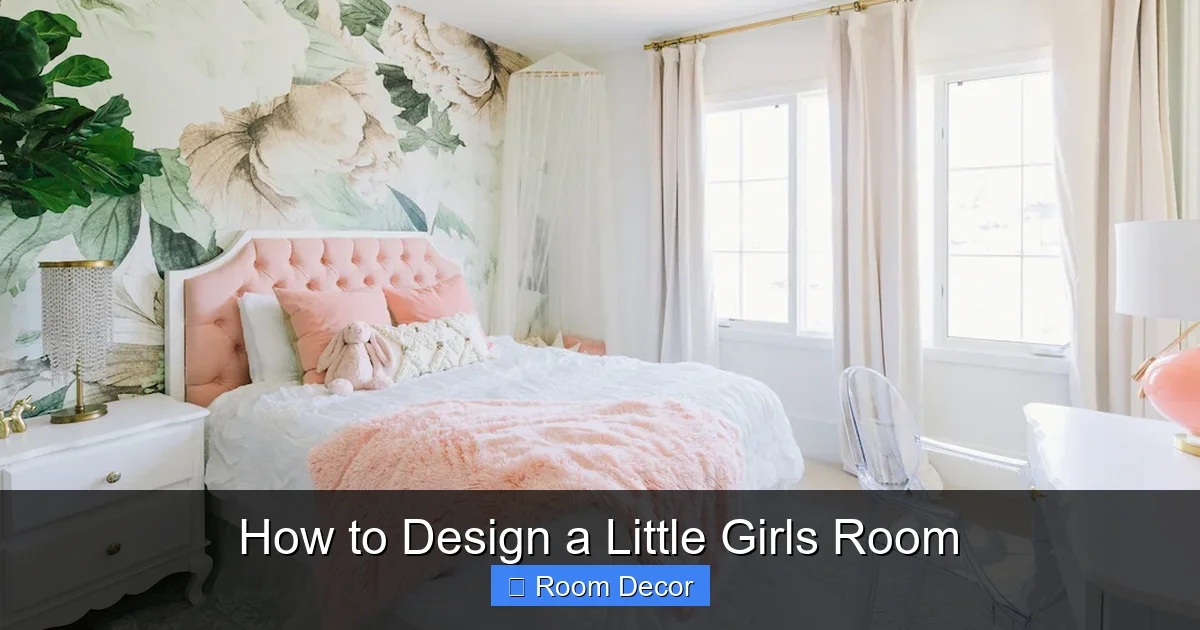
Designing a little girl’s room can be fun and simple when you follow a clear plan. This guide walks you through choosing a theme, picking colors, arranging furniture, and adding smart storage and decor. By the end, you’ll know how to design a little girl’s room that looks adorable, stays organized, and can grow with her over time.
Key Takeaways
- Plan before you buy: Measure the room, set a budget, and choose a theme and color palette first.
- Focus on safety and comfort: Pick sturdy, low furniture, soft lighting, and non-toxic materials.
- Create zones: Design separate areas for sleeping, playing, reading, and storage to keep the room organized.
- Use smart storage: Bins, baskets, under-bed drawers, and labeled containers help control clutter.
- Let her personality shine: Add decor that reflects her interests with art, bedding, and accessories.
- Plan for growth: Choose flexible furniture and decor so the room can change as she gets older.
- Keep it simple: A little girl’s room works best when it is easy to clean, easy to use, and not overcrowded.
Introduction: Why Designing a Little Girl’s Room Matters
Knowing how to design a little girl’s room can turn a plain space into a cozy, happy place she loves. Her room is more than four walls. It is where she sleeps, plays, reads, and dreams. A well-designed room can support her growth, creativity, and sense of comfort.
In this guide, you will learn how to design a little girl’s room step by step. We will cover planning, themes, colors, furniture, storage, decor, and safety. You will see how to design a little girl’s room that looks beautiful, stays practical, and can grow with her over time.
Step 1: Plan the Space Before You Start
Before you buy anything, take time to plan. Good planning makes the rest of the process much easier. It also helps you avoid costly mistakes.
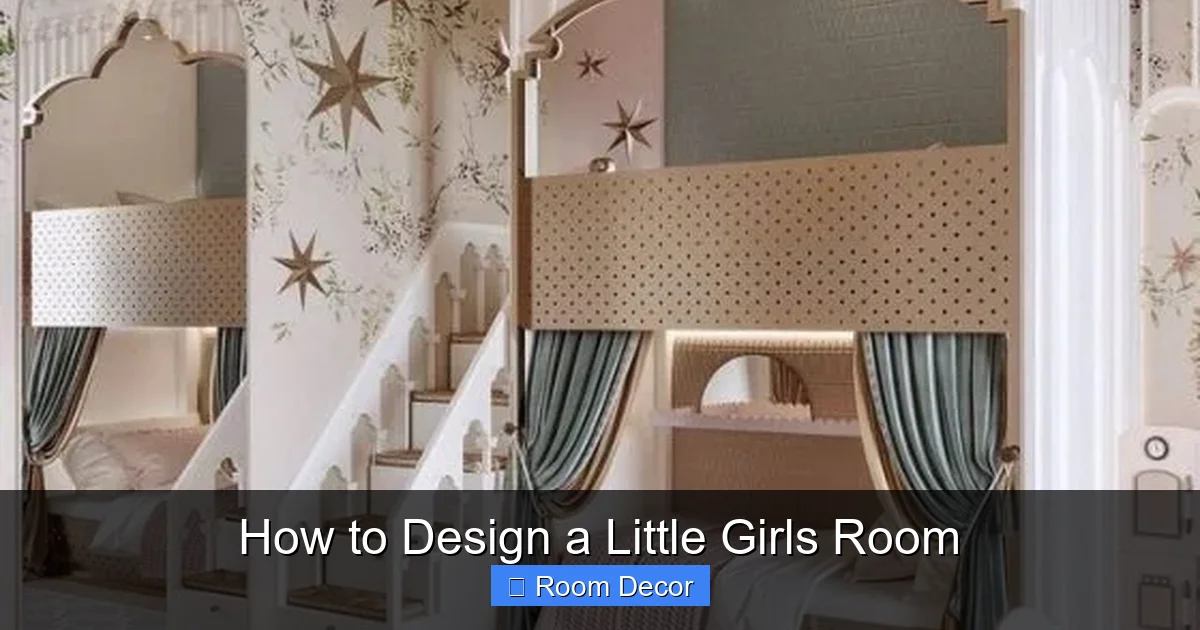
Visual guide about How to Design a Little Girls Room
Image source: blog.circu.net
Measure the Room
To design a little girl’s room well, you need accurate measurements. Use a tape measure and write everything down.
- Measure the length and width of the room.
- Measure the height of the walls.
- Note the position of windows, doors, heaters, and outlets.
- Take photos so you can refer back to the space later.
When you know the exact size, you can decide where to place the bed, dresser, and play area without guessing.
Set a Realistic Budget
When you plan how to design a little girl’s room, a budget keeps you focused. Decide how much you can spend overall. Then break it into categories.
- Furniture: bed, dresser, nightstand, shelves.
- Decor: rugs, curtains, wall art, lighting.
- Storage: bins, baskets, closet systems.
- Paint or wallpaper: walls and possible accent wall.
Leave a small part of your budget for last-minute items, like extra storage or a special piece of decor she falls in love with.
Involve Your Little Girl (At Her Level)
To truly design a little girl’s room that she will love, include her in the process. Ask simple questions she can answer.
- What are your favorite colors?
- Do you like flowers, animals, stars, or something else?
- What is your favorite character or story?
Give her choices you already approve of. For example, “Do you like pink and white, or lavender and mint?” This lets her feel included without losing control of the design.
Step 2: Choose a Theme and Color Palette
The next part of how to design a little girl’s room is choosing a theme and colors. This step guides every other choice, from bedding to wall art.
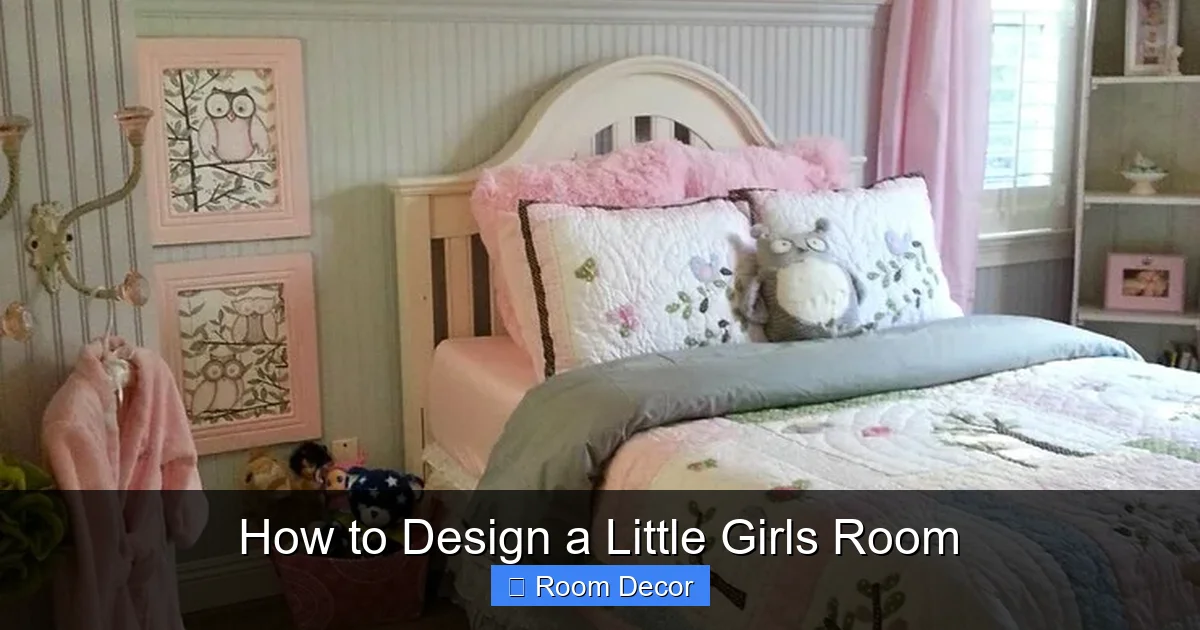
Visual guide about How to Design a Little Girls Room
Image source: st.hzcdn.com
Pick a Flexible Theme
Themes help tie the room together, but they do not have to be strict. You can keep it simple. Here are some ideas:
- Nature theme: flowers, butterflies, birds, soft greens and pinks.
- Fairy tale theme: castles, crowns, stars, soft pastels, and gold accents.
- Animal theme: bunnies, kittens, woodland creatures, warm neutrals.
- Color-based theme: focus on two or three colors she loves, like pink, white, and gold.
When you design a little girl’s room, avoid themes that are too narrow or trendy. Instead of a very specific character, try a broader idea that can grow with her.
Create a Simple Color Palette
Color has a big impact on mood. To design a little girl’s room that feels calm and happy, use a simple palette.
- Base color: a soft neutral like white, cream, light gray, or pale beige.
- Main color: her favorite shade, like blush pink, lavender, mint, or sky blue.
- Accent color: a fun pop, such as gold, coral, teal, or navy.
Use the base color on the walls or large furniture. Add the main color in bedding, curtains, or rugs. Use the accent color in pillows, art, and small decor. This approach makes it easy to update the room later by swapping out a few pieces.
Decide on Paint or Wallpaper
When you design a little girl’s room, the walls set the tone. You can use paint, wallpaper, or a mix of both.
- Paint: simple, affordable, easy to change. Choose washable, low-VOC paint for safety.
- Wallpaper: adds pattern and interest. Peel-and-stick options are great if you want flexibility.
- Accent wall: paint or wallpaper one wall behind the bed to create a focal point without overwhelming the space.
Keep patterns soft and not too busy so the room still feels calm and restful.
Step 3: Plan the Layout and Zones
A key part of how to design a little girl’s room is the layout. You want the room to feel open and easy to use. Think in zones: sleep, play, read, and store.
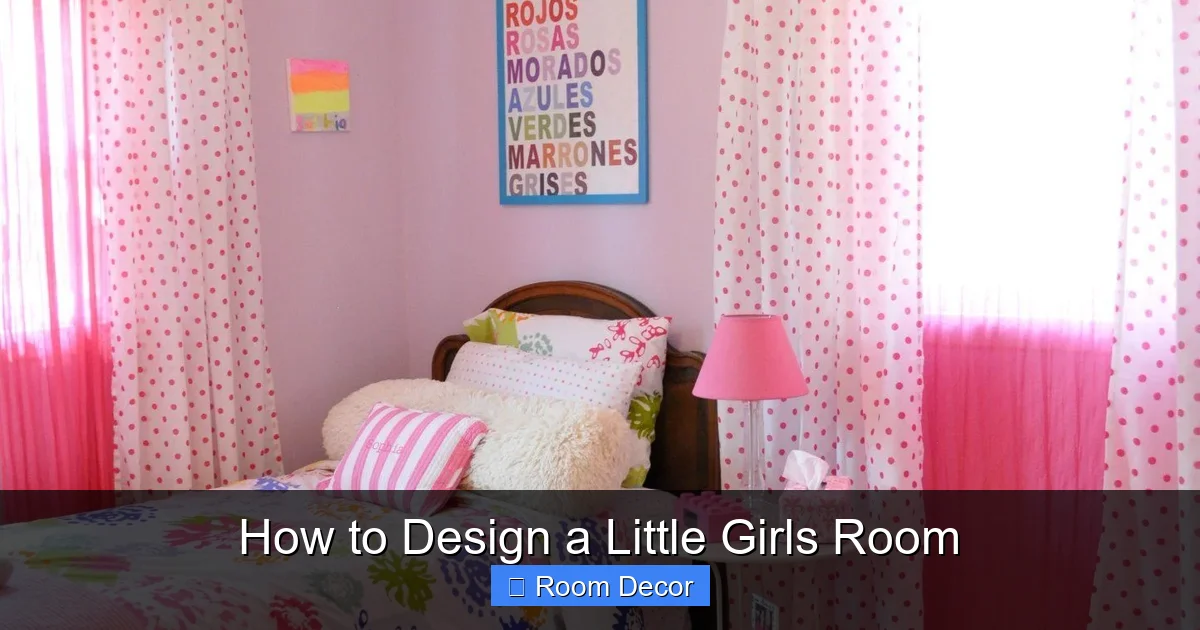
Visual guide about How to Design a Little Girls Room
Image source: i.pinimg.com
Choose the Best Spot for the Bed
The bed is usually the largest piece of furniture. Its placement shapes the room.
- Place the bed against a solid wall, not blocking windows or doors.
- Keep it away from heaters, radiators, or drafty windows.
- If possible, place the bed so she can see the door from her pillow, which often makes kids feel safer.
If the room is small, consider a daybed or a bed with storage drawers underneath to save space.
Create a Play Zone
To design a little girl’s room that supports play, set aside a clear area on the floor.
- Add a soft rug where she can sit and play with toys.
- Place low shelves or bins nearby so she can reach her toys easily.
- Keep this area away from the door to avoid tripping hazards.
In a small room, the play zone can be at the foot of the bed or in a corner with a cozy rug and a basket of toys.
Add a Reading or Quiet Corner
Even young kids enjoy a special spot to look at books or relax. When you design a little girl’s room, a reading nook adds charm and calm.
- Use a small armchair, floor cushions, or a bean bag.
- Add a low bookshelf or book ledges on the wall.
- Include a soft lamp or string lights for gentle lighting.
This corner can be simple but still feel magical with a small canopy or wall decals above the seat.
Plan Storage Zones
Good storage is vital when you design a little girl’s room. It keeps the room neat and makes clean-up easier.
- Closet: use double hanging rods and small hangers for her clothes.
- Under-bed storage: use rolling bins or drawers for off-season clothes or extra bedding.
- Open shelves: display favorite toys, books, and decor.
- Closed bins and baskets: hide clutter like blocks, dolls, and art supplies.
Label bins with words or pictures so she can learn where things go and help put them away.
Step 4: Choose Safe and Practical Furniture
When you learn how to design a little girl’s room, safety should always come first. Choose sturdy, child-friendly furniture that will last.
Select the Right Bed
The bed should match her age and needs.
- Toddler bed: low to the ground, good for transitioning from a crib.
- Twin bed: works for many years and is a smart long-term choice.
- Bed with storage: built-in drawers help in small rooms.
Use a good-quality mattress and a waterproof cover. Add a bed rail if she is young and still moves a lot in her sleep.
Pick a Dresser and Nightstand
To design a little girl’s room that is both cute and functional, choose a dresser and nightstand that fit the space.
- Make sure the dresser is not too tall and can be anchored to the wall to prevent tipping.
- Choose a nightstand with at least one drawer or shelf for books, a small toy, and a nightlight.
- Look for rounded corners to reduce the risk of bumps and bruises.
Consider a Desk or Activity Table
If she is preschool age or older, a small table or desk can be very useful.
- Use it for drawing, puzzles, and later for homework.
- Pair it with a sturdy chair that is the right height.
- Add a small caddy or drawer unit for crayons, paper, and craft supplies.
When you design a little girl’s room with a desk, keep it near natural light if possible, but not directly in front of a bright window that may cause glare.
Step 5: Add Smart Storage Solutions
Knowing how to design a little girl’s room means knowing how to manage clutter. Kids have many small items, so storage must be simple and clear.
Use Bins, Baskets, and Boxes
Open bins and baskets are perfect for quick clean-up.
- Use larger baskets for stuffed animals and larger toys.
- Use smaller bins for blocks, dolls, cars, and art supplies.
- Choose light containers that she can lift herself.
To design a little girl’s room that stays tidy, keep storage at her height. This encourages independence and makes clean-up part of her routine.
Maximize Closet Space
Even a small closet can hold a lot if it is set up well.
- Add a second low hanging rod for her clothes.
- Use hanging organizers for shoes, accessories, or small toys.
- Place labeled bins on the closet floor for seasonal items.
Store rarely used items up high and everyday items within easy reach.
Use Vertical Space
When you design a little girl’s room, do not forget the walls.
- Install wall shelves for books and decor.
- Use hooks for bags, hats, and dress-up clothes.
- Add a pegboard or rail with hooks for art supplies or hair accessories.
Keep heavy items low and light items higher up to keep the room safe.
Step 6: Layer Lighting for a Cozy Feel
Lighting is often overlooked when people think about how to design a little girl’s room. But light can change the whole mood.
Use Three Types of Lighting
A well-lit room usually has three layers of light.
- Overhead light: ceiling light or chandelier for general lighting.
- Task light: lamp on the nightstand or desk for reading and crafts.
- Accent light: string lights, a soft nightlight, or a small lamp for a cozy glow.
Choose warm white bulbs, not harsh blue light, to create a calm, relaxing space.
Add a Nightlight
Many little kids feel safer with a nightlight. To design a little girl’s room that feels secure at night, pick a soft, warm nightlight.
- Place it near the door or outlet, but not shining directly into her eyes.
- Choose a low-lumen bulb so the room is not too bright.
- Consider a nightlight with a timer if you want it to turn off automatically.
Step 7: Personalize with Decor and Textiles
Now comes the fun part of how to design a little girl’s room: adding decor, textiles, and personal touches that show off her personality.
Choose Bedding and Textiles
Bedding, curtains, rugs, and pillows add color and softness.
- Pick bedding that fits your theme and color palette.
- Use washable materials, since spills and accidents happen.
- Add a soft rug by the bed and in the play area.
- Use blackout curtains if she is sensitive to light at nap time or bedtime.
Textiles are easy to change, so they are a great way to update the room as she grows.
Decorate the Walls
Wall decor brings the theme to life. When you design a little girl’s room, keep wall art fun but not overwhelming.
- Use framed prints of animals, flowers, or inspiring words.
- Add removable wall decals that can be changed as her interests change.
- Create a gallery wall with her own artwork.
- Hang a small mirror at her height so she can see herself.
Add Special Touches
Small details can make the room feel truly hers.
- Use a name sign or initial letters on the wall.
- Add a dress-up corner with a mirror and hooks for costumes.
- Include a memory box or shelf for favorite treasures and keepsakes.
- Place a soft toy or doll on the bed as a comforting friend.
When you design a little girl’s room with these touches, it feels magical and personal without being cluttered.
Step 8: Focus on Safety and Easy Maintenance
Safety and ease of cleaning are key parts of how to design a little girl’s room that works in real life.
Safety Checklist
Go through the room and check for possible hazards.
- Anchor dressers, shelves, and tall furniture to the wall.
- Use outlet covers on unused electrical sockets.
- Keep cords from blinds and lamps out of reach.
- Choose non-slip rug pads under area rugs.
- Avoid glass decor within her reach.
Make Cleaning Simple
To design a little girl’s room that stays neat, make cleaning easy.
- Choose washable paint and wipeable surfaces.
- Use machine-washable bedding, curtains, and rugs.
- Keep a small laundry basket in the room.
- Teach simple routines, like putting toys in bins before bedtime.
The simpler the system, the more likely it is to work every day.
Troubleshooting Common Design Challenges
Even when you know how to design a little girl’s room, you may face some common problems. Here are quick solutions.
Small Room
If the room is small, use space-saving ideas.
- Choose a bed with storage drawers or a loft bed for older kids.
- Use wall shelves instead of bulky bookcases.
- Pick a light color palette to make the space feel larger.
- Keep furniture legs visible to create a more open look.
Shared Room
Designing a shared little girls’ room or a mixed sibling room needs balance.
- Use neutral walls and give each child their own bedding and decor color.
- Create separate storage areas for each child’s things.
- Use a room divider, rug, or headboards to define personal spaces.
Too Many Toys
Clutter is a common challenge when you design a little girl’s room.
- Rotate toys: keep some in storage and swap them out every few weeks.
- Limit how many toys stay in the bedroom; move extras to a playroom if possible.
- Use one or two large toy bins for quick clean-up.
Conclusion: Bringing It All Together
Learning how to design a little girl’s room is about more than making it pretty. It is about creating a safe, cozy, and joyful space that fits her needs and personality. By planning the layout, choosing a flexible theme and color palette, picking safe furniture, and adding smart storage and personal decor, you can build a room that she will love for years.
Start with a simple plan, involve her in small choices, and remember that the room can grow and change over time. When you design a little girl’s room with care and intention, you give her a special place to rest, play, and dream every single day.