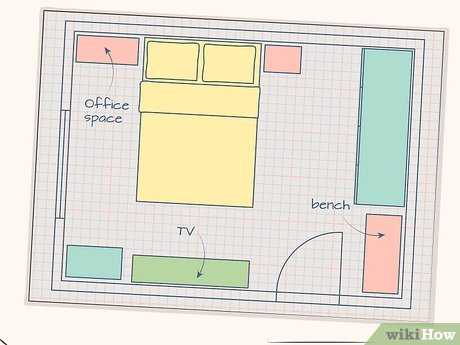
To maximize space in a small bedroom and fit your dresser comfortably, opt for multi-functional furniture, choose slim or tall designs, and organize efficiently. Carefully measuring your space and selecting furniture that complements the room’s layout can make a big difference. With some strategic planning, you can create a functional and cozy bedroom without sacrificing style or comfort.
In small bedrooms, fitting a dresser can seem challenging, but with smart choices and a bit of creativity, it’s completely doable. The key is to select pieces that are appropriately scaled, utilize vertical space, and keep the room organized to prevent clutter. This approach ensures you get the storage you need without overwhelming the space, creating a more open and inviting atmosphere.
Living in a small bedroom doesn’t mean you have to sacrifice storage or style. When space is limited, every inch matters, so choosing the right dresser is essential. From selecting slim profiles to utilizing vertical space with tall dressers, small adjustments can make a significant impact. Efficient organization and thoughtful placement will help your bedroom feel more spacious, comfortable, and personalized. Remember, the goal is to optimize what you have while maintaining a harmonious and functional environment.

How to Fit a Dresser in a Small Bedroom
Living in a small bedroom means space is a precious commodity. Finding ways to fit a dresser without cluttering the room can be tricky but not impossible. The right approach involves careful planning, smart choices, and clever arrangements.
Assess Your Bedroom Space Carefully
Start by measuring your entire bedroom. Use a tape measure to note the length, width, and height of the room. Knowing these dimensions helps you choose a dresser that fits comfortably without blocking windows or doors.
Identify all the key areas where furniture is placed. Mark these spots with painter’s tape to visualize how a new dresser will fit and how it affects movement around the room.
Choosing the Right Dresser Size and Style
Measure Your Available Space
Focus on selecting a dresser that fits within your measured space. A good rule is to leave at least 18 inches of clearance in front of the dresser for easy access.
Opt for narrow or compact dressers that are designed specifically for small bedrooms. These often have fewer drawers but are more space-efficient.
Select a Slim or Vertical Dresser
Vertical dressers have a smaller footprint horizontally but offer ample storage vertically. They are perfect for small rooms since they maximize height without taking up much floor space.
Look for options like tallboy dressers or wardrobes with multiple drawers or shelves that can be placed against a wall.
Smart Arrangement and Placement Tips
Utilize Corners Effectively
Corners are often underused areas in bedrooms. Placing a corner dresser can free up more wall space for other furniture or decor.
Ensure the dresser does not block access to windows or doors, maintaining proper flow and ventilation.
Consider Under-Bed Storage
If space is extremely limited, think about combining a dresser with under-bed storage. Use storage boxes or drawers that slide under the bed to save space.
This reduces the need for a large dresser and helps keep your room neat and organized.
Use Wall Space for Additional Storage
Install wall-mounted shelves or hooks to hold accessories, reducing the need for a large dresser.
This creates more ground space and makes your room feel less crowded.
Functional Furniture Choices and Alternatives
Opt for Multi-Functional Furniture
Choose furniture pieces that serve more than one purpose. For example, a bed with built-in drawers or a bench that doubles as storage can save space.
Look for dressers with mirror surfaces or hidden compartments to maximize utility.
Consider Floating Dressers or Wall-Mounted Options
Floating dressers attach directly to walls, giving a modern look while saving floor space. They are easy to clean around and can be positioned at different heights.
This approach works well in rooms where floor space is limited or where you want a minimalist aesthetic.
Maximize Storage Efficiency
Organize with Inserts and Dividers
- Use drawer dividers to keep clothing sorted and easily accessible.
- Install hanging organizers inside drawers to maximize space.
Declutter Regularly
Eliminate items that are no longer needed to keep the space open and prevent overcrowding.
Implement a simple routine to assess and reorganize your dresser weekly or monthly.
Use Light and Color to Make the Room Appear Larger
Choose Light Colors for Furniture and Walls
Light colors reflect more light, making the room look larger and more open. Opt for pastel or neutral shades for your dresser and walls.
Incorporate Mirrored Surfaces
MIRRORS create an illusion of depth, making the space seem bigger. Consider a dresser with a mirror or add a standalone mirror nearby.
Additional Tips for Small Bedroom Dresser Setup
Maintain Clear Pathways
Avoid placing the dresser in a way that blocks access to doors or switches. Keep pathways at least 24 inches wide for easy movement.
Use Vertical Space Wisely
Install shelves or hooks above the dresser for accessories, scarves, or jewelry. This keeps surfaces clear and organized.
Regularly Review Your Layout
Small changes in arrangement can significantly improve space use. Don’t hesitate to experiment with different placements until you find what works best.
Summary of Key Strategies for Fitting a Dresser in a Small Bedroom
| Tip | Description |
|---|---|
| Measure Precisely | Knowing exact dimensions prevents choosing furniture that is too big or awkwardly placed. |
| Select Space-Saving Designs | Opt for slim, tall, and wall-mounted dressers to maximize your limited space. |
| Smart Placement | Use corners and under-bed space effectively for storage solutions. |
| Multi-Functional Furniture | Choose pieces with multiple uses to reduce clutter and save space. |
| Opt for Light Colors and Mirrors | Make your room feel larger and brighter by reflecting light and opening visual space. |
| Declutter and Organize | Keep only essentials and use organizers to maintain neatness and efficiency. |
Fitting a dresser into a small bedroom requires a mix of careful measurement, thoughtful furniture choices, and creative arrangements. By focusing on space-saving designs and maximizing vertical and under-bed storage, you can create a functional and comfortable bedroom that feels larger and more organized. Remember, small spaces can be stylish and practical with the right strategies!
Many ways to furnish a 3mx3m room! #smallspace #fengshui #bedroom #dorm #smallapartment #tinyhouse
Frequently Asked Questions
What are effective ways to organize space around a dresser in a small room?
To maximize space, place the dresser against a wall that doesn’t block windows or doorways. Use vertical storage solutions like shelves above the dresser for additional storage, and keep the area around it clear to prevent the room from feeling cluttered. Choosing a slim or tall dresser helps free up floor space for other furniture or movement.
How can I ensure my dresser fits without obstructing natural light or walkways?
Measure the available space carefully before selecting a dresser. Position it in a corner or along a wall that doesn’t block windows or access points. Opt for a narrower or medium-sized dresser, and consider placing it parallel to the room’s longest wall to optimize flow and light distribution.
What furniture arrangements help make a small bedroom feel more spacious with a dresser installed?
Arrange furniture to allow for open pathways and avoid clutter. Place the dresser against a wall opposite or adjacent to the bed, and keep other large pieces minimal. Using multi-functional furniture and maintaining clear walkways will make the room appear larger and more comfortable.
Are there specific types of dressers that work better in small bedrooms?
Yes, choosing a vertical or tall dresser can save floor space while providing ample storage. Also, consider dressers with a mirror or sleek design to avoid overwhelming the room. Multi-drawer units that combine different storage needs into one piece help reduce the number of furniture items needed.
How can I modify my existing space to better accommodate a dresser?
Rearrange existing furniture to create more open space for the dresser. Remove or relocate items that block pathways or reduce room dimensions. Additionally, consider built-in or custom furniture options to utilize space more efficiently and free up valuable floor area.
Final Thoughts
Fitting a dresser in a small bedroom requires strategic planning and careful measurement. Opt for a slim, multi-functional piece that maximizes vertical space. Consider placing the dresser against a wall with minimal foot traffic to save space.
Using under-utilized areas, like corners or beneath windows, can optimize room layout. Clear clutter and keep surfaces simple to create a feeling of openness.
How to fit a dresser in a small bedroom involves balancing functionality with space constraints. Focus on smart placement and compact designs to make the most of your limited area.