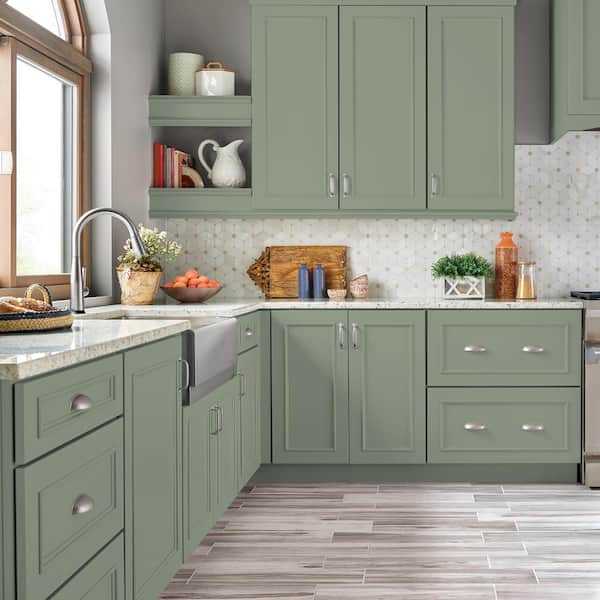
Start by thoroughly preparing your cabinets—cleaning, sanding, and priming for a smooth, long-lasting finish. Use high-quality paint and a good brush or roller to achieve an even coat of sage green that brings a fresh, calming vibe to your kitchen. Applying multiple thin layers and proper sealing will give your cabinets a beautiful, durable look.
Painting your kitchen cabinets sage green is a straightforward way to refresh your space with a subtle, soothing color. Begin by cleaning and sanding the surfaces to ensure paint adhesion. Priming helps the paint stick better and enhances the color’s vibrancy. Choose a high-quality interior paint in sage green and apply it carefully with a brush or roller, using thin coats for an even finish. Don’t forget to seal the paint with a clear topcoat for added durability. With patience and attention to detail, you’ll have beautifully transformed cabinets that brighten your kitchen with a touch of nature-inspired elegance.

How to paint kitchen cabinets sage green
Painting your kitchen cabinets sage green can refresh your space with a soft, calming touch. The process involves careful preparation, choosing the right materials, and executing each step with patience. Properly painted cabinets will look stunning and last for years.
Understanding the beauty of sage green for kitchen cabinets
Sage green is a muted, earthy color that adds warmth and serenity to any kitchen. It pairs well with both modern and traditional styles and complements many other colors. Choosing this color can instantly brighten your space while maintaining a cozy feel.
Selecting the right shade of sage green
There are many shades of sage green available. Consider your kitchen’s lighting and existing decor before selecting a hue. Test samples on your cabinets or nearby walls to see how they look in different lighting conditions.
Gathering the necessary supplies
Before starting your project, gather all needed tools and materials. These include:
- High-quality primer suitable for cabinets
- Sage green paint (preferably semi-gloss or satin finish)
- Paintbrushes in various sizes
- Foam rollers for smooth finishes
- Paint sprayer (optional for a professional look)
- Sandpaper (medium and fine grit)
- Tack cloth or microfiber cloth
- Painter’s tape
- Drop cloths or plastic sheets
- Clear protective topcoat or sealant
Preparing your kitchen cabinets before painting
Cleaning thoroughly
Start by removing all cabinet doors and hardware. Clean surfaces with a degreasing cleaner or a mix of dish soap and water. This removes grease and grime that can prevent paint from adhering properly.
Sanding surfaces
Sanding helps create a smooth base for paint. Use medium grit sandpaper to roughen the surface, then finish with fine grit for a polished look. Focus on edges and raised details for better paint adhesion.
Removing dust and debris
Use a tack cloth or microfiber cloth to wipe away all dust after sanding. Clear surfaces ensure the paint goes on smoothly and evenly.
Priming your cabinets for optimal results
Choosing the right primer
Select a primer that is compatible with your cabinet material and suitable for the type of paint you’ll use. A bonding primer works best for glossy or previously painted surfaces.
Applying the primer
Use a brush or roller to apply a thin, even coat of primer to all surfaces. Pay attention to edges and corners. Allow the primer to dry completely as per manufacturer instructions before moving on.
Painting your cabinets sage green: step-by-step guide
Applying the first coat of paint
Start with a small section to test your technique. Use a high-quality brush for edges and a roller for flat surfaces. Apply the paint in long, even strokes to avoid streaks. Allow each coat to dry fully.
Using a paint sprayer for a smooth finish
If you have access to a paint sprayer, it can provide a professional look with even coverage. Follow the manufacturer’s instructions for mixing and spraying. Keep the sprayer at a consistent distance for a uniform finish.
Applying additional coats
Usually, two to three coats are necessary for full coverage and vibrant color. Lightly sand between coats with fine grit sandpaper to enhance adhesion and smoothness. Wipe away dust before applying the next layer.
Finishing touches for your sage green cabinets
Sealing with a protective topcoat
Once your final coat of paint dries, apply a clear sealant or topcoat. Choose a finish that matches your lifestyle—satin or semi-gloss is often ideal for kitchens. It helps protect against moisture, stains, and scratches.
Reinstalling hardware and doors
After the sealant cures, reattach all hardware and cabinet doors. Touch up any minor imperfections with a small brush. Make sure everything is aligned properly for a polished look.
Tips for maintaining your painted sage green cabinets
Wipe down cabinets regularly with a soft cloth and mild cleaner. Avoid abrasive scrubbers that can damage the paint surface. When cleaning spills, do so promptly to prevent stains.
Final advice and common mistakes to avoid
Take your time during each step for the best results. Rushing can cause uneven coverage or drips. Always work in a well-ventilated area and wear protective gear to prevent inhalation of fumes. Remember, patience is key to achieving kitchen cabinets that look stunning and last long.
Related topics to explore
- Best types of paint for kitchen cabinets
- How to refresh cabinets without painting
- Color combinations that complement sage green
- Choosing hardware that enhances sage green cabinetry
By following these guidelines, you can successfully transform your kitchen with beautiful sage green cabinets. The process might take some effort, but the vibrant and peaceful look will be worth it. Your refreshed space will feel inviting and stylish for years to come.
I Painted My Kitchen Cabinets with Jolie Paint – Easy DIY Sage Green Cabinets
Frequently Asked Questions
What are the best preparation steps before painting kitchen cabinets in sage green?
Start by removing all cabinet doors and hardware. Clean the surfaces thoroughly to eliminate grease and grime using a degreaser or soapy water. Sand the cabinets lightly with fine-grit sandpaper to create a smooth surface and improve paint adhesion. Wipe away dust with a damp cloth and apply a primer suitable for kitchen cabinets to ensure the paint sticks well and the color appears vibrant.
Which type of paint works best for achieving a smooth sage green finish on cabinets?
Use high-quality, semi-gloss or satin finish acrylic or latex paint designed for cabinetry. These paints provide durability and a smooth surface that resists moisture and stains, making them suitable for kitchen environments. Applying multiple thin coats with a brush or roller helps achieve an even, professional look with minimal brush strokes.
How can I ensure the sage green color remains consistent across all cabinet pieces?
Mix enough paint from the same batch to cover all surfaces at once to avoid color discrepancies. Stir the paint thoroughly before and during application to maintain color consistency. Using a high-quality paint and applying in well-lit conditions also helps ensure the final color appears uniform across all cabinets.
What techniques can help achieve a clean, professional finish when painting in sage green?
Apply paint with a high-quality brush or a foam roller, using long, smooth strokes to minimize streaks. For edges and detailed areas, use a small brush for precision. Sand lightly between coats to eliminate imperfections and promote adhesion. Finish with a clear protective topcoat for added durability, especially in a kitchen setting.
How long should I wait between each coat of paint on my cabinets?
Allow at least 2-4 hours for each coat to dry completely, depending on the type of paint and environmental conditions. Follow the manufacturer’s instructions for drying times. Applying a second coat too soon can lead to uneven coverage and a less durable finish, so patience ensures the best results.
Final Thoughts
To paint kitchen cabinets sage green, start by thoroughly cleaning and sanding the surfaces to ensure proper paint adhesion. Apply a primer suitable for cabinets to create a smooth base. Use a high-quality brush or roller to apply the paint evenly, allowing adequate drying time between coats.
In conclusion, knowing how to paint kitchen cabinets sage green involves preparation, patience, and attention to detail. Following these steps ensures a beautiful, lasting finish that refreshes your kitchen space.