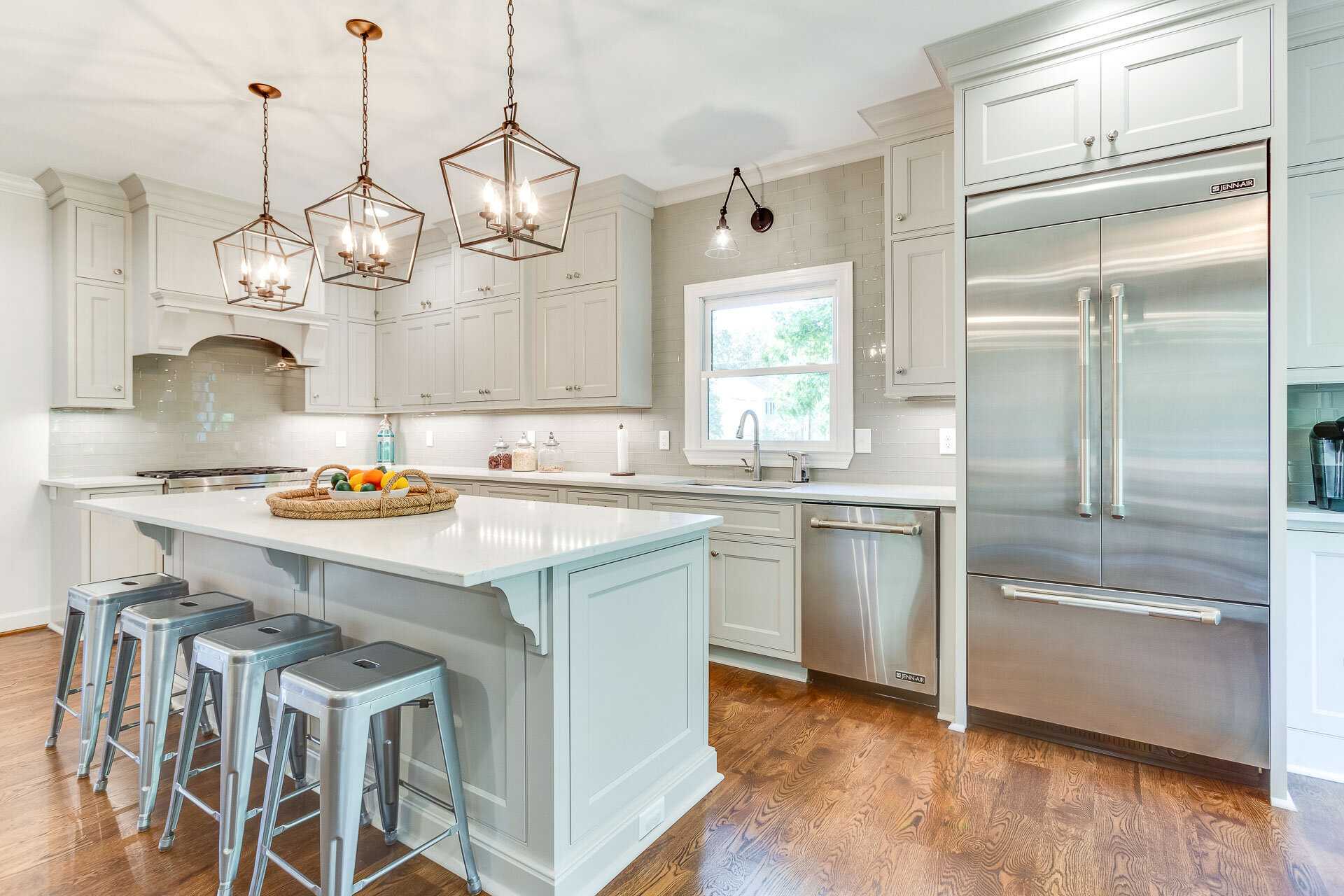
To effectively plan your kitchen lighting around appliances, focus on layered lighting that highlights work areas while minimizing shadows and glare. Use targeted task lighting for counters and stove areas, combined with ambient lights to create a warm, inviting atmosphere. Incorporate dimmers and smart controls to adjust lighting as needed, ensuring both functionality and mood are balanced.
Strategically placing task lights, such as under-cabinet fixtures, and choosing the right brightness levels for different zones can make your kitchen safer and more enjoyable to cook in. Properly planning your lighting around appliances not only improves your workspace but also enhances the overall style of your kitchen.
Thinking about how to arrange your lighting can seem daunting, but with a clear plan, you can create a beautifully illuminated kitchen that is both practical and stylish. It’s all about understanding the placement of appliances, tasks, and ambient layers to craft a space that is well-lit, comfortable, and visually appealing.

How to plan kitchen lighting around appliances
Understanding the importance of proper lighting around appliances
Good lighting in your kitchen makes daily tasks easier and safer. Properly planned lighting can highlight appliances and keep the space functional. It also helps avoid shadows and glare that can interfere with cooking or cleaning.
Assessing your kitchen layout and appliance placement
Start by mapping out your kitchen to see where appliances are located. Note the size and position of major appliances like the stove, refrigerator, and dishwasher. This will help determine where you need focused lighting versus ambient light.
Choosing the right type of lighting for appliance areas
Different areas require different kinds of lights. Under-cabinet lights are great for countertops near appliances, providing direct illumination. Recessed ceiling lights offer overall brightness, while task lights focus on specific zones.
Incorporating task lighting for cooking and prep zones
Install bright, focused lights above the stove, sink, and prep stations. These are places where clear visibility is essential. Use adjustable fixtures, such as LED strips or spotlights, to direct light exactly where needed.
Positioning lighting fixtures around major appliances
Position lights to minimize shadows and glare. For example, place under-cabinet lights facing down to illuminate countertops evenly. Avoid placing lights directly behind appliances to prevent blocked light or unwanted reflections.
Using under-cabinet lighting effectively
Under-cabinet lighting provides direct light onto work surfaces. Use LED strips for energy efficiency and long life. Mount them close to the underside of cabinets for a seamless look and optimal coverage.
Ensuring balanced ambient lighting throughout the kitchen
Combine ceiling-mounted fixtures with wall-mounted or pendant lights to create a well-lit space. Use dimmers to adjust brightness during different times of the day, from bright cooking to softer evening ambiance.
Managing reflections and glare from appliances
Choose matte or non-reflective finishes on appliances and fixtures to reduce glare. Position lights so they do not shine directly into appliance screens or reflective surfaces, which can cause eye strain.
Integrating smart lighting systems for convenience
Smart lighting allows you to control different zones easily. Set up scenes for cooking, cleaning, or relaxing, and use apps or voice commands. This flexibility ensures every area has suitable lighting for its purpose.
Creating a layered lighting design
Combine ambient, task, and accent lighting to make your kitchen functional and attractive. Layering provides depth and adaptability, making it easier to focus light on appliances and work zones.
Considering energy efficiency and bulb types
Opt for LED bulbs, which use less energy and last longer. Select bulbs with a daylight or cool white color temperature for clear visibility. Use dimmable fixtures to personalize lighting levels.
Adding decorative lighting accents around appliances
Use pendant lights, decorative sconces, or strip lights to highlight appliances or architectural features. These accents can make your kitchen look stylish while providing extra illumination.
Using reflective surfaces to enhance lighting
Mirrored backsplashes and glossy countertops bounce light around the space. This improves overall brightness and helps illuminate darker areas near appliances. Incorporate reflective materials to maximize your lighting plan.
Planning for future upgrades and flexibility
Design your lighting with adaptiveness in mind. Choose fixtures that can be replaced or upgraded easily. Think about installing smart controls so you can adjust your lighting as needed over time.
Maintaining your kitchen lighting system
Regularly clean fixtures to keep light output at its best. Replace bulbs promptly and check wiring for safety. Well-maintained lighting ensures your kitchen remains welcoming and safe.
Summary of key tips for planning kitchen lighting around appliances
- Map out your appliance layout and identify key work areas
- Use focused task lighting near major appliances for safety and clarity
- Incorporate under-cabinet lights for countertop illumination
- Layer lighting with ambient, task, and accent elements
- Choose energy-efficient LED fixtures and bulbs
- Consider smart lighting options for flexibility and convenience
- Avoid glare and reflections through proper fixture placement and finishes
- Design for future upgrades and easy maintenance
Related topics to enhance your kitchen lighting plan
- Best light bulb types for kitchens
- How to choose the right color temperature for kitchen lighting
- Design tips for modern kitchen lighting fixtures
- Energy-saving solutions for kitchen illumination
- Creating a cozy ambiance with layered lighting
Frequently Asked Questions
How can I ensure even lighting distribution around kitchen appliances?
To achieve even lighting, position multiple light sources strategically around appliances, such as under-cabinet lights and ceiling fixtures. Use diffused fixtures to spread light uniformly, and consider adjusting the angles of adjustable lights to minimize shadows. Regularly assess the lighting during different times of the day and make adjustments as needed to prevent dark spots, especially around work areas like the stove and sink.
What types of lighting are ideal for highlighting kitchen appliances?
Task lighting like under-cabinet LEDs provides direct illumination on countertops and appliances, making tasks easier and safer. Accent lighting, such as spotlights or display lights, can accentuate specific appliances or areas, creating visual interest. Combining ambient lighting with these focused options ensures both functionality and aesthetic appeal in your kitchen space.
How should I plan the placement of switches and controls for appliance lighting?
Place switches and controls in accessible locations near entry points and work zones to allow quick operation. Use separate switches for different lighting zones, enabling customization based on activity. Consider installing dimmers to adjust brightness levels for different tasks or moods, and ensure that controls are logically grouped for easy navigation.
What considerations should I keep in mind for energy-efficient kitchen lighting around appliances?
Choose LED fixtures for their longevity and low energy consumption. Incorporate motion sensors or automatic lighting controls in areas where lights may be left on inadvertently, such as under counters. Optimize natural light during the day to reduce reliance on artificial lighting, and select dimmable fixtures to adjust brightness and save energy during less demanding tasks.
How can I prevent glare and reflections when lighting around shiny or glass appliances?
Position lights at angles that minimize direct reflections on glossy surfaces or glass appliances. Use diffused or frosted fixtures to soften light and reduce harsh glare. Avoid placing lights directly overhead or behind the appliances, and consider using lower-intensity lighting in problematic areas to maintain clarity without creating discomfort.
Final Thoughts
Planning kitchen lighting around appliances ensures a functional and attractive space. Position task lights to illuminate work areas without glare on appliances or countertops. Use layered lighting to balance ambient, task, and accent lights for a cohesive look. Consider the placement and type of fixtures to avoid shadows and shadows. By carefully strategizing, you create a bright, inviting environment that highlights your appliances and enhances your kitchen experience. How to plan kitchen lighting around appliances becomes easier when you prioritize placement, light quality, and layering for the perfect balance.