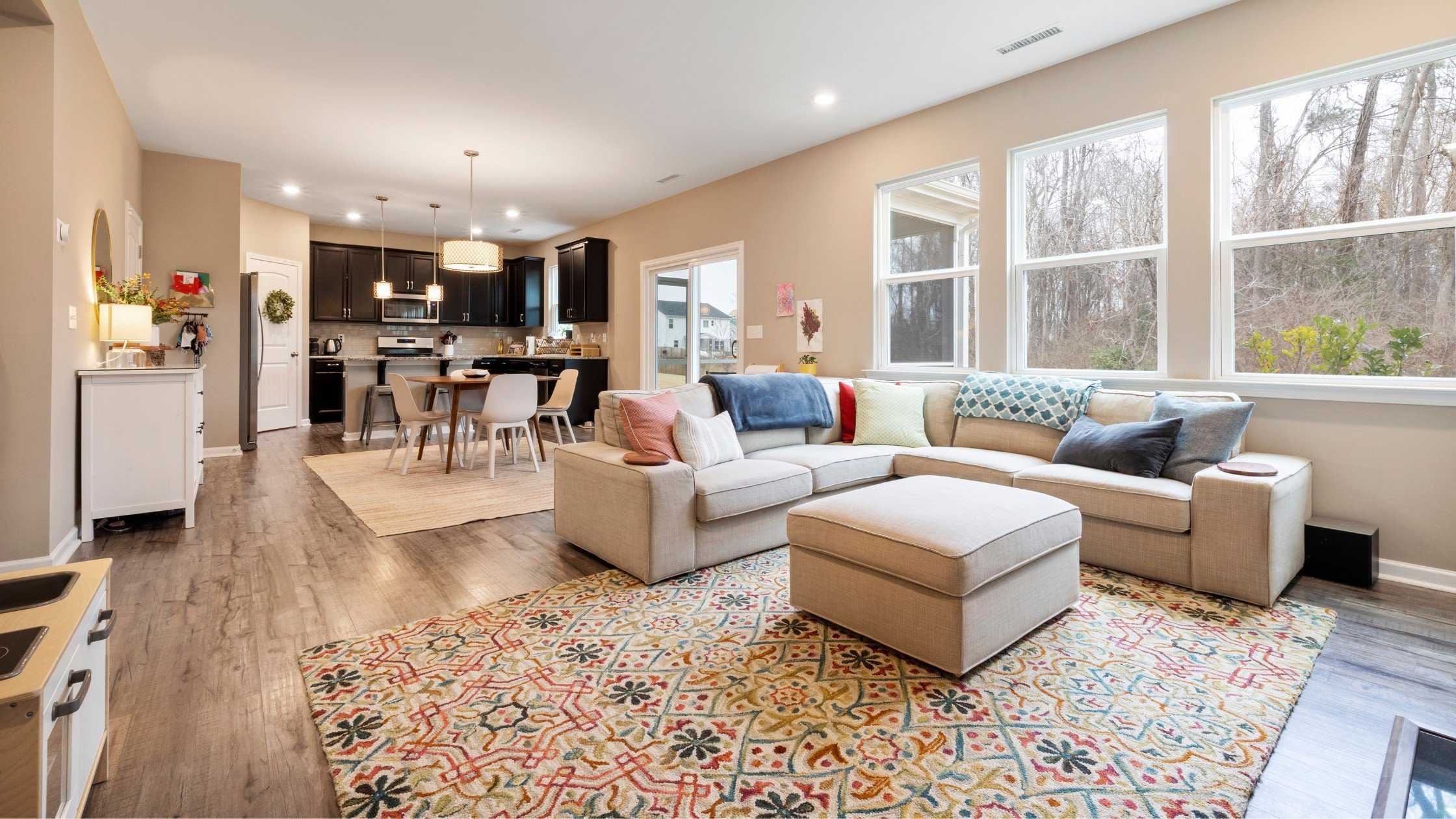
Using rugs is a fantastic way to define spaces in open-plan rooms, creating a sense of separation without the need for walls. Whether you’re looking to distinguish your living area from the dining space or create a cozy reading nook within a larger room, strategically placing rugs can do the trick. Opt for different sizes, shapes, and textures to help demarcate each area while also adding warmth and style to your décor. Choosing colors that complement your existing palette can enhance the overall aesthetic of the space while ensuring it feels cohesive. So, let’s dive into some quick tips and ideas on how to effectively use rugs to carve out distinct zones in your open-plan living space!
When it comes to creating defined spaces in open-plan rooms, rugs play a pivotal role.

How to Use Rugs to Define Spaces in Open-Plan Rooms
Open-plan living can create an airy and spacious feeling in any home. However, with such a vast area, it can sometimes be challenging to define specific functional spaces. One effective way to create distinct zones within an open plan is by using rugs. They can not only enhance the aesthetic appeal but also help establish a feeling of organization and comfort. Let’s explore how to strategically use rugs to define spaces in open-plan rooms.
Understanding the Purpose of Rugs in Open-Plan Spaces
Rugs serve multiple purposes in open-plan living areas. They can provide warmth, texture, and color. Rugs also act as visual anchors that can help separate different areas without the need for walls. Here are some key purposes of using rugs:
- Define Functional Areas: Rugs help illustrate where one area ends and another begins.
- Add Comfort: They create a cozy atmosphere, making spaces more inviting.
- Enhance Aesthetics: Rugs can add visual interest with patterns and colors.
- Reduce Noise: They can help dampen sound, making the space feel quieter.
Understanding the purpose of rugs is essential for using them effectively in open-plan rooms.
Choosing the Right Size Rug
One of the first things to consider when using rugs is size. The size of the rug can dramatically affect how spaces feel. Here are some sizing guidelines:
- Small Rugs: Suitable for accent areas, like placing under a coffee table.
- Medium Rugs: Great for smaller seating arrangements or dining areas.
- Large Rugs: Ideal for creating a cohesive look, where all furniture fits comfortably on the rug.
A good rule of thumb is to ensure that at least the front legs of your furniture rest on the rug. This creates a sense of unity in the space.
Selecting the Right Style and Color
The style and color of your rug can set the tone for the entire space. Here are a few tips for choosing the right one:
- Consider the Decor: The style of your rug should complement the overall design of your space.
- Color Coordination: Choose colors that either match or contrast with your furniture and walls for a balanced look.
- Patterns: Textured and patterned rugs can add depth but be careful not to overwhelm the space.
Choose a rug that resonates with your personal style while harmonizing with the surrounding elements.
Defining Areas with Rugs
In open-plan spaces, rugs can help to delineate areas. Here are some common zones and how to define them with rugs:
Living Area
Place a large area rug under the main seating to ground the space. It can connect the furniture pieces, creating a cozy gathering spot.
Dining Area
Use a rectangular rug that fits under the dining table and extends out enough so that chairs can be pulled away without getting caught on the rug’s edge.
Workspace
Set a smaller, distinct rug beneath a desk area to denote it as a functional workspace. This helps separate it from living or dining spaces.
Reading Nook
If you have a corner dedicated to reading, a soft, plush rug can create a cozy and inviting feel.
Layering Rugs for Depth
Layering rugs can add complexity and style to your open-plan room. Here’s how you can do it:
- Mix Textures: Layer a flat weave rug with a plush one for added interest.
- Color Play: Use contrasting colors to highlight different zones.
- Be Mindful of Scale: Ensure that the rugs complement each other without overcrowding the space.
Layering rugs can enhance the overall comfort and aesthetic appeal, making the space feel more dynamic.
Material Matters
The choice of material for your rugs can significantly impact functionality and feel. Here are some popular options:
- Wool: Durable and soft underfoot, ideal for high-traffic areas.
- Cotton: Easy to clean and lightweight, suitable for casual spaces.
- Synthetic Fibers: Often stain-resistant and budget-friendly.
- Natural Fibers: Such as jute or sisal, offer an organic feel but may be harder to clean.
Choosing the right material is essential for both comfort and maintenance.
Maintenance Tips for Rugs
Maintaining your rugs will prolong their life and keep them looking great. Here are some tips:
- Regular Vacuuming: Helps to remove dirt and debris, keeping the fibers intact.
- Spot Cleaning: Address spills immediately with a gentle cleaner to prevent stains.
- Professional Cleaning: Consider having your rugs professionally cleaned every few years.
Taking care of your rugs will ensure they remain a beautiful part of your open-plan space.
Using Rugs to Enhance Room Flow
In open-plan rooms, it’s essential to create a natural flow between different areas. Rugs can aid in this transition.
Having a consistent color palette across rugs can unify the space. For instance, using variations of the same color in different rugs can connect areas visually.
Positioning for Flow
Position rugs to guide the eye smoothly from one area to another. Avoid placing them in a way that disrupts movement through the space.
Incorporating Rugs into Design Schemes
Integrating rugs into your design scheme is crucial for achieving a harmonious look. Here are some ideas:
- Use Rugs as Focal Points: Select a statement rug that draws attention.
- Complement Existing Decor: Choose rugs that enhance the beauty of your furniture.
- Consider Area Functions: Make sure the rug you choose aligns with the function of the area it’s in.
Incorporating rugs into your design can significantly elevate the overall look.
Emphasizing Comfort with Rugs
Rugs enhance comfort in open-plan spaces. Here are some benefits to consider:
- Provide Softness: Rugs can offer a comfortable surface for your feet, especially in areas with tile or hardwood floors.
- Insulating Properties: Rugs can help insulate against cold floors, adding warmth to the space.
- Safety Features: Rugs can help prevent slips and falls, especially in areas where spills occur.
Rugs can significantly enhance the comfort of your open-plan living experience.
Choosing the Right Rugs for Specific Activities
It’s essential to choose the right rug for the activities taking place in each area. Here are some common areas and suitable rug types:
Play Areas
Opt for sturdy, easy-to-clean rugs that can withstand spills and messes.
Dining Areas
Select rugs that are stain-resistant and easy to maintain, as they are likely to experience spills.
Rest Areas
Soft, plush rugs are perfect for creating a cozy atmosphere for relaxation and unwinding.
Choosing the right rug according to the area’s purpose will enhance usability and comfort.
Decorating with Seasonal Changes
Another great way to use rugs in open-plan rooms is by changing them with the seasons. Here are some tips:
- Summer Vibes: Light, airy rugs in bright colors can brighten up your space.
- Winter Warmth: Heavy, plush rugs can provide extra warmth during colder months.
- Autumn Accents: Earthy tones and textured rugs can echo the season outside.
Changing rugs seasonally keeps your space fresh and inviting.
Rugs are a powerful tool for defining spaces in open-plan rooms. They help create comfort, demarcate areas, and add style. With the right choices in size, material, and style, your open-plan space can feel both functional and inviting. By embracing these tips, you can transform your home into a beautifully defined space that reflects your personality and lifestyle.
One rug or two for open concept living – Interior Design Tips
Frequently Asked Questions
How can I choose the right size rug for my open-plan space?
Selecting the right size rug is crucial for defining areas within an open-plan room. Measure the space where you intend to place the rug. Ideally, you want all the furniture in the area to either sit on the rug or have the front legs on it to establish cohesion. For larger areas, consider using oversized rugs that can anchor multiple furniture pieces, helping to visually separate distinct zones.
What materials should I consider when selecting rugs for high-traffic areas?
For high-traffic areas, opt for durable materials like wool, polypropylene, or jute, as they withstand wear and tear better. Additionally, choose rugs with low piles or flatweave designs as they are easier to clean and maintain. Look for rugs with stain-resistant treatments to keep them looking fresh despite frequent use.
How can I use rugs to enhance the aesthetic appeal of my open-plan room?
You can enhance your room’s aesthetic by selecting rugs that complement your overall color scheme and style. Consider using different textures and patterns to add depth and interest. Layering rugs can also create a unique visual effect—pair a smaller, patterned rug over a larger, solid-colored one to define different spaces while adding a stylish touch.
Can I mix different rug styles in an open-plan room?
Mixing different rug styles can create an eclectic and inviting atmosphere in open-plan rooms. To achieve a cohesive look, maintain a consistent color palette or complementary colors across the rugs. Varying textures and designs can add character but ensure that they harmonize with the overall decor to avoid a chaotic appearance.
How do I position rugs to differentiate between dining and living areas?
Position rugs to create clear boundaries between different functional areas. In a dining space, a rug should extend beyond the dining table and chairs to allow for movement. In a living area, you can place the rug under the coffee table with seating arranged around it. This layout visually separates the spaces while still maintaining an open feel.
Final Thoughts
Using rugs effectively can significantly enhance the functionality of open-plan rooms. They help define spaces by creating visual boundaries and adding warmth to different areas.
Incorporate rugs of varying sizes and textures to distinguish between living, dining, and workspace areas. Pay attention to color schemes and patterns to ensure cohesion throughout the space.
Ultimately, the right rugs can seamlessly integrate various functions while adding style. Remember, “How to Use Rugs to Define Spaces in Open-Plan Rooms” relies on thoughtful placement and design choices to achieve a balanced look.