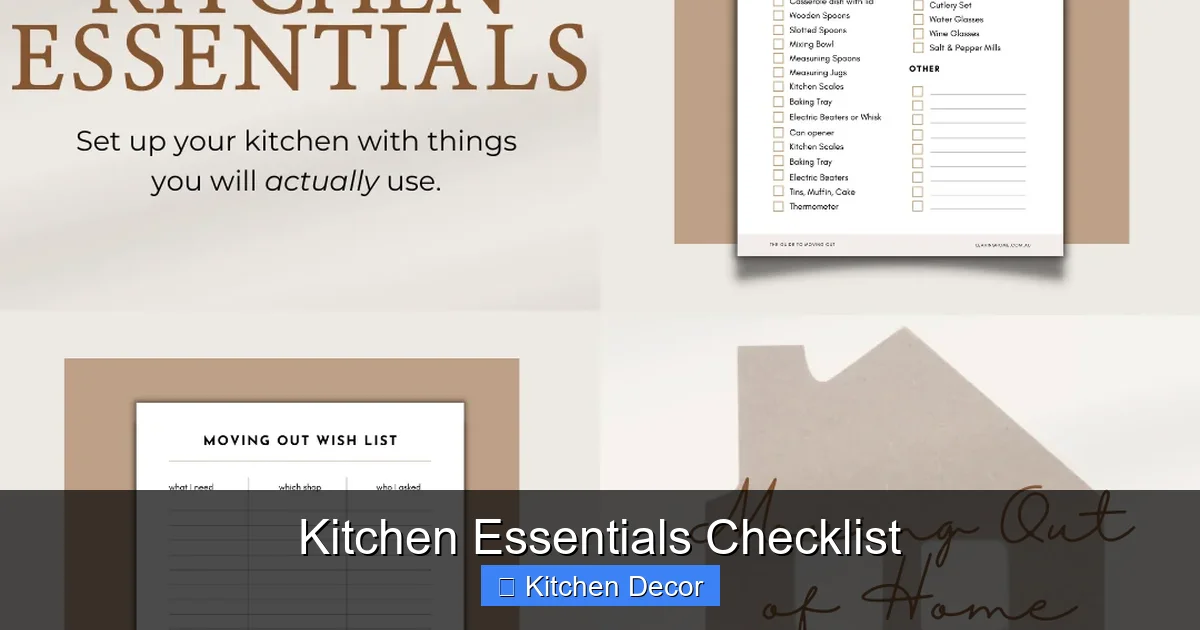
Embark on your culinary journey with confidence using our comprehensive kitchen essentials checklist. This guide breaks down everything you need, from fundamental tools and cookware to smart appliances and organizational tips, ensuring you build a functional and efficient kitchen without unnecessary clutter. Learn how to prioritize, shop wisely, and create a space perfect for your cooking style, making meal prep a joy, not a chore.
Welcome to the heart of your home – the kitchen! Whether you’re a seasoned chef or just starting your culinary adventure, setting up a functional and efficient kitchen can feel like a daunting task. There are so many gadgets, pots, and pans out there, it’s easy to get overwhelmed and end up buying things you don’t actually need. That’s where a clear and practical kitchen essentials checklist comes in handy.
This comprehensive guide is designed to walk you through every step of building your ideal kitchen. We’ll help you identify the must-have items that will truly make a difference in your daily cooking, from basic tools and essential cookware to smart appliances and clever storage solutions. Our goal is to empower you to create a space that inspires delicious meals, avoids clutter, and fits perfectly with your lifestyle and budget.
Get ready to simplify your kitchen setup, make informed decisions, and discover how to equip your culinary haven efficiently and effectively. Let’s dive into creating your ultimate kitchen essentials checklist!
Key Takeaways
- Assess Your Needs First: Before buying anything, consider your cooking habits, dietary preferences, and kitchen space to tailor your kitchen essentials checklist effectively.
- Prioritize Quality Over Quantity: Invest in durable, versatile kitchen tools and cookware that will last, rather than accumulating many cheap items that break easily.
- Understand Core Categories: Focus on essential categories like cutting tools, mixing tools, versatile cookware, and fundamental small appliances to build a strong foundation.
- Don’t Forget Organization & Cleaning: Effective food storage, pantry organization, and appropriate cleaning supplies are crucial for a functional and hygienic kitchen.
- Budget Smart & Be Patient: You don’t need to buy everything at once. Prioritize, look for sales, explore secondhand options, and build your kitchen essentials checklist gradually.
- Embrace Versatility: Choose items that serve multiple purposes to maximize space and value, ensuring every item on your kitchen essentials checklist earns its spot.
Step 1: Assess Your Needs and Space
Before you even think about buying a single item, the very first step in building your kitchen essentials checklist is to understand your unique needs and the space you have available. This foundational step will save you money, time, and potential frustration down the line.
Consider Your Cooking Habits
Are you a gourmet chef who loves to experiment with complex recipes, or do you prefer simple, quick meals? Do you bake frequently, or is frying your go-to method? Think about:
- Frequency of Cooking: How often do you cook at home? Daily, a few times a week, or mostly on weekends?
- Types of Cuisine: Do you often make pasta, stir-fries, elaborate roasts, or quick sandwiches?
- Dietary Needs: Are you vegetarian, vegan, gluten-free? This might influence specific tools (e.g., a good blender for smoothies, a spiralizer for veggie noodles).
- Number of People: Are you cooking for one, a couple, or a large family? This impacts the size and quantity of cookware and dinnerware you’ll need.
Understanding these habits helps you tailor your kitchen essentials checklist to items you’ll actually use regularly.
Evaluate Your Kitchen Layout and Storage
Take a good look at your kitchen. What kind of storage do you have? Are there many cabinets, drawers, or open shelves? Is your counter space limited or generous?
- Cabinet Space: How much room do you have for pots, pans, and dry goods?
- Drawer Space: Is there enough room for utensils, or will you need a crock on the counter?
- Counter Space: Will you have room for small appliances, or do they need to be stored away?
- Pantry/Fridge Size: Consider how much food you can store, influencing your food storage container needs.
Measuring your spaces can prevent you from buying items that simply won’t fit.
Tip: Start Small, Expand Later
Don’t feel pressured to buy everything at once. Begin with the absolute basics on your kitchen essentials checklist. As you cook more, you’ll naturally discover what other tools or appliances would genuinely enhance your experience. Your kitchen can evolve with you.
Step 2: Essential Cooking Tools & Utensils
These are the workhorses of your kitchen, the items you’ll reach for daily. Investing in good quality here makes a huge difference in your cooking efficiency and enjoyment. This section is a core part of any kitchen essentials checklist.
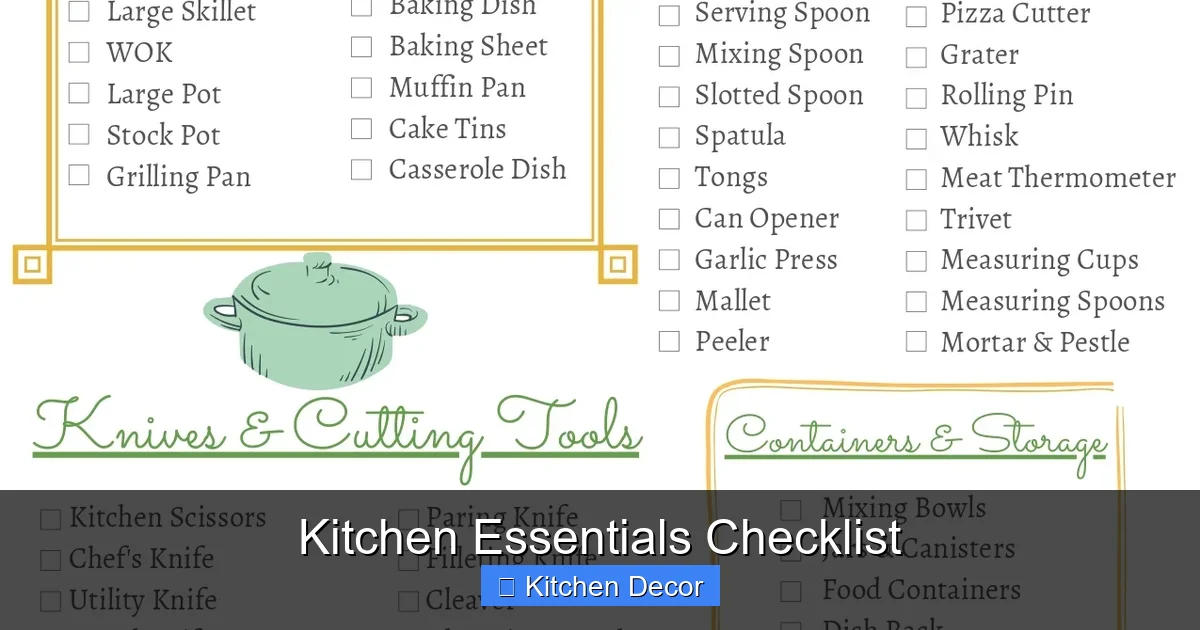
Visual guide about Kitchen Essentials Checklist
Image source: theseamanmom.com
Cutting & Prep Tools
Good knives are perhaps the most important investment. They make prepping ingredients safer and faster.
- Chef’s Knife (8-inch): Your primary knife for chopping, slicing, dicing. Look for good balance and a comfortable grip.
- Paring Knife (3-4 inch): Perfect for small, delicate tasks like peeling, trimming, or coring.
- Serrated Knife (8-10 inch): Essential for slicing bread, tomatoes, or anything with a tough exterior and soft interior.
- Cutting Boards: At least two! One for raw meats and one for produce to prevent cross-contamination. Plastic is easy to sanitize, wood is gentler on knives.
- Vegetable Peeler: A simple swivel peeler works wonders for fruits and vegetables.
- Kitchen Shears: Versatile for opening packages, snipping herbs, or even cutting up poultry.
Mixing & Measuring Tools
Accuracy is key in cooking and baking, and these items ensure your recipes turn out perfectly.
- Mixing Bowls (Set of 3-5): Various sizes, preferably stainless steel or glass, for mixing, marinating, and serving.
- Measuring Cups (Dry): A set of cups (1/4, 1/3, 1/2, 1 cup) for flour, sugar, etc.
- Liquid Measuring Cups: At least one clear glass or plastic cup with a spout for liquids (1-cup or 2-cup).
- Measuring Spoons: A set for small quantities (1/4 tsp to 1 tbsp).
- Whisk: A balloon whisk for aerating and combining ingredients.
- Rubber Spatulas (2-3): For scraping bowls clean and folding delicate ingredients. Silicone is heat-resistant.
Cooking & Serving Utensils
These are the tools you use directly in your pots and pans or for serving meals.
- Spatulas: A flipper spatula (metal for stainless steel, silicone for non-stick) and a slotted spoon.
- Ladle: For serving soups, stews, and sauces.
- Tongs: Incredibly versatile for flipping, turning, serving, and grabbing hot items.
- Wooden Spoons (2-3): Safe for all cookware, great for stirring.
- Slotted Spoon: For lifting solids out of liquids.
- Can Opener: A sturdy manual or electric one.
- Bottle Opener/Corkscrew: For beverages.
Tip: Quality Over Quantity
For your initial kitchen essentials checklist, focus on buying fewer, but higher-quality items. A good set of knives, for instance, will perform better and last longer than a cheap, large set. You can always add more specialized tools later.
Step 3: Must-Have Cookware
Cookware is where you actually cook your food. The right pots and pans will make a significant difference in your culinary results.
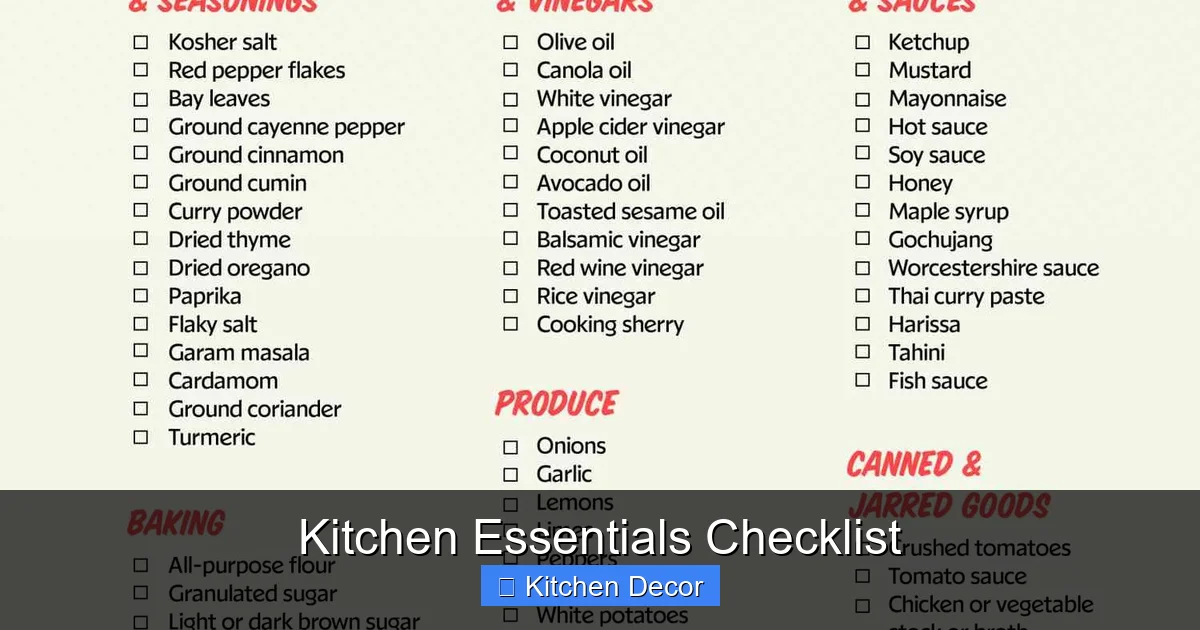
Visual guide about Kitchen Essentials Checklist
Image source: allrecipes.com
Pans for Every Purpose
These three types of pans form the backbone of your cookware collection.
- Non-Stick Skillet (10-12 inch): Ideal for eggs, pancakes, delicate fish, or anything prone to sticking. Replace every few years as the coating wears.
- Stainless Steel Skillet (10-12 inch): Excellent for searing meats, sautéing vegetables, and building pan sauces. Durable and oven-safe.
- Saucepans (2-3 quart): For making sauces, boiling water, cooking grains, and heating small portions. One with a lid is essential.
- Stock Pot (6-8 quart): Crucial for boiling pasta, making soups, stews, and large batches of broth. A lid is a must.
Baking Essentials (Optional, Based on Habits)
If you enjoy baking, add these to your kitchen essentials checklist:
- Baking Sheets (2): Standard half-sheet size is most versatile for cookies, roasting vegetables, or sheet pan meals.
- Casserole Dish (9×13 inch): For lasagna, baked chicken, gratins, and desserts.
- Muffin Tin: For muffins, cupcakes, or individual quiches.
Tip: Non-stick vs. Stainless Steel vs. Cast Iron
- Non-stick: Easy clean-up, great for delicate foods. Not ideal for high-heat searing.
- Stainless Steel: Durable, great heat distribution, good for searing and browning. Requires more oil and technique to prevent sticking.
- Cast Iron: Incredibly durable, excellent heat retention, can go from stovetop to oven. Requires seasoning and specific cleaning, but lasts a lifetime. Consider adding a cast iron skillet later if you enjoy cooking with it.
Step 4: Small Appliances That Make a Difference
Small appliances can be a huge convenience, but they also take up counter and storage space. Choose wisely for your kitchen essentials checklist based on your lifestyle.
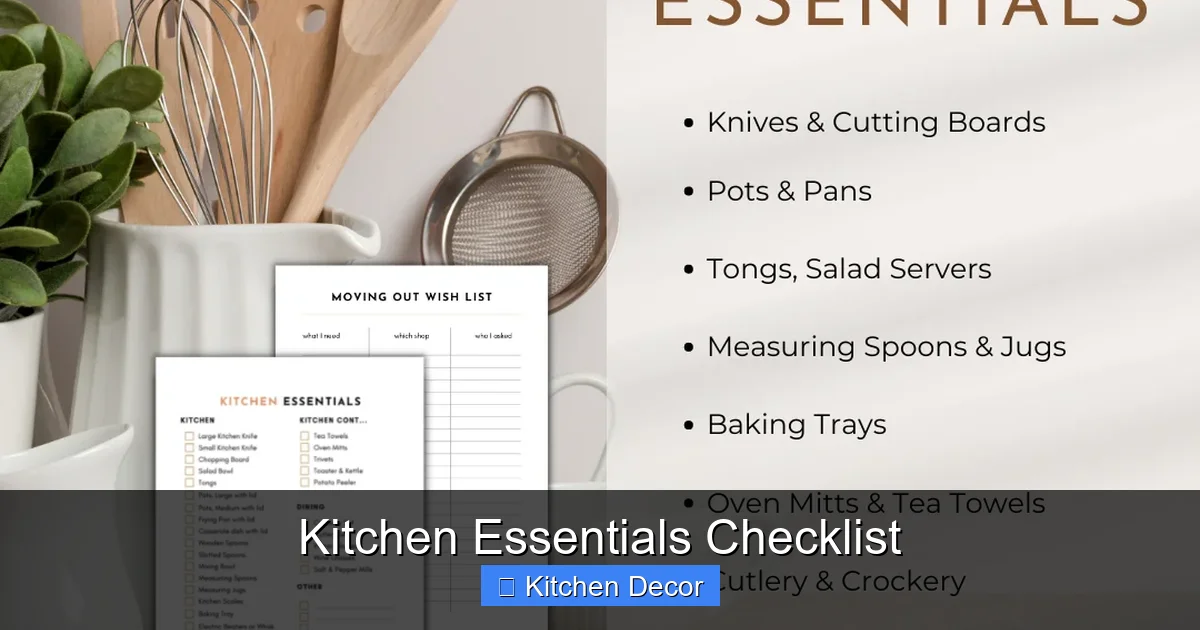
Visual guide about Kitchen Essentials Checklist
Image source: guidetomovingout.com
Everyday Conveniences
- Coffee Maker: Drip, French press, or pour-over, depending on your preference.
- Toaster or Toaster Oven: For toast, bagels, and reheating small items. Toaster ovens offer more versatility.
- Blender: For smoothies, sauces, purees, and soups. A simple personal blender might suffice if you mainly make smoothies, otherwise, a more powerful standard blender is good.
Time-Saving Helpers (Consider Based on Needs)
- Food Processor: A game-changer for chopping, slicing, grating, and pureeing large quantities quickly.
- Hand Mixer or Stand Mixer: For baking enthusiasts. A hand mixer is sufficient for most home bakers; a stand mixer is a significant investment for serious bakers.
- Electric Kettle: Boils water faster than a stovetop kettle and is great for tea, coffee, or instant meals.
Tip: Prioritize Based on Lifestyle
If you don’t drink coffee, skip the coffee maker! If you rarely bake, a stand mixer isn’t an essential. Focus on appliances that genuinely streamline tasks you do often. Every item on your kitchen essentials checklist should serve a purpose.
Step 5: Storage & Organization Solutions
A well-organized kitchen is a joy to cook in. These items help keep your food fresh and your space tidy.
Food Storage
Prevent food waste and keep your fridge and pantry neat.
- Airtight Food Storage Containers (various sizes): Glass or BPA-free plastic for leftovers, meal prep, and dry goods. Glass is oven/microwave safe and doesn’t stain.
- Reusable Storage Bags: For snacks, sandwiches, or freezing food.
- Aluminum Foil, Plastic Wrap, Parchment Paper: Essential for cooking, baking, and storing food.
Pantry & Fridge Organization
While not strictly “essentials” in the same way a knife is, these make your kitchen much more functional.
- Pantry Bins or Baskets: To corral snacks, spices, or small items, making your pantry shelves more organized.
- Drawer Organizers: For cutlery, utensils, and small gadgets.
- Spice Rack: To keep spices accessible and tidy.
Tip: Keep it Tidy and Accessible
Store frequently used items within easy reach. Group similar items together. Regularly declutter your kitchen and pantry to avoid accumulation of unused items.
Step 6: Dining & Serving Ware
Once you’ve cooked up a storm, you’ll need something to eat it on! This part of the kitchen essentials checklist covers basic dinnerware.
Dinnerware Sets
Start with enough for your household plus a few extra for guests.
- Plates (Dinner & Salad/Appetizer): 4-8 of each, depending on your entertaining habits. Durable stoneware or porcelain is a good choice.
- Bowls (Cereal/Soup): 4-8, matching your plates.
- Mugs: For coffee, tea, or hot cocoa.
Glassware
- Everyday Drinking Glasses: 4-8 versatile glasses for water, juice, or soda.
- (Optional) Wine Glasses: If you drink wine, a set of 2-4 universal wine glasses.
Cutlery
A set of forks, knives, and spoons for dining.
- Forks (Dinner & Salad): 4-8 each.
- Knives (Dinner): 4-8.
- Spoons (Dinner & Teaspoons): 4-8 each.
Tip: Durability and Style
Choose dinnerware that can withstand daily use and is dishwasher safe. Opt for a classic, neutral style that won’t quickly go out of fashion.
Step 7: Cleaning & Maintenance Essentials
A clean kitchen is a happy and healthy kitchen. Don’t overlook these crucial items on your kitchen essentials checklist.
Dishwashing Supplies
- Dish Soap: For handwashing dishes.
- Dishwasher Detergent: If you have a dishwasher.
- Sponges/Dish Brushes: Keep a few on hand for different tasks (e.g., one for dishes, one for scrubbing).
- Dish Drying Rack: If you handwash frequently.
- Dish Towels (4-6): For drying dishes and hands.
General Kitchen Cleaning
- All-Purpose Cleaner: For countertops, sinks, and appliance exteriors.
- Microfiber Cloths: Great for wiping surfaces, polishing, and streak-free cleaning.
- Paper Towels: For quick spills and messes.
- Trash Can & Bags: A pedal bin is hygienic.
Tip: Regular Cleaning Extends Life
Cleaning tools and appliances regularly not only keeps your kitchen hygienic but also prolongs the life of your essential items. A quick clean after each use makes a big difference.
Step 8: Building Your Kitchen Essentials on a Budget
Equipping a kitchen doesn’t have to break the bank. With a smart approach, you can build an excellent kitchen essentials checklist without overspending.
Prioritize and Save
Go back to Step 1. What are your absolute must-haves? Which items can wait? Focus your budget on the high-priority, high-use items, especially quality knives and essential cookware. For less critical items, you can opt for more budget-friendly versions initially.
Explore Secondhand Options
Thrift stores, consignment shops, and online marketplaces (like Facebook Marketplace or Craigslist) can be goldmines for certain kitchen essentials. You can often find quality glassware, dinnerware sets, sturdy mixing bowls, or even lightly used small appliances at a fraction of the cost. Always ensure items are clean and in good working order before purchasing.
Tip: Wait for Sales
Kitchenware sales happen throughout the year, especially around holidays (Black Friday, Prime Day, end-of-season clearances). If there’s a specific item on your kitchen essentials checklist you want but can’t afford new, add it to a wish list and set up price alerts if available. Patience can pay off significantly.
Troubleshooting Common Kitchen Setup Dilemmas
Even with a detailed kitchen essentials checklist, you might encounter challenges. Here are solutions to common dilemmas:
Limited Space Solutions
If your kitchen feels cramped, consider these smart choices:
- Multi-functional Tools: Choose items that serve multiple purposes (e.g., an Instant Pot for pressure cooking, slow cooking, and sautéing; a toaster oven for toasting, baking, and roasting).
- Nesting Sets: Mixing bowls or food storage containers that stack neatly inside each other save a lot of cabinet space.
- Vertical Storage: Use wall-mounted magnetic knife strips, pot racks, or over-the-door organizers to free up drawer and counter space.
- Compact Appliances: Look for smaller versions of blenders, coffee makers, or food processors if you only need them for single servings or occasional use.
Overwhelm by Choice
The sheer number of options can be daunting. If you’re feeling overwhelmed:
- Stick to the Basics: Refer back to the core items on this kitchen essentials checklist. Don’t get distracted by specialty gadgets until you’ve mastered the basics.
- Read Reviews: Before buying, check online reviews for durability, ease of use, and common complaints.
- Ask for Recommendations: Talk to friends or family who love to cook for their favorite, most used items.
Budget Constraints
If money is tight, remember:
- Prioritize Durability: For items like knives and primary cookware, spending a little more upfront often means they last longer, saving money in the long run.
- Secondhand & Sales: As mentioned, these are excellent avenues to acquire quality items without paying full price.
- DIY & Improvise: You don’t need every specialized tool immediately. A sturdy glass jar can be a mixing bowl, a fork can be a whisk in a pinch. Start with what you have and upgrade over time.
Conclusion
Building a functional and inviting kitchen is an exciting journey, and with this comprehensive kitchen essentials checklist, you’re well on your way! Remember, the goal isn’t to accumulate every fancy gadget, but rather to thoughtfully select items that truly serve your cooking style, space, and budget.
By assessing your needs first, prioritizing quality over quantity, and gradually adding to your collection, you’ll create a culinary space that you love and that makes cooking a genuine pleasure. So, grab your list, start exploring, and get ready to whip up delicious meals with confidence and ease. Happy cooking!