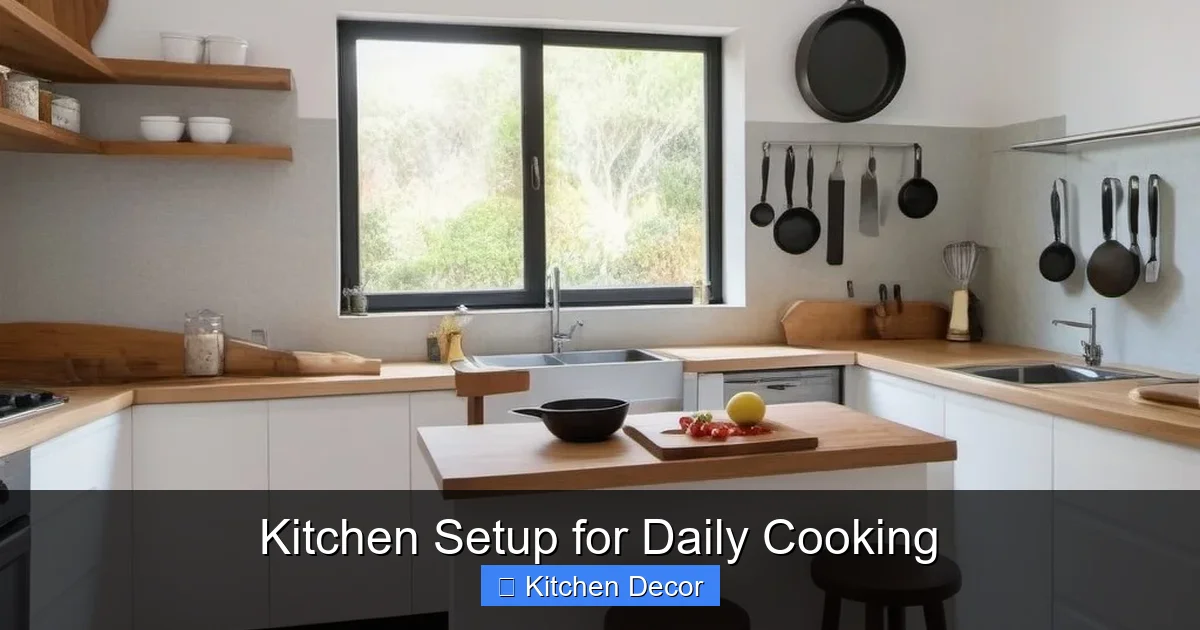
Transform your culinary space with the ultimate guide to kitchen setup for daily cooking. Discover how to create an efficient, organized, and enjoyable environment by planning work zones, selecting essential tools, and optimizing storage. Achieve effortless meal preparation and a more satisfying cooking experience every single day.
Kitchen Setup for Daily Cooking
Welcome to your guide for creating the ultimate kitchen setup for daily cooking! If you’ve ever felt overwhelmed by a cluttered countertop, struggled to find the right utensil, or found cooking a chore rather than a joy, you’re in the right place. A well-designed kitchen isn’t just about aesthetics; it’s about functionality, efficiency, and making your daily cooking experience as smooth and enjoyable as possible.
This comprehensive guide will walk you through everything you need to know, from assessing your current space to organizing your pantry like a pro. We’ll cover essential appliances, must-have tools, smart storage solutions, and practical tips to transform your kitchen into a culinary haven. By the end, you’ll have a clear roadmap to create a kitchen setup for daily cooking that truly works for you, saving you time, reducing stress, and inspiring delicious meals every day.
Key Takeaways
- Strategic Zone Planning: Design your kitchen with dedicated work zones—prep, cooking, and storage—to minimize movement and maximize efficiency for daily cooking.
- Prioritize Essential Tools: Invest in high-quality, multi-functional appliances, cookware, and utensils that truly support your everyday cooking habits, avoiding unnecessary clutter.
- Optimize Pantry and Storage: Implement smart storage solutions like clear containers, labels, and vertical organizers to keep ingredients and dry goods accessible and visible.
- Focus on Accessibility: Store frequently used items within easy reach near their point of use, making your daily cooking flow smoother and less stressful.
- Personalize Your Space: Tailor your kitchen setup to your unique cooking style, dietary needs, and household size, ensuring it genuinely serves your lifestyle.
- Embrace Regular Maintenance: Integrate daily tidying and regular cleaning into your routine to maintain an organized, hygienic, and inviting kitchen environment.
Step 1: Assess Your Needs and Space
Before you move anything or buy a single item, take a good, honest look at what you already have and how you cook. This crucial first step in your kitchen setup for daily cooking journey will lay the foundation for a truly personalized and effective space.
1.1. Evaluate Your Current Kitchen
Walk through your kitchen with fresh eyes. What works well? What are the pain points? Do you have enough counter space? Are certain items always out of reach? Is the flow awkward when you’re preparing a meal? Make a list of these observations. Think about specific cooking tasks you perform most often.
1.2. Understand Your Cooking Habits
- How often do you cook? Daily? A few times a week?
- What kind of cooking do you do? Do you bake a lot? Do you prefer one-pot meals? Are you into elaborate multi-course dinners, or quick weeknight solutions?
- How many people do you cook for? A single person will have different needs than a family of five.
- What are your dietary preferences? Do you need special storage for fresh produce, or dedicated space for gluten-free ingredients?
Your answers will directly influence the type of appliances, cookware, and storage solutions you’ll need for your ideal kitchen setup for daily cooking.
1.3. Measure and Map Your Space
Grab a measuring tape and sketch out your kitchen layout. Note the placement of your sink, stove, refrigerator, and main countertops. Measure cabinet interiors, drawers, and open shelving. This will help you visualize potential changes and ensure any new purchases fit perfectly. Don’t forget to measure the height of shelves if you’re considering vertical storage.
Step 2: Plan Your Layout with Work Zones
The most efficient kitchens are organized into “work zones.” This concept is key to an effective kitchen setup for daily cooking, minimizing unnecessary movement and making tasks flow seamlessly. Think about the classic kitchen triangle (sink, stove, refrigerator), but expand on it to include more specific activity areas.

Visual guide about Kitchen Setup for Daily Cooking
Image source: static.vecteezy.com
2.1. The Preparation Zone
This is where most of your chopping, mixing, and ingredient assembly happens. Ideally, it should be located between your refrigerator (where you get ingredients) and your sink (for washing). You’ll need ample counter space here. Store knives, cutting boards, mixing bowls, and small prep tools (peelers, graters) within easy reach.
- Practical Tip: If you have limited counter space, consider a butcher block cart or a sturdy kitchen island that can double as a prep area.
2.2. The Cooking Zone
Naturally, this centers around your stove and oven. Keep your most-used pots, pans, and baking sheets nearby. Spatulas, ladles, cooking spoons, and oven mitts should be within arm’s reach of the stovetop. A spice rack or drawer next to the stove is also incredibly convenient for quick seasoning.
- Practical Tip: Consider a pot rack if your cabinet space is limited, or invest in pan organizers for easy access inside cabinets.
2.3. The Storage Zone (Pantry & Refrigerator)
This zone is all about keeping your ingredients fresh and accessible. Your refrigerator and pantry are the main components. Organize them logically: dairy together, produce in designated drawers, dry goods categorized. We’ll delve deeper into pantry organization later, but the principle is to store like items together for easy retrieval.
- Practical Tip: Keep your most frequently used ingredients on easily visible shelves in both your fridge and pantry.
2.4. The Cleaning Zone
Centered around your sink and dishwasher, this zone needs to house dish soap, sponges, dish towels, and waste bins. Keep cleaning supplies organized under the sink. If you have a separate drying rack, consider its placement to avoid cluttering your prep area.
- Practical Tip: A pull-out trash can under the counter can save floor space and keep unsightly bins hidden.
2.5. The Serving/Dining Zone
If your kitchen includes a dining area or a breakfast bar, think about where you store plates, bowls, glasses, and cutlery. Keeping these close to the table or serving area saves steps. Coffee makers, toasters, and other breakfast appliances can also reside here.
Step 3: Essential Appliances
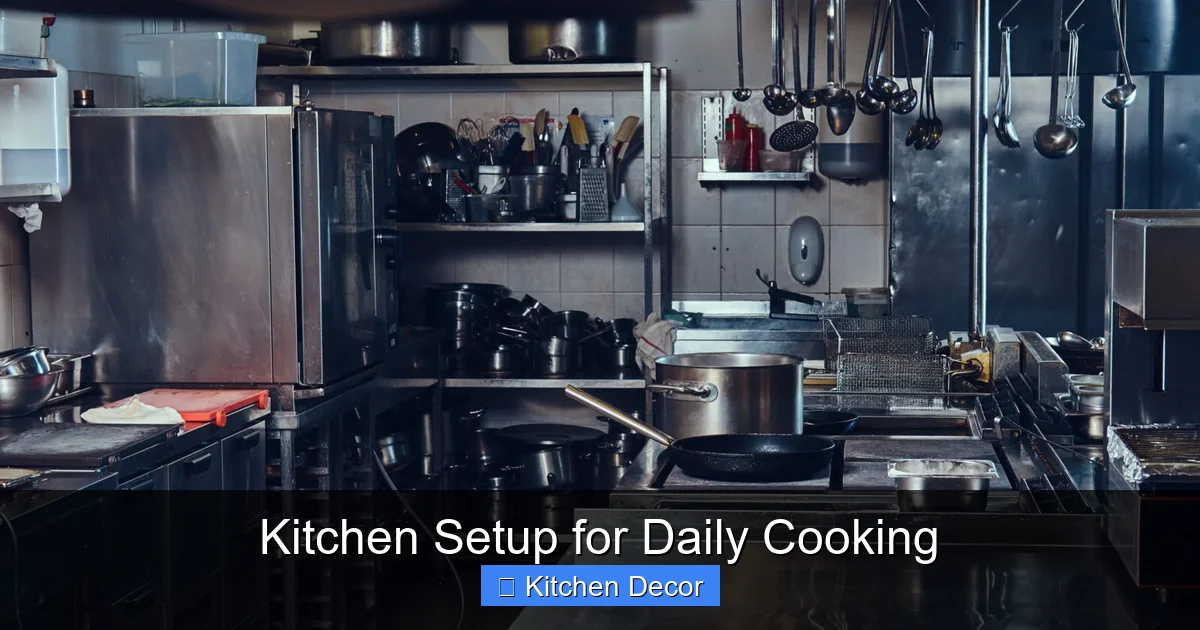
Choosing the right appliances is crucial for an efficient kitchen setup for daily cooking. Focus on quality, multi-functionality, and what truly aligns with your cooking habits. You don’t need every gadget on the market; prioritize what you’ll use regularly.
Visual guide about Kitchen Setup for Daily Cooking
Image source: hpgconsulting.com
3.1. The Big Three: Refrigerator, Stove/Oven, Dishwasher
- Refrigerator: Choose a size that fits your household’s needs. Consider features like adjustable shelves, humidity-controlled drawers, and good lighting for visibility.
- Stove/Oven: Gas, electric, or induction? Each has its pros and cons. Induction is energy-efficient and precise, electric is generally more affordable, and gas offers instant heat control.
- Dishwasher: A true time-saver. Look for energy efficiency, quiet operation, and flexible racking options.
3.2. Small but Mighty: Countertop Essentials
- Microwave: For quick reheating, defrosting, and simple cooking tasks.
- Coffee Maker/Kettle: A morning ritual for many. Choose based on your preferred brewing method.
- Toaster/Toaster Oven: Great for breakfast items, heating small portions, or even baking if you have a toaster oven.
- Food Processor/Blender: A food processor is excellent for chopping, slicing, shredding, and pureeing. A blender is perfect for smoothies, soups, and sauces. If space is an issue, a good immersion blender can cover many tasks.
- Stand Mixer (Optional but Recommended): A boon for bakers, but also versatile for mixing, kneading, and even shredding chicken with attachments.
3.3. Specialized Appliances (Consider Your Needs)
- Slow Cooker/Instant Pot: Perfect for hands-off cooking, especially for busy weeknights. An Instant Pot combines multiple functions (pressure cooker, slow cooker, rice cooker, sauté pan).
- Air Fryer: For crispy foods with less oil. If you love fried food but want a healthier option, this is a great addition to your kitchen setup for daily cooking.
- Rice Cooker: If rice is a staple in your diet, a dedicated rice cooker ensures perfect results every time.
When selecting appliances for your kitchen setup for daily cooking, remember to check reviews, consider warranty, and ensure they fit your available space.
Step 4: Must-Have Cookware and Bakeware
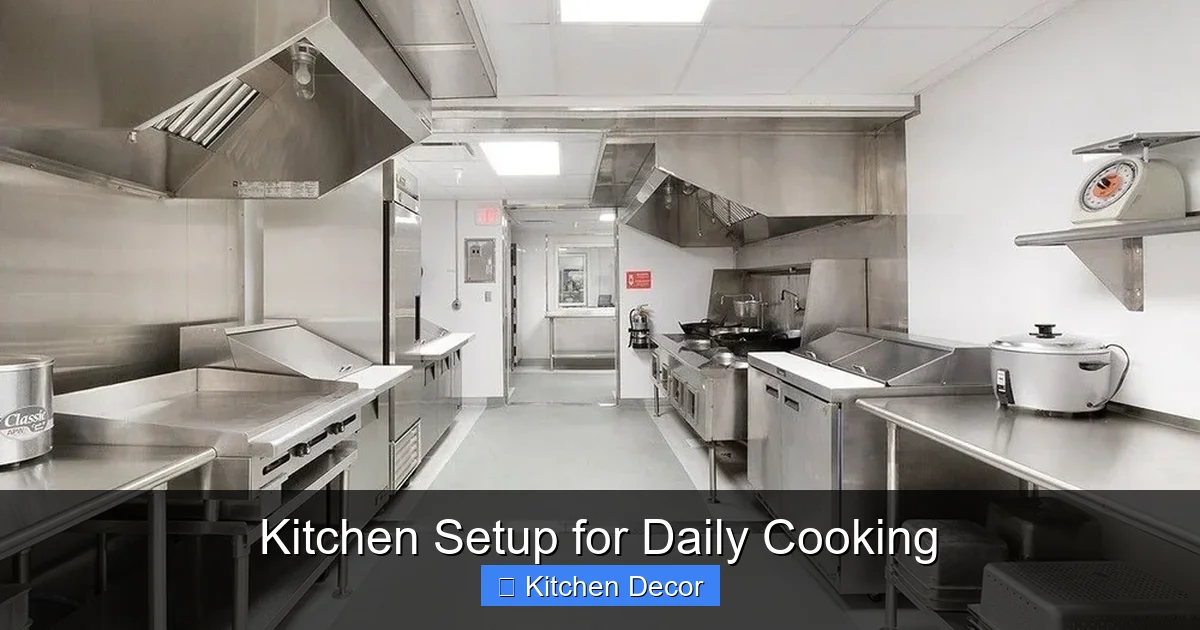
Your cookware forms the backbone of your daily cooking. Invest in a few high-quality, versatile pieces rather than a large set of mediocre ones. This approach will enhance your kitchen setup for daily cooking significantly.
Visual guide about Kitchen Setup for Daily Cooking
Image source: 5.imimg.com
4.1. Core Cookware Pieces
- Large Skillet/Frying Pan (10-12 inch): Essential for sautéing, searing, frying, and pan-frying. Cast iron, stainless steel, or non-stick are popular choices.
- Medium Saucepan (2-3 quart): For sauces, boiling eggs, heating soups, and cooking grains.
- Large Stock Pot (6-8 quart): Indispensable for boiling pasta, making soups, stews, and chili.
- Small Saucepan (1-1.5 quart): Handy for melting butter, warming small portions, or making single servings.
- Dutch Oven: A heavy, lidded pot (often cast iron or ceramic) excellent for braising, slow cooking, making bread, and large batches of soup. It’s a versatile workhorse in any kitchen setup for daily cooking.
4.2. Essential Bakeware
- Baking Sheets (2-3): For roasting vegetables, baking cookies, sheet pan dinners, and more. Look for sturdy, rimmed sheets.
- Casserole Dish (9×13 inch): For lasagna, gratins, roasted dishes, and baked desserts.
- Muffin Tin: Not just for muffins; use for cupcakes, mini quiches, or individual servings.
- Loaf Pan: For bread, meatloaf, or pound cakes.
4.3. Material Matters
- Stainless Steel: Durable, non-reactive, and heats evenly. Great for searing and browning.
- Cast Iron: Excellent heat retention, develops a natural non-stick surface over time, great for searing and oven finishing. Requires specific care.
- Non-Stick: Ideal for delicate foods like eggs and fish. Needs to be replaced periodically as coatings wear.
- Ceramic/Glass: Good for baking, slow cooking, and food storage.
When curating your cookware collection for your kitchen setup for daily cooking, prioritize pieces that can go from stovetop to oven, or that have lids that fit multiple pots.
Step 5: Essential Utensils and Tools
These are the small but mighty items that make daily cooking efficient. Think about accessibility and organization – having the right tool at your fingertips saves time and frustration.
5.1. Prep Tools
- Chef’s Knife (8-inch) & Paring Knife (3-4 inch): These are your workhorses. Invest in good quality and keep them sharp.
- Cutting Boards (at least two): One for raw meat/poultry, one for produce/cooked food to prevent cross-contamination. Wood, bamboo, or sturdy plastic are good options.
- Measuring Cups & Spoons: Essential for accurate recipes. Both dry and liquid measuring cups are needed.
- Mixing Bowls (nested set): Various sizes for different tasks. Stainless steel or glass are popular.
- Can Opener: Self-explanatory, but a good quality one makes a difference.
- Vegetable Peeler: For fruits and vegetables.
- Grater: For cheese, vegetables, or zesting citrus.
- Colander: For draining pasta, washing produce.
5.2. Cooking Utensils
- Spatulas (various types): A rubber spatula for scraping bowls, a flipper spatula for turning food, and a slotted spatula for draining.
- Ladle: For soups, stews, and sauces.
- Tongs: Invaluable for flipping, turning, and serving.
- Whisk: For blending sauces, eggs, and batters.
- Wooden Spoons: Gentle on non-stick surfaces, versatile for stirring.
- Oven Mitts & Pot Holders: Essential for safety.
5.3. Serving & Miscellaneous Tools
- Kitchen Shears: Handy for cutting herbs, trimming fat, or opening packages.
- Instant-Read Thermometer: Ensures food is cooked to a safe temperature.
- Timer: Built into your stove, or a standalone digital one.
- Bottle Opener/Corkscrew: For beverages.
For your kitchen setup for daily cooking, consider a utensil crock on the counter for frequently used items, and drawer organizers for everything else.
Step 6: Pantry and Food Storage
An organized pantry is a game-changer for daily cooking. It saves time, reduces food waste, and makes meal planning much easier. This step is about creating a system that works for you.
6.1. Declutter and Inventory
Before organizing, take everything out of your pantry and cabinets. Check expiration dates and discard anything old or expired. Wipe down shelves. Make an inventory of what you have, which will help with meal planning and grocery lists.
6.2. Categorize and Zone
Group similar items together. This might include:
- Baking Supplies (flour, sugar, baking powder, vanilla)
- Grains & Pasta (rice, quinoa, spaghetti, noodles)
- Canned Goods (beans, tomatoes, soups)
- Snacks (granola bars, crackers, dried fruit)
- Spices & Herbs
- Oils & Vinegars
- Breakfast Items (cereal, oats)
Assign specific shelves or areas for each category. This consistency is vital for maintaining your kitchen setup for daily cooking.
6.3. Smart Storage Solutions
- Clear Air-Tight Containers: Transfer dry goods like pasta, rice, flour, sugar, and cereals into clear containers. This keeps them fresh, protects from pests, and allows you to see at a glance what you have and when you’re running low.
- Labels: Label everything! Include the item name and expiration date.
- Shelf Risers/Stackable Shelves: Maximize vertical space, especially in deep pantries.
- Basket/Bins: Contain smaller, loose items like snack bags, seasoning packets, or small bottles.
- Lazy Susans (Turntables): Perfect for oils, vinegars, sauces, or spices in corner cabinets or deep shelves, making items in the back easily accessible.
- Door Organizers: Utilize the back of pantry doors for spices, foils, wraps, or small jars.
6.4. Refrigerator and Freezer Organization
- Clear Bins: Use clear bins to group items like yogurts, cheeses, or condiments.
- Designated Zones: Assign shelves for specific items (e.g., top shelf for leftovers, middle for dairy, bottom for raw meats in sealed containers).
- First In, First Out (FIFO): Place new items behind older ones to ensure you use up food before it expires.
An optimized pantry and food storage system is a cornerstone of an efficient kitchen setup for daily cooking, making meal prep faster and less wasteful.
Step 7: Organization and Decluttering
A well-organized kitchen isn’t a one-time project; it’s an ongoing habit. Consistent organization and decluttering are essential for maintaining an effective kitchen setup for daily cooking.
7.1. Maximize Cabinet and Drawer Space
- Drawer Dividers: Keep utensils, gadgets, and spices neatly separated.
- Pot & Pan Organizers: Prevent stacks from toppling, making it easier to grab the right pan.
- Vertical Storage: Use magazine files for cutting boards or baking sheets. Stackable containers are also great.
- Hooks: Install hooks inside cabinet doors for measuring spoons, small tools, or even pot holders.
7.2. Countertop Clutter Control
Resist the urge to keep everything on your countertops. Aim for a minimalist approach, leaving only truly essential and frequently used items out, such as:
- Knife block
- Utensil crock (for cooking spoons, spatulas, tongs)
- Salt & pepper shakers
- Coffee maker/kettle
Everything else should have a designated home in a cabinet or drawer. A tidy countertop makes cleaning easier and provides more workspace, which is key for your kitchen setup for daily cooking.
7.3. The “One In, One Out” Rule
Whenever you buy a new kitchen item, consider if you have something similar you can donate, discard, or repurpose. This prevents accumulation and helps maintain a streamlined kitchen setup for daily cooking.
7.4. Regular Purges
Schedule a quick 15-minute declutter session once a month. Go through a drawer or a cabinet, remove items you no longer use, and reorganize anything that’s gotten messy. This prevents overwhelming clean-ups.
Step 8: Safety and Cleaning Practices
An effective kitchen setup for daily cooking isn’t just about efficiency; it’s also about safety and hygiene. Incorporating good cleaning habits will keep your space inviting and functional.
8.1. Essential Cleaning Supplies
Keep these readily available, preferably under the sink or in a nearby utility closet:
- All-purpose cleaner
- Dish soap
- Sponges/scrub brushes
- Microfiber cloths
- Disinfectant spray or wipes
- Paper towels
- Floor cleaner
8.2. Daily Cleaning Habits
- Clean as you go: Wipe up spills immediately, put dirty dishes in the dishwasher (or wash by hand), and clear countertops while cooking or immediately after.
- Wipe down surfaces: After each meal, quickly wipe down countertops, stovetop, and sink.
- Empty trash: Don’t let your trash overflow.
- Wash dishcloths/sponges: Regularly sanitize or replace sponges and dishcloths to prevent bacteria buildup.
8.3. Weekly and Monthly Chores
- Weekly: Mop floors, deep clean the sink, wipe down appliance exteriors (refrigerator, microwave).
- Monthly: Clean out the refrigerator (check for expired items), wipe down cabinet fronts, deep clean the microwave interior, clean the dishwasher filter.
- Quarterly/Annually: Deep clean oven, descale coffee maker/kettle, clean pantry shelves, sharpen knives.
8.4. Safety First
- Fire Safety: Have a fire extinguisher readily accessible and know how to use it. Never leave cooking food unattended.
- Knife Safety: Always cut away from your body, keep knives sharp (dull knives are more dangerous), and store them safely in a block or magnetic strip.
- Appliance Safety: Follow manufacturer instructions, unplug appliances when not in use or when cleaning, and ensure cords are not frayed.
- Chemical Storage: Keep cleaning supplies and hazardous materials out of reach of children and pets.
By integrating these safety and cleaning practices into your routine, your kitchen setup for daily cooking will remain a clean, safe, and pleasant place to create delicious meals.
Conclusion
Congratulations! You’ve walked through the comprehensive guide to creating an optimal kitchen setup for daily cooking. By now, you should have a clear vision of how to transform your kitchen into a functional, organized, and inspiring space. Remember, this isn’t about achieving perfection overnight, but about making small, intentional changes that cumulatively enhance your cooking experience.
From strategic work zones and essential appliances to smart pantry organization and consistent cleaning habits, every step contributes to a more joyful and efficient culinary journey. Embrace the process, adapt these tips to your unique needs, and most importantly, enjoy the satisfaction of cooking in a kitchen that truly supports your daily life. Your ideal kitchen setup for daily cooking awaits!