Discover the ultimate guide to efficiently organizing a small kitchen. Learn to declutter ruthlessly, maximize vertical space, and implement smart storage solutions to transform your tiny cooking area. Achieve a functional, beautiful kitchen where everything has its place, making cooking and entertaining a joy rather than a chore.
What Is the Best Way to Organize a Small Kitchen
Do you ever feel like your small kitchen is constantly battling you? Are you tired of searching for that elusive spatula or knocking over a stack of plates just to get a mug? If you’re wondering what is the best way to organize a small kitchen, you’ve come to the right place!
A small kitchen doesn’t have to mean a dysfunctional kitchen. In fact, with the right strategies, you can transform your tiny space into a highly efficient, beautiful, and enjoyable heart of your home. It’s all about being smart with every inch you have. This comprehensive guide will walk you through a step-by-step process to organize a small kitchen, helping you unlock its full potential. We’ll cover everything from ruthless decluttering to clever storage solutions and long-term maintenance. Get ready to fall in love with your kitchen again!
Key Takeaways
- Declutter Ruthlessly: Before organizing, remove all unnecessary or unused items to create valuable space. This is the foundational step for a truly organized small kitchen.
- Zone Your Kitchen: Group similar items together based on function (e.g., cooking zone, prep zone). This creates an intuitive layout and streamlines your workflow.
- Maximize Vertical Space: Utilize walls, shelves, cabinet interiors, and even the backs of doors to expand your storage upwards and outwards. Think beyond just countertops and lower cabinets.
- Invest in Smart Organizers: Employ drawer dividers, cabinet risers, lazy susans, and clear containers to make every inch of storage efficient and accessible.
- Keep Countertops Clear: Prioritize vertical storage and multi-functional appliances to maintain a clutter-free work surface, which is crucial in a small kitchen.
- Implement a “One In, One Out” Rule: For new purchases, consider letting go of an old, similar item. This prevents clutter from accumulating over time.
- Maintain Your System: Regularly purge, clean, and reset your kitchen to keep it functional, tidy, and prevent old habits from creeping back in.
Step 1: Declutter Ruthlessly – The Foundation of Small Kitchen Organization
Before you can truly organize a small kitchen, you must first declutter. This step is non-negotiable and arguably the most important. Think of it as creating a blank canvas. You cannot effectively organize items you don’t need or use.
Empty Everything Out
Yes, everything! Take every single item out of your cabinets, drawers, pantry, and off your countertops. Place them on your dining table, living room floor, or any available surface. Seeing everything laid out can be quite eye-opening and helps you assess your true inventory. This might feel overwhelming at first, but it’s essential for a fresh start when you want to organize a small kitchen effectively.
Sort and Purge with Purpose
Now, go through each item and ask yourself tough questions. Create three piles: KEEP, DONATE/SELL, and TOSS. Be honest with yourself. This is where the “ruthless” part comes in!
- KEEP: These are items you use regularly, love, or truly need. They should be in good condition and functional.
- DONATE/SELL: These are items in good condition that you no longer use or need. Think about small appliances, extra dishware, or specialty gadgets you bought and never really used. Give them a second life!
- TOSS: These are broken items, expired food, worn-out utensils, or anything that’s beyond repair or use. Don’t let sentimental value for broken things take up precious space.
Apply the “One Year Rule”
A great guideline for decluttering is the “one year rule.” If you haven’t used an item in the past year (excluding seasonal or special occasion items, like a turkey roaster you use once a year), seriously consider letting it go. Be especially mindful of duplicate items. Do you really need three can openers or five spatulas? For a small kitchen, less is definitely more.
Once you’ve purged, immediately remove the donate/toss items from your kitchen space. Don’t let them linger. This initial purge is critical to successfully organize a small kitchen.
Step 2: Zone Your Kitchen – Create a Workflow Wonderland
With a decluttered space, the next step in how to organize a small kitchen is to create functional zones. This means grouping similar items together based on how and where you use them. This streamlines your cooking process and reduces unnecessary movement, making your small kitchen feel much more efficient.
Visual guide about What Is the Best Way to Organize a Small Kitchen
Image source: kelleynan.com
The Cooking Zone
This area should be around your stove and oven. Store pots, pans, lids, cooking oils, frequently used spices, and cooking utensils (spatulas, ladles) within easy reach. Pot and pan organizers can be incredibly helpful here.
The Prep Zone
This is your main countertop workspace. Keep cutting boards, knives, mixing bowls, and frequently used prep tools nearby. If possible, situate this zone near your sink for easy washing of produce.
The Storage Zone (Food)
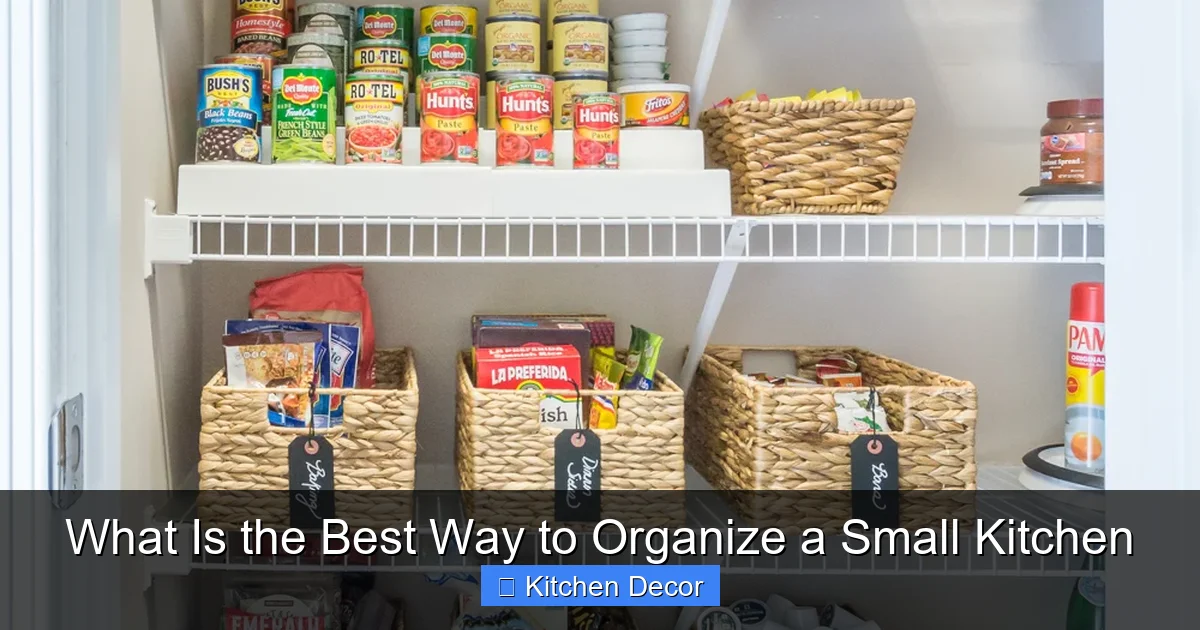
Designate a pantry cabinet or a specific shelf for non-perishable food items like pasta, canned goods, grains, and snacks. Group similar food types together (baking supplies, breakfast items, etc.) for easy retrieval. For a small kitchen, maximizing a single pantry area is key.
The Dishware Zone
Store plates, bowls, mugs, and glasses in cabinets closest to your dishwasher or drying rack. This makes unloading a breeze. Keep everyday dishes accessible, and special occasion dishware stored higher up or in less convenient spots.
The Cleaning Zone
Typically under the sink, this zone holds cleaning supplies, dish soap, sponges, and garbage bags. Consider a small tension rod or an over-the-door organizer for spray bottles.
Creating these zones will dramatically improve your kitchen’s functionality. When everything has a logical “home,” it’s easier to put things away, which is a secret weapon when you want to organize a small kitchen effectively.
Step 3: Maximize Vertical Space – Go Up, Not Out!
One of the golden rules for how to organize a small kitchen is to utilize vertical space. When counter space is limited, look to your walls and the unused height within your cabinets. This is where you truly expand your storage footprint without taking up valuable floor space.
Visual guide about What Is the Best Way to Organize a Small Kitchen
Image source: cdn.apartmenttherapy.info
Install Shelves and Racks
- Floating Shelves: These are fantastic for displaying attractive items like cookbooks, frequently used mugs, or small decorative pieces. They add personality and storage without consuming floor space.
- Over-the-Sink Racks: A clever way to dry dishes without cluttering precious counter space. Some even include spots for utensils and cutting boards.
- Pot Racks: If you have high ceilings, a hanging pot rack can free up cabinet space for bulky pots and pans. Alternatively, a wall-mounted pot rail works wonders.
Utilize Wall Space
- Magnetic Knife Strips: Get knives off your counter or out of a drawer. This is a stylish and space-saving solution.
- Pegboards: A highly versatile solution! Install a pegboard on an empty wall and use hooks, small baskets, and shelves to hang utensils, small pans, measuring cups, or even herbs. You can customize it endlessly, making it perfect to organize a small kitchen.
- Command Hooks: Use these for lightweight items like oven mitts, aprons, or dish towels on the inside of cabinet doors or unused wall sections.
Over-the-Door Solutions
Don’t forget the backs of doors!
- Pantry Door Organizers: These are perfect for spices, small jars, foil, plastic wrap, or even cleaning supplies. Look for wire racks that hang over the door or can be screwed in.
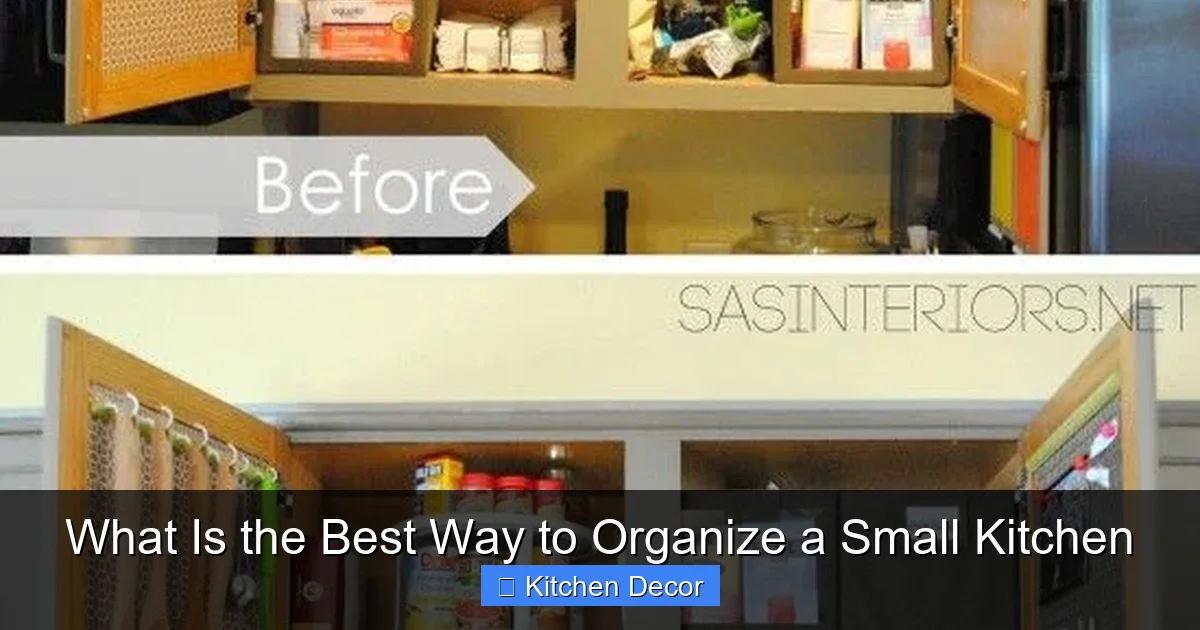
- Cabinet Door Organizers: Small hooks or baskets can be attached to the inside of cabinet doors for lids, cutting boards, or dishcloths.
Thinking vertically is a game-changer when you need to organize a small kitchen. It unlocks hidden storage potential that many people overlook.
Step 4: Smart Storage Solutions – Tools for Tiny Kitchen Organization
Once you’ve decluttered and zoned your kitchen, it’s time to equip yourself with smart storage tools. These items will help you make the most of every drawer, cabinet, and shelf, ensuring that everything has a designated and accessible home.
Visual guide about What Is the Best Way to Organize a Small Kitchen
Image source: i.pinimg.com
Drawer Dividers and Organizers
Untamed drawers are a recipe for chaos. Invest in adjustable drawer dividers or dedicated organizers for your utensils, gadgets, and cutlery. This prevents items from sliding around and becoming a tangled mess. Keep your most-used items closest to the front.
Cabinet Organizers
Cabinets, especially deep ones, can become black holes. Smart organizers prevent this:
- Pull-Out Shelves/Drawers: Install these in lower cabinets for easy access to pots, pans, or heavy appliances. No more rummaging on your hands and knees!
- Cabinet Risers/Shelf Expanders: Double or even triple your storage space within a cabinet by adding extra shelves. These are excellent for plates, bowls, and mugs.
- Lazy Susans (Turntables): Perfect for corner cabinets or deep pantries. Use them for spices, oils, condiments, or even small appliances. They bring items from the back to the front with a simple spin.
- Lid Organizers: Keep pot and pan lids neatly upright in a rack, either on a shelf or mounted to a cabinet door.
Stackable Containers and Bins
For pantry items, snacks, or even fridge organization, stackable containers are invaluable. They utilize vertical space within cabinets and fridges efficiently. Look for square or rectangular shapes to maximize space, as they fit together more snugly than round ones.
Clear Bins and Jars
Transparency is your friend in a small kitchen. Clear bins, jars, and containers allow you to see exactly what you have at a glance, reducing wasted food and duplicate purchases. Use them for dry goods (pasta, rice, flour, sugar), snacks, or even small utensils. Label everything clearly!
These tools are fundamental when you want to organize a small kitchen effectively. They transform chaotic spaces into orderly storage havens.
Step 5: Tame Your Countertops – Keep Them Clear and Functional
In a small kitchen, counter space is a precious commodity. Keeping it as clear as possible is paramount for both aesthetics and functionality. Cluttered countertops make a small kitchen feel even smaller and create visual noise.
Embrace Multi-Functional Appliances
Instead of having a separate blender, food processor, and stand mixer, consider appliances that can do double or triple duty. If you only use an appliance once a month, store it away in a cabinet and bring it out only when needed. Remember, the goal when you organize a small kitchen is efficiency and clear surfaces.
Go Vertical on Counters (Sparingly!)
While the aim is clear counters, some vertical solutions can be smart. A small, tiered fruit basket or a compact knife block can be acceptable. However, avoid spreading items horizontally. If it can go on a wall or in a cabinet, it probably should.
Designated “Landing Strip”
If you absolutely must have a few daily essentials on the counter (e.g., coffee maker, toaster), designate a small, specific area for them. Keep this area tidy and ensure these are items used daily. Anything less frequently used should be put away after each use.
A good rule of thumb: If you can’t easily wipe down your entire countertop after cooking, it’s too cluttered. Prioritize open space for food prep and keep surfaces clear to make your small kitchen feel spacious and inviting.
Step 6: Optimize Pantry and Fridge – Don’t Forget the Hidden Spaces
Many people focus on cabinets and drawers but neglect the pantry and refrigerator. These are prime areas to optimize when you organize a small kitchen, ensuring food stays fresh and accessible, reducing waste.
First In, First Out (FIFO)
When stocking your pantry or fridge, place newer items at the back and older items at the front. This “first in, first out” method ensures you use food before it expires, reducing waste and saving money. This simple habit is key for an efficient small kitchen.
Contain and Label
Just like in your cabinets, clear containers and bins work wonders in the pantry and fridge. Use them to group similar items: “Breakfast,” “Snacks,” “Dinner Ingredients,” “Dairy,” “Leftovers.” Label everything! This makes it easy for everyone in the household to find things and put them back correctly.
Utilize Door Space
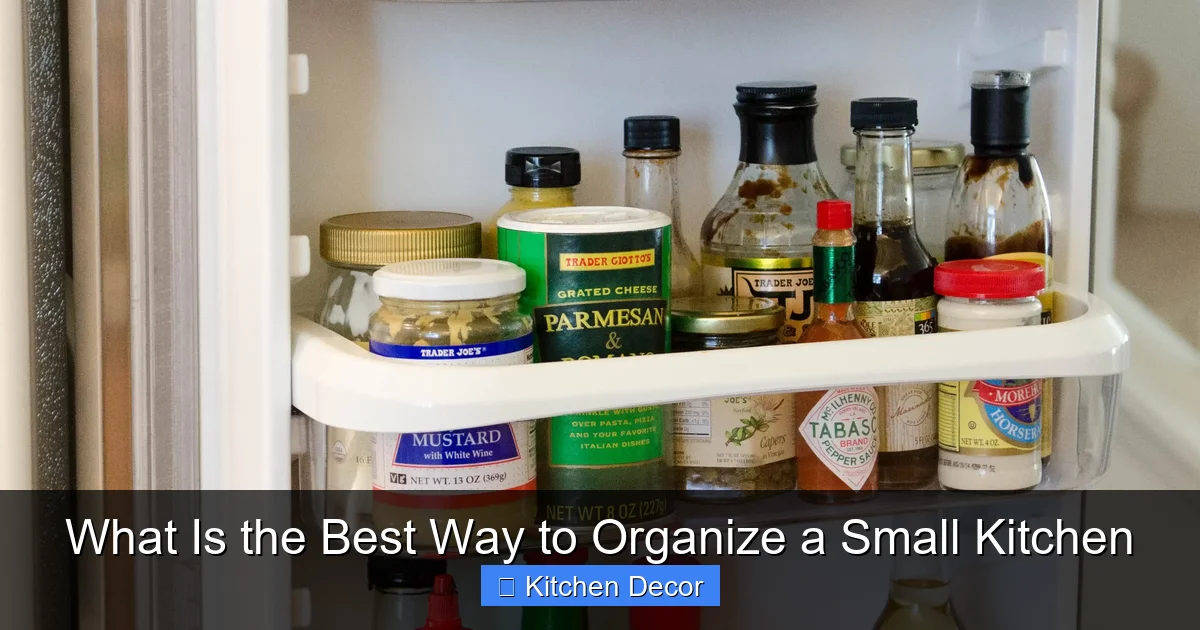
The inside of your refrigerator door is perfect for condiments, sauces, and smaller jars. In your pantry, consider an over-the-door organizer for lightweight items like spice packets, plastic wrap, or aluminum foil.
Adjust Shelves
Most refrigerators and many pantry units have adjustable shelves. Take advantage of this! Customize the shelf height to fit your items perfectly, maximizing every inch of vertical space. Don’t be afraid to group tall items together and short items together.
A well-organized pantry and fridge contribute immensely to a functional and harmonious small kitchen. It saves you time, money, and frustration.
Step 7: Maintain Your System – Keep Your Kitchen Organized for Good
Organizing your small kitchen isn’t a one-time event; it’s an ongoing process. To truly keep it the best way to organize a small kitchen, you need a maintenance routine. This prevents clutter from creeping back in and keeps your hard work intact.
The “Reset” Routine
At the end of each day, take 5-10 minutes to “reset” your kitchen. Wipe down counters, load the dishwasher, put away any stray items. This small daily habit prevents messes from snowballing and makes your kitchen a pleasure to wake up to. It’s like a mini-organization session every day.
Regular Purges
Schedule a quick 15-minute purge once a month or every few months. Quickly scan your pantry for expired items, check cabinets for unused gadgets, and review your “keep” pile from the initial declutter. This helps you stay on top of accumulation.
A Place for Everything, and Everything in Its Place
This age-old adage is particularly vital in a small kitchen. Once you’ve created a home for every item, make a conscious effort (and encourage your household members) to return items to their designated spots immediately after use. This simple habit is the cornerstone of lasting organization.
If you find items consistently ending up in the wrong spot, it might be a sign that their “home” isn’t logical or accessible enough. Don’t be afraid to adjust your system if something isn’t working perfectly. The goal is to make it easy to maintain your organized small kitchen.
Conclusion: Enjoy Your Beautiful, Functional Small Kitchen
Learning what is the best way to organize a small kitchen is about more than just tidiness; it’s about creating a space that enhances your daily life. By following these steps – decluttering ruthlessly, zoning your kitchen, maximizing vertical space, employing smart storage solutions, taming your countertops, optimizing your pantry and fridge, and maintaining your system – you can transform even the tiniest kitchen into a highly efficient and enjoyable hub.
Embrace the challenge, be patient with yourself, and celebrate each small victory along the way. Your organized small kitchen will not only look better but also make cooking, cleaning, and entertaining a truly delightful experience. Enjoy the newfound calm and functionality!