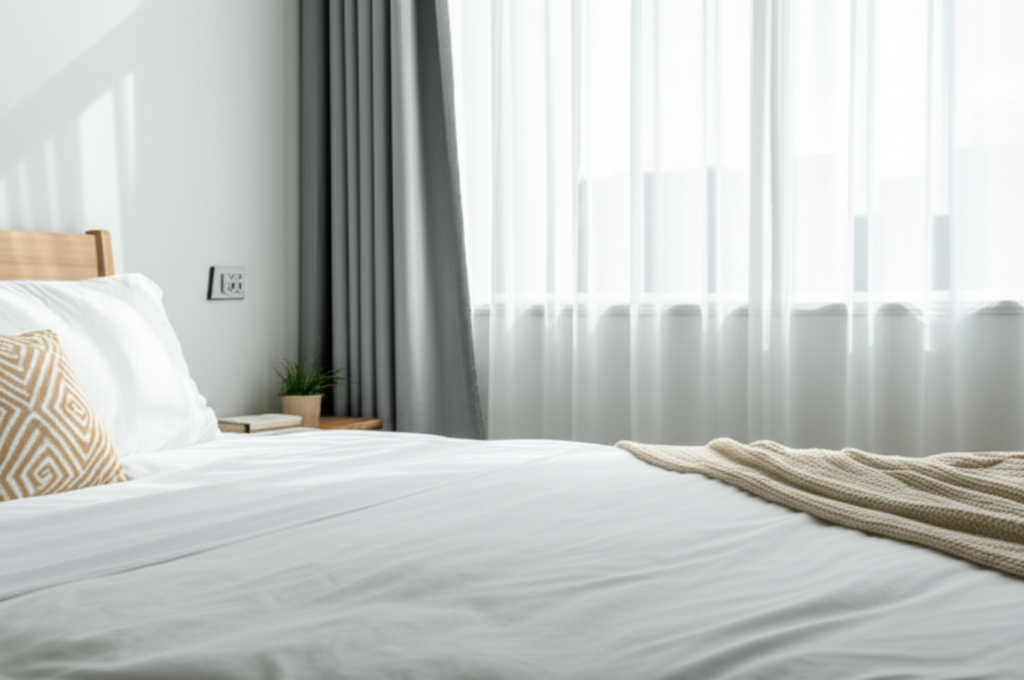
Quick Summary: Making great bedroom ideas is about understanding your needs and style. Focus on comfort, functionality, and personal touches to create a relaxing sanctuary. Start with a plan, choose a color palette, and prioritize essential furniture for a beautiful, stress-free space.
Feeling a bit lost when it comes to your bedroom? You’re not alone! Many of us dream of a cozy, stylish retreat, but turning those dreams into reality can feel overwhelming.
Don’t worry, creating your perfect bedroom is totally achievable. It’s about making smart choices that reflect you.
This guide will break down the process into simple, manageable steps. We’ll cover everything from picking colors to choosing furniture, making your bedroom makeover fun and easy.
Let’s get started on creating a bedroom you’ll absolutely love!
Your Bedroom Makeover: A Simple Step-by-Step Guide
Thinking about how to make bedroom ideas a reality can seem like a huge task, especially if you’re new to decorating. But every amazing room starts with a plan. We’ll walk through the essential tips to transform your bedroom into a personal oasis.
Step 1: Discover Your Style & Needs
Before you buy a single thing, take a moment to think about what you really want from your bedroom. Is it a peaceful haven for sleep? A place to get ready in the morning? Or maybe a cozy spot for reading?
Consider your lifestyle and what activities you do in your bedroom. Do you work from home and need a small desk? Do you love reading before bed and need good lighting? Knowing this helps you choose furniture and decor that actually work for you.
Think about colors and textures that make you feel relaxed and happy. Do you gravitate towards calm blues and greens, or do you prefer warm, earthy tones? Pinterest and Instagram are great places to gather inspiration. Save images of bedrooms that catch your eye to start building a mood board.
Step 2: Measure Your Space & Plan the Layout
This is a crucial step many beginners skip! Grab a tape measure and sketch out your room. Note the dimensions of the walls, windows, and doors. Also, measure any existing furniture you plan to keep.
Knowing your room’s dimensions helps you choose furniture that fits perfectly. You don’t want a bed that’s too big for the room, or a dresser that blocks a doorway. A common mistake is buying furniture that looks great in the store but is impractical for your space.
Think about the flow of the room. Where will the bed go? This is usually the focal point. Then, plan where your other essential pieces, like nightstands and dressers, will fit. Use painter’s tape on the floor to map out furniture placement – it’s a simple trick that helps visualize the space before you move anything heavy!
Step 3: Choose Your Color Palette
Color has a huge impact on the mood of a room. For bedrooms, calming and serene colors are often the best choice. Think about shades of blue, green, gray, beige, or soft pastels.
You don’t have to stick to just one color. A great way to start is by picking a main color, a secondary color, and an accent color. For example, you could have soft gray walls (main), white trim (secondary), and add pops of dusty rose or deep navy through your bedding and decor (accent).
Consider the natural light in your room. Lighter colors can make a small room feel bigger and brighter, while darker colors can create a cozy, intimate feel. You can find excellent resources on color theory from university extension sites, like those offered by University of Missouri Extension, which offer practical advice on home decor and color choices.
Step 4: Select Essential Furniture
The bed is the star of the show, so choose one that fits your style and the room’s scale. Think about the mattress size you need for comfort and the frame style that complements your aesthetic.
Nightstands are essential for convenience, offering a place for a lamp, your phone, and a book. A dresser or chest of drawers is usually necessary for storing clothes. If space is tight, consider a bed with built-in storage drawers.
When choosing furniture, prioritize quality and functionality. Even on a budget, investing in key pieces like a good mattress and a well-made bed frame will pay off in the long run. For renters or those on a tight budget, consider looking for gently used furniture or affordable options from stores like IKEA or Wayfair. If you’re drawn to minimalist aesthetics, explore our guide on 10 Minimal Decor Ideas For Kitchens: Amazing Makeover for inspiration on clean, functional design that can translate beautifully into bedroom spaces.
Step 5: Layer Your Lighting
Good lighting can completely transform a bedroom. Don’t rely on a single overhead light. Layering different types of lighting creates ambiance and functionality.
Start with ambient lighting, which provides overall illumination. This is usually your ceiling fixture. Then, add task lighting, such as bedside lamps for reading or a desk lamp if you have a workspace. Finally, consider accent lighting, like string lights or a stylish floor lamp, to add warmth and personality.
Dimmers are a fantastic addition to bedroom lighting. They allow you to adjust the brightness, creating a cozy mood for winding down or brighter light when needed. Smart bulbs are also a great option, allowing you to control lighting with your phone or voice assistant.
Step 6: Choose Your Bedding & Textiles
Bedding is where you can really express your style and add comfort. Choose sheets, duvets, and pillows that feel good against your skin and match your color scheme.
Think about textures. Soft cotton, cozy linen, or plush velvet can all add depth and comfort to your bed. Don’t forget throw pillows and a cozy blanket or throw for extra layers of comfort and visual appeal.
Rugs can also make a big difference. A soft rug beside your bed can be a welcome treat for your feet in the morning. Curtains or blinds are also important for controlling light and privacy, and they contribute significantly to the room’s overall look and feel.
Step 7: Add Personal Touches & Decor
This is where your bedroom truly becomes yours. Add decor items that bring you joy and reflect your personality. This could include artwork, photographs, plants, or decorative objects.
Don’t overdo it – a cluttered room can feel stressful. Choose a few meaningful pieces that you love. A well-placed mirror can also make a room feel larger and brighter. Consider a gallery wall with your favorite photos or prints, or a statement piece of art above your bed.
Storage solutions are also key to a tidy bedroom. Baskets, decorative boxes, and shelving can help keep clutter at bay. Remember, a calm and organized space promotes relaxation. For clever storage inspiration, check out our article on 10 Stylish Kitchen Storage Accessories: Chic Solutions, which showcases smart organizational ideas that can be adapted for bedroom use.
Budget-Friendly Bedroom Ideas
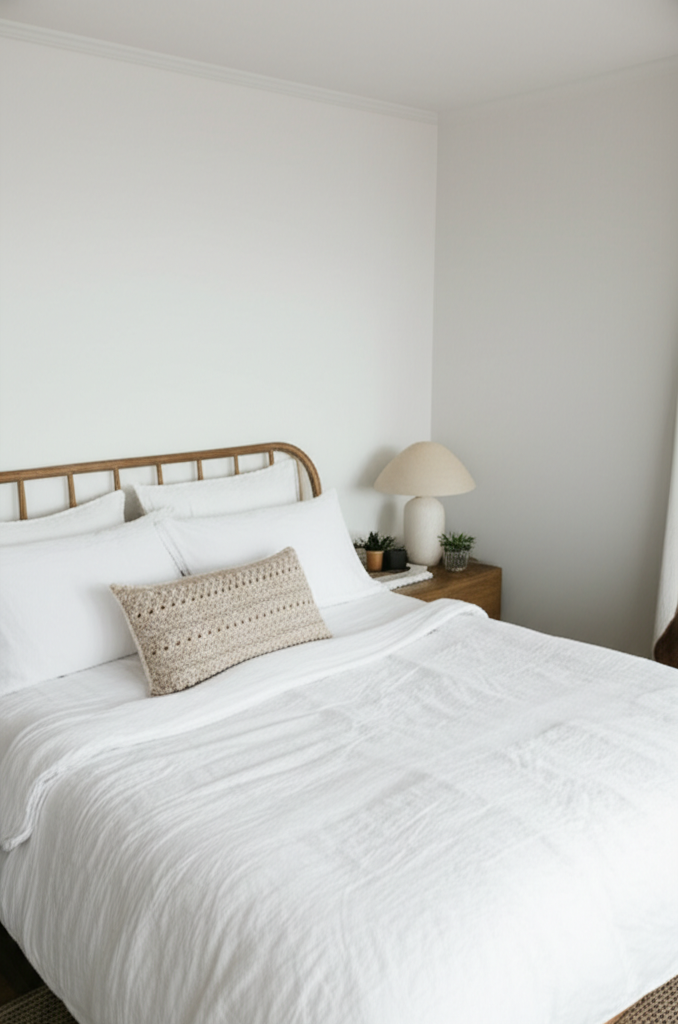
Decorating doesn’t have to break the bank! Here are some smart ways to create a stylish bedroom on a budget:
DIY Projects: Get creative with DIY! Painting old furniture, creating your own wall art, or sewing new cushion covers can save money and add a personal touch.
Thrift Stores & Flea Markets: These are treasure troves for unique furniture and decor items. You can often find great deals on dressers, nightstands, lamps, and decorative accents.
Sales & Discounts: Keep an eye out for sales at your favorite home decor stores. Holiday weekends and end-of-season sales are great times to snag deals on furniture and bedding.
Focus on Impactful Items: Instead of buying lots of small, inexpensive items, invest in one or two key pieces that make a big statement, like a beautiful rug or a striking piece of art.
Rearrange What You Have: Sometimes, simply rearranging your existing furniture can give your room a fresh new look without spending any money.
Paint is Your Friend: A fresh coat of paint can dramatically change the look and feel of a room for a relatively low cost. Even painting just one accent wall can make a difference. For color inspiration, explore our post on 8 Warm Kitchen Color Ideas: Stunning Hues, which features palettes that evoke comfort and serenity—perfect for bedroom spaces.
Small Bedroom Design Strategies
Living in a smaller space presents unique challenges, but with smart design, you can make it feel spacious and functional. Here’s how:
- Maximize Vertical Space: Use tall bookshelves, wall-mounted shelves, and vertical storage units to draw the eye upward and free up floor space.
- Choose Multi-functional Furniture: Opt for furniture that serves more than one purpose, like a storage ottoman, a bed with built-in drawers, or a desk that doubles as a vanity.
- Light Colors & Mirrors: Light paint colors and strategically placed mirrors can reflect light and create the illusion of a larger room.
- Keep it Clutter-Free: Regular decluttering and smart storage solutions are essential for making a small room feel open and airy.
- Consider a Platform Bed: A low-profile platform bed can make the room feel less cramped than a traditional bed frame with a box spring.
- Wall-Mounted Everything: Consider wall-mounted nightstands, lamps, and even televisions to free up floor space.
Color Palette Inspiration
Choosing the right colors can set the tone for your entire bedroom. Here are a few popular and effective palettes:
| Palette Name | Main Colors | Accent Colors | Mood/Vibe |
|---|---|---|---|
| Serene Blue & Gray | Soft blues, light grays | White, muted teal, or subtle silver | Calm, peaceful, sophisticated |
| Earthy Neutrals | Beige, cream, warm taupe | Olive green, terracotta, or mustard yellow | Warm, cozy, grounded |
| Soft Pastels | Blush pink, mint green, baby blue | Cream, light gold, or soft lavender | Light, airy, romantic |
| Modern Monochrome | Shades of white, black, and gray | A single bold accent color (e.g., deep red or cobalt blue) | Chic, dramatic, minimalist |
When selecting colors, remember to get paint swatches and test them on your walls in different lights. This helps you see how the colors will actually look in your specific room.
Tips for Creating a Cozy Atmosphere
A cozy bedroom is all about comfort and warmth. Here’s how to achieve that feeling:
- Soft Textures: Layer plush rugs, soft throw blankets, and plenty of decorative pillows. Think velvet, faux fur, chunky knits, and soft cottons.
- Warm Lighting: Use warm-toned light bulbs (around 2700K) and opt for lamps with fabric shades that diffuse light softly. String lights can add a magical touch.
- Natural Elements: Bring in plants, wood accents, and natural materials like rattan or jute. These elements add warmth and life to the space.
- Personal Photos & Art: Displaying cherished photos and artwork creates a sense of comfort and personal connection.
- Aromatherapy: Consider a diffuser with calming essential oils like lavender or chamomile, or light a favorite scented candle (safely!).
Bedroom Layout Ideas for Different Room Shapes
The shape of your bedroom can influence the best layout. Here are a few ideas:
The Classic Rectangle: This is the most common shape. Place the bed centered on the longest wall. Nightstands on either side. Dresser on the opposite wall or a shorter side wall. This layout maximizes flow.
The Square Room: A square room offers more flexibility. You can place the bed in a corner, centered on one wall, or even diagonally for a unique look. Consider a floating dresser or a modular storage system.
The Long & Narrow Room: These can be tricky. Try dividing the room into zones – for example, a sleeping zone and a dressing/storage zone. Placing the bed with its headboard against a shorter wall can make it feel more balanced. Utilize vertical space for storage.
Rooms with Alcoves or Niches: Use these architectural features to your advantage. An alcove can be the perfect spot for a bed, creating a cozy nook. A niche can house a dresser or a small desk.
For more detailed guidance on spatial planning, resources like HUD User provide data and information that can indirectly inform efficient home design, though they are highly technical.
Frequently Asked Questions (FAQ)
Q1: What is the most important thing to consider when decorating a bedroom?
A1: The most important thing is creating a space that promotes relaxation and sleep. This means choosing comfortable furniture, calming colors, and minimizing clutter.
Q2: How do I make a small bedroom look bigger?
A2: Use light colors, mirrors, multi-functional furniture, and maximize vertical space. Keep the room tidy and avoid overcrowding it with furniture.
Q3: What’s the best way to choose a color scheme for my bedroom?
A3: Start by identifying colors that make you feel relaxed. You can use inspiration from nature, art, or photos you like. A common approach is a main color, a secondary color, and an accent color.
Q4: I’m on a tight budget. What are some affordable ways to update my bedroom?
A4: Focus on DIY projects, shopping at thrift stores, utilizing sales, and updating textiles like bedding or curtains. A fresh coat of paint can also make a big impact affordably.
Q5: How much space should I leave around my bed?
A5: Ideally, leave at least 2-3 feet of space around the sides and foot of the bed to allow for easy movement. Ensure doorways and closet doors can open fully.
Q6: What kind of lighting is best for a bedroom?
A6: Layered lighting is key. Include ambient lighting (overhead), task lighting (bedside lamps for reading), and accent lighting for mood. Dimmers are highly recommended to control brightness.
Conclusion
Creating your dream bedroom is a journey, not a race. By following these essential tips, you can confidently approach your bedroom makeover. Remember to start with your personal style and needs, plan your layout carefully, and don’t be afraid to infuse your personality into the space.
Whether you’re working with a small apartment or a spacious house, these strategies will help you design a functional, comfortable, and beautiful bedroom. Embrace the process, have fun with it, and enjoy the rewarding experience of creating a personal sanctuary you’ll love waking up in and retreating to every night.