
Small 1 room apartment design ideas focus on smart furniture, clever storage, and multi-functional zones to make your compact space feel spacious, organized, and stylish for effortless living.
Living in a small one-room apartment can feel like a puzzle. You want a cozy bedroom, a functional kitchen, a comfy living area, and a place to work, all within a limited footprint. It’s easy to feel overwhelmed by the lack of space and wonder if it’s even possible to make it look good.
But don’t worry! Designing a small space is actually a fantastic opportunity to get creative. It forces you to be intentional about every item you bring in and how you use your space.
This guide will walk you through simple, budget-friendly ideas to transform your one-room apartment into a stylish and efficient home you’ll love. We’ll cover everything from choosing the right furniture to making the most of every corner.
Why Small Space Design Matters
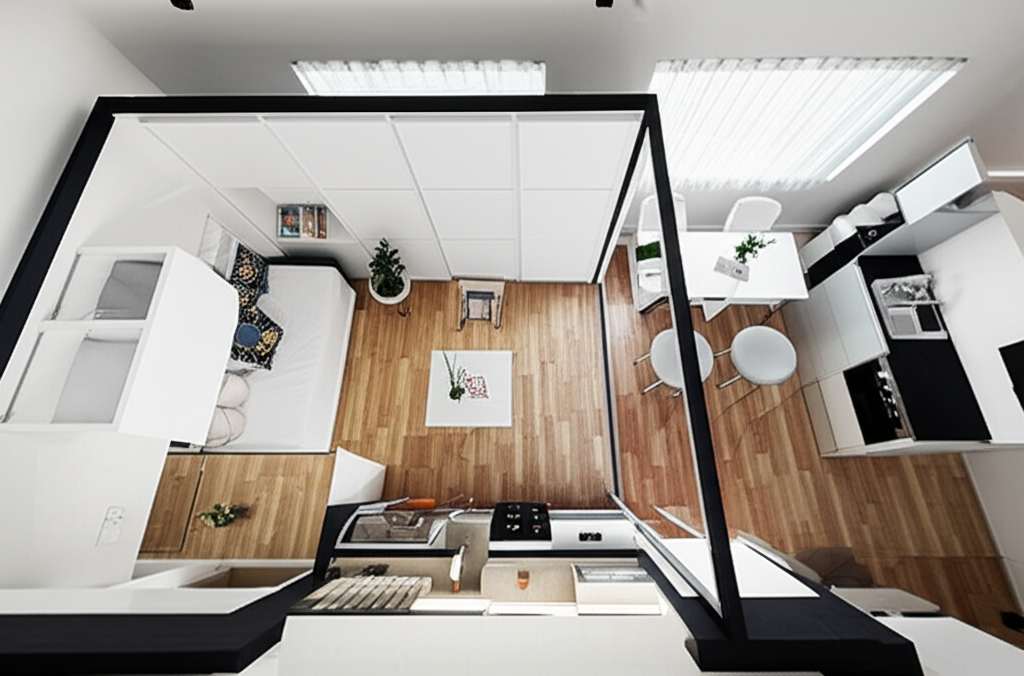
Small spaces are becoming increasingly popular, especially in urban areas. Renters and homeowners alike are discovering the benefits of compact living: lower costs, less maintenance, and a focus on essentials. However, without careful planning, a one-room apartment can quickly feel cramped and cluttered.
The key to a successful small space is making it work for you, not against you. This means understanding how to maximize every inch, create distinct zones for different activities, and choose pieces that are both beautiful and practical.
Understanding Your Space: The First Step
Before you buy anything, take a good look at your apartment. What are its best features? Where does the light come from? What are your daily routines? Understanding these basics will help you make smarter design choices.
Measure Everything
This might sound obvious, but accurately measuring your room is crucial. Note down the dimensions of the walls, windows, and any architectural features like radiators or built-in shelves. This information will be your best friend when choosing furniture. A tape measure from a reputable hardware store like The Home Depot will be essential.
Identify Your Needs
Think about how you actually use your space. Do you work from home? Do you entertain often? Do you need a dedicated dining area? List your must-haves and nice-to-haves. This will help you prioritize where to invest your space and budget. For example, if your kitchen is a key area, explore these cozy small kitchen ideas to maximize functionality without sacrificing style.
Consider Natural Light
Natural light makes any space feel bigger and more inviting. Observe how light enters your room throughout the day. You’ll want to arrange your furniture to take advantage of it, rather than blocking windows.
Smart Furniture Choices for Small Spaces
In a one-room apartment, every piece of furniture needs to earn its keep. Opting for multi-functional items is a game-changer.
The Power of Multi-Functional Furniture
Sofa Beds: Perfect for hosting guests without dedicating permanent floor space to a guest bed.
Ottomans with Storage: These can serve as extra seating, a coffee table, or a footrest, all while hiding blankets, books, or remotes.
Nesting Tables: A set of tables that can be stacked when not in use and pulled out when you need extra surface area for drinks or decor.
Expandable Dining Tables: Small enough for everyday use but can be extended for dinner parties.
Storage Beds: Beds with built-in drawers or a lift-up mattress base offer a significant amount of hidden storage.
Vertical Space is Your Friend
Don’t forget to look up! Using vertical space is a brilliant way to add storage and display without taking up valuable floor area.
Tall Bookshelves: Draw the eye upward and provide ample space for books, decor, and even storage bins.
Wall-Mounted Shelving: Install shelves above your bed, desk, or sofa for books, plants, or decorative items.
Floating Shelves: These offer a sleek, minimalist look and can be used in any area of the room.
Over-the-Door Organizers: Utilize the back of your doors for shoes, cleaning supplies, or pantry items.
Scale is Key
Avoid oversized furniture that will overwhelm your small room. Choose pieces that are proportionate to the space. A slender armchair might be better than a bulky sofa. Look for furniture with exposed legs, as this creates a sense of openness by allowing light and air to flow underneath.
Creating Zones in Your One-Room Apartment
Even though you have one room, you can create distinct areas for sleeping, living, dining, and working. This makes the space feel more organized and functional.
Use Rugs to Define Areas
Rugs are excellent for visually separating different zones. Place a rug under your seating area to define the living room space, or use a smaller rug in your sleeping area to make it feel more like a bedroom.
Furniture Placement Strategies
The Bed: If possible, position your bed in a corner or against a wall to maximize floor space. Consider a “Murphy bed” or a loft bed if space is extremely limited and you want to free up floor space during the day.
The Living Area: Arrange seating to create a cozy conversation nook. A small sofa or a couple of comfortable chairs can work well.
The Workspace: If you need a desk, opt for a slim, wall-mounted option or a desk that doubles as a console table. Place it near a window for natural light.
The Dining Nook: A small bistro table and two chairs can be tucked into a corner. Alternatively, a breakfast bar or a pull-out table integrated into a kitchen island can be a great space-saver. For more inspiration on compact kitchen setups, check out these stylish kitchen storage accessories that blend form and function.
Room Dividers: A Versatile Solution
Room dividers can help create privacy and separation without the permanence of walls.
Screens: Foldable screens come in various styles and can be easily moved or stored away.
Bookshelves: Tall, open-backed bookshelves can act as a visual divider while also providing storage.
Curtains: Hanging a curtain from the ceiling can elegantly section off a sleeping area from the living space.
Plants: A collection of tall plants can create a natural, airy divider.
Clever Storage Solutions
Clutter is the enemy of small spaces. Smart storage is essential for keeping your one-room apartment tidy and feeling larger.
Embrace Hidden Storage
Ottomans and Benches: As mentioned, these are fantastic for stashing away items.
Under-Bed Storage: Use drawers, bins, or vacuum-sealed bags to store seasonal clothing or extra bedding.
Wall-Mounted Cabinets: Install cabinets above doorways or in less obvious spaces for discreet storage.
Declutter Ruthlessly
The less you own, the less you need to store. Regularly go through your belongings and donate or sell anything you no longer need or use. The U.S. Environmental Protection Agency (EPA) offers great resources on recycling and responsible disposal of items.
Smart Organization Within Storage
Once you have your storage solutions, make sure they are organized! Use drawer dividers, shelf organizers, and clear bins to keep things tidy and easy to find.
Maximizing Light and Space
Creating an illusion of space is just as important as actual space. Light and color play a huge role.
The Magic of Mirrors
Mirrors are a decorator’s best friend in small spaces. They reflect light, making the room feel brighter and larger. Place a large mirror opposite a window to maximize the natural light and create a sense of depth.
Light and Bright Color Palettes
Light colors make walls recede, making a room feel more open and airy.
Walls: Opt for whites, off-whites, light grays, pastels, or pale blues.
Furniture: Lighter-colored furniture can also help. If you have darker pieces, try to balance them with lighter accessories.
Flooring: Light-colored flooring or rugs can make a big difference.
Lighting is Crucial
Good lighting can transform a small space. Don’t rely on a single overhead light.
Layered Lighting: Combine ambient (general) lighting, task lighting (for reading or working), and accent lighting (to highlight decor).
Wall Sconces: These save floor space and provide lovely ambient light.
Floor and Table Lamps: Choose slim, elegant designs.
Dimmers: Installing dimmers allows you to adjust the mood and brightness.
Keep it Uncluttered
A tidy space automatically feels larger. Minimize decorative items on surfaces. Instead, choose a few statement pieces. Keep floors as clear as possible.
Decorating Tips for a Stylish Small Space
Style doesn’t have to be sacrificed for space. Here’s how to make your one-room apartment look amazing.
Choose a Cohesive Style
Decide on an overall aesthetic. Whether it’s minimalist, bohemian, modern, or mid-century, sticking to a theme will make your space feel more intentional and less chaotic.
Embrace Vertical Decor
Hang artwork or photographs at eye level or slightly higher to draw the eye up. Consider a gallery wall for a dynamic display.
Plants Add Life
Greenery brings life and color into any space. Choose plants that suit your light conditions and care abilities. Hanging plants or those in tall, slim pots are great for small spaces.
Strategic Use of Patterns and Textures
While too many busy patterns can make a space feel smaller, strategic use can add personality.
Rugs: A patterned rug can anchor a seating area.
Cushions and Throws: Add pops of color and texture with decorative pillows and a cozy throw blanket.
Curtains: Choose curtains in a solid light color or a subtle pattern.
Mirrored or Glass Furniture
Furniture with mirrored or glass elements can make a space feel more open and airy by reflecting light and creating a sense of transparency.
Sample Layouts and Ideas
Let’s visualize how these ideas can come together.
Layout 1: The “Work-Live-Sleep” Hub
This layout prioritizes functionality for those who work from home.
Sleeping Area: Bed tucked into a corner, perhaps with a tall headboard that incorporates shelving.
Living Area: A compact sofa facing a wall-mounted TV or a stylish bookshelf. A slim coffee table or storage ottoman.
Workspace: A floating desk mounted on the wall opposite the window, with a comfortable, space-saving chair.
Dining: A small round table and two chairs placed near the kitchen area.
Storage: Tall, narrow shelving units and wall-mounted cabinets.
Layout 2: The “Entertainer’s Delight”
This layout focuses on creating a comfortable social space.
Living Area: A modular sofa that can be reconfigured, a few accent chairs, and a large rug to define the space.
Sleeping Area: A sofa bed that easily converts for guests, or a bed that can be visually separated with a decorative screen.
Dining: A drop-leaf table that can be folded down when not in use, or a bar cart that doubles as a serving station.
Storage: Hidden storage in ottomans and benches. Wall shelves for decor.
Layout 3: The “Minimalist Haven”
This layout emphasizes simplicity and a clutter-free environment.
Furniture: Multi-functional, sleek pieces with clean lines. A bed frame with built-in storage.
Zones: Defined by color or subtle rug placement rather than heavy dividers.
Decor: Minimal decorative items, focusing on quality over quantity.
Storage: Integrated into furniture and discreet wall units.
Budget-Friendly Tips
You don’t need a huge budget to create a stylish one-room apartment.
DIY Projects: Paint your furniture, build simple shelves, or reupholster a chair.
Thrift Stores and Flea Markets: These are treasure troves for unique and affordable furniture and decor.
Sales and Discounts: Keep an eye out for sales at furniture stores and online retailers.
Focus on Key Pieces: Invest in one or two quality, multi-functional pieces and save on accessories.
Repurpose Items: An old ladder can become a bookshelf; vintage suitcases can be stacked for storage.
Frequently Asked Questions (FAQs)
Q1: How do I make a small room feel bigger without knocking down walls?
A1: Use light colors on walls and furniture, maximize natural light by keeping windows clear, strategically place mirrors to reflect light and space, and choose furniture that is proportionate to the room’s size and has legs to create an open feel.
Q2: What is the best type of furniture for a one-room apartment?
A2: Multi-functional furniture is key. Think sofa beds, storage ottomans, nesting tables, and beds with built-in drawers. Also, consider furniture that is scaled appropriately for the space and utilizes vertical storage.
Q3: How can I create separate zones in a studio apartment?
A3: You can define areas using rugs, strategic furniture placement (like placing a sofa to create a living room “enclosure”), room dividers (screens, open bookshelves, curtains), and even changes in wall color or lighting.
Q4: Is it okay to have a lot of decor in a small apartment?
A4: It’s best to be selective. Too many small decorative items can make a space feel cluttered. Instead, opt for a few larger, impactful pieces and ensure surfaces are kept tidy. Vertical decor, like wall art, can also be effective.
Q5: What colors are best for small spaces?
A5: Light and neutral colors are generally best. Whites, off-whites, light grays, soft blues, and pale pastels can make walls recede, creating a sense of openness. You can then add pops of color through accessories.
Q6: How can I maximize storage in a tiny apartment?
A6: Utilize vertical space with tall shelves and wall-mounted units. Invest in furniture with hidden storage like ottomans and beds. Use over-the-door organizers and declutter regularly to minimize what you need to store. For compact kitchen areas, consider these minimalist kitchen essentials that save space and money.
Conclusion
Designing a small one-room apartment doesn’t have to be a daunting task. By focusing on smart furniture choices, clever storage solutions, and thoughtful zoning, you can create a space that is not only functional but also stylish and comfortable.
Remember, the goal is to make your space work for you. Embrace the opportunity to be creative and intentional. With these ideas, you can transform your compact living area into a delightful home that feels effortless and inspiring. Happy decorating!