
Quick Summary: Transform your small house with budget-friendly interior design! Focus on smart furniture, clever storage, light colors, and DIY decor to create a stylish, functional space without breaking the bank. These practical ideas prove you don’t need a large budget for big design impact.
Living in a cozy home or a small apartment doesn’t mean you have to sacrifice style! It’s easy to feel overwhelmed when your living space is limited, and even harder when you’re trying to keep costs down.
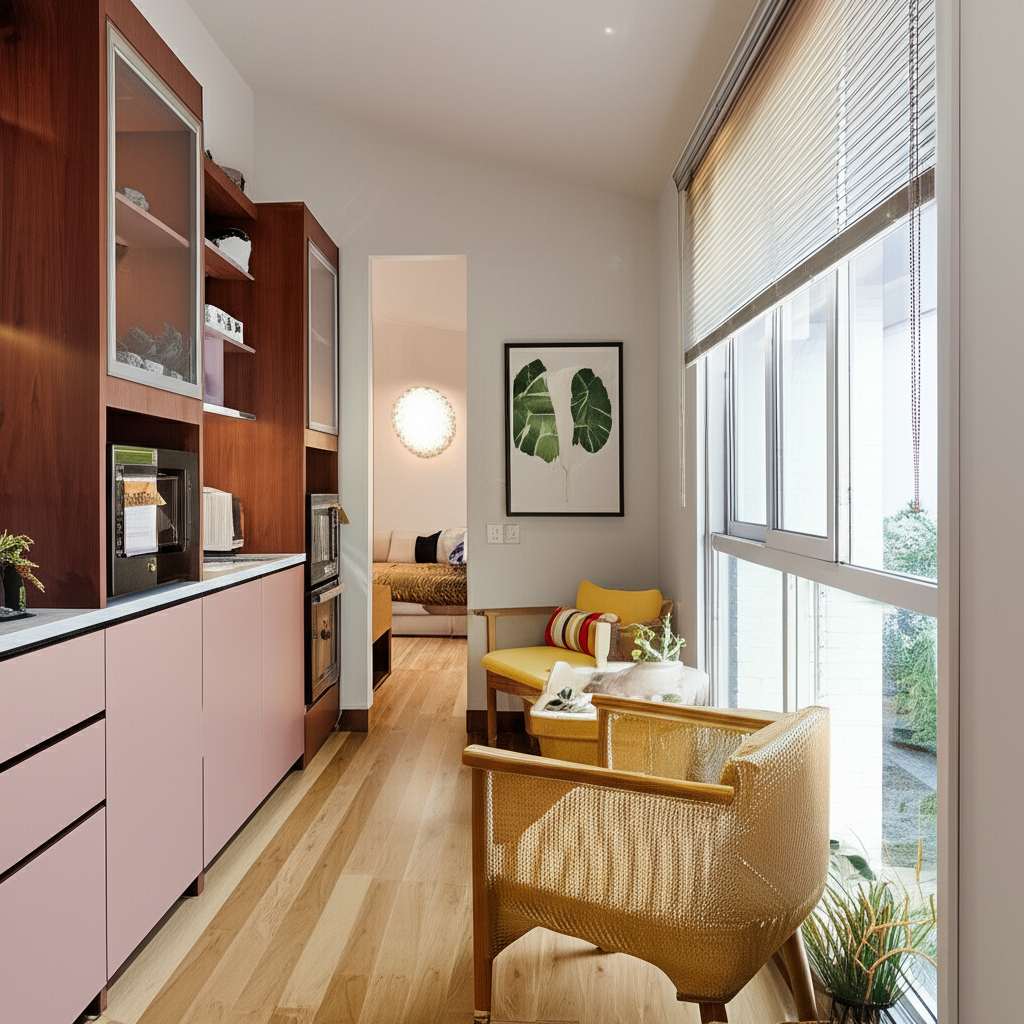
But what if I told you that some of the most charming and inviting homes are the ones that master small-space living on a budget? You absolutely can create a beautiful, functional, and personalized haven.
This guide is packed with easy-to-implement ideas that will help you maximize your small home’s potential and make it feel bigger and brighter, all while being kind to your wallet. Let’s dive into how you can achieve amazing small house interior design on a budget!

Small House Interior Design: Your Budget-Friendly Blueprint
Designing a small house on a budget is all about making smart choices. It’s about understanding how to use every inch effectively and choosing elements that give you the most bang for your buck. Think of it as a fun challenge to get creative and resourceful!
We’ll walk through practical strategies, from choosing the right colors and furniture to clever storage solutions and DIY decor that adds personality. Get ready to see your small space in a whole new light!
1. The Magic of Light Colors: Expanding Your Space Visually
One of the oldest tricks in the book for making small spaces feel larger is the strategic use of color. Light and neutral tones are your best friends here. They reflect light, making rooms feel more open and airy.
Think about whites, creams, soft grays, and pale blues or greens. These colors create a serene backdrop and make it easier to layer in pops of color with accessories. A cohesive color palette throughout your home can also create a sense of flow, making the entire space feel more unified and expansive.
When painting, consider a matte or eggshell finish. These finishes are great at diffusing light, which can help hide imperfections and make walls appear smoother and further away. High-gloss finishes, while sometimes used to reflect light, can also highlight every little bump and ding, which might not be ideal for a budget-friendly approach where perfect wall surfaces aren’t always a given.
Choosing Your Palette
Here’s a simple way to think about your color scheme:
- Main Wall Color: Choose a light, neutral shade like off-white, pale gray, or a soft beige. This will be your base.
- Accent Colors: Use these sparingly for elements like throw pillows, artwork, or a single accent wall if you’re feeling bold. Think muted blues, greens, or even a soft coral.
- Wood Tones: Lighter wood finishes for furniture and decor can also contribute to an airy feel.
2. Smart Furniture Choices: Multi-functional and Scaled-Right
In a small house, every piece of furniture needs to earn its keep. This is where multi-functional pieces and thoughtful scaling come into play. Avoid bulky, oversized items that will eat up precious floor space and make the room feel cramped.
Look for furniture that serves more than one purpose. A storage ottoman can be a footrest, extra seating, and a place to stash blankets. A sofa bed is perfect for guests. A console table behind a sofa can double as a desk or dining surface.
When choosing furniture, consider its visual weight. Furniture with exposed legs, for example, allows light and air to flow underneath, making the room feel less cluttered than solid, skirted pieces. This trick creates an illusion of more floor space.
Key Furniture Pieces for Small Spaces:
- Nesting Tables: These can be pulled out when you need more surface area and neatly tucked away when not in use.
- Sofa with Clean Lines: Opt for a sofa that isn’t too deep and has a streamlined silhouette.
- Vertical Storage: Tall, narrow bookshelves or shelving units draw the eye upward and maximize storage without taking up much floor space.
- Wall-Mounted Furniture: Floating shelves, wall-mounted desks, or bedside tables can free up floor space and create a minimalist look.
For budget-friendly options, scour thrift stores, Facebook Marketplace, or look for sales at major retailers. Sometimes, a fresh coat of paint or new hardware can completely transform an inexpensive piece.
3. The Power of Mirrors: Doubling Your Space Instantly
Mirrors are a small-space designer’s secret weapon! They work by reflecting light and the surrounding environment, creating an illusion of depth and making your room feel significantly larger and brighter. It’s like adding an extra window without the cost or construction.
Strategically placed mirrors can do wonders. Place a large mirror opposite a window to reflect natural light and the view outside. This will instantly brighten the room and make it feel more open.
Consider a full-length mirror leaning against a wall in a hallway or bedroom. It serves a practical purpose and visually expands the area. You can also group smaller decorative mirrors together for a stylish wall feature that adds sparkle and dimension.
Mirror Placement Tips:
- Opposite a Window: Maximizes natural light and the view.
- In a Hallway: Makes a narrow space feel wider.
- Behind a Light Source: Amplifies the light from a lamp or candle.
- As a Focal Point: A decorative mirror can be the star of a gallery wall or above a fireplace.
You can find affordable mirrors at discount home stores, flea markets, or even by repurposing old frames. Don’t be afraid to experiment with different shapes and sizes to see what works best for your space.
4. Clever Storage Solutions: Declutter for a Bigger Feel
Clutter is the enemy of small spaces. The more organized and tidy your home is, the larger and more serene it will feel. Investing in smart storage solutions is crucial for maintaining a clutter-free environment.
Think vertically! Walls are prime real estate in a small home. Install shelves, cabinets, and hooks wherever you can. This gets items off the floor and surfaces, instantly making the room feel more spacious.
Hidden storage is also your friend. Opt for furniture with built-in storage, like beds with drawers underneath or ottomans with hidden compartments. Baskets and decorative boxes are excellent for corralling smaller items on shelves or inside cabinets, keeping things tidy and out of sight.
Budget-Friendly Storage Ideas:
- Floating Shelves: Affordable and can be installed almost anywhere.
- Over-the-Door Organizers: Great for shoes, cleaning supplies, or toiletries.
- Pegboards: Perfect for kitchens, craft rooms, or garages to hang tools and supplies.
- Storage Baskets and Bins: Use these on shelves, in closets, or under furniture to contain items.
- Under-Bed Storage: Utilize rolling bins or drawers to store seasonal clothing or extra bedding.
For more inspiration on maximizing storage, check out resources from organizations like the U.S. Environmental Protection Agency on waste reduction and smart consumption, which can lead to less stuff to store in the first place!
5. Lighting is Key: Brighten Up Every Corner
Good lighting can dramatically change the perception of space. A well-lit room feels larger, more inviting, and more functional. In small homes, layered lighting is essential to avoid dark corners and create a warm ambiance.
Start with natural light. Keep window treatments light and airy – think sheer curtains or blinds that can be easily opened. Maximize the sunlight that comes in.
For artificial lighting, layer different types: ambient, task, and accent lighting. Ambient lighting provides general illumination (like an overhead fixture). Task lighting is for specific activities (like a reading lamp by your chair). Accent lighting highlights features (like a spotlight on artwork).
Budget Lighting Solutions:
- Floor and Table Lamps: These are relatively inexpensive and can be moved around to adjust light levels and create cozy reading nooks.
- String Lights: Fairy lights or string lights can add a whimsical and warm glow to a room for a very low cost.
- Smart Bulbs: While the initial cost might be slightly higher, smart bulbs allow you to control brightness and color temperature, creating different moods without buying multiple fixtures.
- Update Fixtures: Replacing an outdated ceiling fixture with a more modern, scaled-down version can make a big difference. Look for sales at hardware stores.
Remember to use bulbs that emit a warm light (around 2700K-3000K) for a cozy feel, rather than a harsh, cool light. Energy-efficient LED bulbs are also a great long-term budget saver.
6. Vertical Space Utilization: Draw the Eye Upward
In a small home, looking up is just as important as looking around! Utilizing vertical space not only adds storage but also draws the eye upward, making the room feel taller and more expansive.
Think about installing tall, narrow bookshelves or open shelving units. These take up minimal floor space but offer significant storage. They also create visual interest and can be styled to add personality.
Wall-mounted elements are fantastic for this. Consider wall-mounted desks, entertainment centers, or even kitchen cabinets that go all the way to the ceiling. This maximizes storage and minimizes visual clutter on the floor.
Ideas for Vertical Decor and Storage:
- Tall, Slim Bookshelves: Draw the eye up and provide ample storage.
- Wall-Mounted Shelving: For books, decor, or kitchen essentials.
- Hanging Plants: Add greenery without taking up surface space.
- Artwork Hung Strategically: Consider a vertical gallery wall or a tall, narrow piece of art.
- Curtains Hung High: Install curtain rods close to the ceiling to make windows appear larger and ceilings higher.
For DIYers, consider building simple shelves yourself. Resources like those from Popular Mechanics can guide you through basic woodworking projects.
7. Decorating with Mirrors and Glass: Light and Reflection
Beyond functional mirrors, incorporating reflective surfaces through decor can further enhance the sense of space. Glass tabletops, metallic accents, and mirrored furniture pieces can bounce light around the room.
A glass-top coffee table, for instance, has a much lighter visual presence than a solid wood one. It allows you to see the floor underneath, making the area feel more open. Similarly, metallic finishes on lamps, picture frames, or decorative objects can add a touch of glamour while also reflecting light.
Be mindful not to overdo it. Too many reflective surfaces can make a space feel cold or cluttered. The key is to use them strategically to enhance light and create visual interest.
Reflective Decor Elements:
| Element | Budget-Friendly Examples | Effect in Small Spaces |
|---|---|---|
| Glass Furniture | Glass-top coffee tables, console tables, or side tables. | Creates an illusion of more floor space, feels lighter. |
| Metallic Accents | Picture frames, lamp bases, decorative bowls, drawer pulls. | Reflects light, adds sparkle, and can make a space feel more luxe. |
| Mirrored Surfaces | Mirrored trays, decorative mirror arrangements, mirrored cabinet fronts (if available affordably). | Amplifies light and can create the illusion of depth. |
When shopping for these items on a budget, check out discount home stores, thrift shops, or look for items with brushed or antiqued metallic finishes which can often be more affordable and less flashy than high-gloss chrome.
8. DIY Decor and Personal Touches: Budget-Friendly Personality
Your home should reflect you! One of the best ways to decorate a small space on a budget is by infusing it with your own personality through DIY projects and thoughtful, affordable decor.
Instead of buying expensive art, create your own! This could be a simple abstract painting, a framed collection of pressed flowers, or a gallery wall of personal photos. Thrift stores are also goldmines for unique frames that you can paint to match your decor.
Repurposing items is another fantastic budget strategy. Old jars can become stylish vases or storage containers. Wooden crates can be painted and stacked to create unique shelving. Even old fabric can be turned into custom throw pillow covers or wall hangings.
DIY Decor Project Ideas:
- Painted Furniture: Give an old dresser or side table a new lease on life with a fresh coat of paint.
- Upcycled Vases/Containers: Decorate jars or cans with paint, twine, or fabric.
- Personalized Photo Gallery Wall: Print your favorite photos and arrange them in a pleasing display.
- DIY Wall Art: Experiment with paint, stencils, or even fabric scraps.
- Custom Throw Pillows: Buy inexpensive plain pillow covers and embellish them with fabric paint, embroidery, or iron-on transfers.
Platforms like Pinterest and YouTube are overflowing with free tutorials for every DIY project imaginable. This is where you can truly let your creativity shine without spending a lot of money.
9. Strategic Use of Textiles: Adding Warmth and Texture
Textiles are incredibly effective at adding warmth, comfort, and personality to a small space without a huge investment. Think rugs, curtains, throw pillows, and blankets.
A well-chosen rug can anchor a seating area, define a space within a larger room, and add a much-needed pop of color or pattern. In small spaces, a rug that is too small can make the room feel even smaller, so choose wisely. A larger rug that extends under the front legs of your furniture can make the room feel more cohesive and expansive.
Curtains can also make a big impact. As mentioned earlier, hanging them high and wide can make windows appear larger and ceilings taller. Opt for lighter fabrics that allow light to filter through, or choose a subtle pattern that adds visual interest without overwhelming the space.
Textile Tips for Small Homes:
- Layering Textures: Combine different materials like soft knits, faux fur, linen, and cotton for depth.
- Color and Pattern: Use these elements in smaller doses through throw pillows, blankets, or accent rugs to avoid making the space feel busy.
- Rugs: Choose a size that fits the space well. A rug that is too small can make the room feel disconnected.
- Curtains: Opt for lighter fabrics and hang them high and wide to enhance window size and ceiling height.
When buying textiles on a budget, keep an eye out for sales at fabric stores or home goods retailers. You can also find great deals on items like throw pillows and blankets at discount stores.
10. Decluttering and Organization: The Foundation of Small Space Design
Before you even think about buying new decor, the most crucial step in small house interior design on a budget is to declutter. Less stuff means more space, both physically and visually.
Take a critical look at everything you own. Do you use it? Do you love it? If the answer is no, it might be time to donate, sell, or discard it. This process not only frees up space but can also be a therapeutic way to refresh your home.
Once you’ve decluttered, establish systems for keeping things organized. Assign a home for everything. This might involve using drawer dividers, shelf organizers, or labeling containers. Consistent organization prevents clutter from accumulating again.
Decluttering and Organization Strategies:
- The One-Year Rule: If you haven’t used an item in a year, consider letting it go.
- Categorize and Conquer: Tackle one category at a time (e.g., books, clothes, kitchenware).
- “Keep,” “Donate,” “Trash” Piles: Have these ready when you start decluttering.
- Vertical Storage: As discussed, use shelves and wall-mounted solutions.
- Hidden Storage: Utilize bins, baskets, and furniture with built-in storage.
- Regular Purges: Make decluttering a regular habit, not a one-time event.
For more insights on effective decluttering, resources like those from the U.S. Environmental Protection Agency offer excellent advice on reducing waste, which is intrinsically linked to decluttering and mindful consumption.
FAQ: Small House Interior Design on a Budget
Q1: What is the most effective way to make a small room feel bigger on a budget?
The most effective budget-friendly way is to use light, neutral paint colors on the walls and ceiling. These colors reflect light, making the space feel more open and airy. Strategically placed mirrors also work wonders by creating an illusion of depth.
Q2: What kind of furniture should I avoid in a small house?
You should avoid bulky, oversized furniture that dominates the room. Furniture with thick arms, dark upholstery, or a heavy visual presence can make a small space feel cramped. Opt for pieces with clean lines, exposed legs, and multi-functional capabilities.
Q3: Are there affordable ways to add personality to a small space?
Absolutely! DIY decor projects, personal photographs, affordable artwork from local artists or online marketplaces, and plants are excellent ways to add personality. Even changing out hardware on cabinets or updating light fixtures can make a big difference.
Q4: How can I maximize storage in a small apartment without spending a lot of money?
Focus on vertical storage like floating shelves and tall, narrow bookcases. Utilize over-the-door organizers, under-bed storage bins, and decorative baskets. Wall-mounted solutions are also great for freeing up floor space. Repurposing items like crates or jars can also be a cost-effective storage solution. For even more ideas, explore our guide on stylish kitchen storage accessories that double as chic decor.
Q5: What colors are best for small house interiors on a budget?
Light and neutral colors are generally best. Think whites, off-whites, creams, light grays, and soft pastels like pale blues or greens. These colors make spaces feel brighter and more expansive. You can add pops of color through accessories like throw pillows or artwork.
Q6: How important is lighting in a small space, and what are budget-friendly lighting tips?
Lighting is extremely important! Good lighting makes a room feel larger and more welcoming. Budget-friendly tips include maximizing natural light with sheer curtains, using floor and table lamps for layered lighting, adding string lights for ambiance, and choosing energy-efficient LED bulbs.
Conclusion: Your Stylish, Small Space Awaits!
Designing a small house on a budget is not about limitations; it’s about creativity and smart choices. By focusing on light colors, multi-functional furniture, clever storage, strategic lighting, and personal DIY touches, you can transform your cozy abode into a stylish, functional, and inviting sanctuary.
Remember, the goal is to create a space that feels like you, a place where you can relax and recharge. Don’t be afraid to experiment, get a little crafty, and most importantly, have fun with the process!
You now have a wealth of budget-friendly ideas to tackle your small house interior design. Start with one or two ideas that resonate most with you, and watch your space come to life. If you’re ready to tackle the heart of your home, check out our tips for cozy small kitchen ideas that maximize every square inch. Happy decorating!