
Quick Summary: Transform a small kids’ bedroom into an amazing space with smart design ideas! Focus on vertical storage, multi-functional furniture, and playful decor to maximize every inch. Get creative with color and lighting to make the room feel bigger and more inspiring for your child.
Is your child’s room feeling a bit cramped? You’re not alone! Designing a small bedroom for kids can feel like a puzzle, but it’s also a fantastic opportunity to get creative.
Don’t worry if you’re new to decorating. We’ll walk through simple, stylish, and budget-friendly ideas that will make even the tiniest room feel spacious and fun.
Get ready to discover how to turn a small space into your child’s favorite spot in the house. Let’s dive into making some magic!
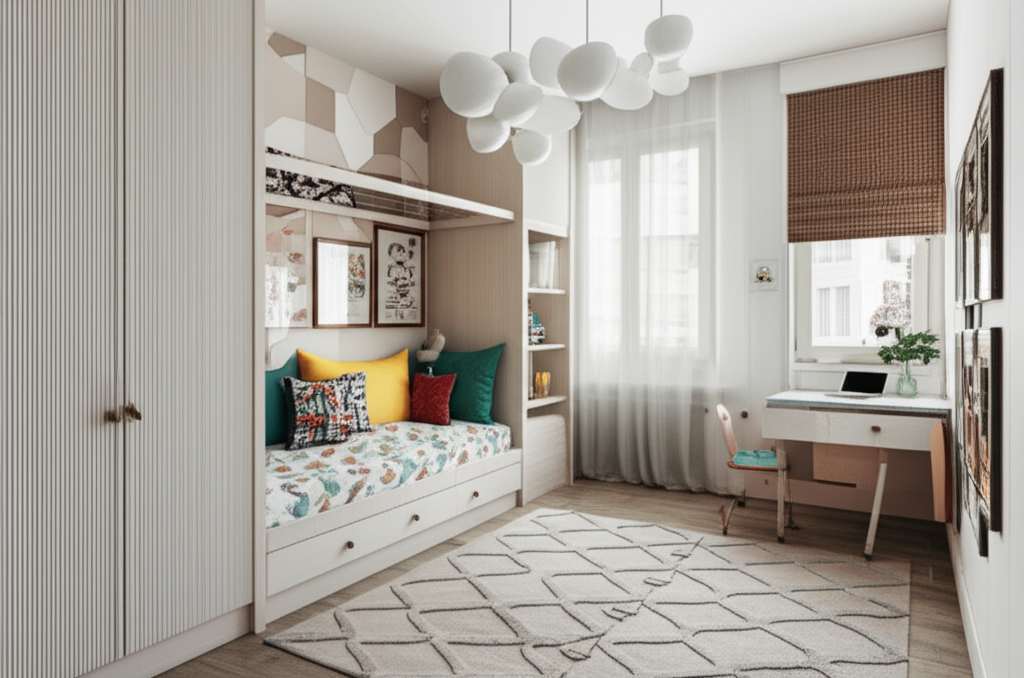
Small Kids Bedroom Design Ideas: Making Every Inch Count
Creating a wonderful bedroom for a child in a small space is all about being clever with what you have. It’s not about fitting more in, but about using the space wisely and making it feel open and exciting.
We’ll explore how to choose the right furniture, use color to your advantage, and add those special touches that make a room truly theirs. Let’s get started on making this small room an amazing space!
1. Smart Storage Solutions: The Key to a Clutter-Free Haven
In any small room, especially a child’s, storage is king! Toys, books, clothes – they all need a home. The trick is to find storage that is both functional and doesn’t take up too much precious floor space.
Think vertically! Walls are your best friends when you’re working with limited square footage. Using shelves, wall-mounted units, and even the space above the door can make a huge difference.
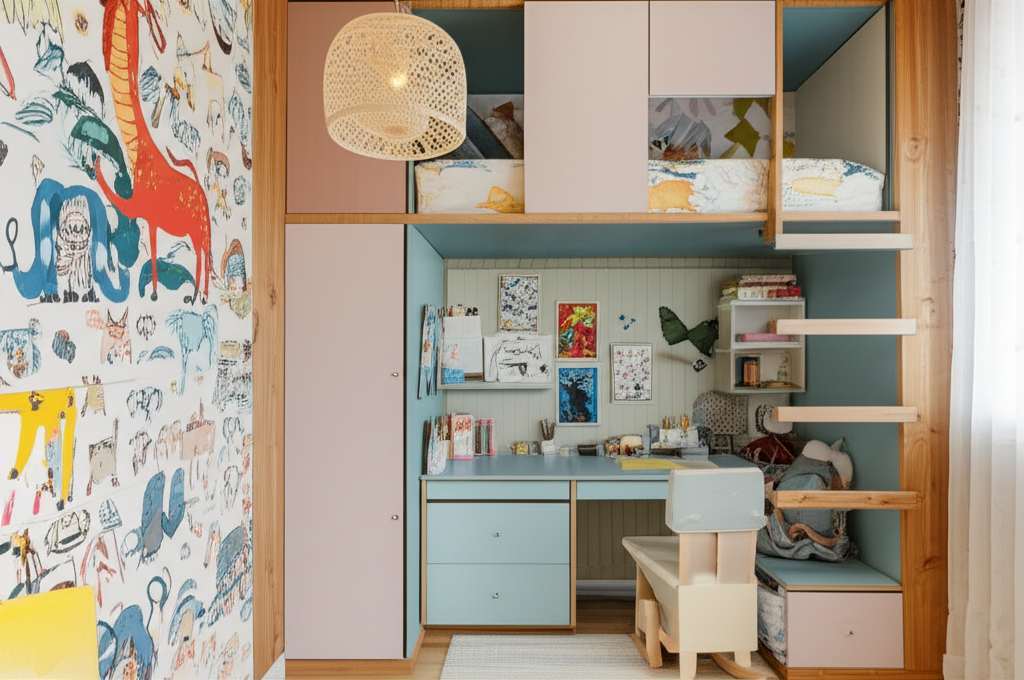
Maximize Wall Space with Shelving
Floating shelves are a fantastic option. They look clean and modern and can hold books, toys, or decorative items without overwhelming the room. You can arrange them in fun patterns too, adding a playful element.
Consider open shelving for items you want on display and closed cabinets or drawers for things that need to be tucked away. This keeps the room looking tidy and organized.
Creative Toy Storage Ideas
Baskets and bins are your secret weapons. Use fabric bins on shelves or in a cube storage unit to corral smaller toys. They are easy for kids to pull out and put away themselves, encouraging independence.
Ottomans with hidden storage are also brilliant. They provide extra seating and a place to stash blankets, stuffed animals, or toys. It’s a win-win for style and storage!
Under-the-Bed Storage
Don’t forget the space under the bed! Rolling drawers or shallow storage boxes are perfect for stashing seasonal clothes, extra bedding, or less-used toys. This is prime real estate in a small room!
2. Multi-Functional Furniture: Double Duty for Double Impact
When space is limited, furniture that serves more than one purpose is a game-changer. These pieces help you get more bang for your buck (and your square footage!).
Look for items that can adapt or serve dual roles. This reduces the number of individual pieces you need, freeing up floor space and making the room feel less cluttered.
The Mighty Loft Bed
A loft bed is a classic for a reason. It lifts the sleeping area off the floor, creating valuable space underneath. This can be used for a desk, a play area, a cozy reading nook, or even more storage!
This is a fantastic way to essentially add another functional zone to the room without needing extra floor space. Imagine a little fort or a homework station right under their bed!
Sofa Beds and Daybeds
If your child’s room also needs to double as a guest space or a play zone, a sofa bed or a daybed can be incredibly useful. During the day, it’s a comfy spot to sit and play; at night, it transforms into a bed.
This is especially great for smaller apartments or for rooms that need to be versatile. It’s a smart way to maximize the room’s utility.
Storage Beds
Even if a loft bed isn’t the right fit, a bed with built-in drawers or a lift-up mattress mechanism offers ample hidden storage. It’s perfect for keeping bedding, toys, or out-of-season clothes organized and out of sight.
3. Color and Light: Creating an Illusion of Space
The colors and lighting in a room have a powerful effect on how large or small it feels. With a few smart choices, you can make a small bedroom feel much more open and airy.
Lighter colors reflect light, making a room feel bigger. Strategic lighting can also brighten dark corners and make the space feel more welcoming.
Light and Bright Color Palettes
Opt for soft, neutral colors on the walls like light blues, greens, whites, or pale grays. These colors reflect natural light and create a sense of calm and spaciousness.
You can always add pops of brighter color through accessories like pillows, bedding, rugs, or artwork. This keeps the main color scheme light and airy while still being fun and engaging for a child.
Using Mirrors to Expand Space
Mirrors are magical for small spaces! Placing a large mirror on a wall can instantly make the room feel twice as big by reflecting light and the visual space of the room.
Position mirrors opposite windows to maximize the reflection of natural light. Just ensure they are securely mounted and out of reach of very young children.
Strategic Lighting
Good lighting is crucial. Rely on a mix of ambient (overhead), task (desk lamp), and accent lighting. Ensure there are no dark corners that make the room feel smaller.
Consider a ceiling fixture that provides good overall light. A wall-mounted sconce or a small desk lamp can add task lighting without taking up surface space. Fairy lights can add a magical touch and extra ambient light.
4. Layout and Furniture Placement: The Art of Flow
How you arrange furniture in a small room can make all the difference. The goal is to create clear pathways and avoid making the room feel cramped or cluttered.
Think about how your child uses the room. Where do they play? Where do they sleep? Where do they do homework or read? Plan the layout to support these activities efficiently.
Keep the Center Open
Try to keep the central area of the room as open as possible. This creates a sense of flow and makes the room feel larger. Push larger furniture pieces like beds and wardrobes to the walls.
Avoid placing furniture in a way that blocks natural light from windows or creates awkward pathways. A clear floor space is key for play and movement.
Corner Utilization
Corners are often underutilized. A corner desk, a corner bookshelf, or even a cozy reading nook can make excellent use of these often-empty spaces.
This is a great way to add functionality without encroaching on the main living area of the room.
Scale of Furniture
Choose furniture that is appropriately sized for the room. Oversized furniture will make a small space feel even smaller. Look for pieces with a slim profile or those designed for smaller spaces.
For example, a narrow dresser might be better than a wide one. A twin bed is usually sufficient for a child and takes up less space than a full or queen.
5. Decor and Personal Touches: Making it Their Own
Once the practical elements are in place, it’s time for the fun part – decorating! This is where you bring personality and joy into the room, making it a space your child will love.
Even in a small room, personal touches make a big impact. Focus on elements that add character without adding clutter.
Playful Wall Art and Decals
Wall decals are a fantastic, non-permanent way to add personality. They come in endless themes – animals, stars, superheroes, geometric patterns – and can be easily applied and removed.
Consider a gallery wall with your child’s artwork, framed photos, or inspirational prints. This adds color and interest without taking up floor space.
The Power of Textiles
Bedding, curtains, and rugs are excellent ways to introduce color, pattern, and texture. Choose a vibrant duvet cover or a fun rug to anchor the room and add a playful vibe.
Ensure curtains are functional for blocking light for sleep but also let in plenty of natural light during the day. Light-filtering options can be great for smaller rooms.
Themed Rooms Made Easy
You don’t need elaborate built-ins to create a theme. A few key elements can set the mood. For a space theme, think star decals, a moon-shaped lamp, and bedding with planets. For a jungle theme, add some leafy plants (real or faux) and animal prints.
Focus on accessories that tie the theme together. This is a budget-friendly way to create a magical space without making permanent changes.
6. Creating Zones: Defining Spaces Within a Small Room
Even in a compact room, you can create distinct zones for sleeping, playing, and studying. This helps organize the room and makes it feel more functional and intentional.
Zoning can be achieved through furniture placement, rugs, or even different wall colors or lighting. It’s about visually separating areas.
The Sleep Zone
This is usually centered around the bed. Make it cozy and inviting with comfortable bedding and perhaps a bedside table or shelf for essentials like a book or a nightlight.
A soft rug around the bed can also define this area and add warmth.
The Play Zone
This area should ideally have open floor space for active play. Storage bins and shelves should be easily accessible here to encourage tidying up after playtime.
Consider a small play table or a soft mat to define this space.
The Study/Creative Zone
If your child is school-aged, a small desk or a dedicated craft area is important. Ensure good lighting here. It could be a corner desk or a wall-mounted fold-down desk to save space.
Keep art supplies organized in bins or drawers nearby.
Designing for Different Age Groups
The needs of a small bedroom change as a child grows. Here are a few considerations for different age groups:
| Age Group | Key Considerations | Example Ideas |
|---|---|---|
| Toddlers (1-3 years) | Safety first! Low furniture, rounded edges. Ample soft play space. Easy access to toys. | Floor-level bed, soft rug, accessible toy bins, wall decals of friendly animals. |
| Preschoolers (4-6 years) | Encourage imaginative play. Storage for dress-up clothes and art supplies. Kid-friendly height for shelves. | Themed bedding, a small table for drawing, open shelving for books and toys, mirror for pretend play. |
| School-Aged Children (7-12 years) | Space for homework and hobbies. More organized storage for books and collections. Personal expression through decor. | Desk with good lighting, modular shelving, display shelves for treasures, wall art reflecting interests. |
| Teens (13+ years) | More mature aesthetic. Space for electronics and personal items. Comfortable seating for friends. Personalization is key. | Sleek storage solutions, mood lighting, pinboard for photos/art, possibly a small sofa or bean bags. |
Budget-Friendly Tips for Small Kids’ Bedrooms
You don’t need to break the bank to create an amazing space. Here are some tips to keep costs down:
- DIY Decor: Get creative with paint, stencils, or fabric scraps.
- Secondhand Finds: Look for furniture or decor items at thrift stores or online marketplaces. A fresh coat of paint can work wonders!
- Repurpose Items: Old crates can become stylish storage. Jars can hold crayons.
- Focus on Key Pieces: Invest in one or two quality multi-functional items and save on smaller decor.
- Swap and Share: If you have friends with kids, consider swapping outgrown items.
Safety First in Small Spaces
When designing any room for children, safety is paramount. In small spaces, it’s even more important to be mindful of potential hazards.
- Secure Furniture: Anchor tall furniture like bookshelves and dressers to the wall to prevent tipping. Organizations like the U.S. Consumer Product Safety Commission offer great resources on furniture tip-over prevention.
- Cord Management: Keep electrical cords tidy and out of reach.
- Safe Materials: Choose non-toxic paints and finishes. Ensure rugs have non-slip backing.
- Window Safety: Use cordless blinds or secure cords to prevent strangulation hazards. Consider window guards if the room is on an upper floor.
- Rounded Edges: Opt for furniture with rounded corners, especially for younger children.
Frequently Asked Questions (FAQs)
Q1: How can I make a small kids’ room look bigger?
A1: Use light colors on walls, maximize natural light, incorporate mirrors, and choose furniture that is scaled appropriately for the room. Keeping the floor clear also helps create an illusion of more space.
Q2: What’s the best type of bed for a small kids’ room?
A2: Loft beds are excellent for creating extra space underneath for a desk or play area. Storage beds with built-in drawers or lift-up mechanisms are also very practical for maximizing storage.
Q3: How much storage is enough for a kids’ room?
A3: It’s better to have slightly more storage than you think you’ll need! Focus on vertical storage like wall shelves and cube units, plus under-bed drawers and toy bins. Decluttering regularly also helps manage toy overflow.
Q4: Can I use bold colors in a small kids’ room?
A4: Absolutely! While light colors can make a room feel bigger, you can still use bold colors as accents. Think vibrant bedding, a colorful rug, or a few bright pillows. A single accent wall in a bolder shade can also add personality without overwhelming the space.
Q5: How do I decorate a small kids’ room without making it look cluttered?
A5: Prioritize multi-functional furniture and smart storage solutions. Keep decorative items intentional rather than numerous. Use wall space for art or shelves instead of cluttering surfaces. Regular tidying is also key!
Q6: Is it okay to have themed decor in a small room?
A6: Yes, but do it smartly! Focus on a few key elements that tie into the theme, like bedding, a rug, or wall decals. Avoid too many small, scattered themed items that can contribute to a cluttered look. A cohesive theme can actually help organize the room’s aesthetic.
Q7: How can I make a small kids’ bedroom more playful and fun?
A7: Incorporate elements like fun wall decals, colorful bedding, a quirky lamp, or a play tent. Use the vertical space for a climbing wall or interesting shelving. Even a chalkboard or whiteboard wall can add a playful, interactive element.
Conclusion: Your Child’s Amazing Space Awaits!
Designing a small kids’ bedroom doesn’t have to be a challenge; it can be an exciting creative project! By focusing on smart storage, multi-functional furniture, and the clever use of color and light, you can transform any compact space into a functional, beautiful, and inspiring haven for your child.
Remember, the most important elements are creating a safe environment and a room that reflects your child’s personality and sparks their imagination. Whether you’re dealing with a tiny nook or a modest-sized room, these ideas provide a roadmap to maximize every inch.
So go ahead, experiment with these tips, have fun with the process, and watch as your child’s small bedroom becomes their favorite amazing space!