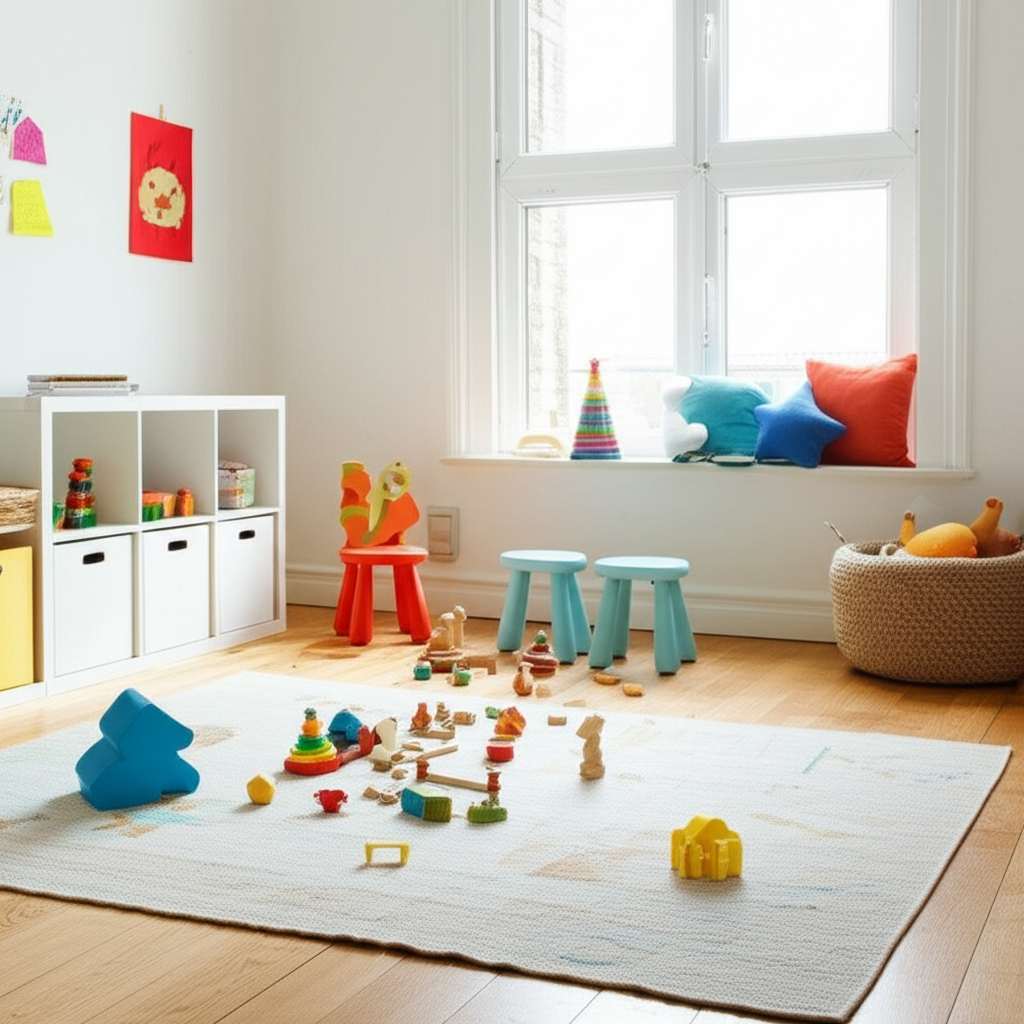
Transforming a small space into a vibrant, fun-filled playroom is achievable with clever design and smart organization. Focus on multi-functional furniture, adaptable zones, and a pop of color to maximize play and minimize clutter, creating an engaging environment for your little ones.
Does the thought of designing a playroom for your little ones feel a bit… overwhelming? Especially when space is tight? You’re not alone!
Many parents dream of a dedicated space for their children to explore, create, and have endless fun. But the reality of small homes often means that dream playroom feels out of reach.
Don’t worry! With a few smart ideas and a sprinkle of creativity, you can design an amazing playroom, no matter the size of your room. Let’s unlock the potential of your space together.
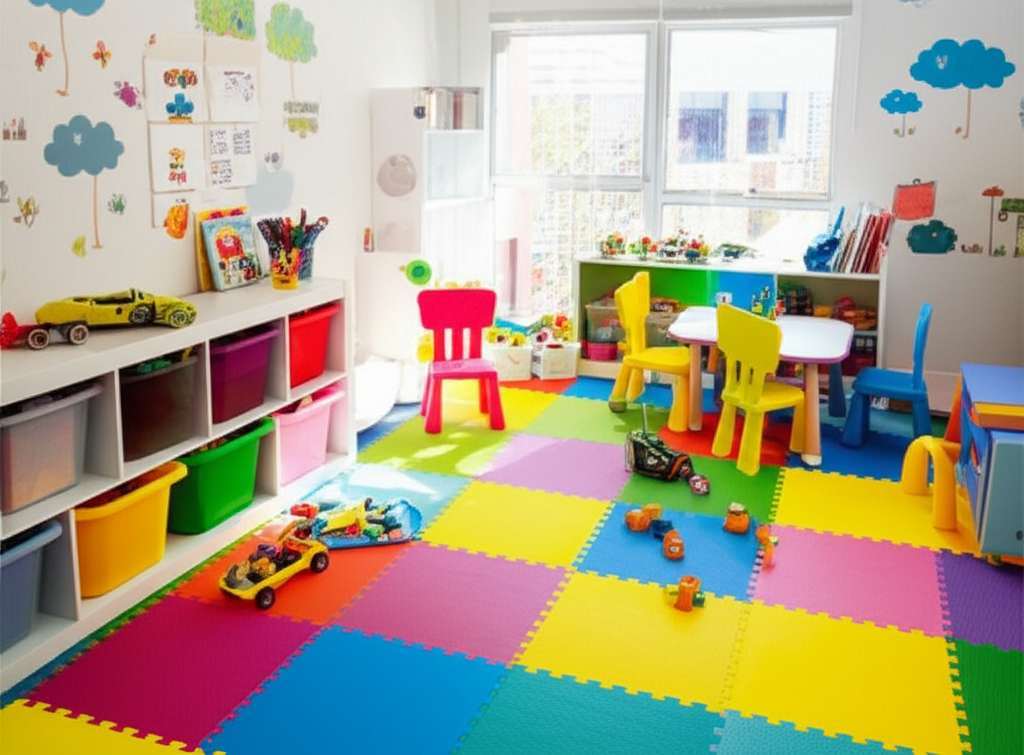
Small Kids Playroom Design Ideas: Making Every Inch Count
Creating a functional and fun playroom in a small space is all about smart choices and maximizing what you have. It’s not about having a huge room; it’s about making the most of the space you’ve got!
Think about how your child plays. Do they love building towering structures? Are they aspiring artists? Or perhaps they’re little adventurers exploring imaginary worlds? Tailoring the space to their interests will make it even more special.
The key is to be intentional. Every item, every color, and every layout choice should serve a purpose, whether it’s storage, play, or creating a cozy nook. Let’s dive into some ideas that will make your small playroom a hub of amazing fun!
1. Define Zones for Different Activities
Even in a small room, creating distinct zones can make a big difference. This helps children understand where to do certain activities and keeps things a bit more organized. Think of it like a mini-town within their playroom!
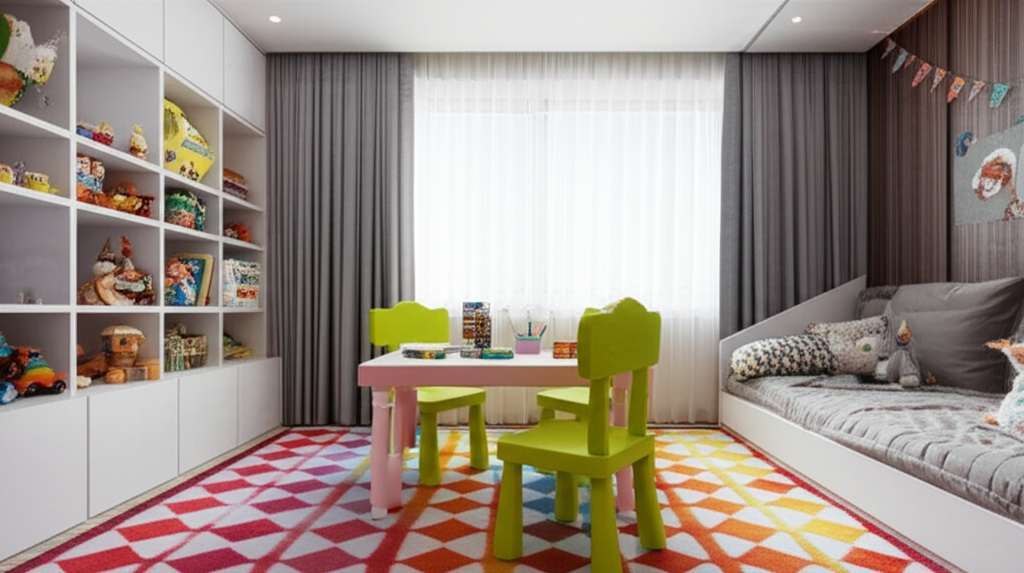
- Creative Corner: A small table and chairs with easy access to art supplies like crayons, paper, and washable paints. A small easel can be a fantastic addition if space allows.
- Building Zone: A designated rug area or a low, sturdy table for building blocks, LEGOs, or magnetic tiles. This keeps the building mess contained.
- Reading Nook: A comfy beanbag chair, a small bookshelf filled with their favorite stories, and soft lighting. This is a calm space for quiet time.
- Active Play Area: Clear a small space for them to move, dance, or play with soft toys. Even a few square feet can be enough for imaginative movement.
Dividing the room visually, perhaps with a rug or a strategically placed piece of furniture, can help delineate these zones without needing walls. This keeps the flow of the room open and airy.
2. Smart Storage Solutions are Your Best Friend
This is perhaps the most crucial element in a small playroom. Clutter can quickly make a small space feel even smaller and less fun. Clever storage keeps toys tidy and makes cleanup a breeze.
- Vertical Storage: Use wall shelves and tall, narrow bookshelves. This draws the eye upward and gets items off the floor. Anchor any tall furniture securely to the wall for safety, especially around children. Organizations like the Consumer Product Safety Commission offer excellent tips on furniture tip-over prevention.
- Storage Bins and Baskets: Opt for clear bins so kids can see what’s inside, or use attractive fabric bins that match your decor. Labeling bins can also help children learn to put things back in their designated spots.
- Under-Furniture Storage: Look for beds or benches with built-in drawers or use under-bed storage containers. This hidden space is perfect for less frequently used toys or seasonal items.
- Pegboards and Wall Organizers: These are fantastic for hanging art supplies, small toys, or even costumes. They keep items accessible yet out of the way.
Consider furniture that doubles as storage, like a toy chest that can also serve as a bench for seating. This multi-functional approach is key in small spaces.
3. Choose Multi-Functional Furniture
In a small playroom, every piece of furniture should work hard. Think about items that can serve more than one purpose, saving precious floor space and offering flexibility.
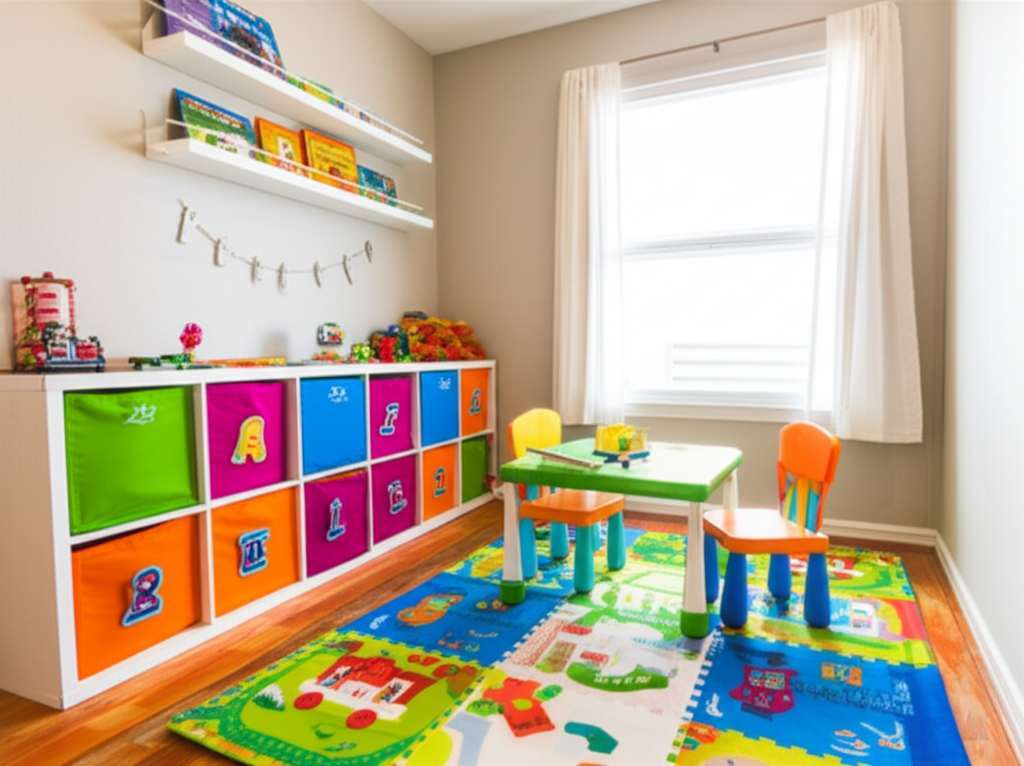
- Toy Chests that Double as Benches: Perfect for storing toys and providing extra seating.
- Ottomans with Storage: Great for stashing small toys, books, or blankets, and can also be used as a footrest or extra seating.
- Fold-Down Desks: A wall-mounted desk that folds up when not in use can be a great spot for drawing or puzzles, freeing up floor space when needed.
- Modular Shelving: Units that can be reconfigured as your child grows or your needs change offer long-term value and adaptability.
When selecting furniture, prioritize pieces that are appropriately sized for children. Low-profile furniture can make the room feel larger and more open.
4. Play Up the Walls
Don’t let your walls go to waste! They are prime real estate in a small playroom, offering opportunities for both storage and play.
- Chalkboard or Dry-Erase Paint: Transform a section of a wall into a giant canvas for drawing and doodling. This is a fantastic way to encourage creativity without taking up floor space.
- Wall Decals: These are a temporary and fun way to add personality to the room. Choose themes your child loves, like animals, stars, or favorite characters.
- Floating Shelves: Install shallow shelves to display favorite books, toys, or artwork. They provide storage and a decorative element.
- Magnetic Paint: Paint a section of the wall with magnetic paint, then cover it with regular paint. Kids can then stick magnetic letters, numbers, or toys to the wall.
Remember to keep any wall-mounted play elements at a height that is accessible to your child, but also consider a few higher shelves for items you want to keep out of reach.
5. Color and Decor: Brighten and Inspire
Color is a powerful tool in a playroom. It can influence mood and energy levels, and in a small space, it can also make the room feel larger and more inviting.
- Light and Airy Base: Start with a neutral or light color for the walls. This makes the room feel more spacious and provides a great backdrop for colorful toys and decor.
- Pops of Color: Introduce vibrant colors through accessories like rugs, cushions, storage bins, and artwork. These can be easily swapped out as your child’s tastes evolve.
- Themed Decor: If your child has a favorite theme (like space, jungle, or fairies), incorporate it subtly through decals, bedding, or small decorative items. Avoid overwhelming the space with too much of one theme.
- Personal Touches: Display your child’s artwork! This not only decorates the space but also celebrates their creativity and makes them feel proud.
Mirrors can also be a great addition to a small playroom. They reflect light and create an illusion of more space. Ensure any mirrors are safely secured to the wall.
6. Flooring: Comfort and Safety First
The floor in a playroom takes a lot of action! It needs to be comfortable for sitting and playing, durable, and easy to clean.
- Soft Rugs: A soft, washable rug can define play zones, add color, and provide a comfortable surface for sitting and playing. Look for low-pile rugs that are easy to vacuum.
- Interlocking Foam Tiles: These are excellent for cushioning falls during active play and are easy to assemble and clean. They also come in a variety of colors.
- Durable Flooring: If you have hardwood or laminate flooring, a good rug can protect it from scratches and spills.
Consider how easy it is to wipe up spills and clean up small messes. This is a practical consideration that will save you a lot of time and effort in the long run.
7. Lighting: Create the Right Ambiance
Good lighting is essential for a playroom. It should be bright enough for activities but also offer options for creating a cozy atmosphere.
- Natural Light: Maximize natural light by keeping windows clear. Use lightweight curtains or blinds that can be easily opened and closed.
- Overhead Lighting: Ensure the main overhead light is bright and functional. A dimmer switch can be a great addition to control the mood.
- Task Lighting: Consider a small desk lamp for the creative corner or a floor lamp for the reading nook.
- Fun Lighting: String lights or a night light can add a touch of magic and make the room feel more inviting, especially during evening play.
Safety is paramount with lighting. Ensure all cords are tucked away and out of reach of children.
8. Safety First: Essential Considerations
When designing any space for children, safety must be the top priority. Even in a small playroom, there are several things to keep in mind.
- Secure Furniture: As mentioned, anchor all tall furniture, bookshelves, and dressers to the wall to prevent tipping.
- Outlet Covers: Use safety covers for all electrical outlets.
- Rounded Corners: Opt for furniture with rounded edges whenever possible to minimize bumps and bruises.
- Non-Toxic Materials: Ensure paints, rugs, and toys are made from non-toxic materials. Check for certifications like EPA lead-free standards if you are painting.
- Cord Safety: Keep all electrical cords, blind cords, and strings tucked away and out of reach.
- Childproofing: Ensure any windows are secured, and doors have safety gates if necessary.
Regularly inspect the playroom for any potential hazards and make adjustments as needed. A safe environment allows for worry-free play.
Sample Playroom Layout for a Small Room (Approx. 8×10 ft)
Here’s a visual idea of how you might arrange a small playroom. This is just a suggestion, and you can adapt it to your specific room dimensions and your child’s needs.
| Area | Description | Key Furniture/Items | Purpose |
|---|---|---|---|
| Wall 1 (Longer Wall) | Bookshelf with storage bins below. A large, low rug defines the main play space. | Tall, narrow bookshelf, fabric storage bins, large area rug. | Reading, general toy storage, open play area. |
| Wall 2 (Shorter Wall) | Small table and chairs with wall-mounted art supply organizer. | Child-sized table and chairs, pegboard or wall shelf for art supplies. | Creative activities, arts and crafts. |
| Corner 1 | Cozy reading nook with a beanbag chair. | Beanbag chair, small floor lamp, perhaps a basket for stuffed animals. | Quiet time, reading, relaxation. |
| Corner 2 | A small, sturdy toy chest or ottoman for block storage. | Toy chest or storage ottoman. | Building toys storage, additional seating. |
| Center Space | Keep this as open as possible for movement. | (None) | Active play, imaginative games. |
This layout prioritizes open floor space in the center while utilizing walls for storage and specific activity zones. The rug helps anchor the main play area, making it feel distinct.
Making it Budget-Friendly: Creative Hacks
You don’t need to spend a fortune to create an amazing playroom. Here are some ideas to keep costs down:
- DIY Storage: Repurpose old crates or wooden boxes. Paint them in bright colors and stack them or add wheels for easy movement.
- Thrift Stores and Second-Hand Finds: Look for gently used furniture, storage solutions, or even toys. You can often find fantastic bargains.
- Printable Art: Many artists offer free or low-cost printable art online. Print them on good quality paper and frame them in inexpensive frames.
- Nature-Inspired Decor: Collect interesting stones, leaves, or branches (ensure they are clean and safe) to use as decorative elements or for nature-based play.
- Fabric Scraps: Use colorful fabric scraps to create DIY cushions or wall hangings.
- Paint Leftovers: If you have leftover paint from other projects, use it to add pops of color to storage bins or furniture.
Remember, the most valuable element is your creativity and effort. Children appreciate a space that is made with love!
Frequently Asked Questions About Small Kids Playroom Design
Q1: How can I make a small playroom feel bigger?
Use light paint colors on walls, maximize natural light, and incorporate mirrors to reflect light and space. Choosing furniture that is appropriately scaled for children and has a low profile also helps. Avoid clutter by implementing smart storage solutions.
Q2: What are the best types of flooring for a kids’ playroom?
Soft, durable, and easy-to-clean options are best. Consider washable rugs, interlocking foam tiles, or even durable vinyl flooring. The goal is to provide cushioning for play and make cleanup simple.
Q3: How do I organize toys in a small playroom?
Utilize vertical space with shelves and wall organizers. Use clear or labeled bins and baskets for easy identification and retrieval. Furniture with built-in storage, like ottomans or toy chests, is also very effective.
Q4: Is it okay to use bright colors in a small playroom?
Absolutely! While a light, neutral base can make the room feel larger, pops of bright, cheerful colors through accessories like rugs, cushions, and artwork can make the space feel fun and stimulating. Just avoid overwhelming the space with too many dark or intense colors.
Q5: What are some multi-functional furniture ideas for a small playroom?
Look for toy chests that double as benches, ottomans with hidden storage, modular shelving units that can adapt, or even fold-down desks that save space when not in use. The more functions a piece of furniture has, the better it is for a small room.
Q6: How can I incorporate a reading nook in a tiny playroom?
A comfortable beanbag chair or a few large floor cushions in a quiet corner can create a perfect reading nook. Add a small, accessible bookshelf and a soft lamp for cozy ambiance. Even a small space can become a beloved retreat.
Q7: What are the most important safety features for a kids’ playroom?
Prioritize securing all tall furniture to the wall to prevent tipping, using outlet covers, ensuring non-toxic materials, and keeping all cords and strings out of reach. Rounded furniture corners are also a good idea. Always childproof the space based on your child’s age and abilities.
Conclusion: Your Dream Playroom Awaits!
Designing a small kids’ playroom doesn’t have to be a daunting task. By focusing on smart zoning, efficient storage, multi-functional furniture, and a touch of creative decor, you can transform even the smallest space into a haven of fun and imagination.
Remember, the most important element is creating a safe, engaging, and joyful environment where your children can learn, grow, and make wonderful memories. Don’t be afraid to get your kids involved in the process – their input can lead to the most inspired ideas!
So, take these ideas, adapt them to your unique space and your child’s personality, and have fun bringing your amazing playroom to life. Happy decorating!