
Transform your cooking space by identifying and fixing common small kitchen storage mistakes. This guide offers a comprehensive checklist to help you declutter, optimize vertical and horizontal space, and organize every cabinet and drawer. Discover practical tips to maximize efficiency and create a functional, enjoyable kitchen, even if it’s tiny. Stop letting limited space cause frustration and start making your kitchen work for you!
Small Kitchen Storage Mistakes Checklist
Welcome to the ultimate guide for conquering the clutter and chaos in your small kitchen! If you’ve ever felt overwhelmed by limited counter space, overflowing cabinets, or the constant struggle to find what you need, you’re not alone. Small kitchens present unique challenges, and it’s all too easy to fall into common storage pitfalls that make them feel even smaller and less functional.
But here’s the good news: with a strategic approach and a little creativity, you can transform your tiny kitchen into a highly efficient, organized, and enjoyable space. This comprehensive checklist is designed to help you identify the most common small kitchen storage mistakes you might be making. More importantly, it provides actionable steps and practical tips to correct them, empowering you to maximize every single inch of your culinary domain.
Get ready to uncover hidden storage potential, streamline your workflow, and say goodbye to frustration. Let’s dive in and revolutionize your small kitchen storage!
Key Takeaways
- Declutter Ruthlessly: The first and most crucial step is to get rid of anything unused, broken, or redundant. This immediately creates actual space, addressing fundamental small kitchen storage mistakes.
- Go Vertical: Don’t overlook the power of height. Utilize shelves, risers, wall-mounted solutions, and stackable containers to maximize every inch of vertical space in cabinets, on walls, and even under shelves.
- Optimize Interiors: Cabinets and drawers are often underutilized. Implement smart organization tools like dividers, pull-out shelves, tiered organizers, and clear containers to make items accessible and visible.
- Embrace Hidden Spaces: Think beyond traditional storage. The backs of cabinet doors, narrow gaps beside appliances, and overlooked corners can become valuable storage zones with the right solutions.
- Maintain Flow & Functionality: Store items where they are most frequently used (e.g., spices near the stove, cutting boards near the prep area). This improves efficiency and prevents common small kitchen storage mistakes related to poor layout.
- Invest in Multi-functional & Space-Saving Items: Choose tools and appliances that serve multiple purposes or are designed to collapse or stack. This reduces clutter and makes the most of limited real estate.
- Regular Maintenance is Key: An organized kitchen isn’t a one-time project. Periodically review, declutter, and adjust your storage system to ensure it remains functional and prevents old small kitchen storage mistakes from creeping back in.
Understanding the Core Problem: Why Small Kitchens Feel Cluttered
Before we jump into the checklist, it’s helpful to understand why small kitchens often become clutter magnets. It’s not just about having less space; it’s also about how we use (or misuse) the space we have. Many small kitchen storage mistakes stem from a lack of intentionality, a fear of letting go, or simply not knowing the best strategies for compact living. When every item feels like it’s fighting for real estate, it’s easy to feel defeated.
Our goal with this checklist is to turn that feeling of defeat into a sense of accomplishment. By methodically going through each point, you’ll gain clarity on exactly where your current system is falling short and discover straightforward solutions to implement. This isn’t just about tidying up; it’s about creating a sustainable, functional environment that supports your cooking and living habits. Let’s get started on identifying those critical small kitchen storage mistakes!
The Small Kitchen Storage Mistakes Checklist: A Deep Dive
Go through each point on this checklist. Be honest with yourself! For every mistake you identify in your own kitchen, make a note of it. These are the areas where you can make the biggest impact.
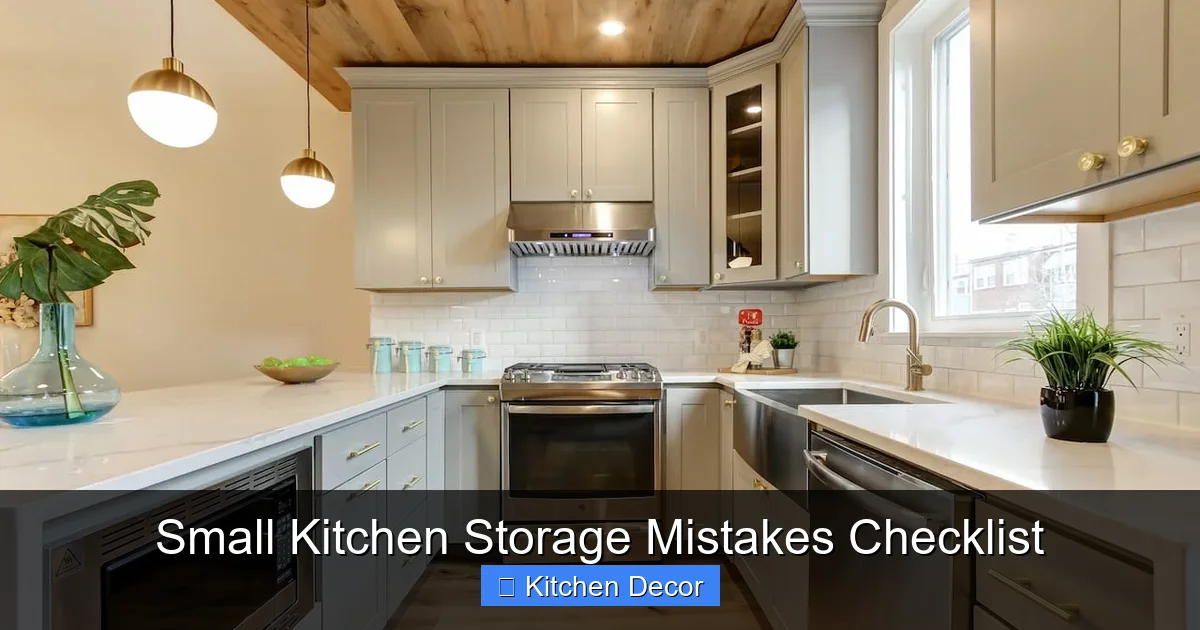
Visual guide about Small Kitchen Storage Mistakes Checklist
Image source: kitchenandbathshop.com
Mistake 1: Not Decluttering Ruthlessly
This is perhaps the biggest and most common of all small kitchen storage mistakes. Before you even think about buying organizers, you need to lighten the load. Many of us hold onto items “just in case,” or because they were gifts, or because we might use them “someday.” In a small kitchen, every item must earn its place.
- Are you keeping duplicates of items you don’t need? (e.g., three can openers, five spatulas, countless chipped mugs).
- Do you have specialty gadgets you rarely use? (e.g., avocado slicer, banana holder, garlic press if you prefer a knife).
- Are there expired food items or spices? Check those dates!
- Are you holding onto broken or damaged items? (e.g., cracked containers, dull knives you never sharpen).
- Do you have excessive amounts of plastic containers without matching lids? This is a universal pain point!
How to fix it: Dedicate an hour to pull everything out of one cabinet or drawer. Be brutal. If you haven’t used it in a year, it’s broken, or you have multiples, consider donating, recycling, or tossing it. The less you have, the less you need to store. This single act can fix many fundamental small kitchen storage mistakes.
Mistake 2: Ignoring Vertical Space Potential
In a small kitchen, the horizontal space is limited, but the vertical space often goes completely unused or underutilized. This is a huge oversight and one of the most common small kitchen storage mistakes.
- Are your shelves half-empty above items? (e.g., only one row of plates when you could stack two).
- Do you have tall cabinets with a lot of dead air above items?
- Are you stacking plates and bowls directly on top of each other without risers?
- Is the area above your fridge or under your cabinets empty?
How to fix it: Invest in shelf risers, stackable containers, or under-shelf baskets. Add an extra shelf if possible. Utilize the space above your fridge for less frequently used items like serving platters or bulk paper towels. Wall-mounted shelving can also work wonders. Addressing these small kitchen storage mistakes will free up valuable horizontal room.
Mistake 3: Inefficient Cabinet and Drawer Organization
Just because an item is behind a door doesn’t mean it’s organized. Cabinets and drawers can quickly become black holes if not managed properly, leading to frustration and wasted space. This is a classic example of small kitchen storage mistakes that hinder efficiency.
- Are items jammed into drawers, making them hard to open or close?
- Are pots, pans, and lids stacked in a chaotic pile?
- Do you have to dig through layers of items to find what you need in a cabinet?
- Are your spices or baking ingredients scattered without order?
- Are larger items blocking smaller, more frequently used items?
How to fix it: Use drawer dividers for utensils and gadgets. Implement pot and pan organizers, lid holders, or tension rods to keep items upright. Use tiered spice racks or magnetic strips for easy access. Clear bins and lazy Susans (turntables) are excellent for organizing pantry items and making corner cabinets accessible. Correcting these small kitchen storage mistakes will streamline your cooking process.
Mistake 4: Overlooking Door Space
The back of a cabinet door or even your pantry door is prime real estate that often goes completely unnoticed. These flat surfaces offer surprising storage potential.
- Are the insides of your cabinet doors bare?
- Is your pantry door just a plain slab?
How to fix it: Install over-the-door organizers for spices, foil, plastic wrap, or cleaning supplies. Command hooks can hold oven mitts or dish towels. A small magnetic whiteboard on the inside of a pantry door can hold shopping lists or meal plans. Even a small wire rack can hold cutting boards or small baking sheets. This is an easy win against common small kitchen storage mistakes.
Mistake 5: Mismanaging Countertop Real Estate
Countertops are crucial for food prep, but they can quickly become dumping grounds for appliances, mail, and other non-kitchen items. In a small kitchen, every inch of countertop matters.
- Are your countertops cluttered with appliances you rarely use? (e.g., waffle maker, stand mixer that only comes out twice a year).
- Do you have decorative items that take up valuable prep space?
- Is your counter covered in mail, keys, or other non-kitchen items?
- Are your often-used items simply scattered instead of contained?
How to fix it: Relocate rarely used appliances to a cabinet or pantry. Store mail and keys in an entryway organizer. Consolidate frequently used items like olive oil, salt, and pepper on a small tray or in a caddy. Consider a knife block that slides into a drawer or a magnetic knife strip on the wall to free up counter space. Tackling these small kitchen storage mistakes will make your kitchen feel much larger and more functional.
Mistake 6: Forgetting Nooks, Crannies, and Narrow Gaps
Small kitchens often have awkward, narrow spaces that seem unusable. But with the right solution, these can become valuable storage spots.
- Do you have a narrow gap beside your fridge or stove?
- Are there empty corners that could be utilized?
- Is the space above your kitchen window or door frame bare?
How to fix it: Invest in a slim, roll-out pantry cart for those narrow gaps, perfect for spices, canned goods, or cleaning supplies. Corner shelves or lazy Susans can transform awkward corner cabinets. Consider a small shelf above a window for cookbooks or decorative items, carefully chosen so they don’t add visual clutter. Don’t let these potential small kitchen storage mistakes go unnoticed!
Mistake 7: Underutilizing Wall Space
Walls aren’t just for cabinets. They can be incredibly versatile storage areas, especially when floor and counter space are at a premium. Ignoring walls is one of the most significant small kitchen storage mistakes.
- Are your kitchen walls completely bare, apart from cabinets?
- Are you struggling to store cutting boards, utensils, or small pots?
- Do you wish you had more open shelving but think you don’t have the space?
How to fix it: Install pegboards for hanging pots, pans, utensils, and cutting boards. Magnetic knife strips are excellent for freeing up drawer or counter space. Floating shelves can hold cookbooks, glassware, or decorative items, adding both storage and style. Rail systems with S-hooks are perfect for hanging frequently used items like colanders or dish towels. Overcoming these small kitchen storage mistakes can greatly expand your kitchen’s capacity.
Mistake 8: Sticking to “One Size Fits All” Solutions
Your kitchen is unique, and so are your storage needs. Buying generic organizers without measuring or considering your specific items can lead to more frustration and wasted money. This is a subtle but impactful among small kitchen storage mistakes.
- Are you buying organizers that don’t quite fit your cabinets or drawers?
- Are you trying to fit square pegs in round holes, literally?
- Do you have a collection of organizers that don’t effectively solve your problems?
How to fix it: Before buying anything, measure your spaces precisely – height, width, and depth. Take inventory of what you need to store. Choose modular, adjustable, or customizable storage solutions that can adapt to your specific items and spaces. Don’t be afraid to mix and match different types of organizers. Avoid these common small kitchen storage mistakes by being thoughtful about your purchases.
Mistake 9: Failing to Group Similar Items (Zoning)
An efficient kitchen is often organized into zones. If your coffee mugs are in one cabinet, the coffee maker in another, and the sugar across the room, you’re creating unnecessary steps and clutter. This is a common oversight among small kitchen storage mistakes.
- Are your baking supplies scattered throughout different cabinets?
- Do you have to travel across the kitchen to gather items for coffee or tea?
- Are your cleaning supplies mixed with food items?
How to fix it: Create zones: a baking zone, a coffee/tea station, a prep zone, a cooking zone (near the stove), and a cleaning zone (under the sink). Group all related items together. This makes cooking more intuitive and prevents you from pulling out multiple items from different places, which often leads to clutter. Addressing these small kitchen storage mistakes makes your kitchen flow better.
Mistake 10: Hoarding “Unitaskers” and Redundant Items
In a small kitchen, every item should ideally serve multiple purposes or be absolutely essential. “Unitaskers” – gadgets designed for only one specific, often infrequent, task – are prime space hogs. Similarly, having too many slightly different versions of the same tool can be detrimental.
- Do you own a specific tool for every minor task? (e.g., an egg slicer, a separate banana slicer, a corn stripper).
- Do you have multiple mixing bowl sets, cutting boards, or strainers when one or two suffice?
- Are you keeping small appliances you rarely use because they were expensive?
How to fix it: Prioritize multi-functional tools like a good chef’s knife (which can do the job of many slicers), a food processor (for chopping, slicing, grating), or stackable mixing bowls. Be honest about how often you use those specialty gadgets. If it’s less than once a month, consider letting it go. These small kitchen storage mistakes are easy to fix with mindful purchasing.
Mistake 11: Storing Items Too Far from Their Point of Use
Efficiency is key in a small kitchen. If you’re constantly walking across the room for a utensil you use at the stove, or for a dish towel kept in a faraway drawer, you’re not maximizing your space or your time. This adds to the feeling of chaos, identifying another one of the common small kitchen storage mistakes.
- Are your frequently used spices far from the stove?
- Are your plates and bowls not near the dishwasher or eating area?
- Are your cleaning supplies not easily accessible under the sink?
How to fix it: Review your kitchen layout and think about your typical cooking flow. Store cutting boards and knives near your prep area. Keep pots, pans, and cooking utensils near the stove. Store dishes and glasses near the sink or dishwasher for easy loading and unloading. This simple adjustment fixes many small kitchen storage mistakes by improving workflow.
Mistake 12: Neglecting the Pantry or Food Storage Area
Even if you don’t have a dedicated walk-in pantry, your food storage area (whether a cabinet or a small closet) needs attention. It’s often where expired items, forgotten ingredients, and disorganized chaos reside, making it a hot spot for small kitchen storage mistakes.
- Is your pantry (or food cabinet) a jumbled mess of half-opened bags and cans?
- Are you buying duplicates because you can’t see what you already have?
- Are heavy items stored on high shelves, or fragile items on low ones?
How to fix it: Decant dry goods like pasta, rice, and flour into clear, airtight containers. This saves space, keeps food fresh, and allows you to see what you have. Use shelf risers for cans and bottles. Implement a “first-in, first-out” system. Label everything clearly. Keep heavier items on lower, sturdier shelves. A well-organized food storage area is crucial for combating small kitchen storage mistakes.
Mistake 13: Not Maintaining Your Storage System
You’ve done all the hard work – decluttered, organized, and optimized. But if you don’t maintain it, your kitchen will slowly but surely revert to its old cluttered self. This is the final and often overlooked of the small kitchen storage mistakes.
- Does your kitchen quickly become disorganized after a big cooking session?
- Are you bringing new items into the kitchen without finding a designated spot for them?
- Do you rarely take time to “reset” your kitchen?
How to fix it: Schedule regular mini-decluttering sessions (e.g., 15 minutes once a month). Get into the habit of putting things away immediately after use. When you buy a new item, ensure it has a home, and if not, consider if something else needs to leave to make space. An organized kitchen is an ongoing project, not a one-time event. Consistent effort will prevent the recurrence of small kitchen storage mistakes.
How to Implement Your New, Optimized Small Kitchen Storage System
You’ve identified the small kitchen storage mistakes you’ve been making. Now, it’s time for action! Here’s a step-by-step guide to transforming your kitchen based on your checklist findings.

Visual guide about Small Kitchen Storage Mistakes Checklist
Image source: cdn.mos.cms.futurecdn.net
Step 1: Start with a Full Declutter (Mistake 1)
This is non-negotiable. Choose one area (a drawer, a cabinet) and empty it completely. Go through every item and make decisions based on use, condition, and necessity. Donate, sell, recycle, or toss. Do this systematically for your entire kitchen. You’ll be amazed at how much space you create before buying a single organizer.
Step 2: Assess Your Current Storage & Measure
With decluttering done, look at your remaining items and your empty spaces.
- Measure: Get out a tape measure! Note the exact dimensions of your cabinets, drawers, and any potential wall space.
- Categorize: Group similar items together. This helps you understand what kind of storage you need (e.g., tall containers for pasta, shallow bins for spice packets, dividers for utensils).
Step 3: Plan Your Zones (Mistake 9, 11)
Based on your cooking habits, decide where each “zone” will be.
- Prep Zone: Near the sink, includes cutting boards, knives, mixing bowls.
- Cooking Zone: Near the stove, includes pots, pans, spatulas, spices, oils.
- Baking Zone: If applicable, includes flour, sugar, baking dishes, measuring tools.
- Dishware Zone: Near the dishwasher/sink, includes plates, bowls, glasses.
- Pantry Zone: All food items, often in a dedicated cabinet or small closet.
Step 4: Source Smart Storage Solutions (Mistakes 2, 3, 4, 6, 7, 8, 10)
Now that you know what you’re storing and where, it’s time to shop.
- Vertical Organizers: Shelf risers, stackable bins, pot and pan racks, over-the-door organizers.
- Drawer Organizers: Expandable dividers, utensil trays, spice drawer inserts.
- Wall Solutions: Magnetic knife strips, pegboards, floating shelves, rail systems.
- Countertop Solutions: Small trays, appliance garages, compact knife blocks.
- Niche Organizers: Slim rolling carts, corner shelves.
- Multi-functional Items: Look for items that collapse, stack, or serve dual purposes.
Remember to choose items that fit your measurements and specific needs to avoid those “one size fits all” small kitchen storage mistakes.
Step 5: Implement and Arrange
Start placing your items back into their designated zones using your new organizers.
- Heavy on Bottom: Store heavier items on lower shelves for safety and stability.
- Everyday Access: Place frequently used items at eye level or within easy reach.
- Visibility: Use clear containers where possible so you can quickly see contents.
- Accessibility: Ensure you can easily grab what you need without having to move multiple other items.
Step 6: Test and Adjust
Spend a week or two living with your new system.
- Observe: What’s working well? What still feels awkward?
- Tweak: Don’t be afraid to move things around. An organized kitchen is dynamic. Maybe the utensil drawer works better on the other side of the stove, or that small appliance needs to go into a different cabinet.
Troubleshooting Common Small Kitchen Storage Challenges
Even with the best intentions, you might run into specific roadblocks. Here are solutions to common small kitchen storage mistakes and dilemmas:

Visual guide about Small Kitchen Storage Mistakes Checklist
Image source: mimosakitchenandbath.com
Problem: Still Not Enough Counter Space
Solution: Consider a kitchen island or cart on wheels that can be moved or tucked away when not in use. A cutting board that fits over your sink can also create temporary prep space. Truly evaluate every item on your counter; if it’s not used daily, find a new home for it.
Problem: Awkwardly Shaped Cabinets (e.g., deep corners)
Solution: Lazy Susans (turntables) are perfect for corner cabinets, making items accessible with a spin. Deep cabinets can benefit from pull-out shelves or large bins on gliders, allowing you to easily retrieve items from the back without rummaging.
Problem: Too Many Pots and Pans, Nowhere to Store Lids
Solution: Invest in a vertical pot and pan organizer to keep them separated and easy to grab. For lids, mount hooks or a tension rod on the inside of a cabinet door, or use a dedicated lid organizer rack within the cabinet.
Problem: Messy Plastic Containers
Solution: Declutter any without matching lids. Stack containers neatly, and store all lids upright in a dedicated bin or a large drawer, using dividers to keep them organized by size. Consider switching to nesting glass containers for better organization and freshness.
Problem: Limited Pantry Space
Solution: Maximize vertical space with shelf risers, stackable containers, and over-the-door storage. Decant items into clear, airtight containers. A slim rolling cart can extend your pantry capacity if you have a narrow gap. Don’t forget wall-mounted spice racks if cabinet space is tight.
Conclusion
Congratulations! You’ve navigated the comprehensive small kitchen storage mistakes checklist and are now equipped with the knowledge and strategies to transform your cooking space. Remember, an organized small kitchen isn’t about having more space; it’s about making smarter use of the space you have.
By consistently applying the principles of decluttering, maximizing vertical and hidden spaces, optimizing cabinet and drawer interiors, and maintaining your system, you can create a kitchen that is both functional and aesthetically pleasing. Say goodbye to frustration and hello to a kitchen that truly works for you, no matter its size.
Start tackling those small kitchen storage mistakes today, one step at a time. You’ll be amazed at the difference it makes in your daily life and your enjoyment of your home. Happy organizing!