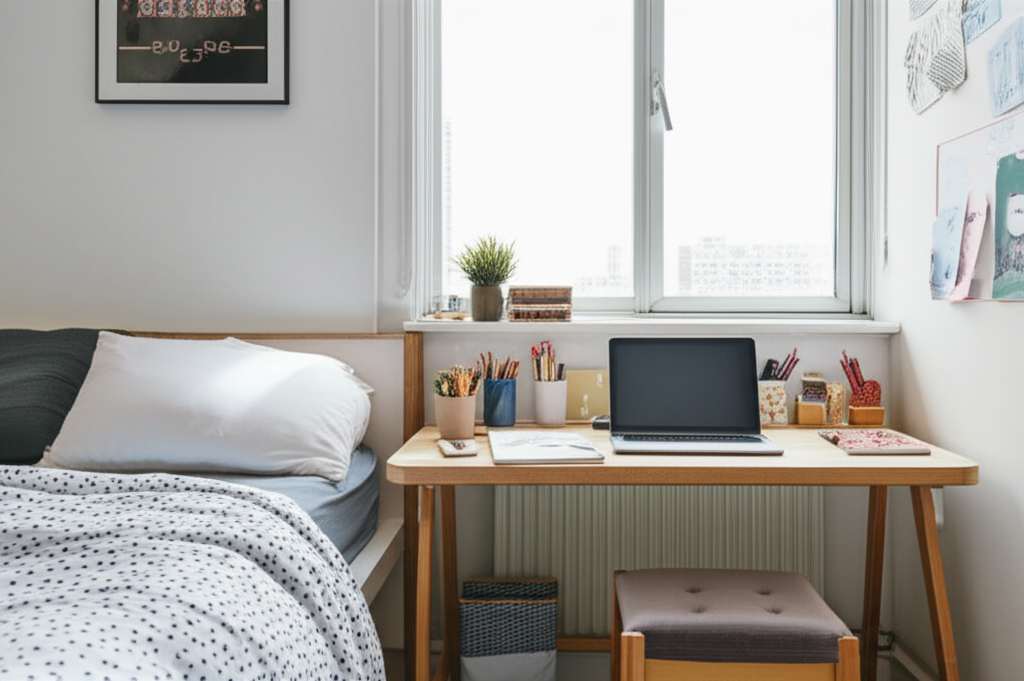
Quick Summary:
Transforming a small student room is achievable with smart strategies! Focus on maximizing vertical space, choosing multi-functional furniture, using light colors, and decluttering regularly. These tips will help you create a cozy, stylish, and practical living space on a budget.
Hey there! Living in a small room as a student can feel a bit cramped, right? It’s easy to feel like you don’t have enough space for everything you need, let alone make it feel like your own personal haven. But don’t worry, decorating a small space doesn’t have to be stressful or expensive!
With a few clever ideas and some practical tips, you can turn even the tiniest dorm room or apartment into a functional and stylish sanctuary. We’re going to break down how to make your small room work for you, making it a place you’ll love to come back to after a long day of classes.
Ready to unlock the potential of your compact living space? Let’s dive into some essential tips that will help you decorate your small room like a pro, even if you’re a total beginner!
Small Room Decoration Ideas for Students: Making the Most of Your Space

As a student, your room is your study space, your relaxation zone, and your personal retreat all rolled into one. When that space is on the smaller side, it requires a bit of thoughtful planning to ensure it’s both functional and inviting. The good news is that small rooms offer a fantastic opportunity to get creative and learn some fundamental design principles that will serve you well no matter where you live.
We’ll explore easy-to-implement strategies that focus on making your room feel bigger, brighter, and more organized. Forget expensive renovations; we’re talking about smart choices and simple hacks that make a huge difference. Let’s get started on transforming your compact quarters into a space you’ll be proud to call your own.
1. Embrace Vertical Space: Go Up, Not Out!
In a small room, the floor space is precious. The best way to maximize it is by thinking vertically. This means looking for opportunities to store and display items on your walls.
Think shelves, wall-mounted organizers, and even tall, slim furniture pieces. This strategy not only frees up floor space but also draws the eye upwards, making the room feel more expansive. It’s a classic trick that works wonders!
Floating Shelves: Your New Best Friends
Floating shelves are incredibly versatile. You can install them above your desk to hold books and study supplies, above your bed for decorative items or extra lighting, or in a corner to display plants and personal photos. They offer storage without the bulk of traditional shelving units, keeping the room feeling open.
When choosing shelves, consider the weight they need to hold. For books and heavier items, ensure you use appropriate wall anchors for safety. You can find affordable options at most home goods stores or even DIY them if you’re feeling crafty.
Wall-Mounted Organizers and Pegboards
Pegboards are fantastic for students. You can customize them with hooks, baskets, and shelves to organize everything from art supplies and jewelry to keys and small tools. They are incredibly adaptable and can be painted to match your room’s decor.
Wall-mounted organizers, like fabric pockets or magazine holders, are perfect for keeping smaller items tidy and within reach. Attach them to the side of your desk or the inside of your closet door to make the most of often-overlooked spaces.
Tall, Slim Furniture
If you need storage like a dresser or bookcase, opt for taller, narrower units rather than wider, shorter ones. These pieces take up less floor space but offer significant storage capacity. They also create a sense of height, which can make the room feel larger.
Consider a tall, narrow bookcase or a slender chest of drawers. When placing them, try to position them against a wall to avoid breaking up the visual flow of the room.
2. Multi-Functional Furniture: The Space-Saving Heroes
In a small room, every piece of furniture should ideally serve more than one purpose. Multi-functional items are the secret weapon for students trying to maximize their limited square footage.
Think about furniture that can transform, store, or adapt to different needs throughout the day. This reduces the number of items you need, saving both space and money.
Storage Beds: The Ultimate Game Changer
A bed with built-in drawers or a lift-up mattress frame is a lifesaver for small rooms. You can store extra bedding, out-of-season clothes, books, or even snacks under your bed, keeping your room clutter-free.
If a new storage bed isn’t in the budget, consider under-bed storage bins. Wheeled bins are particularly convenient for easy access. Just remember to keep them organized so you can find what you need!
Ottomans and Benches with Storage
An ottoman or a bench at the foot of your bed can serve as extra seating, a footrest, and a place to store blankets or magazines. Many are designed with hidden storage compartments, making them both stylish and practical.
Choose an ottoman that’s the right size for your space. A round ottoman can soften the lines of a room, while a rectangular one might fit more snugly at the end of a bed.
Fold-Down Desks and Wall-Mounted Tables
If you don’t have a dedicated desk area, a fold-down desk or a wall-mounted table can be a brilliant solution. These can be folded away when not in use, freeing up valuable floor space. They are perfect for students who need a workspace but also want to maintain an open feel in their room.
Some wall-mounted tables are designed to look like decorative wall art when folded up. Others are simple shelves that drop down when needed. Ensure they are securely mounted to the wall for stability.
Nesting Tables
Nesting tables are a set of small tables that can be stacked or tucked underneath each other. You can pull them out when you need extra surface area for snacks, drinks, or studying, and then tuck them away to save space. They offer flexibility without commitment.
They can be used as side tables next to a chair or bed, or even as a makeshift dining surface if you’re eating in your room. For more inspiration on compact living solutions, check out our guide to cozy small kitchen ideas that apply similar space-saving principles.
3. Lighten Up: The Magic of Color and Light
Color and light have a profound impact on how a space feels. In small rooms, using them wisely can make a world of difference, creating an airy and spacious atmosphere.
Think bright, think light, and think about how natural light can be your best friend. This is one of the most impactful and budget-friendly ways to decorate.
Light Paint Colors: Your Foundation for Spaciousness
Light colors, such as white, off-white, pale grays, soft blues, and muted pastels, reflect light. This reflection makes walls appear to recede, creating an illusion of more space. They also make the room feel brighter and more open.
Consider painting your walls a light, neutral color. If painting isn’t an option (like in many dorms), you can achieve a similar effect with light-colored bedding, curtains, and rugs.
Mirrors: Expanding Your Space Visually
Mirrors are a decorator’s secret weapon for small spaces. They reflect light and the room itself, creating the illusion of depth and making the space feel significantly larger. Strategically placed mirrors can double the perceived size of a room.
Hang a large mirror opposite a window to reflect natural light and the view outside. A full-length mirror can also serve a practical purpose for getting dressed while visually expanding the room.
Maximize Natural Light
Keep window treatments simple and light. Avoid heavy, dark curtains that block light. Opt for sheer curtains, blinds, or shades that allow natural light to flood the room during the day.
If your room has limited window space, focus on making the most of the light you have. Keep the area around windows clear and consider using reflective surfaces like mirrors and glossy finishes to bounce light around.
Strategic Lighting: Layers of Light
Beyond natural light, good artificial lighting is crucial. Relying on a single overhead light can make a small room feel dim and boxy. Instead, layer your lighting with different sources.
Use a combination of overhead lighting, task lighting (like a desk lamp), and ambient lighting (like a floor lamp or string lights). This creates warmth and depth, making the room more inviting and functional.
Consider LED strip lights for under shelves or behind furniture for a modern, atmospheric glow. Many can be controlled with a remote, allowing you to adjust brightness and color.
4. Declutter and Organize: Less is More
This is perhaps the most critical tip for any small space, especially for students who often accumulate a lot of books, notes, and personal items. A cluttered room will always feel smaller and more chaotic.
Developing good decluttering and organizing habits from the start will make your small room feel much more peaceful and spacious.
Regular Purges
Make it a habit to go through your belongings regularly. Get rid of things you no longer use, need, or love. This applies to old notes, clothes that don’t fit, expired toiletries, and anything that’s just taking up space.
Consider a “one in, one out” rule for new purchases. For every new item you bring into your room, try to get rid of a similar item.
Smart Storage Solutions
Utilize every nook and cranny for storage. This includes under the bed, inside closets, and on walls. Use drawer dividers, shelf organizers, and clear storage bins to keep things neat and easy to find.
A great resource for organizational tools is the Container Store, which offers a wide range of solutions for every type of item. For budget-friendly options, check out discount stores or IKEA.
Designated Zones
Even in a small room, try to create designated zones for different activities: a study zone, a sleep zone, and a relaxation zone. This helps make the space feel more organized and functional.
Use furniture placement, rugs, or even different lighting to subtly define these areas. For example, place your desk in a corner with a good desk lamp to mark your study zone.
Keep Surfaces Clear
Try to keep surfaces like your desk, dresser, and nightstand as clear as possible. Cluttered surfaces can make a room feel instantly smaller and more chaotic. Store items in drawers, on shelves, or in decorative boxes.
A clean desk can make studying more enjoyable, and a clear nightstand can help you relax before bed. For additional storage inspiration, explore our collection of stylish kitchen storage accessories that can be adapted for bedroom use.
5. Personalize Your Space: Make It Yours!
While functionality is key in a small room, it’s also important to inject your personality and make it feel like home. Decorating doesn’t have to mean adding more stuff; it can be about smart choices that reflect who you are.
This is where you can really have fun and make your room a reflection of your style.
Strategic Wall Decor
Use your walls to express yourself without taking up floor space. Think about posters, prints, photos, or even a tapestry. A well-chosen piece of art can be a focal point and add a lot of character.
Consider a gallery wall of your favorite photos or prints. This adds visual interest and personal touch. You can use Command strips or similar adhesive hooks to hang items without damaging the walls, which is especially important for renters.
Textiles and Soft Furnishings
Adding soft furnishings like throw pillows, a cozy blanket, or a plush rug can instantly make a room feel more inviting and comfortable. These items add color, texture, and warmth.
Choose textiles that complement your color scheme. A textured rug can also help define different zones within your room.
Plants: A Touch of Life
Plants can bring life and freshness into a small space. They purify the air and add a natural, calming element. Choose low-maintenance plants if you’re new to plant care.
Small potted plants can sit on shelves, desks, or windowsills. Hanging plants are also a great option for utilizing vertical space without taking up surface area.
DIY Projects and Budget Finds
Don’t be afraid to get creative with DIY projects or to shop for budget-friendly decor. Thrift stores, flea markets, and online marketplaces can be treasure troves for unique and affordable finds.
You could paint an old dresser a new color, create your own wall art, or upcycle existing items. For more inspiration on DIY projects, check out resources like DIY Network for creative ideas.
6. Furniture Placement: The Art of Arrangement
How you arrange your furniture can dramatically change the feel and functionality of your small room. The goal is to create good flow and make the space feel as open as possible.
Think about the natural pathways in your room and how you move through it. Good furniture placement can make a small room feel much larger and more organized.
Create Flow and Open Pathways
Ensure there are clear pathways for you to walk around your room. Avoid blocking doorways or creating awkward dead ends with your furniture. This is essential for both convenience and the feeling of spaciousness.
Imagine how you would navigate the room – you should be able to move freely from your bed to your desk to your closet without bumping into things.
Anchor with a Rug
A well-placed rug can anchor your furniture and define a space, making the room feel more cohesive. In a small room, a rug can visually expand the area, especially if it’s a lighter color or a pattern that draws the eye.
Consider a rug that is large enough to fit under the main pieces of furniture in a zone, like your bed and nightstand, or your desk and chair. This creates a unified look.
Utilize Corners
Corners are often underutilized spaces. Place a small bookshelf, a plant, a floor lamp, or a comfortable accent chair in a corner to make it a functional or decorative spot.
Corner shelving units are excellent for maximizing storage in these often-awkward areas.
Keep Furniture Away from Walls (Sometimes!)
While it might seem counterintuitive, sometimes pulling furniture slightly away from the walls can make a room feel larger. This creates a bit of breathing room and can make the space feel less boxy.
This is more applicable in slightly larger “small” rooms or if you have multi-functional pieces like a sofa bed. Experiment with different arrangements to see what works best for your specific layout.
7. Smart Storage for Students: Keeping it Tidy
As a student, you accumulate a lot of things: textbooks, notebooks, stationery, electronics, and personal items. Smart storage is not just about hiding clutter; it’s about making your study and living space efficient and pleasant.
Implementing clever storage solutions will prevent your small room from becoming overwhelmed with your academic and personal life.
Categorize and Contain
Group similar items together. For example, all your pens and pencils in one container, all your chargers in another, and all your sticky notes and highlighters in a desk organizer. Clear, stackable bins are great for this.
Labeling containers can also be incredibly helpful, especially for items stored out of sight in drawers or closets. This saves time searching for what you need.
Utilize Door and Drawer Space
Don’t forget the inside of closet doors and drawers! Over-the-door organizers are perfect for shoes, toiletries, or accessories. Drawer dividers can transform messy drawers into neat compartments.
Even the back of your main room door can host a shoe organizer or a wall-mounted rack for coats and bags.
Vertical Desk Organizers
Keep your desk tidy with vertical organizers. These can hold your notebooks, folders, pens, and other essentials, keeping your work surface clear. They draw the eye upwards and make efficient use of desk space.
Look for tiered organizers or stackable trays that can hold different types of documents or supplies.
Under-Bed Storage Solutions
As mentioned with storage beds, under-bed space is prime real estate. Invest in shallow, rolling storage bins or drawers that can slide easily under your bed. These are ideal for storing items you don’t need daily, like extra linens, seasonal clothing, or even old textbooks.
For a more aesthetic approach, consider using decorative baskets or fabric storage boxes that match your room’s decor. You can find great options from retailers like IKEA.
Wall-Mounted Solutions
Beyond floating shelves, consider wall-mounted file holders, small cabinets, or even magnetic strips for metal items like scissors or paper clips. This keeps items off your desk and floor, maintaining a sense of order.
Pegboards are excellent for customization and can hold a variety of items, from small tools and craft supplies to jewelry and headphones. Discover more clever storage hacks in our roundup of modern kitchen gadgets that double as space-saving tools.
Table: Small Room Decorating Pros and Cons
Here’s a quick look at the advantages and disadvantages of focusing on small room decorating strategies:
| Aspect | Pros | Cons |
|---|---|---|
| Space Maximization | Creates illusion of more space, feels less cluttered. | Can feel cramped if not planned well; limited options for large items. |
| Budget-Friendly | Encourages smart purchases, DIY, and multi-functional items, saving money. | Some specialized multi-functional furniture can be pricey upfront. |
| Organization | Promotes regular decluttering and efficient storage habits. | Requires ongoing effort to maintain tidiness. |
| Aesthetics | Can lead to a cozy, curated, and stylish space. | Risk of over-decorating and making the space feel smaller. |
| Functionality | Furniture and layout are optimized for daily student life. | May not accommodate extensive hobby equipment or large collections. |
Frequently Asked Questions (FAQ) About Small Room Decoration for Students
Q1: What is the best color to paint a small student room?
A1: Light, neutral colors like white, off-white, pale gray, or soft pastels are best. They reflect light, making the room appear larger and brighter. You can add pops of color with accessories.
Q2: How can I make my small room look bigger without spending a lot of money?
A2: Use mirrors to reflect light and space, keep surfaces clear, utilize vertical storage, and opt for light colors on walls and textiles. Decluttering is also key and free!
Q3: Is it okay to have a lot of posters or wall decor in a small room?
A3: Yes, but do it strategically. A few well-chosen pieces can add personality without overwhelming the space. Consider a gallery wall or one large statement piece. Using Command strips or removable adhesive hooks is ideal for renters.
Q4: What kind of furniture is best for a small student room?
A4: Multi-functional furniture is your best friend. Look for storage beds, ottomans with storage, fold-down desks, and nesting tables. Tall, slim furniture pieces also maximize vertical space.
Q5: How can I organize my books and study materials in a small room?
A5: Utilize wall-mounted shelves, tall bookcases, and vertical desk organizers. Keep your desk surface clear by storing items in drawers or designated containers. Regular decluttering of old notes is also important.
Q6: What if I can’t paint my dorm room walls?
A6: You can still achieve a bright and airy feel! Focus on light-colored bedding, curtains, rugs, and decorative items. Mirrors and strategic lighting will also help immensely. Removable wallpaper or fabric panels can also be options depending on your dorm’s rules.
Q7: How do I balance making my room look nice with having enough space for my stuff?
A7: The key is smart storage and decluttering. Every item should have a designated place. Multi-functional furniture helps. Regularly purge items you no longer need, and invest in good organizational tools like bins, drawer dividers, and wall shelves.
Conclusion
Decorating a small student room is all about smart choices and creative thinking. By focusing on maximizing vertical space, investing in multi-functional furniture, and using light and color to your advantage, you can transform your compact living area into a stylish, functional, and comfortable haven.
Remember, decluttering and organization are ongoing processes that will make a huge difference. Don’t forget to inject your personality into the space with decor that makes you happy. You don’t need a big budget to create a big impact!
With these essential tips, you’re well on your way to creating a small room that feels spacious, looks fantastic, and supports your student life. Happy decorating!