Small room layout ideas for a queen bed focus on maximizing space with smart furniture placement, multi-functional pieces, and visual tricks to create a cozy, functional, and stylish haven.
Got a small bedroom that feels a bit cramped, especially with a queen-sized bed? You’re not alone! Many of us dream of a spacious sanctuary, but reality often means working with limited square footage. It can feel like a puzzle, trying to fit everything in without making the room feel cluttered or impossible to navigate.
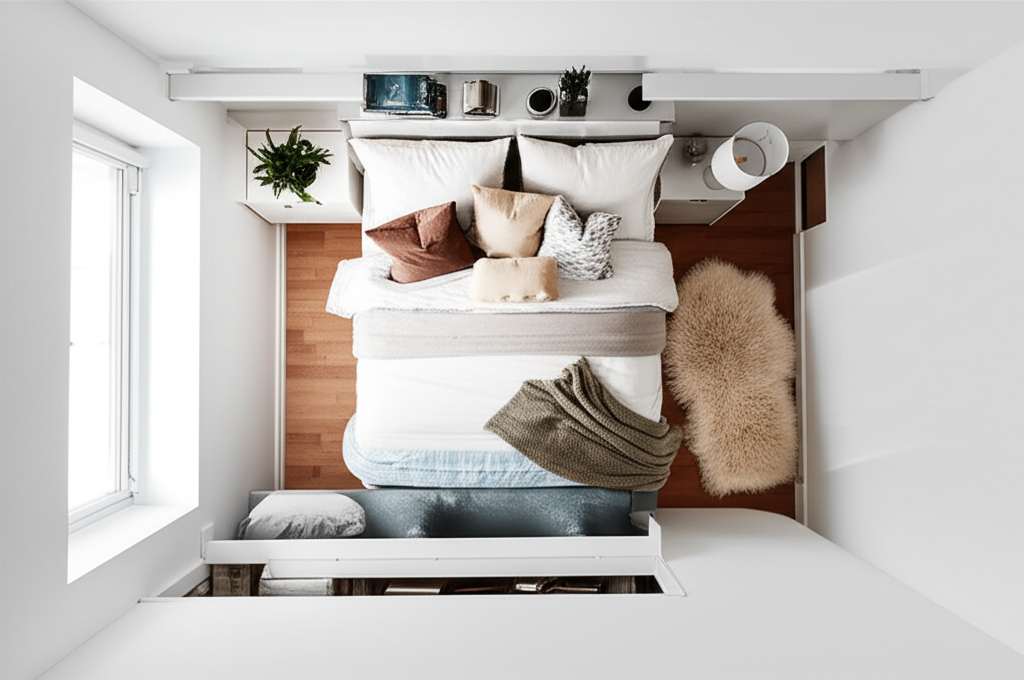
But here’s the good news: a small room doesn’t have to feel small! With a few clever layout ideas and smart design choices, you can transform your compact space into a cozy, functional, and incredibly stylish bedroom. Think of it as a design challenge with a beautiful, comfortable reward.
Ready to make your small bedroom feel bigger and more inviting? Let’s dive into some easy-to-implement ideas that will make your queen bed fit perfectly, no matter the room size. We’ll cover everything from where to place your bed to clever storage solutions that will make your room feel like a spacious retreat.
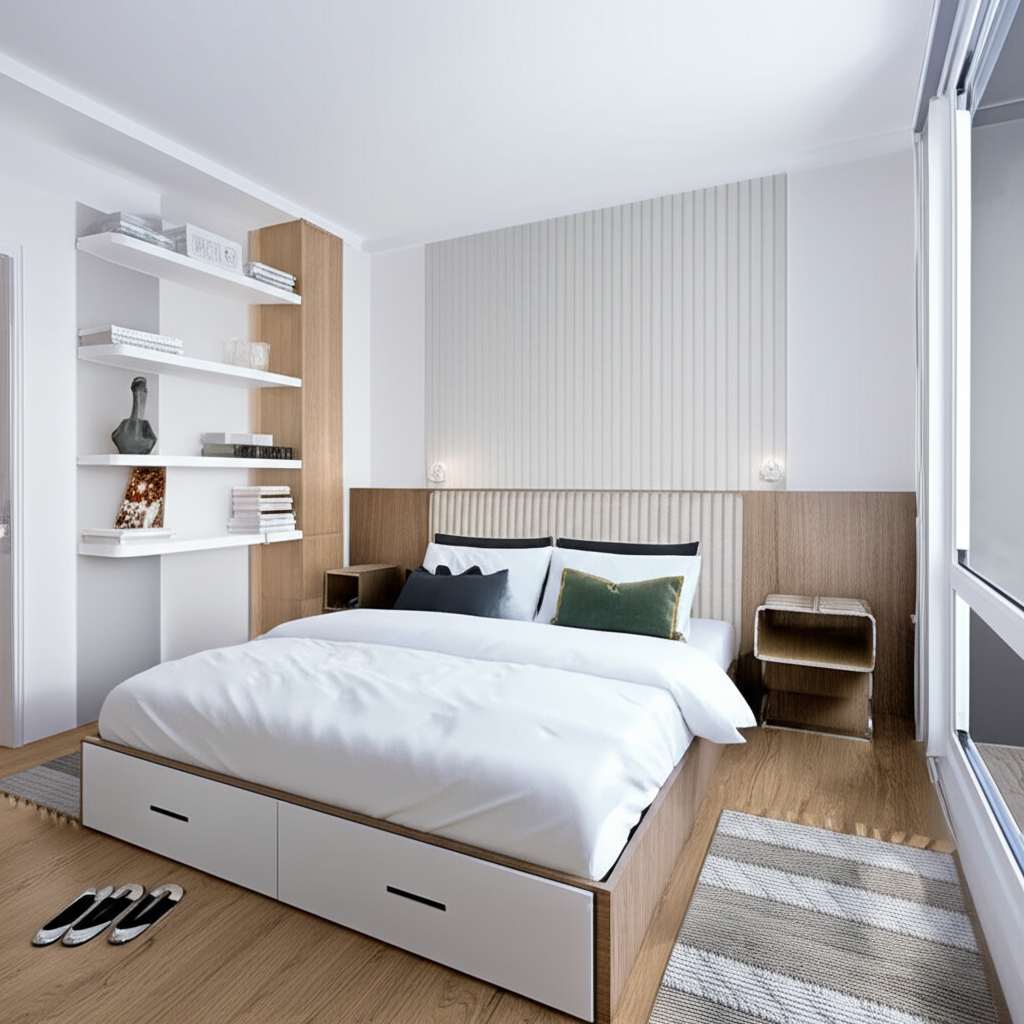
The Queen Bed Challenge in Small Spaces: Why It’s Tricky
A queen-sized bed (typically 60 inches wide by 80 inches long) is a popular choice for comfort and space. However, in a small bedroom, it can quickly dominate the room, leaving little space for anything else. This can lead to a feeling of being boxed in, making it hard to move around or add essential furniture like nightstands, dressers, or even a small desk.
The main challenge is balancing the need for a comfortable bed with the desire for a functional and visually appealing room. If the bed is too big for the space, it can block natural light, hinder movement, and make the room feel smaller than it is. It’s all about finding that sweet spot where your bed is a cozy centerpiece, not an overwhelming obstacle.
Key Principles for Small Room Layouts with a Queen Bed
Before we get into specific layouts, let’s talk about the core ideas that make small rooms work. These principles are your guiding stars when planning your queen bed’s home.
- Maximize Vertical Space: Think upwards! Shelving, tall dressers, and wall-mounted items draw the eye up, making the ceiling feel higher.
- Embrace Multi-functional Furniture: Pieces that serve more than one purpose are gold. Think storage beds, ottomans with hidden compartments, or a desk that doubles as a vanity. For more inspiration on space-saving designs, check out our guide to cozy small kitchen ideas, which apply similar principles.
- Prioritize Flow and Movement: Ensure there’s a clear path to walk around the bed and access other areas of the room. Avoid placing furniture where it obstructs doorways or common walkways.
- Lighten Up the Space: Lighter paint colors, mirrors, and strategic lighting can make a room feel significantly larger and more open.
- Keep it Simple: Avoid over-cluttering with too many small decorative items. A few well-chosen pieces can have a bigger impact.
Smart Layout Strategies for Your Queen Bed
Now, let’s get down to the nitty-gritty of placing that queen bed! The position of your bed is the most crucial element in a small room. Here are a few tried-and-true strategies:
1. The Classic Against the Wall
This is often the most straightforward and space-saving option. Pushing the bed against the longest wall in the room can open up the most floor space.
- Placement: Center the headboard against the longest available wall.
- Benefits: This layout typically allows for the most open floor space in the center of the room, making it feel larger. It also makes it easier to fit nightstands on either side (or one side if space is very limited).
- Considerations: If the bed is against a wall, one side might be harder to access. Ensure you have enough clearance on the sides and foot of the bed.
2. Corner Placement for a Cozy Nook
Tucking the bed into a corner can create a snug, cozy feel and free up a significant portion of the room. This is especially effective if one side of the bed can be placed against two walls.
Placement: Position the headboard and one side of the bed against adjacent walls, effectively creating a corner nook. You might only need a nightstand on one side.
- Benefits: This layout can make the room feel more intimate and less exposed. It frees up the opposite corner for a dresser, a reading chair, or a small workspace.
- Considerations: Access to one side of the bed is limited. Ensure there’s enough space to get in and out of bed comfortably from the accessible side.
3. Floating the Bed (If Space Allows)
While seemingly counterintuitive in a small room, “floating” the bed away from all walls can sometimes create a better sense of flow and define zones within the room. This works best if your room is a long rectangle where you can place the bed lengthwise, leaving pathways on both sides.
Placement: Position the bed in the center of the room, or slightly off-center, leaving equal or adequate walking space around it. This often means the headboard is against a wall, but the sides are clear.
- Benefits: Creates a more balanced feel and can make the room feel more intentional. It allows for nightstands on both sides and easier access.
- Considerations: This requires more floor space and might not be feasible in very narrow rooms. Ensure you still have clear pathways.
4. The “Foot of the Bed” Approach
Sometimes, placing the bed so its foot is towards the door or window can work wonders. This can make the room feel less like you’re walking directly into the bed and can offer better views or access to light.
Placement: Position the bed so its head is against a wall, but not necessarily the longest one, and the foot faces a focal point like a window or the door. Ensure enough space to walk around the foot and sides.
- Benefits: Can create a more dynamic layout and prevent the bed from feeling like a barrier when entering the room. It can also allow for better furniture placement opposite the bed.
- Considerations: Check sightlines. You don’t want to wake up staring directly at a closet door or a cluttered area.
Essential Furniture for Small Bedroom Layouts
Beyond the bed, the furniture you choose and how you place it makes a huge difference. Here’s how to pick smart pieces:
The Nightstand Dilemma
- Floating Shelves: Install a shelf above your night-side headrest for a minimalist look that holds essentials.
- C-Tables: These tables have a base that slides under the bed, with the tabletop extending over the side, saving floor space.
- Small Pedestal Tables: A small, round table with a single pedestal base takes up less visual and physical space.
- Stools or Ottomans: A small, sturdy stool can function as a nightstand and even offer extra seating.
Smart Storage Solutions
- Storage Beds: Beds with built-in drawers or a lift-up mattress platform are game-changers for storing linens, seasonal clothing, or extra bedding. Brands like IKEA offer excellent options.
- Vertical Dressers: Taller, narrower dressers take up less floor space than wide ones.
- Wall-Mounted Shelving: Install shelves above the bed, along a free wall, or even above a doorway for books, decor, and storage bins.
- Under-Bed Bins: If your bed doesn’t have built-in storage, use low-profile bins with wheels to store items underneath.
- Armoires or Wardrobes: If you don’t have a built-in closet, a sleek armoire can provide hanging and shelf space.
Other Furniture Considerations
- Chairs: If you need seating, opt for a slim accent chair or a small slipper chair. Avoid bulky recliners.
- Desks: A floating desk or a narrow console table can serve as a workspace without taking up too much room. Look for designs that can be mounted on the wall.
- Mirrors: A large mirror can visually expand the space. Consider one that’s tall and slim, or a floor mirror. For more on using reflective surfaces to enhance small spaces, explore our tips on kitchen decor themes that maximize light and openness.
Visual Tricks to Make Your Small Room Feel Bigger
Beyond the layout, several visual elements can trick the eye into perceiving your room as more spacious and airy.
1. Color Palette
- Walls: Opt for soft whites, creams, pale grays, or light blues and greens.
- Bedding: Stick to lighter colors for your duvet covers and sheets. You can add pops of color with throw pillows and blankets.
- Accents: Use darker colors sparingly for contrast, perhaps in artwork or a single decorative item.
2. Lighting is Key
- Natural Light: Keep window treatments minimal. Opt for sheer curtains or blinds that can be fully opened.
- Layered Lighting: Don’t rely on a single overhead light. Use a combination of ambient (overhead), task (reading lamps), and accent lighting.
- Wall Sconces: Wall-mounted lights free up floor and nightstand space.
- Dimmer Switches: These allow you to control the mood and brightness, making the room feel more adaptable.
3. Mirrors, Mirrors Everywhere
- Large Wall Mirror: Position a large mirror opposite a window to maximize natural light and create a sense of openness.
- Mirrored Furniture: A mirrored dresser or cabinet can add a touch of glamour and enhance the feeling of space.
- Wardrobe Doors: Mirrored closet doors are a practical and effective way to make the room feel larger.
4. Strategic Furniture Placement
As discussed in the layout section, how you place furniture is crucial. Ensure there’s clear walking space. Avoid blocking windows or doorways. Furniture with legs (like beds or dressers) can make the room feel more open than solid pieces that sit directly on the floor.
5. Declutter and Organize
This is perhaps the most impactful tip. A cluttered room, no matter how well-designed, will always feel small. Regularly declutter your belongings and invest in smart organization solutions.
The U.S. Environmental Protection Agency (EPA) offers resources on reducing waste and organizing your home, which can be helpful for maintaining a clutter-free space. You can find more tips on their website.
Example Small Room Layouts (Visualized)
Let’s look at a couple of hypothetical small rooms to see these ideas in action. Imagine a room that’s 10ft x 12ft (3m x 3.6m).
Layout A: The Cozy Corner Nook
In this layout, the queen bed is placed in the corner, utilizing two walls.
| Area | Furniture Placement & Description | Benefits |
|---|---|---|
| Bed Area | Queen bed with headboard against the left wall and the right side against the back wall. | Frees up a large portion of the room. Creates a cozy, defined sleeping zone. |
| Nightstand | A slim, floating shelf or small pedestal table on the left side of the bed (accessible side). | Minimalist and space-saving. |
| Dresser/Storage | A tall, narrow dresser placed against the wall opposite the accessible side of the bed. | Maximizes vertical storage without taking up too much width. |
| Workspace/Seating | A small floating desk or a slim accent chair in the corner opposite the bed. | Utilizes a less accessible corner for functionality or relaxation. |
| Door/Window | Door on the right wall, window on the front wall. | Clear access to the door. Window view is more open. |
Layout B: The Classic Wall Centered
Here, the bed is centered against the longest wall, opening up the sides.
| Area | Furniture Placement & Description | Benefits |
|---|---|---|
| Bed Area | Queen bed centered against the longest wall (e.g., the 12ft wall). | Provides access to both sides of the bed. Creates a balanced look. |
| Nightstands | Slim nightstands on both sides of the bed. | Equal access and convenience. |
| Dresser/Wardrobe | A low, wide dresser or a shallow wardrobe placed on the wall opposite the bed. | Provides ample storage without feeling too imposing. |
| Reading Nook/Vanity | A small chair and side table, or a slim vanity table, in one of the corners. | Adds functionality without obstructing movement. |
| Door/Window | Door on one of the shorter walls, window on the opposite shorter wall. | Ensures clear paths from the door to the bed and window. |
Choosing the Right Bed Frame
- Platform Beds: These often have a lower profile and don’t require a box spring, which can save a few inches in height. Many also come with built-in storage drawers.
- Beds with Slender Headboards: Avoid oversized, bulky headboards. Opt for simple upholstered or wooden frames with a minimalist design.
- Beds with Legs: A bed frame that is elevated on legs allows light and air to flow underneath, making the room feel less heavy and more spacious.
- Headboards with Built-in Shelving: Some headboards feature integrated shelves or even lights, eliminating the need for separate nightstands.
DIY and Budget-Friendly Tips
- Paint is Powerful: A fresh coat of light paint can completely transform a room for minimal cost.
- Thrift Store Finds: Look for affordable nightstands, dressers, or accent tables at thrift stores or online marketplaces. You can often refinish them to look brand new.
- DIY Shelving: Simple floating shelves are easy and inexpensive to install yourself.
- Repurpose Furniture: An old bookshelf can be turned on its side and used as a bench with storage baskets. A small table can become a nightstand.
- Smart Lighting Choices: Instead of expensive built-in fixtures, opt for stylish floor lamps and table lamps that can be found affordably at home goods stores. For more budget-friendly home upgrades, see our roundup of minimalist kitchen essentials that prove style doesn’t require spending big.
Frequently Asked Questions (FAQ)
Q1: What is the best way to position a queen bed in a very small bedroom?
The best way is often to place the headboard against the longest wall, or tuck the bed into a corner, utilizing two walls. This maximizes open floor space and makes the room feel less cramped.
Q2: Should I use a box spring with my bed in a small room?
Consider a platform bed frame or a bed that doesn’t require a box spring. This lowers the overall height of the bed, making the room feel more open and often providing under-bed storage space.
Q3: How can I make a small bedroom with a queen bed feel more spacious?
Use light paint colors, strategic lighting, mirrors, and multi-functional furniture. Keeping the room decluttered is also crucial. Ensure clear pathways for easy movement.
Q4: What kind of nightstands work best in a small room?
Opt for slim nightstands, floating shelves, C-tables, or small pedestal tables. The goal is to provide a surface for essentials without taking up too much floor space.
Q5: Is it okay to have a dresser in a small bedroom with a queen bed?
Yes, but choose wisely. A tall, narrow dresser or a shallow, wide dresser can fit better than a bulky one. Wall-mounted drawer units or multi-functional storage beds are also great alternatives.
Q6: How much space do I need around a queen bed?
Ideally, aim for at least 2 feet (about 60 cm) of clearance on the sides and foot of the bed for comfortable movement. In very tight spaces, you might need to reduce this slightly, but ensure you can still comfortably make the bed and walk around it.
Conclusion
Creating a functional and cozy small bedroom with a queen bed is entirely achievable. It’s all about smart planning, strategic furniture placement, and a few visual tricks. By focusing on maximizing vertical space, embracing multi-functional pieces, and keeping your color palette light and airy, you can transform even the most compact room into a comfortable sanctuary.
Remember, the goal is to make your bedroom work for you. Don’t be afraid to experiment with different layouts. Whether you choose a cozy corner nook or a classic wall placement, with these small room layout ideas for a queen bed, you’re well on your way to a stylish and spacious-feeling bedroom. Happy decorating!