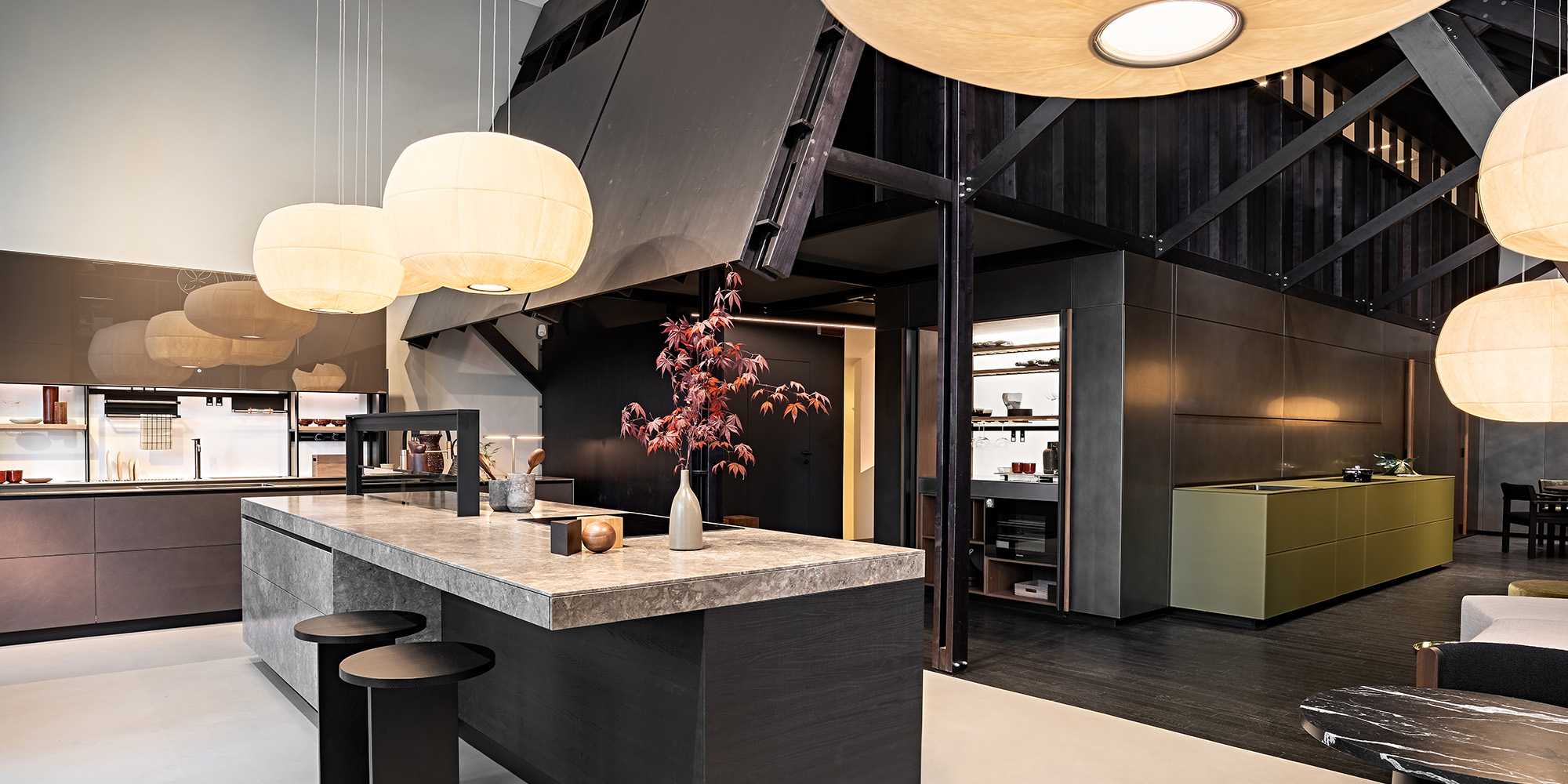
Looking to transform your kitchen into a sleek, intelligent hub? Smart lighting can significantly enhance both the ambiance and functionality of your connected kitchen space. With adjustable brightness, color-changing options, and voice control, smart lighting ideas make cooking more enjoyable and entertaining while boosting convenience.
Smart lighting solutions for connected kitchens allow you to customize lighting based on activity, mood, or time of day—whether you’re preparing a meal, enjoying breakfast, or hosting friends. Easy to install and control via smartphones or voice commands, these ideas create a seamless, modern kitchen experience.
Creating a connected kitchen with smart lighting is all about blending practicality with style. The right lighting setup not only improves visibility but also adds an inviting atmosphere, making your cooking space more efficient and enjoyable. From under-cabinet LEDs to color-tunable fixtures, smart lighting is the key to transforming your kitchen into a smart, stylish haven.

Smart Lighting Ideas for Connected Kitchen Spaces
Introduction to Smart Kitchen Lighting
Smart lighting in the kitchen offers more than just illumination. It creates a connected environment that enhances convenience, safety, and energy efficiency. With the right setup, your kitchen can become both functional and stylish.
Benefits of Smart Lighting in the Kitchen
Smart lighting provides various advantages such as customizable brightness, color options, and remote control access. It helps set the mood for cooking or dining and can improve visibility during food prep. Additionally, it contributes to energy savings by automatically adjusting light levels based on presence or natural light.
Choosing the Right Smart Lighting System
Selecting a suitable system depends on your kitchen size, design, and personal preferences. Popular choices include smart bulbs, LED strip lights, and integrated fixtures compatible with voice assistants or mobile apps. Compatibility with existing smart home devices is also essential for seamless operation.
Types of Smart Lighting for Kitchens
Smart lighting options are diverse, each serving different purposes in your kitchen. Below are common types:
Smart Ceiling Lights
Ceiling fixtures with integrated smart technology provide general lighting. They often come with adjustable brightness and color temperature options.
Smart Under-Cabinet Lights
These lights illuminate countertops, making food prep safer and easier. They can be motion-activated or controlled via smartphone.
Smart Pendant Lights
Pendant fixtures add style and focused lighting over islands or dining areas. You can adjust their color and brightness to match your mood.
Smart Strip Lights and LED Tape
Flexible strips of LED lights are perfect for accent lighting or highlighting architectural features. They can be installed under cabinets, along shelves, or inside glass cabinets.
Integrating Smart Lighting with Voice Assistants
Connecting your smart lighting to voice assistants like Alexa, Google Assistant, or Siri simplifies control. You can switch lights on or off and change colors with simple voice commands. This integration is especially handy during cooking or when your hands are busy.
Advantages of Voice Control
– Hands-free operation for quick adjustments
– Setting timers or routines for different activities
– Creating custom scenes for different times of the day
Creating Lighting Scenes and Automations
Custom scenes let you predefine lighting settings to match specific activities. Automations enable lights to change based on time, natural light, or movement detection.
Popular Lighting Scenes for Kitchens
- Cooking Mode: Bright, neutral white light for clarity
- Dining Mood: Warm, dimmed lights for ambiance
- Cleaning Time: Bright, focused lighting for efficiency
- Relaxation: Soft, colored lighting to unwind after meals
Setting Up Automations
Automations can turn lights on when you walk into the kitchen or dim them at a scheduled time. Use sensors and app controls to create routines that suit your lifestyle.
Smart Dimmers and Brightness Control
Dimmers allow you to adjust brightness levels precisely, saving energy and creating the right atmosphere. They can be controlled via smartphones or voice commands and are compatible with most smart lighting systems.
Using Natural Light and Smart Fixtures Together
Maximize natural light by installing smart blinds or shades that adjust based on sunlight. Pairing these with smart lights prevents overuse of electrical lighting and keeps your kitchen bright during the day.
Benefits of Combining Natural Light with Smart Lighting
– Reduces energy consumption
– Maintains a comfortable environment
– Enhances the natural aesthetic of your kitchen
Design Tips for Smart Kitchen Lighting
Incorporate smart lighting seamlessly into your kitchen design by choosing fixtures that match your decor. Use layered lighting with ambient, task, and accent lights for a balanced look.
Layered Lighting Approach
– Ambient lighting provides general illumination
– Task lighting focuses on work areas
– Accent lighting highlights architectural features or decor
Color Temperature and Brightness Choices
Adjust color temperature to match activities: cooler white for cooking or brighter days, warmer tones for a cozy dining atmosphere. Experiment with different brightness levels for various tasks.
Energy Efficiency and Cost Savings
Smart lighting helps reduce electricity bills through scheduled and sensor-based operation. Use energy-efficient LED bulbs and set timers to minimize waste.
Smart Tips for Saving Energy
– Use motion sensors to turn lights off when not in use
– Schedule lights to operate only during necessary times
– Incorporate daylight sensors to adjust artificial light levels
Maintaining and Upgrading Your Smart Kitchen Lighting
Regular updates and maintenance ensure your smart lighting functions smoothly. Stay informed about new products and features to keep your kitchen lighting modern and efficient.
Tips for Maintenance and Troubleshooting
– Keep fixtures clean for optimal brightness
– Check app and device updates regularly
– Replace bulbs as needed and verify compatibility
Upgrading to Latest Technologies
New smart lighting products continually improve in brightness, color range, and connectivity. Consider upgrading when new features can enhance your kitchen experience.
Related Smart Kitchen Technologies
Smart lighting integrates well with other devices like smart thermostats, security cameras, and smart appliances. Creating a connected ecosystem enhances overall convenience and security.
Smart Sensors and Detectors
Motion sensors, smoke detectors, and leak sensors can work together with your lighting system to improve safety and automation.
Smart Appliance Control
Pair your smart lighting with Wi-Fi-enabled kitchen appliances for synchronized routines, such as turning on lights when your oven heats up or your fridge door opens.
Adding smart lighting to your connected kitchen space offers endless possibilities for customization, convenience, and energy savings. By choosing the right fixtures, integrating voice controls, and creating personalized scenes, you can craft a kitchen environment that is both practical and inviting. Proper planning and thoughtful placement of lights will make your kitchen more enjoyable for daily tasks and special occasions alike.
Modern open kitchen ideas||kitchen ideas
Frequently Asked Questions
How can layered lighting improve functionality in a connected kitchen?
Implementing layered lighting allows for more effective illumination tailored to different tasks. Use bright task lights over countertops for cooking and preparation, softer ambient lights for dining or relaxing, and accent lighting to highlight design elements. Combining these layers ensures the kitchen remains versatile, comfortable, and visually appealing during various activities.
What are some energy-efficient lighting options suitable for smart connected kitchens?
LED lighting stands out as an energy-efficient choice, consuming less power while providing bright, focused illumination. Smart LED bulbs can be dimmed or adjusted remotely, helping reduce energy use when full brightness isn’t necessary. Additionally, integrating motion sensors and timers ensures lights turn off automatically when the space is unoccupied, further conserving energy.
How can smart lighting enhance the ambiance during gatherings or meals?
Adjusting color temperatures and brightness levels creates a welcoming atmosphere for gatherings. Use warm white tones to foster a cozy environment or set color-changing lights to match a theme or mood. Syncing lighting with music or controlling it remotely via apps allows you to set the perfect ambiance effortlessly, making your kitchen space more inviting.
What features should I look for when choosing smart lighting for a connected kitchen?
Opt for lights that offer compatibility with your existing smart home system, easy control via mobile apps or voice commands, adjustable brightness and color options, and scheduling capabilities. Dimmable lights and those with preset scenes help customize the environment depending on the activity or time of day, enhancing overall convenience and flexibility.
How can smart lighting improve safety in a connected kitchen?
Smart lighting can be programmed to activate automatically when you enter the room or during specific activities, reducing the risk of accidents. Motion sensors ensure lights turn on in dark areas, such as basements or pantries, and can be set to turn off after a period of inactivity. These features help maintain a safe environment while conserving energy.
Final Thoughts
Smart lighting ideas for connected kitchen spaces enhance both functionality and ambiance. Use adjustable LED fixtures to create the perfect mood for cooking or entertaining. Automated systems allow you to control lighting remotely, making your kitchen more efficient and user-friendly.
Integrate voice-activated controls for hands-free lighting adjustments, promoting convenience during meal prep. Different zones can have customized lighting settings, improving visibility and energy efficiency.
In summary, smart lighting ideas for connected kitchen spaces significantly improve daily experiences. These solutions combine practicality with modern design, ensuring your kitchen remains both functional and inviting.