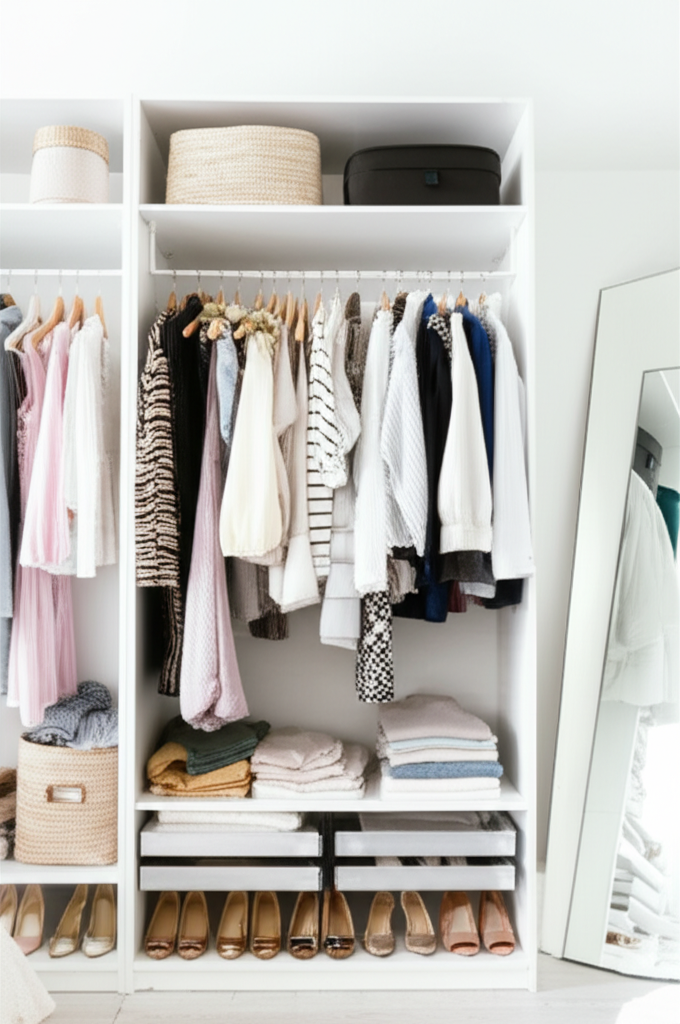
Yes, you can transform your tiny bedroom into a functional and stylish dressing room! With smart organization, space-saving furniture, and a touch of creativity, you can create a beautiful and practical dressing area that maximizes every inch of your small space.
Do you dream of a dedicated space to try on outfits, organize your clothes, and get ready for the day in style? For many of us with smaller living quarters, this feels like an impossible luxury. A cramped bedroom can make it hard to find what you need, leading to morning chaos.
But what if I told you that even the smallest bedroom can become your personal oasis? It’s all about clever solutions and making the most of what you have. We’ll walk through simple, budget-friendly steps to turn your humble bedroom into a functional and chic dressing room.
Get ready to discover how to make your small bedroom work harder for you, creating a space that’s both beautiful and incredibly practical. If you’re also looking to optimize other compact spaces in your home, check out these cozy small kitchen ideas for inspiration on maximizing functionality in tight areas.
Why a Dressing Room for a Small Bedroom?
Having a dedicated dressing room, no matter how small, offers a surprising number of benefits. It’s not just about having a place to hang clothes; it’s about creating a functional zone that streamlines your routine and boosts your confidence.
Think about it: no more rummaging through overflowing drawers or trying to find matching socks in a cluttered closet. A well-designed dressing room makes getting dressed an enjoyable, organized experience. It can also free up valuable space in your main living area or bedroom, making everything feel more spacious and serene.
Step 1: Declutter and Conquer Your Wardrobe
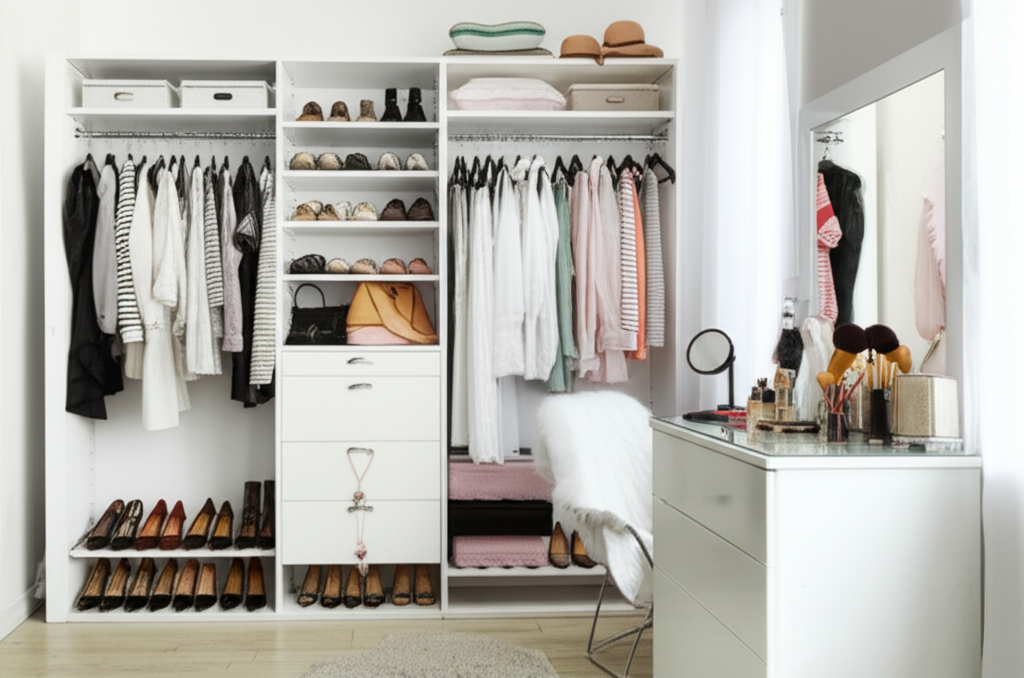
Before you can even think about styling, the most crucial step is to declutter. This is where the magic truly begins, especially in a small space. Less stuff means more room for everything else!
The Purge: Be Ruthless (But Kind to Yourself!)
Go through every single item of clothing, shoes, and accessories. Ask yourself these questions for each piece:
- Do I wear this regularly?
- Does it fit me well and make me feel good?
- Is it in good condition (no stains, tears, or excessive wear)?
- Does it fit my current style?
Be honest! If the answer is no to most of these, it’s time for that item to find a new home. Consider donating, selling, or recycling items you no longer need. Organizations like Goodwill are always grateful for donations.
Categorize and Conquer
Once you’ve purged, group similar items together. Think: tops, bottoms, dresses, outerwear, activewear, pajamas, underwear, socks, shoes, bags, and accessories. This will give you a clear picture of what you have and how much storage you’ll need for each category.
Step 2: Assess Your Space and Plan Your Layout
Now that your wardrobe is streamlined, it’s time to look at your bedroom. Every square inch counts in a small space, so we need to be strategic.
Measure Everything
Grab a tape measure! Measure the dimensions of your room, including the length and width of walls, ceiling height, and any existing furniture or architectural features like windows and doors. Also, measure your key wardrobe pieces or storage units you might already have.
Understanding your room’s dimensions will help you choose furniture that fits perfectly and avoid buying items that are too big or too small. Websites like Calculator.net can help you quickly calculate square footage if needed.
Sketch It Out
Don’t worry if you’re not an artist! A simple sketch on paper or using a free online tool can make a huge difference. Draw your room’s outline and then map out where your essential dressing room elements will go:
- Bed (if it stays in the room)
- Wardrobe/Closet
- Dressing table/Vanity
- Mirror
- Seating
- Any other storage
Experiment with different layouts. Can you place your bed against one wall to free up a corner? Could a narrow dresser work better than a wide one? Visualizing your space helps prevent costly mistakes. For more layout inspiration in compact spaces, explore these minimal decor ideas for kitchens that emphasize clean lines and efficient use of space.
Step 3: Smart Storage Solutions for Small Spaces
This is where we get creative! Small spaces require smart storage that maximizes vertical space and uses every nook and cranny.
Vertical is Your Best Friend
Think upwards! Tall, narrow wardrobes, open shelving units that go all the way to the ceiling, and wall-mounted organizers are your best allies. This draws the eye up, making the room feel larger, and utilizes often-ignored space.
Consider a tall, narrow wardrobe. Even a slim one can hold a surprising amount if organized well. For open shelves, use attractive bins and baskets to keep things tidy and dust-free.
Multi-Functional Furniture is Key
Look for pieces that do double duty. A storage ottoman can serve as a seat and a place to stash extra blankets or shoes. A vanity with built-in drawers and shelves eliminates the need for separate storage units.
Even your bed can be a storage powerhouse! Beds with built-in drawers or a lift-up mattress provide ample hidden storage for out-of-season clothes or extra linens. Similar multi-functional approaches work well in kitchens—discover how in this guide to stylish kitchen storage accessories.
Wall-Mounted Wonders
Utilize your walls! Floating shelves can hold folded clothes, accessories, or decorative items. Wall-mounted hooks are perfect for hanging robes, bags, or even outfits you plan to wear the next day.
A wall-mounted mirror with built-in shelves can act as both a mirror and a small vanity. This is a fantastic space-saver for makeup and smaller accessories.
Inside the Closet Solutions
- Double Hanging Rods: Install a second rod below the existing one to double your hanging space for shirts, skirts, and folded pants.
- Shelf Dividers: Use these to keep stacks of sweaters or jeans neat and prevent them from toppling over.
- Over-the-Door Organizers: Perfect for shoes, accessories, or even small folded items.
- Drawer Units: Slim, stackable drawer units can fit inside closets to organize undergarments, socks, and smaller accessories.
Step 4: Choosing the Right Furniture
Selecting the right furniture is crucial for both function and the illusion of space. Opt for pieces that are proportionate to your room and serve your dressing room needs effectively.
The Wardrobe Dilemma
If you don’t have a built-in closet, consider a freestanding wardrobe. Look for slim designs that don’t overwhelm the room. Open-concept wardrobes can also work if you are meticulous about organization, using matching hangers and storage boxes.
For very tight spaces, a stylish garment rack can be a minimalist solution. It’s less about hiding clothes and more about displaying them as part of your decor. Ensure it’s sturdy and can hold a good amount of clothing.
The Dressing Table or Vanity
- Floating Vanities: These mount directly to the wall, creating a sleek, modern look and making the floor underneath visible, which enhances the sense of space.
- Corner Vanities: These are designed to fit into corners, making excellent use of often-underutilized space.
- Narrow Console Tables: A slim console table can double as a vanity. Add a mirror above it and some drawer organizers for your makeup and accessories.
Look for vanities with built-in drawers or shelves to keep your essentials organized and out of sight.
Seating Solutions
A small stool, a pouf, or a slim bench can provide a comfortable spot to sit while getting dressed or applying makeup. Choose pieces that are compact and perhaps offer hidden storage.
A small, upholstered stool tucked under a vanity is perfect. If space is extremely limited, a wall-mounted fold-down stool is an innovative solution that takes up no floor space when not in use.
Step 5: Mirrors, Lighting, and Aesthetics
These elements are what elevate your dressing room from purely functional to beautifully stylish. They also play a huge role in making a small space feel larger and more inviting.
The Magic of Mirrors
Mirrors are essential for a dressing room, and in a small space, they are your secret weapon for creating an illusion of depth and light. Place a large floor mirror opposite a window to reflect natural light and make the room feel twice as big.
Consider a full-length mirror. If space is tight, a leaner mirror against a wall or a mirror with built-in shelving can be a great choice. Even a collection of smaller decorative mirrors can add sparkle and bounce light around the room.
Lighting is Key
- Ambient Lighting: This is your general room light, usually from a ceiling fixture. Ensure it’s bright enough.
- Task Lighting: This is focused light for your vanity area. Sconces on either side of a mirror or a well-placed desk lamp can work wonders.
- Accent Lighting: Small decorative lamps can add warmth and style.
Consider installing dimmer switches so you can adjust the mood. Natural light is always best, so keep window treatments light and airy.
Color Palette and Decor
Lighter colors tend to make a space feel larger and more open. Think whites, creams, pastels, and soft grays. You can add pops of color with accessories, artwork, or textiles.
Keep decor minimal to avoid clutter. A few well-chosen pieces of art, a decorative tray for jewelry, or a pretty plant can add personality without overwhelming the space.
Step 6: Organizing Your Accessories
Accessories can quickly become clutter magnets. Here’s how to keep them in check:
Jewelry Storage
- Wall-Mounted Organizers: Great for necklaces, bracelets, and earrings.
- Drawer Inserts: Use velvet-lined trays or small boxes to separate rings, earrings, and other small items within drawers.
- Decorative Boxes: Stacked decorative boxes on a shelf can hold bulkier items like watches or bangles.
Scarf and Belt Solutions
- Scarf Hangers: These specialized hangers have multiple loops to hold many scarves neatly.
- Wall Hooks: Simple hooks can hold belts, scarves, or even handbags.
- Rolled Storage: Roll scarves and belts and store them in drawer dividers or baskets.
Handbag Storage
- Shelf Dividers: Use dividers on shelves to keep handbags upright and prevent them from collapsing.
- Clear Bins: Store smaller clutches or wallets in clear bins on shelves.
- Hooks: Hang larger handbags on sturdy wall hooks or on the back of your wardrobe door.
Step 7: Making the Bed Work for You (If It Stays)
If your bed must remain in the room, integrating it seamlessly into your dressing room design is key. The goal is to make it feel like part of the dressing area, not a separate entity that dominates the space.
Strategic Placement
Position your bed to maximize the remaining space. Often, placing it against the longest wall or in a corner can open up the center of the room for your dressing area. Ensure there’s still comfortable circulation space around it.
Storage Under the Bed
This is prime real estate! Invest in under-bed storage boxes or drawers. These are perfect for stashing out-of-season clothing, extra bedding, or items you don’t need daily. Opt for wheeled containers for easy access.
If your bed frame doesn’t offer space underneath, consider purchasing bed risers. These simple devices lift your bed higher, creating valuable storage space below. Be sure to choose sturdy risers that can safely support the weight of your bed and mattress. The U.S. Consumer Product Safety Commission offers guidance on furniture safety, including weight limits and stability for items like bed risers: Home Furnishings Safety Tips.
Headboard with Storage
Some headboards come with built-in shelving or compartments. This can be a clever way to store books, chargers, or small decorative items without taking up additional floor space.
Bedding Choices
Opt for bedding in lighter, neutral colors. This will help the bed blend into the overall aesthetic of your dressing room and prevent it from appearing too dominant. Avoid busy patterns or very dark colors that can make the room feel smaller.
Example Layout Ideas for Small Bedrooms
Here are a few ideas to get your creative juices flowing, depending on your room’s shape and your priorities:
The Corner Closet Concept
If you have a corner with good light, you can create a dressing nook. Use a tall, narrow wardrobe or an open shelving unit with baskets in the corner. Add a slim vanity table and a mirror on the adjacent wall. A small, comfortable stool can tuck neatly underneath.
Pros: Excellent use of corner space, creates a defined dressing zone.
Cons: Can feel a bit enclosed if not well-lit.
The Wall-to-Wall Wardrobe
If one wall is relatively free, consider a sleek, floor-to-ceiling wardrobe that maximizes vertical storage. Place your vanity and mirror along the opposite wall or an adjacent one. This layout often works well if the bed is placed centrally or against another wall.
Pros: Maximum storage capacity, creates a streamlined look.
Cons: Can make the room feel smaller if the wardrobe is dark or bulky.
The Minimalist Rack and Mirror
For the ultimate minimalist approach, a stylish garment rack can display your favorite pieces. Place a large, leaning mirror nearby. A small floating shelf or a wall-mounted organizer can hold accessories. This works best when paired with very efficient drawer storage elsewhere.
Pros: Visually light, easy to assemble, can look very chic.
Cons: Less concealed storage, requires constant tidiness.
The Bed as a Divider
In some layouts, the bed itself can act as a subtle divider. Place your wardrobe and vanity area on one side of the bed, with perhaps a dressing screen or a tall plant acting as a visual separation. This can create distinct zones within the room.
Pros: Creates distinct functional areas, can make the room feel larger.
Cons: Requires careful planning to ensure flow and adequate space.
Budget-Friendly Tips
- DIY Storage: Repurpose old furniture, paint existing pieces, or build simple shelving units yourself.
- Secondhand Finds: Check out thrift stores, flea markets, or online marketplaces for affordable wardrobes, vanities, and mirrors.
- Sales and Discounts: Keep an eye out for sales at furniture and home decor stores.
- Declutter Ruthlessly: The less you need to store, the less you need to buy!
- Focus on Impact: Invest in a few key pieces like a good mirror or a comfortable stool, and save on smaller items.
FAQ: Your Small Dressing Room Questions Answered
Q1: How do I make a very tiny bedroom feel like a dressing room?
A1: Focus on smart storage solutions that go vertical, use mirrors to create an illusion of space, and choose compact, multi-functional furniture. Decluttering is your first and most important step!
Q2: Can I have both a bed and a dressing area in a small room?
A2: Absolutely! Strategic placement of the bed, utilizing under-bed storage, and selecting slim dressing furniture can make both work harmoniously. The key is efficient layout planning.
Q3: What kind of mirror is best for a small dressing room?
A3: A full-length mirror is ideal. A leaning mirror against a wall or a wall-mounted mirror can work well. Placing it opposite a window will maximize light and make the room feel bigger.
Q4: How can I organize my clothes without a big closet?
A4: Use a freestanding wardrobe, a stylish garment rack, or open shelving with attractive bins. Maximize vertical space with tall units and consider wall-mounted hooks for hanging items.
Q5: What are some budget-friendly storage ideas?
A5: Look for secondhand furniture, repurpose items you already own, paint old dressers to give them a new look, and build simple DIY shelving. Decluttering significantly reduces storage needs.
Q6: Should I use dark or light colors in a small dressing room?
A6: Light colors like whites, creams, and pastels are generally best for small spaces as they reflect light and make the room feel more open and airy. You can add pops of color through accessories.
Q7: How much space do I really need for a dressing area?
A7: Even a small corner can function as a dressing area. You need enough space for a mirror, a place to store clothes (even if it’s just a few hooks and a small rack), and a small surface or seat. Prioritize what’s most important for your routine.
Conclusion
Turning a small bedroom into a functional and stylish dressing room is entirely achievable with a little planning and creativity. By focusing on decluttering, smart storage, multi-functional furniture, and strategic use of mirrors and lighting, you can transform even the most compact space into your personal haven.
Remember, it’s about making the space work for you. Don’t be afraid to experiment with layouts, get creative with storage solutions, and inject your personal style into the design. Your dream dressing room is within reach, no matter the size of your bedroom!