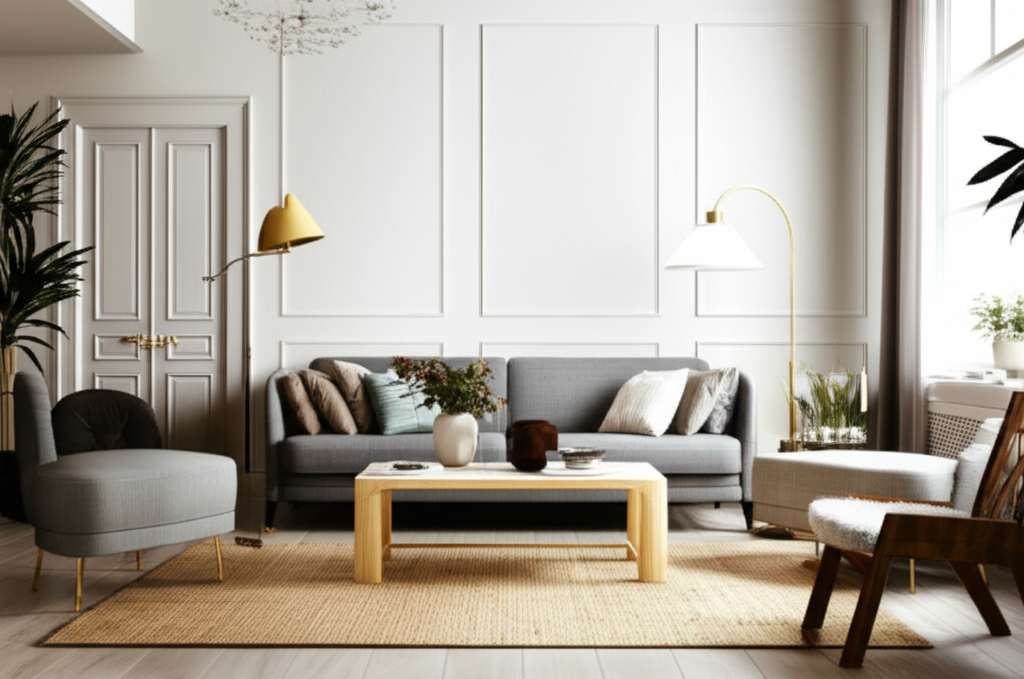
Chic and cozy living rooms are achievable, even in the smallest spaces! Discover smart design tricks to maximize your tiny living area, making it feel bigger, brighter, and more inviting with practical tips for beginners.
Feeling a bit cramped in your living room? You’re not alone! Many of us dream of spacious, open living areas, but the reality is often a much cozier, smaller footprint. It can feel frustrating when your furniture seems to swallow up the room, or when you struggle to find a layout that feels both functional and stylish.
But don’t worry, a small living room doesn’t mean you have to sacrifice comfort or style! With a few clever design ideas and smart choices, you can transform even the tiniest space into a chic and inviting sanctuary.
Ready to unlock the potential of your small living room? Let’s dive into some easy-to-implement ideas that will make your space feel bigger and better than ever.
Embrace Light & Bright: The Magic of Color and Light
The quickest way to make a small space feel larger is by playing with light and color. Think of light as your secret weapon to expand the visual boundaries of your room.
Light Paint Colors are Your Best Friend
Opt for light and airy paint colors on your walls. Whites, off-whites, soft grays, pale blues, and gentle pastels reflect light, making the room feel more open and expansive. Darker colors tend to absorb light, making walls appear to close in.
- Whites & Off-Whites: Classic choices that create a clean, bright canvas.
- Pale Neutrals: Soft grays and beiges offer warmth without darkening the space.
- Cool Pastels: Light blues and greens can evoke a sense of calm and airiness.
Maximize Natural Light
Keep your windows as unobstructed as possible. Heavy, dark curtains can make a room feel smaller. Instead, choose lightweight, sheer fabrics in light colors that allow natural light to flood in.
- Consider using vertical blinds or Roman shades that can be easily adjusted to control light and privacy without taking up visual space.
- Clean your windows regularly! It sounds simple, but sparkling clean windows make a surprising difference in how much light enters your room.
Strategic Use of Mirrors
Mirrors are fantastic for creating the illusion of more space. They reflect light and give the impression of an opening or another room. Place a large mirror opposite a window to bounce natural light around the room, or hang a gallery of smaller mirrors to add sparkle and depth.
Pro Tip: A mirror placed at the end of a narrow room can make it feel longer.
Smart Furniture Choices for Small Spaces
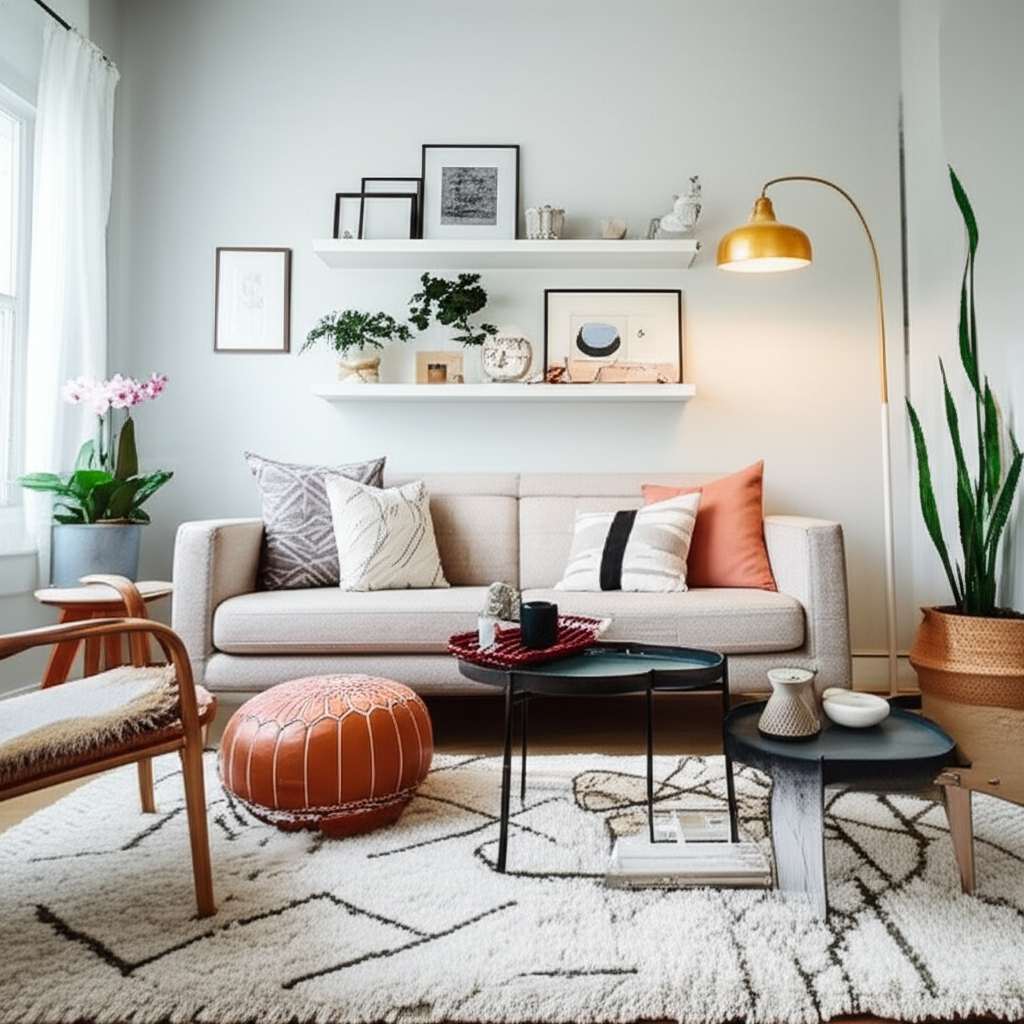
The furniture you choose is crucial. In a small living room, every piece needs to earn its place. Think multi-functional, scaled-down, and visually light.
Scale is Key
Avoid oversized, bulky furniture that will dominate the room. Instead, opt for pieces that are proportionate to the size of your living room. Look for sofas with slim arms and legs, and accent chairs that are more delicate in design.
Multi-Functional Furniture is a Game-Changer
Why have one piece of furniture when you can have two in one? This is where multi-functional items shine in small spaces.
- Ottomans with Storage: Perfect for stashing blankets, magazines, or remotes, and they can double as a coffee table or extra seating.
- Sofa Beds: Ideal for guest rooms or studios where you need extra sleeping space without a permanent bed.
- Nesting Tables: These can be pulled out when you need extra surface area for drinks or snacks, and then tucked away neatly when not in use.
Go Vertical with Storage
When floor space is limited, look up! Utilize vertical space for storage to keep your living room clutter-free.
- Tall, Slim Bookshelves: Draw the eye upward and provide ample storage for books, decor, and even hidden storage bins.
- Floating Shelves: These offer a clean, minimalist look and can be installed at various heights to display art, photos, or plants.
Leggy Furniture Creates an Open Feel
Furniture that is raised off the floor on legs creates a sense of airiness. You can see more of the floor, which makes the room feel less cluttered and more spacious.
- Consider sofas, armchairs, and side tables that have visible legs.
- This visual “lift” prevents the room from feeling heavy or closed in.
Clever Layouts to Maximize Flow
How you arrange your furniture can make a huge difference in how a small room feels. The goal is to create clear pathways and a sense of openness.
Define Zones with Rugs
Even in a small living room, you can create distinct areas for different activities. Use area rugs to define these zones, such as a seating area or a reading nook. This helps to organize the space visually.
Pull Furniture Away from Walls
It might seem counterintuitive, but pulling your sofa and chairs slightly away from the walls can actually make the room feel larger. This creates a sense of breathing room and prevents the space from feeling boxy.
Consider a Loveseat Instead of a Full Sofa
If a full-sized sofa overwhelms your space, a chic loveseat might be the perfect solution. It offers comfortable seating for two without taking up too much real estate.
Corner Arrangements Can Work Wonders
Placing a sofa or a pair of chairs in a corner can often be the most efficient use of space. It opens up the center of the room and can create a cozy, intimate feel.
The Power of Visual Tricks
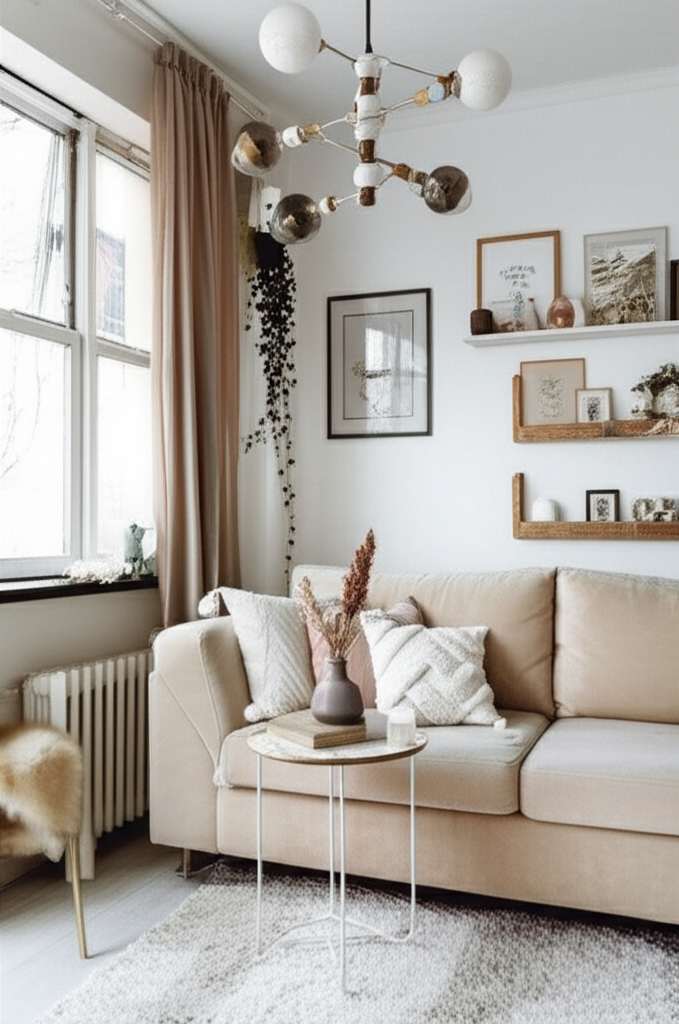
Beyond paint and furniture, there are other design elements that can trick the eye into seeing a larger space.
Vertical Stripes or Patterns
Incorporating vertical lines can make your ceiling appear higher. This can be done with wallpaper that has vertical stripes, or even by hanging curtains from a high rod all the way down to the floor.
Think Transparent and Reflective Materials
Glass or acrylic coffee tables, side tables, or even chairs can make a small room feel more open because you can see through them. They don’t create visual barriers.
Keep Clutter at Bay
This is perhaps the most important tip of all! A cluttered room, no matter the size, will always feel smaller. Be ruthless with decluttering and find smart storage solutions to keep everyday items out of sight.
A good rule of thumb is the “one in, one out” policy: when you bring something new into your home, get rid of something old. For more space-saving inspiration, check out these cozy small kitchen ideas that apply similar principles.
Decorating Your Small Living Room: The Finishing Touches
Once the layout and furniture are sorted, it’s time to add those personal touches that make your space feel like home.
Choose Art Wisely
One large statement piece of art can be more effective in a small room than a collection of small pieces that can look cluttered. Hang art at eye level to draw attention upwards. For stunning wall inspiration, explore these kitchen wall art ideas that elevate any compact space.
Lighting is Everything
Layer your lighting to create warmth and ambiance. Combine overhead lighting with floor lamps and table lamps to ensure there are no dark corners.
- Ambient Lighting: General illumination, like an overhead fixture.
- Task Lighting: For reading or hobbies, like a floor lamp next to a chair.
- Accent Lighting: To highlight artwork or architectural features.
Plants Add Life and Color
Don’t shy away from plants! A few well-placed plants can bring life, color, and a sense of freshness to your living room. Opt for plants that don’t take up too much floor space, like hanging plants or slim, tall varieties. Discover more greenery inspiration with these kitchen plant decor ideas.
Be Mindful of Scale with Accessories
Just like furniture, accessories should be scaled appropriately. A few larger decorative items can be more impactful than many small ones that can create visual noise.
Small Living Room Design Ideas: A Comparison
Here’s a quick look at how different design choices impact the perception of space in a small living room.
| Design Element | Impact on Small Living Room | Why it Works |
|---|---|---|
| Light Paint Colors | Makes the room feel larger and brighter | Reflects light, pushing walls visually outward |
| Dark, Heavy Furniture | Makes the room feel smaller and cramped | Absorbs light and dominates the space |
| Mirrors | Creates illusion of depth and space | Reflects light and visual elements |
| Bulky, Oversized Furniture | Overwhelms the room, making it feel cluttered | Takes up too much visual and physical space |
| Multi-functional Furniture | Maximizes utility without sacrificing space | Combines multiple functions into one item |
| Visible Legs on Furniture | Creates a sense of airiness and openness | Allows light and sightlines to pass underneath |
| Clutter | Makes any room feel smaller and chaotic | Visual noise and lack of organization |
Frequently Asked Questions About Small Living Room Design
Q1: What is the best color to paint a very small living room?
The best colors are light and neutral shades like white, off-white, pale gray, or soft pastels. These colors reflect light, making the room appear larger and more open.
Q2: How can I make my small living room look bigger without spending a lot of money?
Focus on smart strategies like using mirrors to reflect light, decluttering relentlessly, arranging furniture to create clear pathways, and choosing lightweight, sheer curtains. Even rearranging existing furniture can make a big difference!
Q3: What kind of furniture should I buy for a tiny living room?
Opt for furniture that is scaled appropriately for the room. Look for pieces with slim profiles, visible legs, and consider multi-functional items like storage ottomans or nesting tables. A loveseat might be a better fit than a full sofa.
Q4: Is it okay to use a large rug in a small living room?
Yes! A large rug can actually help define the seating area and make the room feel more cohesive and intentional, rather than segmented. Ensure it’s the right size to anchor your furniture group.
Q5: How can I add personality to a small living room without making it look cluttered?
Choose a few well-selected decorative items. Consider one large piece of art, a couple of beautiful throw pillows, and a few carefully chosen accessories. Vertical elements like tall plants or wall-mounted shelves can add interest without taking up floor space.
Q6: Should I put my sofa against the wall in a small living room?
While it’s a common instinct, pulling your sofa slightly away from the wall can sometimes make the room feel more spacious and less “stuffed.” Experiment with different arrangements to see what works best for your layout and creates the best flow.
Conclusion
Designing a chic and cozy living room, no matter its size, is all about making smart choices. By focusing on light, color, the right furniture, and clever organization, you can transform even the most compact space into a stylish and inviting haven.
Remember, it’s not about having a large room; it’s about making the most of the space you have. Embrace the challenge with creativity and these practical tips, and you’ll soon be enjoying a living room that feels both spacious and wonderfully yours.