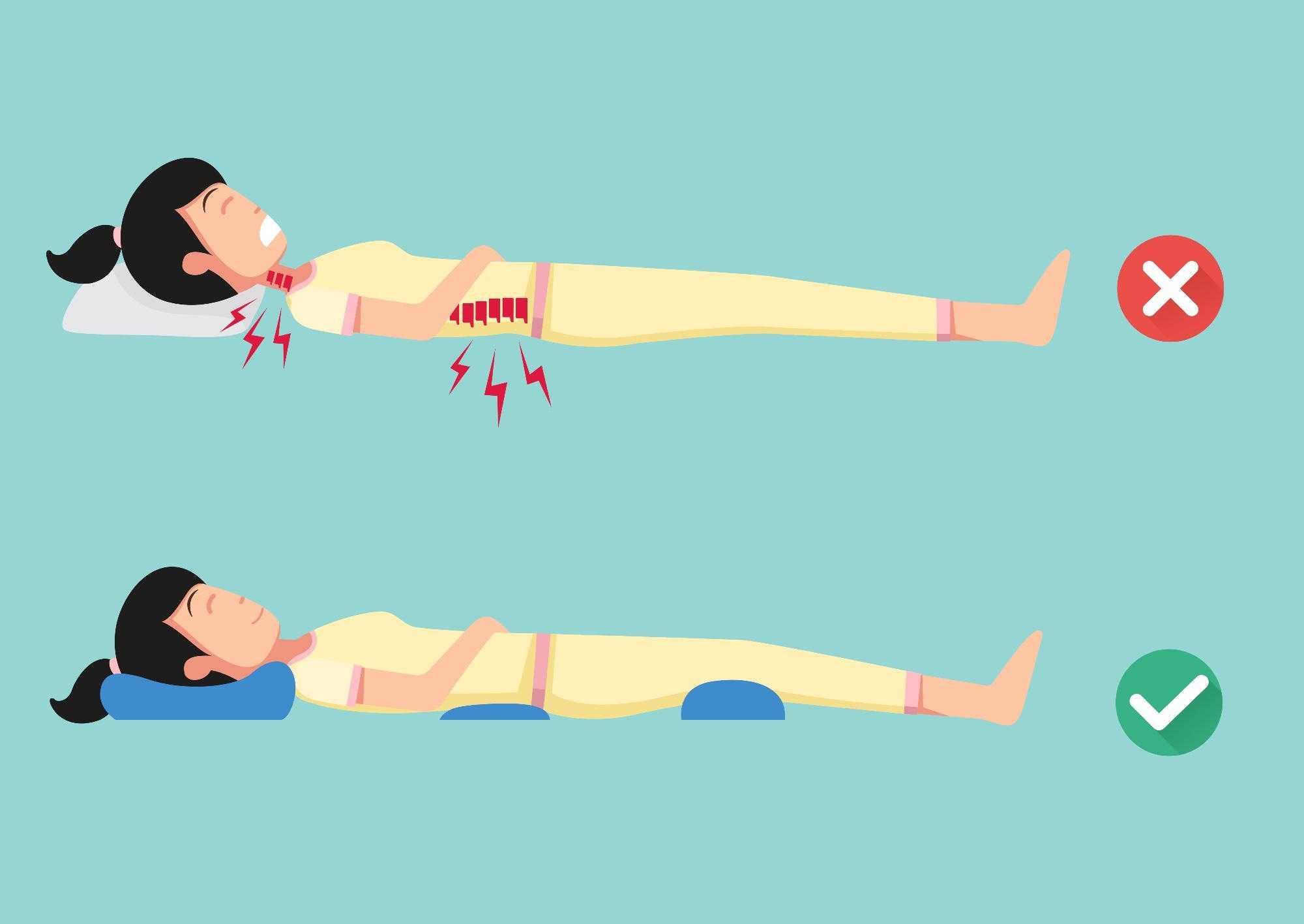
The best bed position for better sleep often comes down to individual preferences and specific health needs, but generally, sleeping on your back or side can promote optimal rest. Back sleeping keeps your spine aligned and reduces pressure on your joints, while side sleeping can help alleviate snoring and acid reflux. If you’re a stomach sleeper, you might want to reconsider that position, as it can lead to neck and back strain. Finding the right pillow and mattress can also enhance these positions, making your sleep experience more restorative. Ultimately, prioritizing comfort and support is key to achieving a good night’s sleep.
Choosing the right sleep position can greatly impact the quality of your rest and overall well-being. Whether you’re battling back pain, snoring, or just want to feel more refreshed, understanding the best sleeping positions for your body is crucial. There’s no one-size-fits-all answer as everyone’s unique, but certain positions can help mitigate common sleep issues. Let’s dive deeper into the various sleeping positions and how they can contribute to better sleep health.

“`html
What is the Best Bed Position for Better Sleep?
When it comes to achieving a restful night’s sleep, the position in which you sleep can greatly influence the quality of your rest. Understanding the best bed position for better sleep involves looking at various factors, including your sleeping habits, health conditions, and personal preferences. In this article, we will discuss different sleeping positions and how they impact sleep quality, helping you to find the best position for your needs.
The Importance of Sleep Position
Sleep position plays a vital role in your overall well-being. It can affect not only your sleep quality but also your physical health. Here are a few key points to consider:
- Improper sleep positions can lead to discomfort and pain.
- Certain positions may exacerbate health issues like snoring or acid reflux.
- Choosing the right position can improve spinal alignment.
Understanding these points can help you appreciate why finding the right sleep position is essential for better sleep.
Common Sleep Positions
There are three main types of sleep positions: side sleeping, back sleeping, and stomach sleeping. Each position comes with its own set of advantages and disadvantages.
1. Side Sleeping
Side sleeping is one of the most popular positions, with many people opting for this position to improve comfort and reduce snoring. Here are some benefits:
- Promotes spinal alignment.
- Reduces the risk of sleep apnea.
- Improves digestion and reduces heartburn.
However, side sleeping isn’t without drawbacks. It may lead to shoulder and hip pain if you don’t have the right mattress or pillow support.
2. Back Sleeping
Sleeping on your back offers several benefits, particularly for spinal health. When you lie on your back, your head, neck, and spine can rest in a neutral position. Consider the advantages:
- Helps maintain spinal alignment.
- Reduces the risk of acid reflux.
- May prevent facial wrinkles.
On the downside, back sleeping can lead to snoring and sleep apnea in some individuals.
3. Stomach Sleeping
Stomach sleeping is less common and often frowned upon by sleep experts. This position can create unnecessary pressure on your neck and spine. Here are some points to consider:
- Can reduce snoring for some people.
- May create discomfort in the lower back.
- Often leads to neck pain due to head twisting.
If you sleep on your stomach, it’s crucial to choose a soft pillow or none at all to help alleviate pressure.
Best Positions for Specific Sleep Issues
Different sleep issues require different solutions. Here’s a look at the best positions for common sleep-related problems.
1. For Snoring
If you snore, sleeping on your side can significantly reduce snoring. You might also consider using a wedge pillow, which elevates your head and may help keep your airways open.
2. For Back Pain
To alleviate back pain, back sleeping is often recommended. Place a pillow under your knees to maintain the natural curve of your spine. Alternatively, side sleeping with a pillow between your knees can help relieve pressure on your lower back.
3. For Acid Reflux
If you suffer from acid reflux, sleeping on your left side is often advised. This position keeps the stomach below the esophagus, reducing the chances of reflux at night.
The Role of Mattresses and Pillows
While your sleep position is crucial, your choice of mattress and pillows also plays an important role in sleep comfort.
- Mattresses should provide adequate support based on your sleeping position.
- Pillows should align the head and neck with the spine.
- Choosing materials that suit your comfort preferences can enhance your sleep quality.
Select a mattress that matches your preferred sleeping position, whether you need more support or cushioning.
Tips for Finding Your Ideal Sleep Position
Finding the best bed position for better sleep may require some experimentation. Here are a few tips to help you on your journey:
- Try different pillows to see what offers the best support.
- Experiment with mattress firmness levels based on your sleeping style.
- Regularly change your sleep position to avoid discomfort.
Listening to your body can help you identify the best position for a good night’s sleep.
The quest for the best bed position for better sleep is essential for anyone seeking improved rest and overall health. By understanding the different sleeping positions and their implications, along with the importance of a good mattress and pillows, you can create a comfortable sleep environment that promotes rejuvenating rest. Take the time to experiment with various positions and support options to find the perfect fit for your unique needs. Remember, a good night’s sleep starts with the right position.
“`
The Best Sleep Position For Your Health
Frequently Asked Questions
How does sleeping position impact your health?
Your sleeping position plays a significant role in your overall health. Certain positions can alleviate or exacerbate conditions such as back pain, sleep apnea, and acid reflux. For instance, side sleeping can reduce the risk of snoring and improve circulation, while back sleeping may lead to discomfort for some individuals. Choosing the right position can enhance your quality of sleep and promote better health.
What are the benefits of sleeping on your side?
Sleeping on your side offers several benefits, including improved spinal alignment and reduced pressure on your joints. This position can also decrease the likelihood of snoring and lessen the risk of sleep apnea. Additionally, side sleeping can enhance digestion and minimize acid reflux, making it a preferred choice for many individuals seeking a restful night.
Is there a recommended position for pregnant women?
For pregnant women, the best sleeping position is typically on the left side. This position improves blood flow to the heart and fetus and reduces pressure on the internal organs. It also helps alleviate common pregnancy-related discomforts. Using pillows for support can further enhance comfort during sleep.
Can sleeping on my stomach affect my sleep quality?
Sleeping on your stomach may lead to neck and back strain, as this position puts added pressure on your spine. It can also cause discomfort and disrupt sleep quality. If you find it difficult to change positions, consider using a thinner pillow or none at all to help reduce strain on your neck.
What is the impact of mattress firmness on sleeping position?
The firmness of your mattress significantly influences your sleeping position and overall comfort. A mattress that is too soft can lead to poor spinal alignment, while a mattress that is too firm may create pressure points. Finding the right balance can support your chosen position, enhancing both comfort and sleep quality.
Should I change my sleeping position for better rest?
If you experience discomfort or poor sleep quality, it may be beneficial to experiment with changing your sleeping position. Adjusting to a new position can take time, but it can lead to improved sleep and overall well-being. Pay attention to how your body responds and make gradual changes for the best results.
Final Thoughts
A good bed position plays a crucial role in achieving better sleep. What is the best bed position for better sleep? Experts suggest sleeping on your back or side, as these positions help maintain spinal alignment and reduce pressure on joints.
Avoid sleeping on your stomach, as it can lead to neck and back strain. Experiment with pillows to enhance comfort and support, tailoring your setup to your personal needs.
In summary, prioritize your bed position for improved sleep quality, ensuring you wake up refreshed and ready for the day.