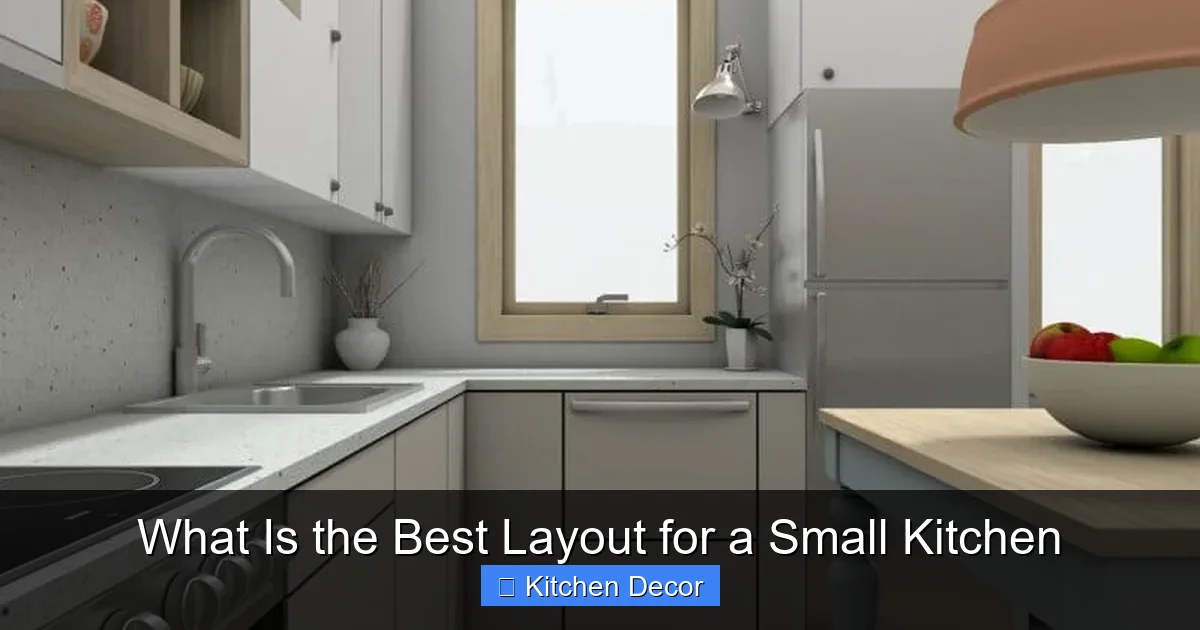
Transform your tiny kitchen into a highly functional and beautiful space. This guide reveals the best layout strategies for small kitchens, focusing on optimizing workflow, maximizing storage, and choosing designs that make the most of every inch. Learn how to create an efficient and inviting culinary hub, no matter its size.
What Is the Best Layout for a Small Kitchen?
Having a small kitchen can sometimes feel like a challenge. You might find yourself dreaming of spacious countertops, a giant island, and endless storage. But here’s the good news: a small kitchen doesn’t mean sacrificing style or functionality! In fact, with the right approach, a compact kitchen can be incredibly efficient, cozy, and every bit as beautiful as its larger counterparts.
The secret lies in choosing the best layout for a small kitchen. This isn’t a one-size-fits-all answer. The “best” layout depends on your specific space, how you use your kitchen, and what your priorities are. But don’t worry, this comprehensive guide is here to walk you through everything you need to know. We’ll explore different layout options, share smart design strategies, and give you practical tips to transform your tiny kitchen into a culinary powerhouse.
By the end of this guide, you’ll have a clear understanding of which layout will work best for your small kitchen, how to maximize every inch, and how to create a space that you’ll absolutely love. Let’s get started on making your small kitchen mighty!
Key Takeaways
- Embrace the Work Triangle: Prioritize the efficient placement of your sink, stove, and refrigerator to minimize steps and maximize workflow in any small kitchen layout.
- Consider Layouts Wisely: The Galley, L-Shape, and Single-Wall layouts are generally best for small kitchens, offering balance between efficiency and space utilization. A U-Shape can work if space permits, with careful planning.
- Maximize Vertical Space: Utilize every inch from floor to ceiling with tall cabinets, open shelving, and wall-mounted organizers to compensate for a smaller footprint.
- Lighten Up Your Design: Choose light color palettes, reflective surfaces, and ample lighting to make your small kitchen feel larger, brighter, and more open.
- Invest in Smart Storage: Incorporate pull-out pantry shelves, drawer organizers, corner solutions, and multi-functional furniture to keep clutter at bay and essentials accessible.
- Select Compact Appliances: Opt for smaller-scale or integrated appliances that fit seamlessly into your chosen layout without overwhelming the space.
Understanding Your Small Kitchen’s Potential
Before diving into specific layouts, it’s essential to understand the basics of kitchen design and how they apply to smaller spaces. Thinking critically about your current kitchen will lay the groundwork for a successful renovation or redesign.
Assess Your Space and Needs
First, take a good look at your existing kitchen. What are its dimensions? Where are the windows and doors? Where are the plumbing and electrical connections? These fixed elements often dictate what’s possible. Also, consider your lifestyle:
- Who uses the kitchen? Just you, a couple, or a family?
- How often do you cook? Are you a gourmet chef or do you prefer simple meals?
- What appliances do you absolutely need? Can you downsize any?
- What are your storage priorities? Do you have a lot of dishes, small appliances, or pantry items?
Understanding these aspects will help you tailor the best layout for a small kitchen to your unique situation.
The Golden Rule: The Kitchen Work Triangle
Even in the smallest kitchens, the “work triangle” is paramount. This concept involves the efficient placement of your three main work areas: the refrigerator, the sink, and the stove (or cooktop/oven). The idea is to create an easy, unobstructed path between these three points. The total distance of the triangle’s legs should ideally be between 12 and 26 feet for optimal efficiency. In a small kitchen, adhering to this rule minimizes wasted steps and makes cooking much more enjoyable.
Exploring the Best Layouts for Small Kitchens
Now, let’s explore the most common and effective kitchen layouts that are particularly well-suited for small spaces. Each has its pros, cons, and specific situations where it shines as the best layout for a small kitchen.
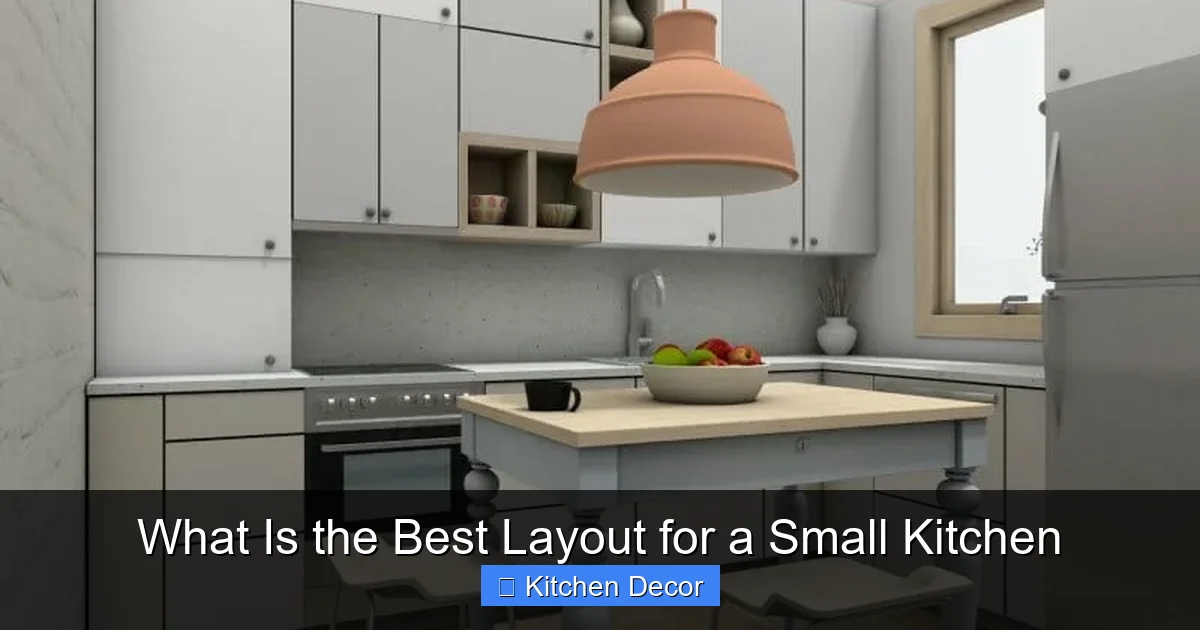
Visual guide about What Is the Best Layout for a Small Kitchen
Image source: wpmedia.roomsketcher.com
The Galley Kitchen: Efficiency in a Narrow Space
The galley kitchen, sometimes called a corridor kitchen, features two parallel rows of cabinets and appliances facing each other, with a walkway in between. It’s often considered one of the most efficient layouts for small or narrow spaces because it makes excellent use of every inch.
- Pros: Highly efficient work triangle, maximizes storage and counter space for its footprint, excellent workflow, no wasted corner space.
- Cons: Can feel closed off if walls extend too far, limited space for multiple cooks, can become a bottleneck if traffic flows through it.
- When to Choose: Perfect for single cooks or couples in long, narrow rooms where you want maximum efficiency. This is often the best layout for a small kitchen that has limited width.
- Tips:
- Use open shelving or glass-front cabinets on one side to make it feel less enclosed.
- Ensure adequate clearance (at least 36-42 inches) between the two walls for comfortable movement.
- Consider contrasting colors between walls and cabinets to add depth.
The L-Shape Kitchen: Versatility and Openness
An L-shape kitchen features two adjoining walls with cabinets and appliances forming an “L.” This layout is incredibly versatile and works well in square or slightly rectangular rooms, especially if you want to incorporate a small dining area or maintain an open feel.
- Pros: Good for small to medium-sized spaces, allows for a dining table or island in the open area, keeps the work triangle tight, good for one or two cooks.
- Cons: Can have a tricky corner cabinet that needs smart storage solutions, might not offer as much continuous counter space as a galley.
- When to Choose: Ideal for open-concept homes or smaller square rooms where you want to keep one wall free for windows or a doorway. It’s a strong contender for the best layout for a small kitchen that needs some flexibility.
- Tips:
- Utilize corner cabinets with pull-out shelves or a Lazy Susan to make them functional.
- Consider extending one leg of the “L” into a peninsula for extra counter space and casual seating.
- Use the open wall for a small breakfast bar or a window to bring in light.
The Single-Wall Kitchen: Simplicity and Style
As the name suggests, all the cabinets and appliances in a single-wall kitchen are placed along one wall. This is the most compact layout and is often found in studio apartments, lofts, or small open-plan living areas. It’s perfect for saving space and maintaining an open flow to the rest of the home.
- Pros: Takes up the least amount of floor space, maintains an open feel, easiest to install, great for small apartments.
- Cons: Limited counter space, smaller work triangle can sometimes feel cramped, restricted storage options.
- When to Choose: When space is extremely limited, or you want your kitchen to blend seamlessly with your living area. This is often the undisputed best layout for a small kitchen where width is scarce.
- Tips:
- Maximize vertical storage with floor-to-ceiling cabinets and open shelving above the counter.
- Use a compact, integrated sink and cooktop.
- A movable kitchen island or cart can provide much-needed extra counter space and storage.
The U-Shape Kitchen: Maximizing Storage (with caution)
The U-shape kitchen uses three walls of cabinets and appliances, forming a “U.” While generally better suited for larger kitchens, a modified or compact U-shape can sometimes work in a small, wider room if designed very carefully.
- Pros: Offers the most counter space and storage among all layouts, provides a highly efficient work triangle.
- Cons: Can feel very enclosed in a small space, creates two corner cabinets to deal with, might restrict traffic flow.
- When to Choose: Only if your small kitchen is relatively wide and you prioritize maximum storage and counter space above all else, and don’t need significant open space.
- Tips:
- Keep the “U” opening as wide as possible to avoid feeling trapped.
- Use light colors and reflective materials to prevent it from feeling too heavy.
- Avoid upper cabinets on one side to open up the sightline.
- Ensure the “legs” of the U are not too long, creating an awkward depth.
Smart Design Strategies for Small Kitchen Success
Choosing the right layout is just the beginning. To truly make your small kitchen shine, you need to incorporate smart design strategies that enhance both its look and functionality. These tips will help you create the best layout for a small kitchen you can imagine.
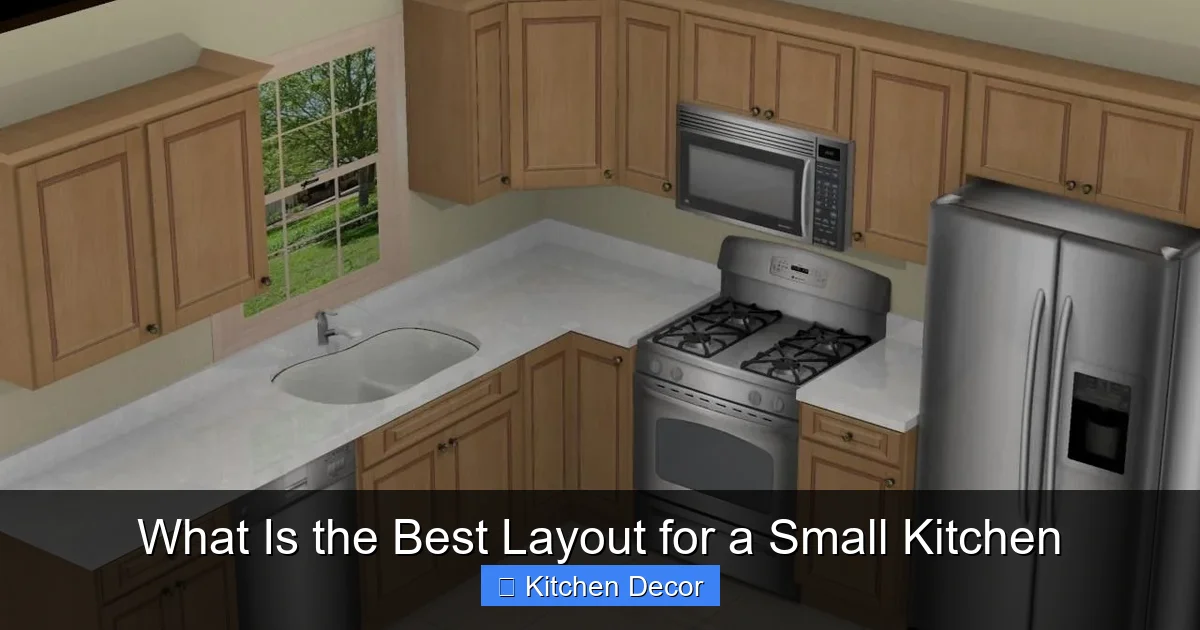
Visual guide about What Is the Best Layout for a Small Kitchen
Image source: i.pinimg.com
Maximizing Storage with Verticality
When you can’t expand outwards, expand upwards! Vertical storage is a game-changer for small kitchens.
- Tall Cabinets: Install cabinets that reach the ceiling. Use the upper shelves for less frequently used items.
- Open Shelving: Above your countertops, open shelves can provide storage without the bulk of closed cabinets, making the space feel more open.
- Wall-Mounted Solutions: Pot racks, magnetic knife strips, and spice racks keep items off the counter and within easy reach.
- Pantry Organization: Utilize pull-out pantry shelves, door-mounted racks, and stackable containers to make the most of every inch.
Choosing the Right Appliances
Standard-sized appliances can quickly overwhelm a small kitchen. Look for compact or integrated options.
- Counter-Depth Refrigerator: These refrigerators align with your countertops, creating a seamless look and saving a few precious inches.
- Smaller Dishwashers: Consider an 18-inch dishwasher instead of the standard 24-inch model.
- Compact Ovens and Cooktops: Two-burner induction cooktops or smaller wall ovens can be perfect.
- Microwave Solutions: Over-the-range microwaves save counter space by combining ventilation with cooking.
Illuminating Your Space
Good lighting can dramatically impact how large a small kitchen feels.
- Layered Lighting: Combine ambient (general room lighting), task (under-cabinet lights, pendants over a peninsula), and accent lighting (inside glass cabinets) to create depth and eliminate shadows.
- Natural Light: Maximize any natural light sources. Keep window treatments minimal or choose light, airy options.
- Reflective Surfaces: Mirrored backsplashes, glossy cabinet finishes, and stainless steel appliances can bounce light around, making the room appear larger.
Color Palettes and Materials for Expansion
The colors and materials you choose play a huge role in the perceived size of your kitchen.
- Light Colors: White, light grays, and pastels reflect light and create an open, airy feel. Use them for cabinets, walls, and even flooring.
- Monochromatic Scheme: Using variations of the same color throughout the kitchen can create a continuous flow, making the boundaries less defined and the space feel larger.
- Glass and Openness: Glass cabinet doors, open shelving, and clear pendant lights help maintain sightlines and reduce visual clutter.
- Seamless Flooring: Using the same flooring in the kitchen and an adjacent room can visually extend the space.
Incorporating Multifunctional Elements
Every item in a small kitchen should earn its place, ideally by serving more than one purpose.
- Movable Islands/Carts: A cart on wheels can serve as extra counter space, a prep area, and even a serving station, then be tucked away when not needed.
- Extendable Tables: A small table that can fold down or extend when guests arrive is incredibly practical.
- Bench Seating with Storage: If you incorporate a dining nook, a bench can provide seating while offering hidden storage underneath.
Designing for Flow and Accessibility
Even with the best layout for a small kitchen, ensuring good flow is critical.
- Keep Paths Clear: Avoid placing appliances or furniture where they obstruct walkways or cabinet doors.
- Door Swings: Consider appliance door swings (refrigerator, oven, dishwasher) so they don’t block access to other areas or pathways when open.
- Corner Solutions: For L-shaped or U-shaped kitchens, invest in smart corner solutions like Lazy Susans, magic corners, or pull-out shelves to make those hard-to-reach areas functional.
Practical Tips for Optimizing Your Small Kitchen Layout
Beyond the major design decisions, these everyday tips will help you keep your small kitchen functional and beautiful.
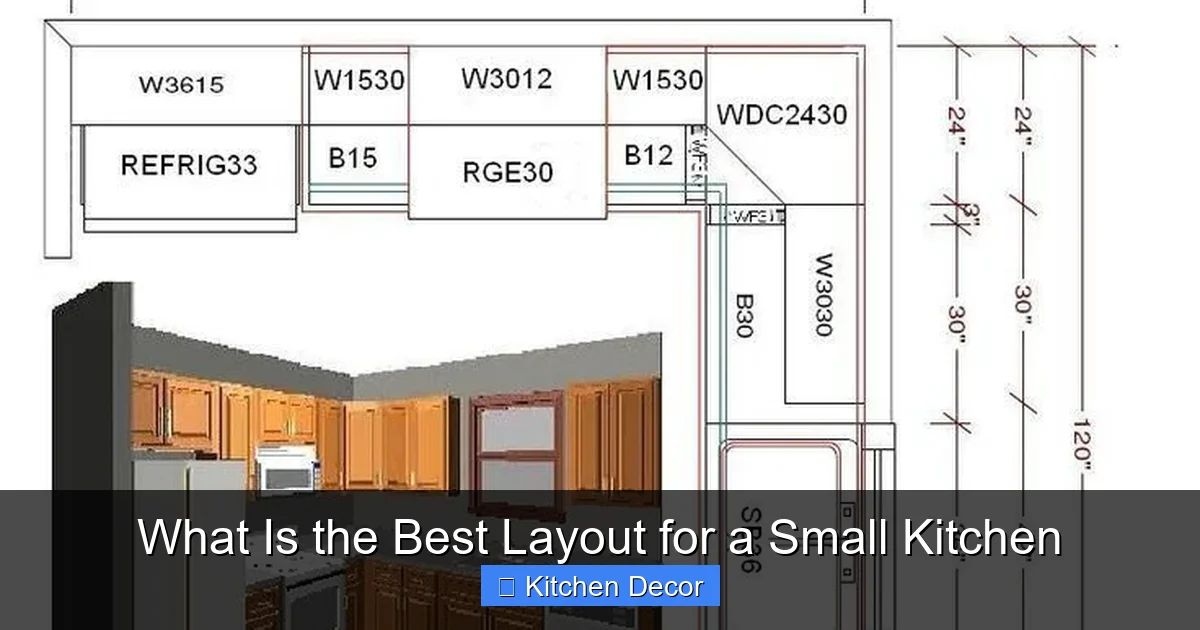
Visual guide about What Is the Best Layout for a Small Kitchen
Image source: smalldesignideas.com
Declutter Ruthlessly
This is perhaps the most immediate and impactful change you can make. A cluttered kitchen, no matter how well-designed, will feel small and chaotic. Regularly assess what you truly need and use. Donate, discard, or store rarely used items elsewhere.
Invest in Smart Storage Solutions
Once you’ve decluttered, organize what’s left. Drawer dividers, cabinet organizers, stackable containers, and shelf risers can double your usable storage space and keep everything tidy.
Consider a Kitchen Island (Carefully)
While a full-sized island is usually out of the question for a small kitchen, a narrow, movable island or a peninsula extension from an L-shaped layout can provide much-needed counter space and sometimes a place for casual dining. Ensure there’s still ample clearance (at least 36 inches) around it.
Don’t Forget the Details
- Hardware: Choose sleek, minimalist hardware for cabinets to avoid a busy look.
- Backsplash: A simple, continuous backsplash (like subway tile) can create a clean line and visually expand the space.
- Sinks: A single-basin sink can save counter space compared to a double basin, or consider an integrated sink that blends seamlessly with the countertop.
Troubleshooting Common Small Kitchen Layout Challenges
Even with the best planning, small kitchens can present unique hurdles. Here’s how to address some common layout-related challenges.
Limited Counter Space
This is a perpetual challenge in small kitchens. The best layout for a small kitchen will try to maximize this, but you might still feel short on space.
- Solutions:
- Utilize sink covers or cutting board inserts to create a continuous work surface over your sink.
- Invest in a movable butcher block or cart that can be rolled out for prep and stored away.
- Consider a wall-mounted drop-leaf table that can be folded down when not in use.
- Keep appliances stored in cabinets and only bring them out when needed.
Awkward Corners
Corners in L-shaped and U-shaped kitchens can be dead space or hard to access.
- Solutions:
- Install a Lazy Susan or a pull-out “magic corner” unit to make items accessible.
- Opt for custom shelving or drawers that fit the exact dimensions of the corner.
- Alternatively, leave the upper corner open and use it for decorative display or accessible everyday items.
Lack of Natural Light
Some small kitchens, especially in apartments, might lack adequate windows, making them feel dark and enclosed.
- Solutions:
- Amplify artificial lighting with layered fixtures, focusing on bright task lighting.
- Use reflective materials like glossy tiles, stainless steel, and light-colored countertops to bounce light.
- Consider a mirror as part of your backsplash or on an adjacent wall to visually expand the space and reflect light.
- Keep the color palette very light and avoid heavy drapes on any existing windows.
Conclusion
There’s no single “best” layout for a small kitchen that fits everyone. Instead, it’s about finding the layout that works most efficiently for your space, your needs, and your style. Whether you choose the streamlined efficiency of a galley, the versatile openness of an L-shape, or the minimalist charm of a single-wall kitchen, careful planning and clever design choices are key.
Remember to prioritize the work triangle, maximize vertical storage, choose compact appliances, and embrace light colors and smart organization. With these strategies in mind, you can transform your small kitchen from a functional necessity into a beautifully designed, highly efficient, and enjoyable heart of your home. Don’t just live with a small kitchen; make it the kitchen of your dreams!