7 Shared Room Decorating Ideas: Essential Tips
Transforming a shared room into a functional, stylish, and harmonious space is totally achievable! These 7 essential decorating ideas focus on smart storage, defined zones, and personal touches, making any shared room a delight for everyone.
Decorating a shared room can feel like a puzzle, especially when you’re trying to make everyone happy. Whether it’s a bedroom shared by siblings, roommates, or even a nursery with a crib and a toddler bed, finding a balance that feels both practical and personal can be tough.
But don’t worry! It doesn’t have to be a decorating disaster. With a few clever ideas and a dash of creativity, you can turn any shared space into a cozy, functional, and beautiful haven. For even more space-saving inspiration, check out these stylish kitchen storage accessories that prove smart organization can be chic anywhere in the home.
This guide will walk you through simple, budget-friendly strategies to make your shared room a success. Get ready to discover how to maximize space, minimize conflict, and maximize style!
Frequently Asked Questions About Shared Room Decorating
What are the biggest challenges in decorating a shared room?
The main challenges include balancing different styles and needs, maximizing limited space, ensuring adequate storage for everyone, and creating a sense of personal territory within a communal area. It’s all about compromise and smart planning!
How can I decorate a shared room without it looking cluttered?
Focus on multi-functional furniture, vertical storage solutions, and a cohesive color palette. Keeping surfaces clear and using stylish storage bins or baskets can make a huge difference in maintaining a tidy look. For additional inspiration on keeping spaces organized, explore these minimal decor ideas for kitchens that emphasize simplicity and function.
Is it possible to give each person their own “space” in a shared room?
Absolutely! You can achieve this by using furniture placement, room dividers (like screens or bookshelves), different rug areas, or even distinct color accents in each person’s zone. This helps define personal boundaries visually.
What if roommates have completely different design tastes?
The best approach is to find a neutral foundation—like wall color and main furniture pieces—that both parties can agree on. Then, allow each person to express their style through smaller, personal items like bedding, throw pillows, artwork, and accessories. Compromise is key!
How can I incorporate a crib and a toddler bed into a shared room effectively?
Positioning is important. Place the crib and toddler bed in separate corners or areas to create distinct zones. Use furniture like a low bookshelf or a changing table as a visual separator. Ensure both sleeping areas have access to necessary items and adequate light.
What are some budget-friendly ways to decorate a shared room?
DIY projects, thrifting furniture and decor, using affordable paint colors, and focusing on textiles like curtains and bedding are great budget-friendly options. Smart shopping and a willingness to repurpose items can save a lot of money. For more cost-effective home upgrades, see these minimalist kitchen essentials that prioritize value and efficiency.
How do I make a shared room feel more personal for everyone involved?
Encourage each person to display items that are meaningful to them, such as photos, artwork, or collections. Allow for personal touches in their designated sleeping or study areas. This makes the space feel like it truly belongs to them.
7 Shared Room Decorating Ideas: Essential Tips
Decorating a shared room can feel like a juggling act, especially when you’re trying to blend different personalities, needs, and styles. Whether it’s a room for siblings, roommates, or even a space that needs to accommodate a crib and a toddler bed, the goal is to create harmony, functionality, and personal comfort for everyone involved.
The key is to think smart about space, storage, and individual expression. You want a room that feels cohesive and inviting, but also allows each person to have their own little sanctuary within the shared space. It’s about finding that sweet spot between togetherness and personal territory.
Ready to transform your shared space? Let’s dive into some practical and inspiring ideas that will make decorating your shared room a breeze!
1. Define Zones with Smart Furniture Placement
In any shared room, creating distinct areas for each person is crucial. This is especially true when you need to accommodate different age groups or activities, like a crib area for a baby and a play/sleep zone for a toddler. Furniture placement is your best friend here.
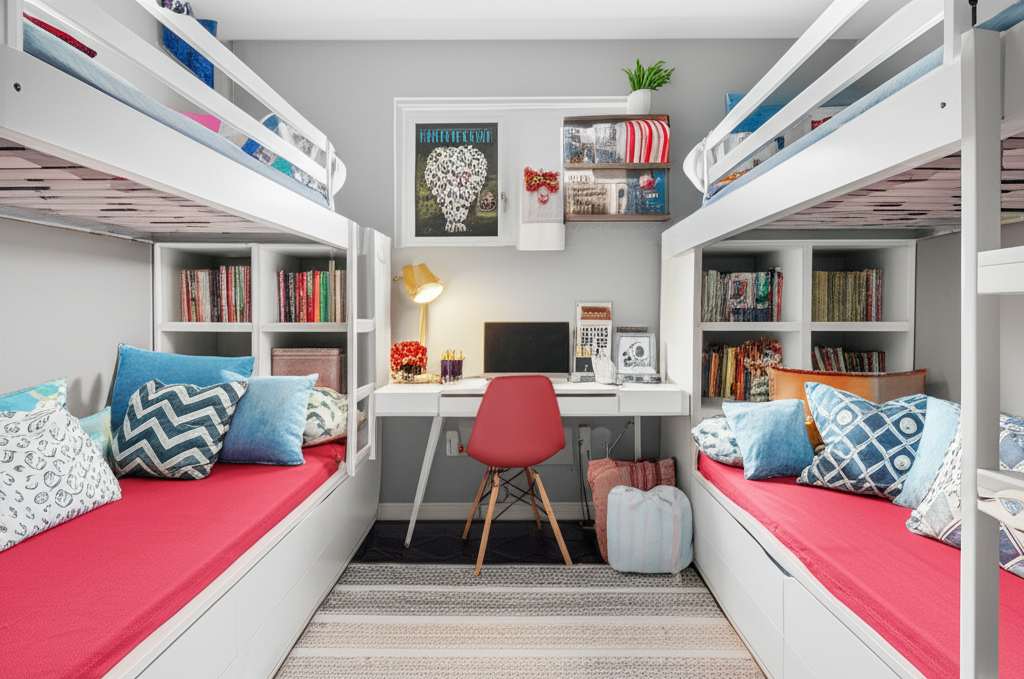
Think about how the room flows. You can use larger furniture pieces like bookshelves, dressers, or even a strategically placed bed to act as natural dividers. For example, placing a bookshelf between two beds can visually separate each person’s space without making the room feel cramped.
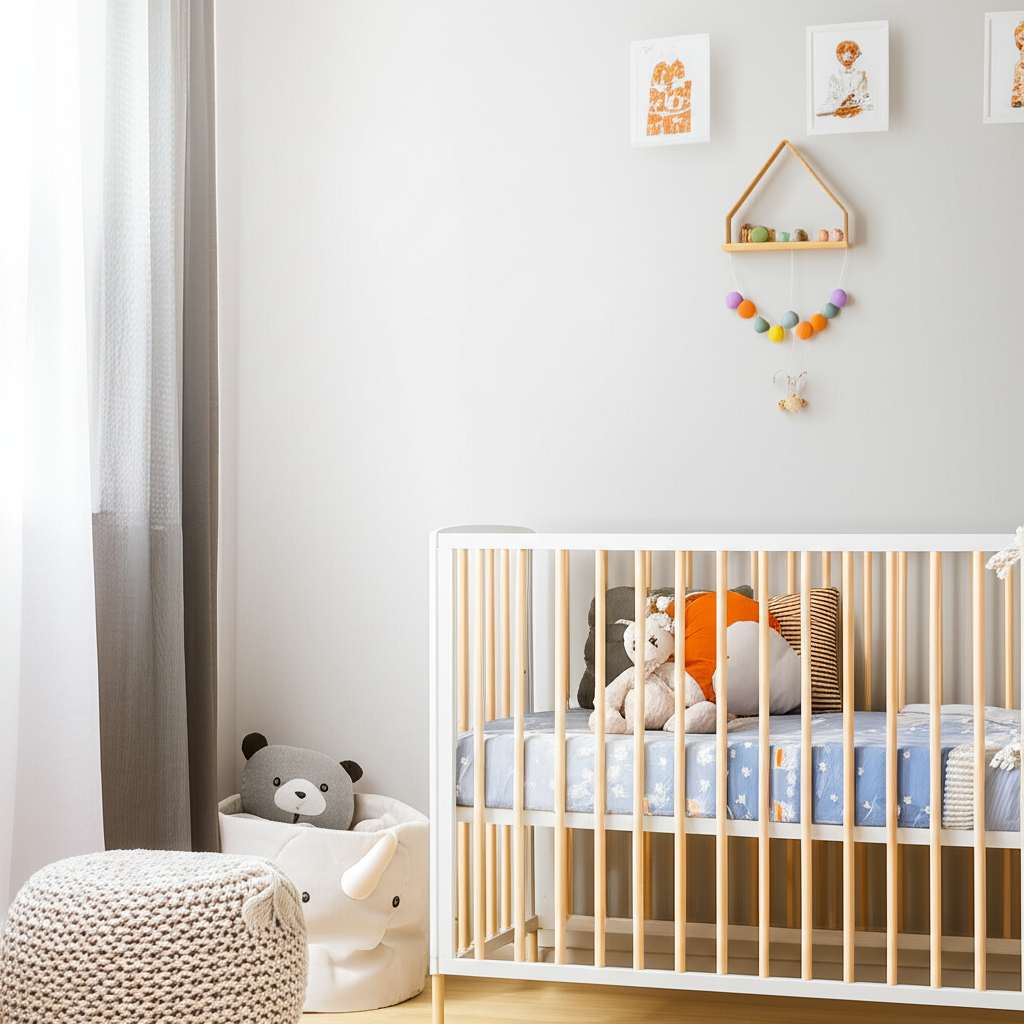
Tip: For rooms with a crib and toddler bed, consider placing them in opposite corners or along different walls. A low, open bookshelf can serve as an excellent visual divider between the two sleeping areas, offering storage for both while keeping their zones distinct.
Layout Considerations:
- Beds: Position beds to maximize floor space and allow for individual bedside tables.
- Storage Units: Use dressers or wardrobes to create natural barriers.
- Study/Play Areas: Designate specific corners for desks or play mats.
2. Maximize Storage Solutions for Everyone
Clutter is the enemy of any shared space, and it’s often the biggest source of roommate friction. Investing in smart storage solutions is paramount to keeping things tidy and ensuring everyone has a place for their belongings.
Think vertically! Shelving units, wall-mounted shelves, and over-the-door organizers can add significant storage without taking up precious floor space. Under-bed storage drawers or bins are also a lifesaver for stashing away extra linens, seasonal clothing, or toys.
Tip: For a shared room with a crib and toddler bed, consider a changing table with drawers or shelves, a toy bin that can be easily accessed by the toddler, and wall shelves above the crib for baby essentials. Each child needs accessible storage for their immediate needs.
Storage Ideas to Try:
- Under-bed drawers: Perfect for clothing, shoes, or extra bedding.
- Wall-mounted shelves: Utilize vertical space for books, decor, or essentials.
- Storage ottomans/benches: Double as seating and hidden storage.
- Closet organizers: Maximize closet space with shelves, drawers, and hanging organizers.
- Pegboards: Great for organizing smaller items, accessories, or craft supplies.
3. Establish a Unified Color Palette with Personal Touches
While everyone in the room might have different favorite colors, establishing a unified color palette for the main elements of the room (walls, large furniture) creates a sense of cohesion and calm. This makes the room feel more intentional and less chaotic.
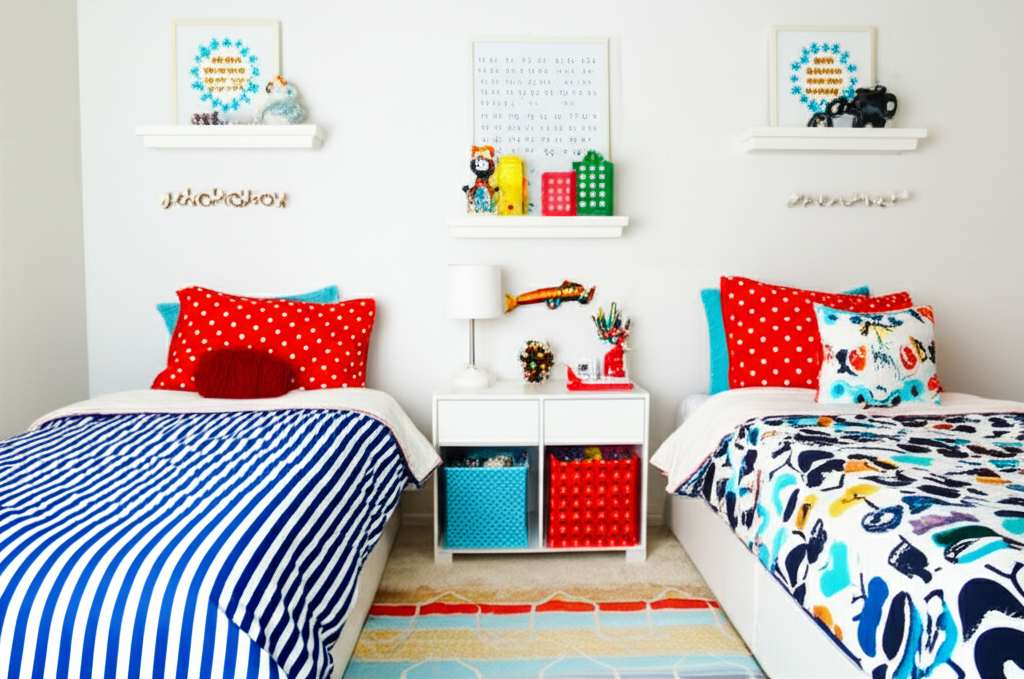
Choose a neutral base color for the walls, like a soft grey, a warm beige, or a calming off-white. Then, introduce accent colors through bedding, throw pillows, curtains, rugs, and decorative items. This allows each person to inject their personality without overwhelming the space.
Tip: For a nursery with a crib and toddler bed, consider a gender-neutral base palette like soft greens, blues, or yellows. You can then add specific accents for each child’s zone – perhaps a touch of dinosaur green for the toddler and a gentle animal theme for the baby.
Color Palette Strategy:
| Room Element | Recommendation | Example |
|---|---|---|
| Walls | Neutral base color | Light Grey, Cream, Soft Beige |
| Main Furniture | Complementary or neutral | White Dresser, Wooden Bed Frame |
| Bedding | Can introduce primary colors | Solid Navy, Patterned Grey & Yellow |
| Accent Decor | Each person’s preference | Red Throw Pillows, Blue Curtains |
4. Create Personal Corners for Privacy and Expression
Even in the smallest shared room, having a designated personal corner can make a world of difference. This is where each person can truly make their mark and have a small sense of privacy.
This corner could be as simple as the area around their bed. Encourage each person to decorate their immediate space with items that are meaningful to them. This could include photos, artwork, posters, or collections. A personal rug can also help define this space.
Tip: For a shared room with a crib and toddler bed, the “personal corner” concept applies differently. The baby’s corner around the crib can be decorated with calming mobiles and soft, thematic art. The toddler’s corner can feature their favorite stuffed animals, a small bookshelf with their beloved books, and art they’ve created.
Personal Corner Elements:
- Photos: Family, friends, or favorite memories.
- Artwork: Posters, prints, or personal creations.
- Small shelves: For displaying cherished items or collections.
- Lighting: A personal desk lamp or string lights.
5. Incorporate Multi-functional Furniture
When space is at a premium, every piece of furniture needs to earn its keep. Multi-functional furniture is a game-changer for shared rooms, offering more than one purpose and helping to keep the space clutter-free and organized.
Consider beds with built-in drawers or storage headboards. A desk that can fold away or double as a nightstand can be incredibly useful. Ottomans that provide seating and hidden storage are also excellent choices. These pieces maximize utility without taking up extra room.
Tip: For a room with a crib and toddler bed, look for a convertible crib that can transform into a toddler bed as your child grows, extending its usability. A changing table that can later be repurposed as a dresser is another smart investment. A small play table with built-in storage can serve the toddler’s needs perfectly.
Multi-functional Furniture Examples:
- Storage Beds: Beds with drawers or lift-up storage.
- Ottomans with Storage: Provide seating and a place to hide items.
- Sofa Beds/Futons: Great for guest options or transforming a study into a sleeping area.
- Wall-mounted Desks: Can fold away when not in use.
- Nesting Tables: Offer flexible surface space that can be stored away.
6. Use Lighting to Enhance Mood and Function
Good lighting can transform the atmosphere of any room, and it’s especially important in a shared space where different activities might be happening simultaneously. Layering different types of lighting ensures both functionality and ambiance.
Start with overhead lighting for general illumination. Then, add task lighting, such as desk lamps for studying or reading lamps next to beds. Finally, consider ambient lighting like string lights or a dimmer switch to create a more relaxed mood. Each person should ideally have control over their own bedside light.
Tip: In a room with a crib and toddler bed, consider dimmable lights for nighttime feedings and changes. A soft nightlight is essential for the toddler’s room. Ensure that any lighting fixtures are safely out of reach of little hands.
According to the U.S. Department of Energy, choosing energy-efficient lighting, like LED bulbs, can also save money and reduce heat in the room, which is a bonus for comfort.
Lighting Strategies:
- Overhead Light: For general room illumination.
- Task Lamps: For focused activities like reading or homework.
- Bedside Lamps: For individual use without disturbing others.
- Ambient Lighting: String lights, floor lamps for mood.
- Nightlights: Essential for young children and safe navigation.
7. Personalize with Decor and Textiles
Once the functional elements are in place, it’s time to add personality! Decor and textiles are where individual tastes can truly shine. They are also often the most budget-friendly way to update a space.
Bedding is a fantastic way to express personal style. Consider swapping out curtains for ones that reflect each person’s preference, or add colorful throw pillows and blankets. Wall art, mirrors, and plants can also add warmth and character.
Tip: For a room with a crib and toddler bed, choose textiles that are soft, washable, and safe. For the crib area, think about themed blankets and wall art featuring gentle animals or patterns. For the toddler, let them pick out a fun rug or some character-themed bedding that makes their space feel exciting and their own.
Textile and Decor Ideas:
- Bedding: Sheets, duvet covers, comforters.
- Throw Pillows & Blankets: Easy to swap out and add color/texture.
- Curtains: Can introduce patterns and block light.
- Rugs: Define areas and add warmth underfoot.
- Wall Art & Mirrors: Personalize walls and make space feel larger.
- Plants: Add life and a touch of nature.
Conclusion
Decorating a shared room doesn’t have to be a source of stress or conflict. By implementing these 7 essential decorating ideas, you can create a space that is not only functional and organized but also stylish and personal for everyone who uses it.
Remember, the key lies in thoughtful planning: defining zones, maximizing storage, establishing a harmonious color scheme, creating personal havens, using multi-functional furniture, optimizing lighting, and adding those crucial personal touches through decor and textiles. Whether you’re setting up a nursery with a crib and toddler bed or designing a space for roommates, these strategies will help you achieve a beautifully balanced and comfortable shared environment.
So, gather your ideas, communicate with your co-inhabitants, and get ready to enjoy your newly transformed shared space!