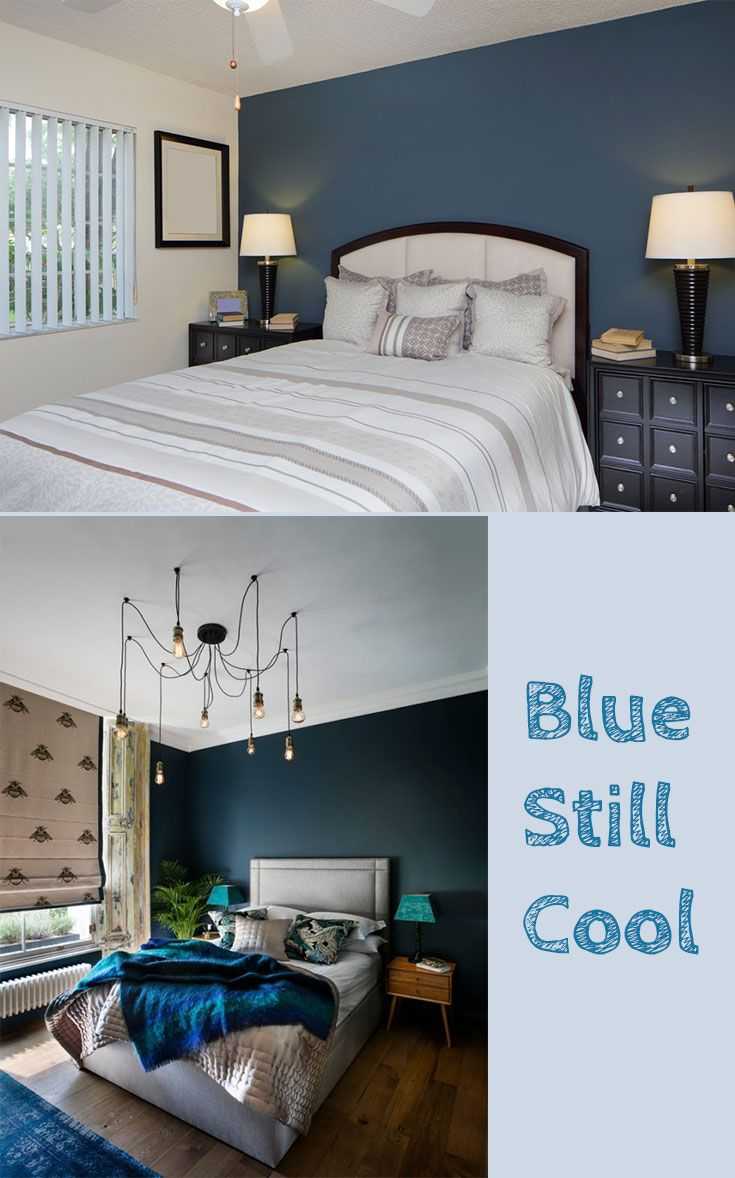
Bright, airy hues and clever color combinations can transform a small bedroom into a cozy, stylish retreat. Opting for light, neutral tones like soft whites, pastel blues, or gentle beiges can make your space feel larger and more inviting. Accentuating with darker shades on a single wall or through accessories adds depth without overwhelming the room. The key is balancing brightness with contrast to create an illusion of space while reflecting your personal style.
In a nutshell, the best color schemes for small bedrooms are those that utilize light, neutral shades as a base, complemented by strategic accents for visual interest. These combinations maximize space perception and make your room feel more open and welcoming. Choosing the right hues can truly make a tiny bedroom feel bigger, brighter, and more personalized.
When decorating a small bedroom, selecting the perfect color palette is crucial. Light colors are your best friends—they reflect more light and help create the illusion of space. Soft pastels, crisp whites, or muted tones evoke calmness and make the room feel larger. Contrasting these with darker or bold accents can add personality without sacrificing the sense of openness. This clever use of color can transform your small bedroom into a sanctuary that feels spacious, stylish, and personalized.

Best color schemes for small bedrooms
Understanding the importance of color in small bedrooms
Choosing the right color scheme can make a tiny bedroom feel more spacious and inviting. Light colors tend to open up a room visually, while darker shades can make it feel cozy but cramped if not used carefully. Understanding how different hues affect perceived space and mood is key to selecting the best scheme.
Light and neutral colors to maximize space
Opting for light shades is an effective way to make a small bedroom look larger. Colors like soft whites, creamy beiges, and pale grays reflect more light and create an airy atmosphere. These shades serve as a perfect backdrop for colorful accents or accessories without overwhelming the space.
Popular light color choices
- Velvety White
- Beige or Cream
- Pale Gray
- Light Pastel Blue or Green
These colors are versatile and pair well with various decor styles, helping the room feel open and fresh.
Using monochromatic color schemes for a cohesive look
A monochromatic palette involves different shades of the same color, creating a seamless and less cluttered appearance. It adds depth without introducing visual chaos, making small spaces appear more organized and larger.
How to implement monochromatic schemes
- Select a base color, like soft blue or warm taupe.
- Incorporate darker and lighter tones of that color on walls, bedding, and accessories.
- Mix textures to add interest without breaking the color harmony.
This approach ensures the room feels unified, calming, and expansive.
Bright and cheerful color schemes to energize small rooms
Adding cheerful, lively colors can brighten a small bedroom and enhance its perceived size. Bright yellow, fresh turquoise, or sunny coral offer energetic vibes that make the space feel more inviting.
Best bright color combinations
| Main color | Complementary accents | Notes |
|---|---|---|
| Yellow | White, soft gray | Use sparingly on walls, add yellow accents in decor |
| Turquoise | Sand beige, white | Great for pillows, rugs, or wall art |
| Coral | Cream, light pink | Accent wall or bedding for a lively look |
Bright schemes can open up the space visually and create a happy, energetic retreat.
Dark and rich tones for a cozy feel
Dark colors like navy, charcoal, or deep plum add warmth and depth to a small bedroom. When used thoughtfully, these hues create an intimate environment that still feels spacious.
Tips for using dark colors
- Limit dark shades to one feature wall for balance.
- Pair with light-colored furnishings or bedding to prevent the room from feeling heavy.
- Use reflective or metallic accents to bounce light around the space.
Dark colors can add a touch of sophistication and comfort without shrinking the space visually.
Two-tone and accent wall schemes for visual interest
Using two complementary or contrasting colors on walls adds visual interest while maintaining a sense of space. An accent wall can serve as the room’s focal point without overwhelming.
Ideas for two-tone schemes
- White and soft gray for a modern look
- Pastel pink and white for a feminine vibe
- Deep blue and light beige for a nautical theme
Careful placement of colors helps highlight architectural features and can make a small bedroom appear larger.
Color schemes based on lighting conditions
Consider the natural light the room receives, as it influences how colors appear. North-facing windows tend to bring in cooler light, while south-facing windows warm the space.
Adapting colors for different lighting
- In rooms with limited natural light, stick to lighter, warmer hues to brighten the space.
- Rooms with ample natural light can handle cooler or darker shades without feeling cramped.
- Use layered lighting to enhance your chosen color scheme at all times of the day.
Matching your color choices with lighting can maximize the sense of space and comfort.
Additional tips for selecting the perfect color scheme
Keeping a few key points in mind ensures your small bedroom feels spacious and welcoming.
Consider the room’s purpose
Different colors evoke various moods; calming shades work well for sleeping areas, while lively hues energize a space used for activities.
Blend colors with your existing furniture and decor
Choose hues that complement your current furniture to create harmony and avoid visual clutter.
Think about color proportions
Use more neutral and light colors on larger wall surfaces, reserving darker or bold shades for smaller accents or one wall.
Test colors before committing
Paint small samples on your wall and observe how they look at different times of day to ensure satisfaction.
Final thoughts on the best color schemes for small bedrooms
Selecting the right color palette can truly change how your small bedroom feels. Light and neutral colors make the space appear larger and more open, while carefully chosen darker tones add warmth and intimacy. Bright and cheerful shades energize the room, and monochromatic schemes create a cohesive look that feels organized.
Use accent walls or two-tone schemes to add interest without cluttering. Always consider lighting and existing decor when picking your colors. The goal is to make your small bedroom cozy and functional while visually expanding its size with the right palette.
Frequently Asked Questions
What are the best wall colors to make a small bedroom feel more spacious?
Light, neutral shades such as soft whites, pale grays, or pastel hues help reflect natural light and create an airy atmosphere. These colors can make the room appear larger and more open. Avoid dark or bold colors on the walls, as they tend to make a space feel more confined.
How can I choose the right accent colors for a small bedroom?
Select accent colors that complement your main wall color and add visual interest without overwhelming the space. Incorporate these through bedding, artwork, or decorative accessories. Using softer shades for accents, like blush pink or muted blues, helps maintain a balanced and spacious feel.
Are there specific color combinations that work well in small rooms?
Yes, pairing light colors with subtle contrasts creates a harmonious environment. For instance, pairing a light beige with crisp white trims or soft gray with pastel accents works effectively. These combinations maintain brightness and prevent the room from feeling cramped.
Should I consider color temperature when choosing schemes for small bedrooms?
Absolutely. Cool tones such as blues, greens, and lavenders evoke calmness and help the space appear more expansive. Warm tones like reds and oranges can add coziness but may make the room feel smaller if used excessively. Balance warm and cool shades to achieve a comfortable, open atmosphere.
How can I use color to maximize light in a small bedroom?
Use colors that reflect light, such as whites, creams, or light pastels, on walls and ceilings. Incorporate reflective surfaces like mirrors and glossy finishes. These elements bounce light around the room, making it feel brighter and larger throughout the day.
Final Thoughts
Best color schemes for small bedrooms enhance space and create a cozy ambiance. Light and neutral tones make the room appear larger and more inviting. Soft blues, gentle grays, and warm beiges are excellent choices. They reflect natural light and keep the room feeling airy. Incorporating these colors can significantly improve the overall look and feel of your small bedroom.