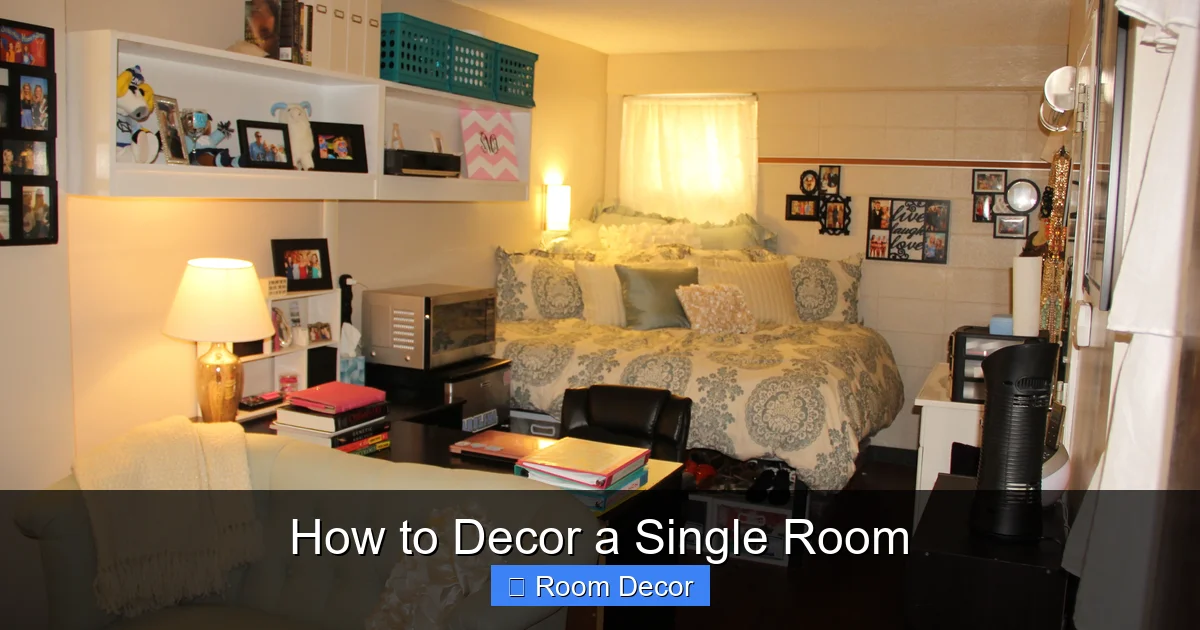
Transform your living space with this easy-to-follow guide on how to decor a single room. We’ll walk you through every step, from defining your style and choosing a color palette to selecting furniture and adding those essential finishing touches. Get ready to create a room you’ll love!
How to Decor a Single Room
Ever look around your room and feel like it’s missing something? Maybe it feels a little dull, or perhaps it just doesn’t quite capture your personality. Decorating a single room can feel like a big task, but it doesn’t have to be overwhelming. This guide will break down the process into simple, actionable steps. We’ll explore everything from figuring out your style to picking the perfect paint color and arranging furniture like a pro. By the end, you’ll have the confidence and knowledge to decor a single room that is both beautiful and functional, a space you’ll truly love spending time in.
Key Takeaways
- Define Your Vision First: Before buying anything, understand the room’s purpose, your personal style, and the overall feeling you want to create.
- Master the Color Palette: Choosing the right colors is crucial. Stick to a palette of 3-5 colors for a cohesive look.
- Furniture Placement is Key: Arrange furniture to maximize flow, functionality, and conversation areas.
- Layer Your Lighting: Combine ambient, task, and accent lighting for a warm, inviting, and practical atmosphere.
- Accessorize Thoughtfully: Use art, plants, textiles, and decorative objects to add personality and complete the room’s design.
- Don’t Forget the Details: Small elements like hardware, rugs, and window treatments can make a big impact.
Step 1: Define Your Vision and Purpose
Before you even think about paint chips or furniture catalogs, it’s vital to understand what you want your room to be. This initial step sets the foundation for all your design decisions.
Determine the Room’s Primary Function
Ask yourself: What is this room for? Is it a living room for relaxing and entertaining, a bedroom for sleeping and unwinding, a home office for focused work, or a dining room for meals and gatherings? The primary function will dictate the type of furniture you need and how the space should feel. For example, a living room needs comfortable seating, while a home office requires a functional desk and good lighting.
Identify Your Personal Style
Your room should reflect who you are. Think about styles you admire. Do you love the clean lines of modern design, the cozy warmth of farmhouse style, the eclectic vibe of bohemian, or the timeless elegance of traditional decor? Look at magazines, Pinterest, or Instagram for inspiration. Save images of rooms that resonate with you. Don’t feel pressured to stick to just one style; often, a mix of elements creates the most unique and personal spaces.
Set a Budget
Decorating doesn’t have to break the bank. Decide how much you’re willing to spend. This will help you prioritize where to invest your money and where to look for more budget-friendly options. Consider if you’ll be buying everything new, incorporating existing pieces, or sourcing secondhand items.
Step 2: Create a Floor Plan and Measure
Visual guide about How to Decor a Single Room
Image source: i.pinimg.com
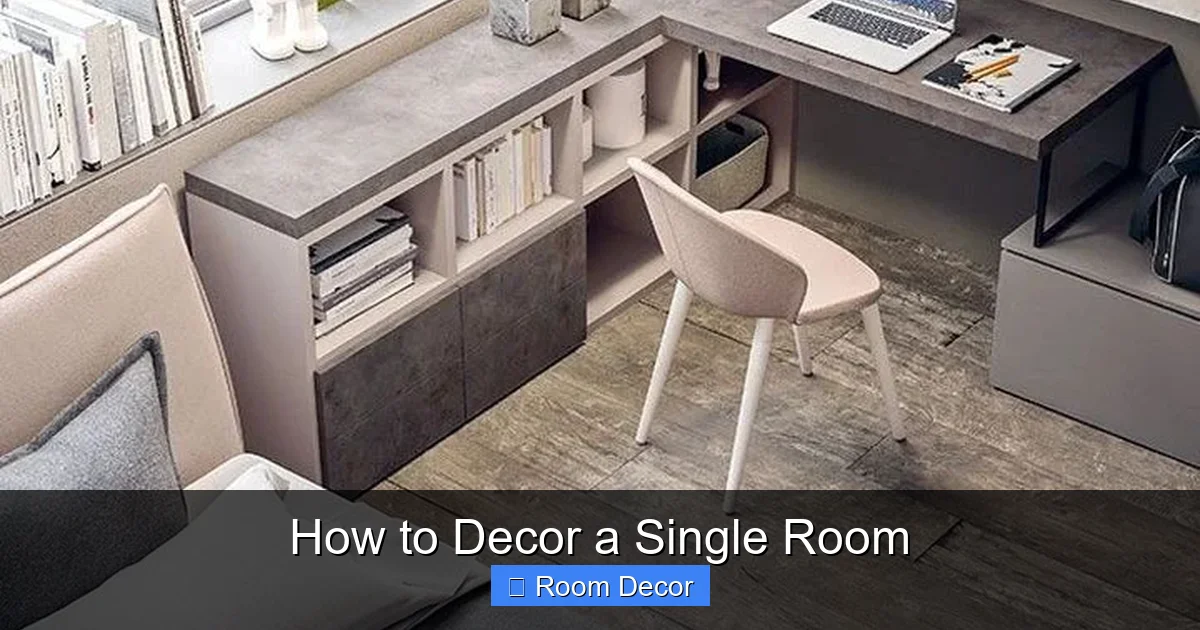
Understanding the dimensions of your room and how furniture will fit is crucial. This step prevents costly mistakes and ensures a functional layout.
Measure Your Room
Use a tape measure to get accurate dimensions of the room’s length, width, and height. Measure windows and doors, noting their placement and how they open. This information is essential for selecting furniture that fits and for planning where to place larger items.
Sketch a Floor Plan
You can do this by hand or use online tools and apps. Draw the room to scale, marking the locations of windows, doors, and any architectural features like fireplaces. This visual representation will help you experiment with furniture arrangements without moving heavy items.
Consider Traffic Flow
As you place furniture on your floor plan, think about how people will move through the room. Ensure there are clear pathways between doorways and main seating areas. Avoid blocking entrances or creating cramped walkways. In a living room, for instance, you want easy access to sofas and chairs.
Step 3: Master the Color Palette
Visual guide about How to Decor a Single Room
Image source: i.pinimg.com
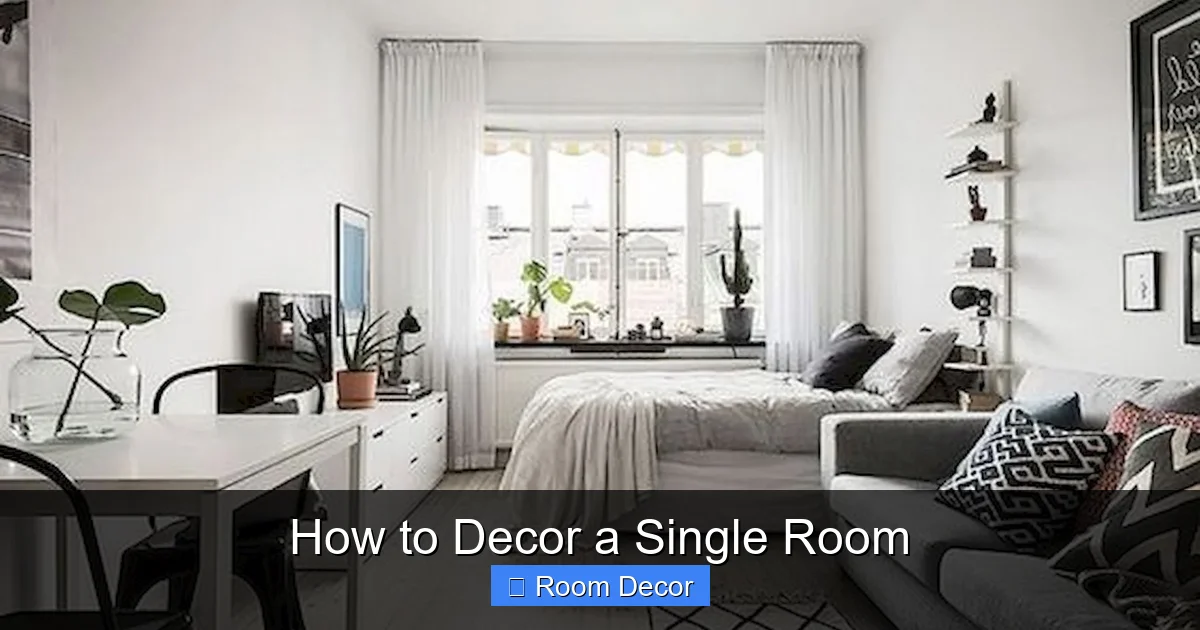
Color has a powerful impact on the mood and feel of a room. Choosing a cohesive color palette is one of the most important steps in decorating.
Understand Color Theory Basics
The color wheel can be a helpful tool. Analogous colors (next to each other on the wheel) create a harmonious and calm feel, while complementary colors (opposite each other) create high contrast and visual excitement. Consider warm colors (reds, oranges, yellows) for a cozy, energetic space, and cool colors (blues, greens, purples) for a calming, serene atmosphere.
Choose a Dominant Color, a Secondary Color, and an Accent Color
A good rule of thumb is to use the 60-30-10 rule: 60% of the room in a dominant color (usually walls), 30% in a secondary color (like furniture or larger decor items), and 10% in an accent color (for pops of interest in smaller items like pillows or artwork).
Test Paint Colors
Paint large swatches of your chosen colors on different walls in the room. Observe them at different times of day and in different lighting conditions, as colors can look very different from the paint chip.
Step 4: Select and Arrange Furniture
Visual guide about How to Decor a Single Room
Image source: i.pinimg.com
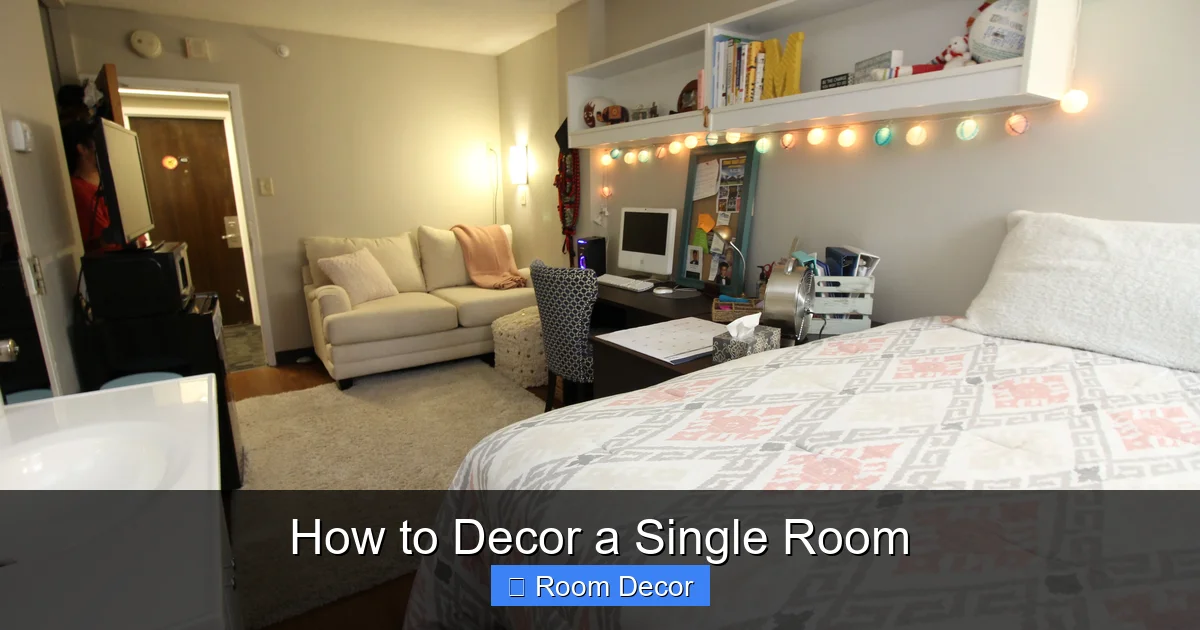
Furniture is the backbone of any room. Choosing the right pieces and arranging them effectively will transform your space.
Prioritize Key Pieces
Based on the room’s function, identify the most important furniture items. In a living room, this might be a sofa and chairs. In a bedroom, it’s the bed. For a dining room, it’s the table and chairs.
Choose Furniture That Fits the Scale of the Room
Oversized furniture can make a small room feel cramped, while too-small pieces can get lost in a large space. Always measure your furniture before buying and compare it to your floor plan.
Arrange for Function and Flow
* Living Room: Arrange seating to encourage conversation. Place sofas and chairs facing each other or in an L-shape. Ensure there’s a coffee table within easy reach.
* Bedroom: Position the bed as the focal point, typically against the longest wall. Ensure there’s space to walk around it and access nightstands.
* Dining Room: Place the dining table in the center of the room, ensuring enough space around it for chairs to be pulled out and for people to walk.
Consider Negative Space
Don’t fill every corner. Negative space, or the empty areas in a room, is just as important as the occupied space. It allows the room to breathe and prevents it from feeling cluttered.
Step 5: Layer Your Lighting
Good lighting is essential for both mood and functionality. It can make a room feel cozy, inviting, and well-designed.
Understand the Three Types of Lighting
* Ambient Lighting: This is the general, overhead lighting that illuminates the entire room. Think ceiling fixtures, chandeliers, or recessed lighting.
* Task Lighting: This is focused light for specific activities. Examples include reading lamps next to a chair, desk lamps in a home office, or pendant lights over a kitchen island.
* Accent Lighting: This is used to highlight specific features, such as artwork, architectural details, or plants. Wall sconces or spotlighting can be used for this purpose.
Incorporate Multiple Light Sources
Don’t rely on a single overhead light. Mix and match different types of lighting throughout the room. Use floor lamps, table lamps, and wall sconces to create pools of light and add warmth.
Use Dimmers
Dimmers are a fantastic way to control the mood of a room. They allow you to adjust the brightness of your lights, making them suitable for different activities and times of day.
Step 6: Add Textiles and Soft Furnishings
Textiles add texture, color, and comfort to a room, making it feel more finished and inviting.
Rugs
A rug can anchor a seating area, define a space, add warmth, and introduce color and pattern. Choose a size that fits the area. In a living room, a rug should be large enough for at least the front legs of your main furniture pieces to rest on it.
Curtains and Window Treatments
Curtains add softness, color, and privacy. They can also help control light and insulate the room. Consider the fabric, color, and length based on your style and needs.
Throw Pillows and Blankets
These are easy and affordable ways to add pops of color, pattern, and texture. They instantly make a sofa or chair more comfortable and inviting.
Step 7: Accessorize and Personalize
Accessories are the finishing touches that bring personality and character to your decor.
Art and Wall Decor
Hang artwork that you love. This could be paintings, prints, photographs, or even decorative mirrors. Consider the size of the wall and the overall color scheme when choosing art. Gallery walls are a great way to showcase multiple pieces.
Plants
Greenery adds life, color, and a natural element to any room. Choose plants that suit the light conditions in your room and your level of plant-care expertise.
Decorative Objects
Vases, sculptures, candles, books, and other decorative items can add visual interest and tell a story about your interests. Arrange them thoughtfully on shelves, coffee tables, or mantels. Group items in odd numbers for a more pleasing aesthetic.
Mirrors
Mirrors can make a room feel larger and brighter by reflecting light. They can also serve as a decorative element.
Step 8: The Final Touches and Refinement
Once the main elements are in place, take a step back and assess.
Review and Adjust
Walk around the room and see how everything feels. Do the colors work together? Is the furniture arrangement comfortable and functional? Are there any empty spots that feel stark?
Don’t Be Afraid to Edit
Sometimes, less is more. If a room feels cluttered, try removing a few items. If it feels too sparse, consider adding a few well-chosen pieces.
Personalize It Further
Bring in items that have sentimental value – photos, souvenirs from trips, or heirlooms. These personal touches are what truly make a house a home.
Troubleshooting Common Decorating Challenges
Even with careful planning, you might encounter a few snags. Here are some common issues and how to address them.
My room feels too small and cramped.
* Solution: Use lighter paint colors on the walls. Incorporate mirrors to create an illusion of more space. Choose furniture with visible legs, which makes it seem less heavy. Avoid overcrowding with too many large pieces.
My room feels sterile and lacks personality.
* Solution: Introduce more texture through textiles like rugs, pillows, and throws. Add artwork and personal photos. Bring in plants for a touch of nature. Use a wider variety of decorative objects.
The colors aren’t working together as I’d hoped.
* Solution: Revisit your color palette. You might need to introduce a unifying accent color through smaller items like pillows or artwork. Sometimes, a neutral color can help tie disparate elements together. If it’s a paint color issue, consider a re-paint or using accessories to complement the walls.
My furniture arrangement feels awkward.
* Solution: Refer back to your floor plan. Think about traffic flow and conversation areas. Try shifting furniture slightly – even a few inches can make a difference. Consider if a piece is too large or too small for its intended spot.
Conclusion
Decorating a single room is a rewarding process that allows you to express your creativity and improve your living environment. By following these steps, from defining your vision and mastering color to arranging furniture and adding thoughtful accessories, you can transform any room into a space that is both beautiful and functional. Remember that decorating is an ongoing journey, so don’t be afraid to experiment and make changes as your tastes evolve. The most important thing is to create a space that you love and that enhances your daily life. Enjoy the process of making your room uniquely yours!