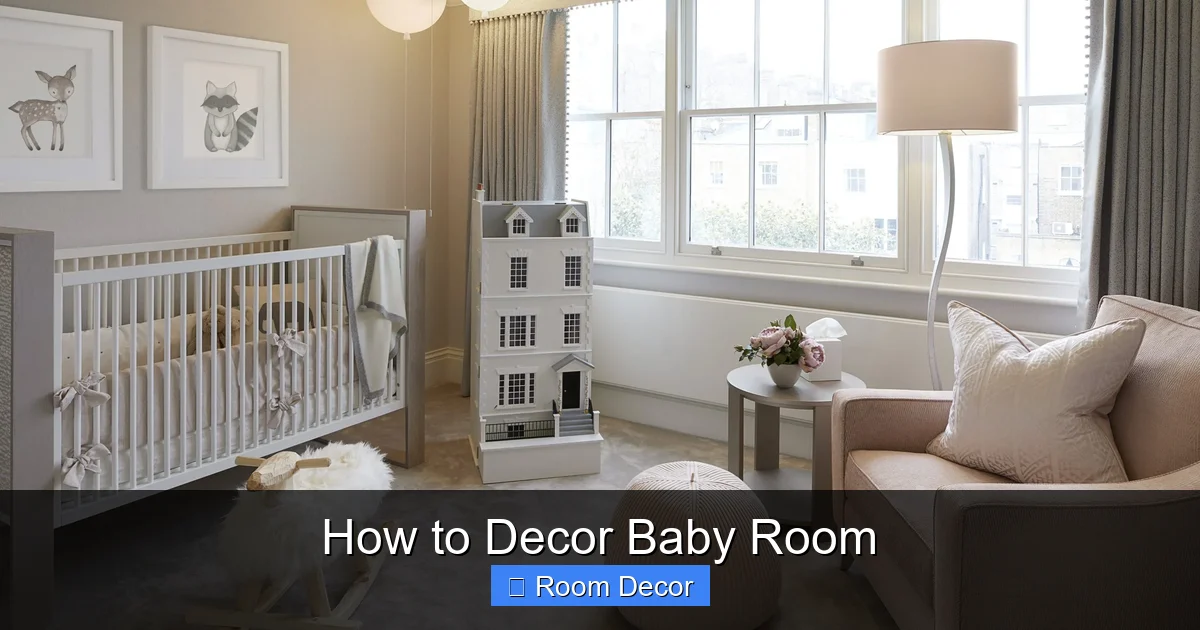
Decorating a baby room is an exciting journey! This guide will walk you through creating a safe, functional, and beautiful nursery. We’ll cover everything from choosing the right paint colors and furniture to adding those special decorative touches that make the space truly unique. Get ready to design a cozy haven for your little one, keeping both aesthetics and practicality in mind.
Welcome to the exciting world of decorating your baby’s room! This is a special time, and creating a nursery that’s both beautiful and functional is a top priority for many expecting parents. You want a space that’s a safe haven for your little one, a place for quiet moments, playful interactions, and restful sleep. But where do you start? Decorating a baby room can feel overwhelming with so many choices. Don’t worry! This comprehensive guide will break down the process into manageable steps. We’ll cover everything from the initial planning stages to the final decorative touches, ensuring you create a nursery that’s perfect for your growing family. By the end of this guide, you’ll have a clear roadmap to decorating a baby room that is not only stylish but also incredibly practical and, most importantly, safe for your precious new arrival.
Key Takeaways
- Plan Your Layout First: Before buying anything, map out the room’s layout. Consider furniture placement for optimal flow and safety, ensuring easy access to the crib and changing station.
- Choose a Soothing Color Palette: Opt for calm, neutral, or soft pastel colors that promote relaxation. Avoid overly bright or stimulating colors that might interfere with sleep.
- Prioritize Safety Above All Else: Ensure all furniture is secure, cords are out of reach, and there are no small choking hazards. Baby-proofing is essential throughout the decorating process.
- Select Functional and Versatile Furniture: Invest in pieces that grow with your child, like a convertible crib or a dresser that can double as a changing table.
- Incorporate Ample Storage Solutions: Babies come with a lot of gear! Clever storage like wall shelves, baskets, and under-crib drawers will keep the room tidy.
- Add Personal and Decorative Touches Thoughtfully: This is where you inject personality. Think wall art, soft textiles, and a personalized mobile, but keep it clutter-free.
- Consider Lighting Carefully: Layer lighting with a dimmable main light, a night light for easy checks, and perhaps a softer lamp for feeding times.
Step 1: Dream and Plan – The Foundation of a Beautiful Nursery
Before you even think about picking out paint colors or furniture, the most crucial step is to plan. This involves understanding the space you have and envisioning how you want it to function. A well-thought-out plan will save you time, money, and potential headaches down the line.
H3: Assess Your Space and Needs
Start by measuring your baby room. Note the dimensions, window and door placements, and any architectural features like radiators or built-in shelves. Consider the room’s natural light and how you want to utilize the space. Think about where the crib will go – ideally, not directly under a window or near a draft. Where will you place the changing station and a comfortable chair for feeding and rocking? These are the core functional areas of the nursery.
H3: Create a Mood Board or Vision Board
Gather inspiration! This is the fun part where you can start to define the aesthetic. Browse Pinterest, Instagram, interior design magazines, and even baby product websites. Save images of color palettes, furniture styles, wall decor, and textiles that appeal to you. Don’t be afraid to mix and match. Your mood board doesn’t have to be perfect; it’s a tool to help you identify recurring themes and styles you love.
H3: Set a Budget
Decorating a baby room can range from budget-friendly to luxurious. Determine how much you’re willing to spend on furniture, paint, decor, and any necessary renovations. This will help you make practical decisions and prioritize your purchases. Remember, essential items like a safe crib and mattress are investments, while decor can often be more budget-conscious.
Step 2: Color Me Happy – Choosing the Right Palette
Color plays a significant role in setting the mood of a room, especially a nursery. For babies, softer, calming colors are generally recommended to promote a peaceful environment conducive to sleep and relaxation.
H3: Embrace Neutrals and Pastels
Neutral colors like soft grays, warm beiges, creamy whites, and light taupes create a timeless and serene backdrop. They are versatile and allow you to easily introduce pops of color through accessories. Pastels such as baby blue, mint green, soft pink, lavender, and butter yellow are also popular choices. These colors are gentle on the eyes and create a cheerful yet tranquil atmosphere.
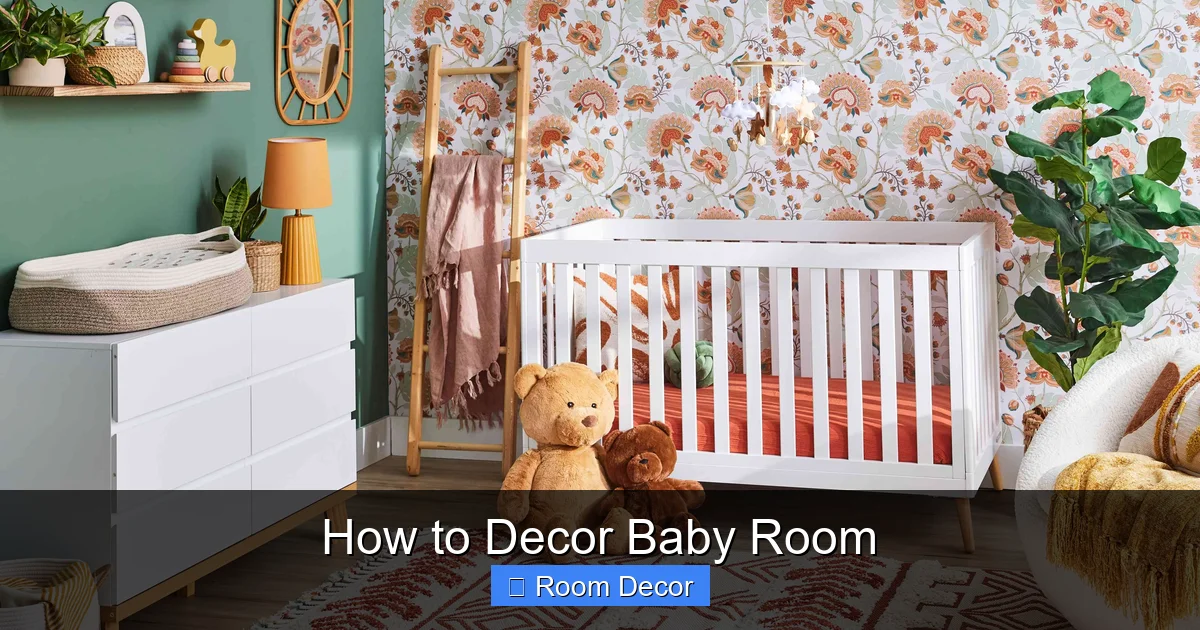
Visual guide about How to Decor Baby Room
Image source: thespruce.com
H3: Consider the Psychology of Color
Think about the effect each color might have. Blues and greens are known for their calming properties, while soft yellows can evoke feelings of warmth and happiness. Avoid overly stimulating colors like bright reds or oranges, which can be too intense for a nursery, especially near bedtime. If you love bolder colors, use them as accents rather than the main wall color.
H3: Test Your Colors
Paint swatches on your walls and observe them at different times of the day. Natural light can dramatically alter how a color appears. Look at the colors in the morning, afternoon, and evening to ensure you love how they look in various lighting conditions.
Step 3: Furniture First – Safety, Function, and Style
The furniture in your baby’s room needs to be both safe and functional. These are the core pieces that will define the space and serve your baby’s needs as they grow.
H3: The Crib: A Safe Sleep Sanctuary
The crib is the centerpiece of the nursery. Prioritize safety standards above all else. Ensure it meets current safety regulations, has a firm, well-fitting mattress, and the slats are no more than 2 3/8 inches apart. Look for a crib that can convert into a toddler bed for longevity. Placement is also key; avoid placing it near windows or radiators. Consider a crib with a stationary side for added safety.
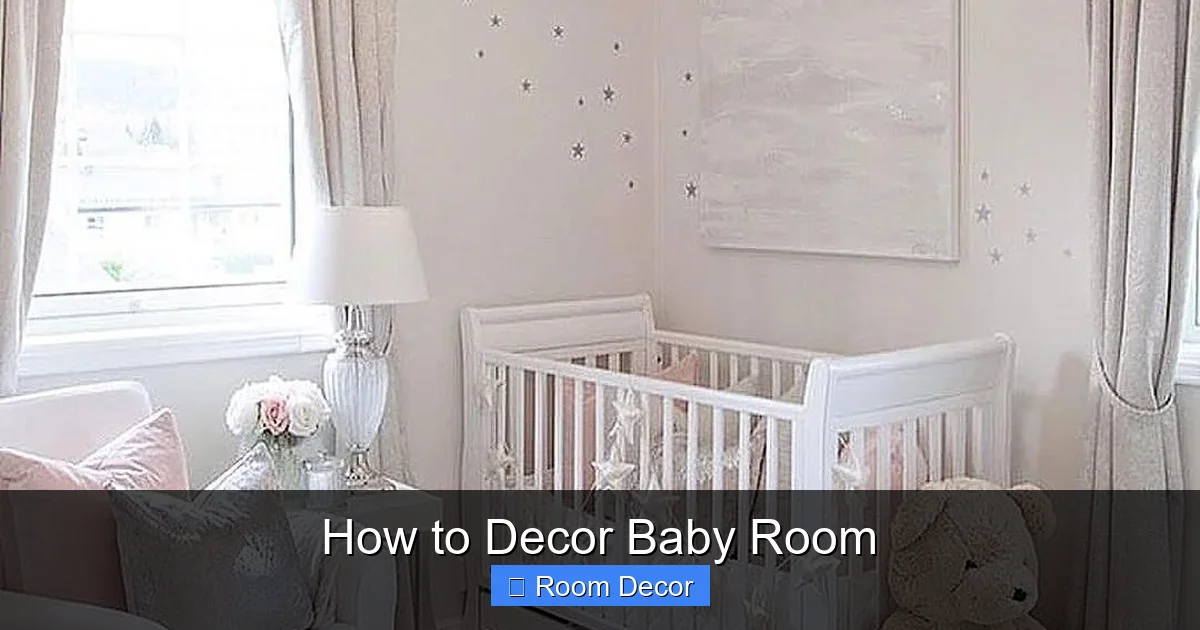
Visual guide about How to Decor Baby Room
Image source: gazzed.net
H3: Changing Station: Practicality is Key
You’ll spend a lot of time here! A dedicated changing table with a secure changing pad is essential. Alternatively, a dresser can be used as a changing station with a changing pad secured to the top. Ensure the changing station is at a comfortable height for you and has ample storage for diapers, wipes, and changes of clothes. Always use a changing pad with a safety strap and never leave your baby unattended.
H3: Seating: Comfort for You and Baby
A comfortable chair is a must-have for feeding, soothing, and bonding. This could be a glider, a rocking chair, or a comfortable armchair. Choose one with good lumbar support and that fits the scale of your room. Consider a chair that’s easy to clean, as spills are inevitable.
H3: Storage Solutions: Taming the Baby Gear Chaos
Babies come with a lot of stuff! Ample storage is crucial for keeping the nursery organized and clutter-free. Consider a dresser for clothes, a bookcase for books and decor, and shelving units. Think about incorporating storage baskets, bins, and under-crib drawers to maximize space. Wall-mounted shelves can be great for displaying keepsakes and storing frequently used items.
Step 4: Lighting the Way – Creating the Right Ambiance
Lighting is often an overlooked but vital element in a nursery. The right lighting can create a calming atmosphere, aid in nighttime routines, and provide sufficient illumination when needed.
H3: Layer Your Lighting
Aim for layered lighting to address different needs. A central overhead light with a dimmer switch is ideal for general illumination and can be dimmed for nighttime feedings or winding down. A separate night light is essential for discreet checks and diaper changes without fully waking the baby. A small table lamp can add a soft glow for reading stories or creating a cozy ambiance.
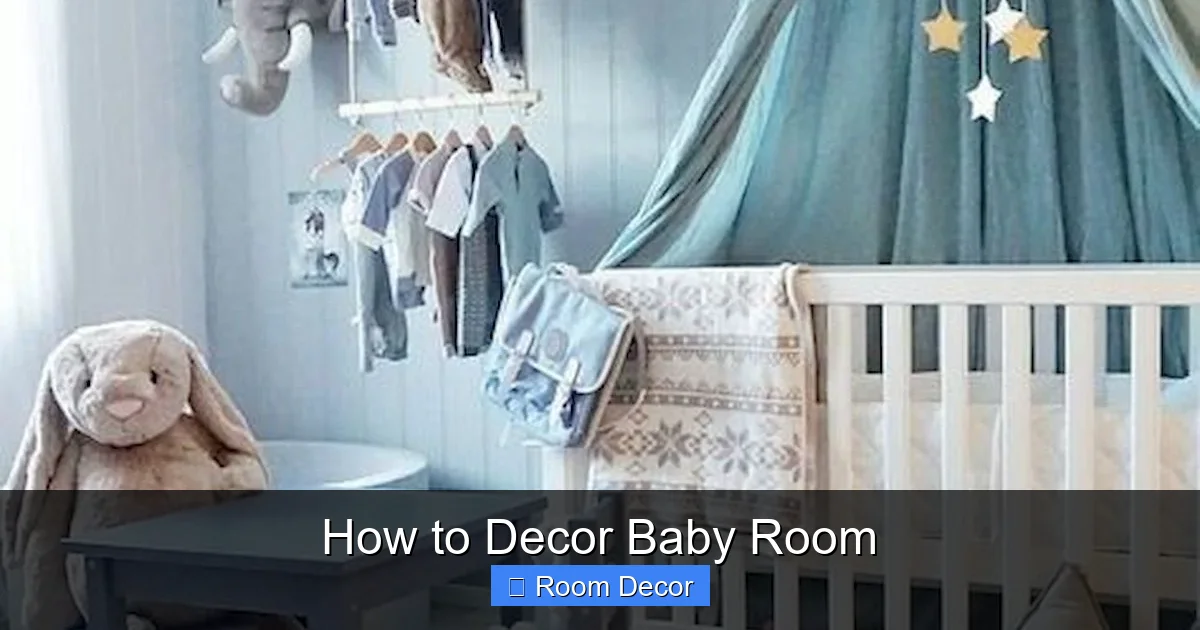
Visual guide about How to Decor Baby Room
Image source: i.pinimg.com
H3: Consider Natural Light
Maximize natural light by using window treatments that allow for control. Blackout curtains are excellent for ensuring restful sleep during daylight hours, while sheer curtains can diffuse light and add privacy. Ensure window cords are secured out of reach for safety.
H3: Bulb Choice Matters
Opt for warm-toned LED bulbs, which are energy-efficient and emit less heat, making them safer for a nursery. Avoid harsh, cool-toned lights that can be stimulating.
Step 5: Decorating with Delight – Adding Personality and Charm
This is where you can truly make the nursery your own. Focus on elements that are both aesthetically pleasing and contribute to a nurturing environment.
H3: Wall Decor: From Art to Murals
Walls are a blank canvas! Consider a soothing paint color, wallpaper with a subtle pattern, or decals. Wall art can add personality – think framed prints of animals, abstract designs, or personalized pieces with your baby’s name. A mobile hung over the crib can be visually stimulating for the baby, but ensure it’s securely attached and kept out of reach once the baby can stand. Avoid busy, overwhelming patterns that could be overstimulating.
H3: Textiles: Softness and Comfort
Soft textiles add warmth and texture to the room. Choose a comfortable rug that’s soft underfoot, plush cushions for the chair, and a soft, breathable blanket for the crib (though blankets should be used with caution and under supervision according to safe sleep guidelines). Ensure all fabrics are easy to clean and hypoallergenic if possible.
H3: Personal Touches: Making it Unique
Incorporate elements that are personal to your family. This could be framed photos, a cherished family heirloom, or a collection of your baby’s first books. A personalized name sign or a growth chart can add a special touch. Remember, less can be more in a nursery; avoid clutter that can feel overwhelming.
Step 6: Baby-Proofing: Safety is Non-Negotiable
As you decorate, safety should always be at the forefront of your mind. Baby-proofing is an ongoing process, but starting during the decorating phase will ensure a safe environment from day one.
H3: Secure Furniture
Anchor all tall furniture, such as dressers and bookshelves, to the wall to prevent tipping. This is especially important as your baby becomes mobile and starts pulling themselves up.
H3: Cord Management
Ensure all electrical cords for lamps, monitors, and other devices are tucked away and out of reach. Consider cord covers or organizers.
H3: Outlet Covers and Cabinet Locks
Install safety covers on all electrical outlets. If you have cabinets containing potentially hazardous items, consider installing childproof locks.
H3: Avoid Small Items and Choking Hazards
Be mindful of any small decorative items, loose buttons, or accessories that could be a choking hazard. Keep them out of reach or opt for larger, safer alternatives.
H3: Window Safety
Secure all window blind cords with safety tassels or winders to prevent strangulation risks.
Troubleshooting Common Decorating Dilemmas
Even with the best intentions, you might encounter a few hurdles. Here’s how to tackle them:
H3: The Room Feels Too Small
Solution: Use light colors on the walls and ceiling to make the space feel larger. Opt for furniture with legs to create a sense of openness. Wall-mounted shelves and vertical storage can draw the eye upward. Mirrored decor can also create an illusion of more space, but place them securely out of reach.
H3: Not Enough Storage
Solution: Get creative with your storage! Look for furniture that doubles as storage, like an ottoman with a lift-off lid or a crib with under-bed drawers. Utilize vertical space with wall shelves and tall bookcases. Baskets and bins are your best friends for corralling small items.
H3: The Colors Don’t Look Right
Solution: It happens! Don’t be afraid to repaint. If it’s a minor issue, you might be able to introduce accent colors through decor to balance the wall color. Sometimes, lighting can drastically change how a color appears, so reassess under different light conditions before committing to a repaint.
Conclusion: Creating Your Dream Nursery
Decorating your baby’s room is a labor of love, a chance to create a sanctuary that reflects your hopes and dreams for your little one. By following these steps—from initial planning and color selection to choosing safe, functional furniture and adding those personal touches—you can create a space that is both beautiful and nurturing. Remember to prioritize safety at every stage, making sure your nursery is a secure environment for your baby to grow, play, and sleep. Enjoy the process, and savor the moments as you prepare to welcome your new addition into this special room you’ve lovingly designed. Congratulations on your growing family!