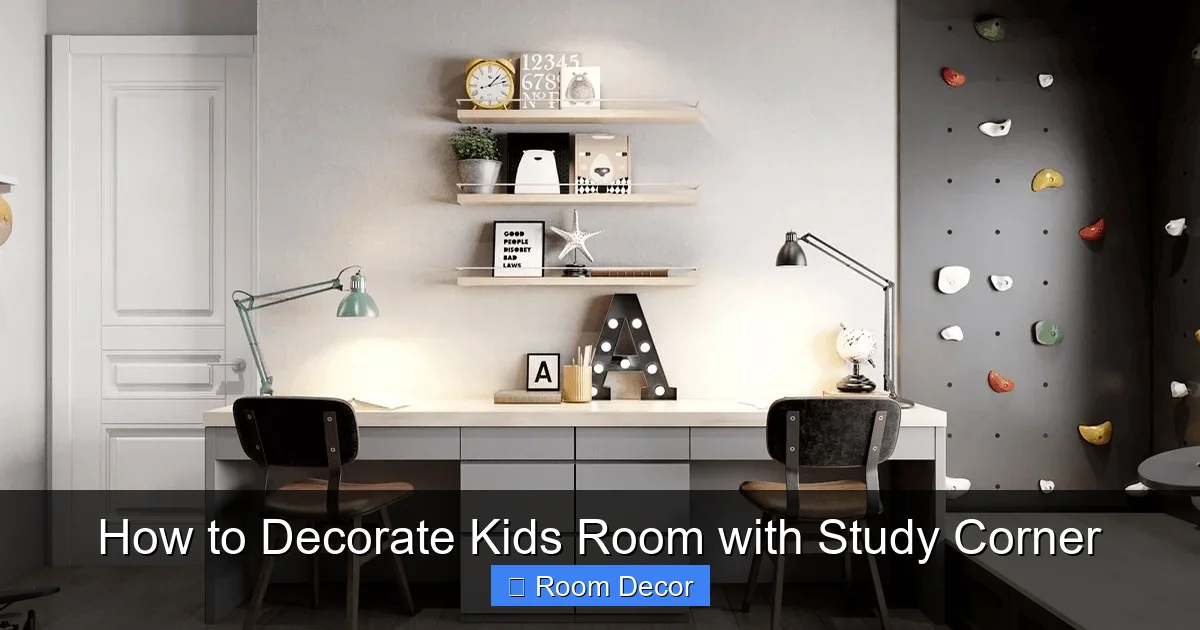
Creating a dedicated study corner in a kid’s room fosters focus and learning while maintaining a fun, personal space. This guide walks you through essential steps, from assessing needs and choosing the right furniture to optimizing lighting and personalizing the decor. You’ll learn how to seamlessly integrate study and play areas, ensuring safety and functionality for your child’s growth and academic success when you decorate kids room with study corner.
How to Decorate Kids Room with Study Corner
Welcome to our comprehensive guide on how to decorate kids room with study corner! As children grow, their needs evolve. A dedicated space for learning becomes just as important as a comfortable bed and an area for play. Creating a study corner within a child’s bedroom can significantly boost their focus, organization skills, and love for learning, all while keeping their personal space functional and inspiring.
This guide will walk you through every step of transforming your child’s room into a harmonious blend of learning and leisure. We’ll cover everything from planning the layout and choosing the right furniture to optimizing lighting and adding those personal touches that make the space uniquely theirs. Get ready to create a study corner that your child will love and use for years to come!
Key Takeaways
- Plan Thoughtfully: Assess your child’s age, current needs, and the room’s overall size and layout before you begin to decorate kids room with study corner.
- Define the Zone: Clearly separate the study area visually from the rest of the room to encourage focus and minimize distractions.
- Prioritize Ergonomics: Invest in an age-appropriate desk and a comfortable, supportive chair that promotes good posture for your child.
- Optimize Lighting: Combine abundant natural light with effective task lighting (like a desk lamp) and gentle ambient lighting for a well-lit study corner.
- Personalize and Inspire: Involve your child in decorating with colors, themes, and motivational elements that resonate with their interests and boost their enthusiasm for learning.
- Integrate Play Seamlessly: Ensure the room still has designated, accessible space for play and relaxation, using multi-functional furniture where possible to maintain balance.
- Safety First: Secure all furniture, manage electrical cords, and choose child-safe, non-toxic materials to create a secure environment.
Step 1: Assess Your Space and Child’s Needs
Before you even think about buying furniture or paint, the first crucial step is to understand the canvas you’re working with and the person it’s for. Thoughtful planning here will save you time, money, and potential headaches later.
Room Size and Layout
Take a good look at your child’s room. Is it spacious or cozy? What are its dimensions? Sketching out the room’s layout on paper can be incredibly helpful. Mark existing furniture, windows, doors, and electrical outlets. Consider the flow of traffic in the room. You want the study corner to be easily accessible but not in the way of other activities. A corner, an alcove, or a wall section near a window are often ideal spots to decorate kids room with study corner.
Child’s Age and Interests
The design of a study corner for a five-year-old will be vastly different from one for a fifteen-year-old.
- Younger Children (Preschool to Early Elementary): Focus on creative exploration. A smaller desk, easy-to-reach storage for art supplies, and bright, stimulating colors might be perfect. The emphasis is less on intense study and more on imaginative play and early learning activities.
- Elementary to Middle School: They’ll need more structured space. Think about a larger desk for textbooks and a computer, alongside robust storage for school supplies and projects. Comfort and proper posture become more important as homework increases.
- Teenagers: Privacy and independence are key. A more mature aesthetic, ample space for a laptop, textbooks, and perhaps charging stations for devices are essential. They might appreciate a more sophisticated color palette and personalized decor that reflects their personality.
Involve your child in this stage. Ask them what they’d like in their study space. This fosters a sense of ownership and makes them more likely to use it.
Budget Planning
Decide how much you’re willing to spend. This will guide your choices for furniture, decor, and accessories. You don’t need to break the bank to create a fantastic study corner. Often, a few key pieces and smart DIY solutions can make a big impact. Prioritize ergonomic furniture and good lighting, as these impact health and productivity directly.
Step 2: Define the Study Corner Zone
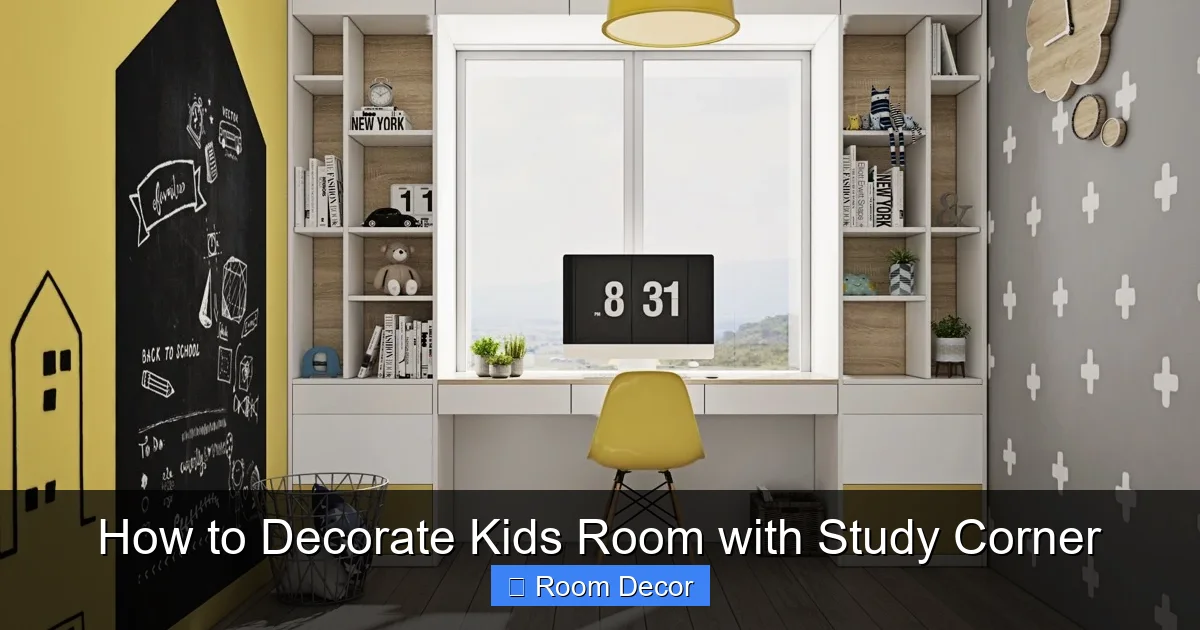
Visual guide about How to Decorate Kids Room with Study Corner
Image source: thearchitecturedesigns.com
Once you know where you want to place the study corner, the next step is to visually and physically separate it from the rest of the room. This helps your child mentally transition into “study mode” when they sit down.
Location Considerations
Choosing the right spot is paramount.
- Natural Light: Position the desk near a window if possible. Natural light is excellent for mood, concentration, and reducing eye strain. Ensure the light isn’t directly behind the computer screen to avoid glare.
- Quiet Zone: Ideally, the study corner should be in the quietest part of the room, away from the main thoroughfare or the play area. This minimizes distractions.
- Wall Space: Look for a wall section that offers enough space for a desk, a chair, and possibly some shelving above or beside it. Consider walls without too many outlets if you want to avoid a cluttered look with extension cords.
Visual Separation Techniques
Even in a small room, you can create the feeling of a distinct study zone.
- Area Rugs: A rug under the desk and chair can instantly define the study area, adding comfort and a pop of color.
- Paint or Wallpaper: A different paint color on the wall behind the desk or a strip of complementary wallpaper can visually section off the study corner.
- Shelving Units: A tall, open shelving unit can act as a subtle room divider, offering storage on both sides while allowing light to pass through.
- Curtains or Screens: For larger rooms or shared spaces, a lightweight curtain or a decorative folding screen can be used to temporarily close off the study area when not in use, providing a sense of privacy.
Step 3: Choose Essential Study Furniture
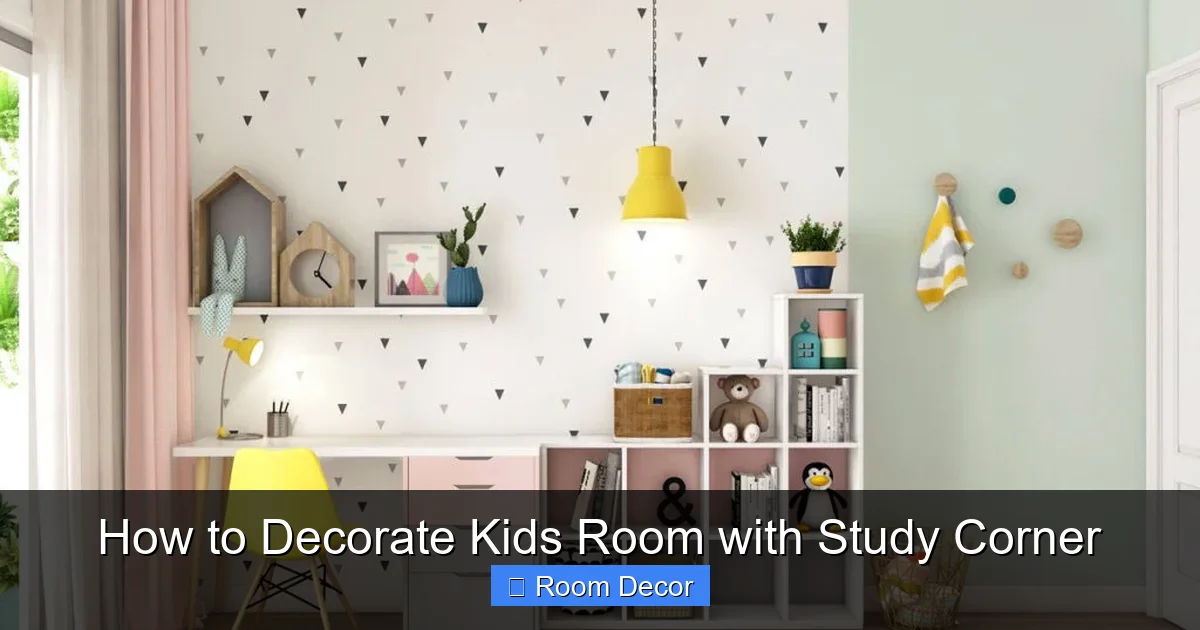
Visual guide about How to Decorate Kids Room with Study Corner
Image source: thearchitecturedesigns.com
The furniture forms the backbone of the study corner. Focus on functionality, ergonomics, and durability when you decorate kids room with study corner.
The Right Desk
The desk is the star of the study corner.
- Size and Height: Choose a desk that’s appropriate for your child’s current age and offers room to grow. An adjustable-height desk is an excellent long-term investment. Your child’s feet should be flat on the floor (or on a footrest), and their elbows should form a 90-degree angle when resting on the desk.
- Surface Area: Ensure there’s enough space for a laptop or monitor, textbooks, notebooks, and a desk lamp, plus room to write comfortably.
- Storage Features: Desks with built-in drawers or shelves can help keep the surface clear. Consider a desk with cubbies for books or a pull-out keyboard tray if a computer will be a permanent fixture.
- Material: Look for sturdy, easy-to-clean materials. Laminate, wood, or metal are common choices.
Ergonomic Chair
A good chair is vital for your child’s posture and comfort during study sessions.
- Adjustability: An ergonomic chair should have adjustable height, backrest tilt, and possibly armrests. This allows it to be customized to your child’s body.
- Support: Look for good lumbar support and a seat that allows your child’s feet to be flat on the floor. If their feet dangle, use a footrest.
- Comfort: The chair should be comfortable enough for extended periods without causing discomfort or fidgeting. Consider chairs with breathable fabrics.
Storage Solutions
Clutter is the enemy of focus. Ample and accessible storage is a must.
- Shelves: Wall-mounted shelves above the desk are perfect for books, decorative items, and small bins for supplies. Floating shelves can add a modern touch.
- Drawers and Bins: Under-desk drawers or rolling storage carts can hold notebooks, pens, and craft supplies. Labelled bins make it easy for children to find and put away items.
- Pegboards: A pegboard on the wall above the desk is a versatile and fun storage solution. It can hold small baskets, hooks for headphones, or clips for artwork and notes.
- Bookcases: A dedicated bookcase, either freestanding or integrated, is essential for organizing textbooks, storybooks, and reference materials.
Step 4: Optimize Lighting for Focus
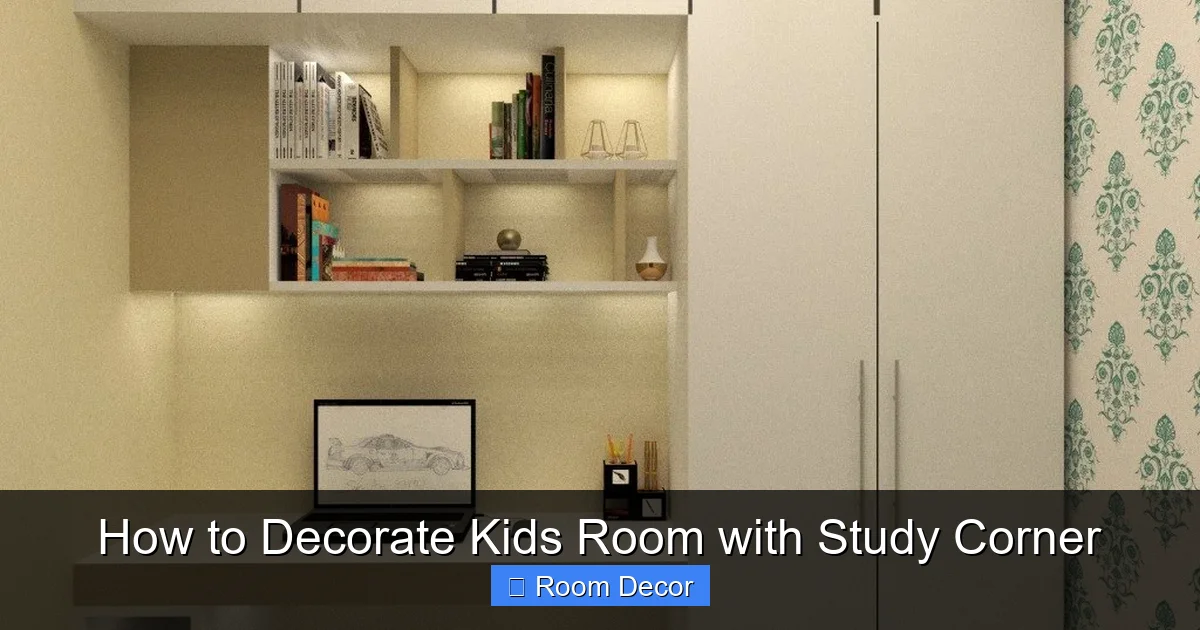
Visual guide about How to Decorate Kids Room with Study Corner
Image source: 5.imimg.com
Proper lighting is crucial for preventing eye strain and maintaining concentration. A well-lit study corner makes learning more inviting.
Natural Light Maximization
As mentioned, positioning the desk near a window is ideal. Avoid blocking windows with heavy curtains during the day. Sheer blinds or light curtains can diffuse harsh sunlight without sacrificing brightness.
Task Lighting
This is your most important light source for the study corner.
- Desk Lamp: A good desk lamp provides direct, focused light on the work surface. Look for one with adjustable brightness settings and a flexible arm so your child can direct the light where it’s needed most. LED lamps are energy-efficient and produce less heat.
- Positioning: For right-handed children, place the lamp on the left side of the desk to avoid shadows. For left-handed children, place it on the right.
Ambient Lighting
Beyond the task light, ensure the room itself has adequate overall lighting. This prevents harsh contrasts between the bright desk area and a dark room, which can cause eye fatigue.
- Ceiling Fixture: A general overhead light provides overall illumination.
- Floor Lamp: If the room is large, a floor lamp in a corner can add extra warmth and brightness.
Step 5: Personalize for Inspiration and Comfort
This is where the study corner truly becomes your child’s own. Personalization fosters a sense of pride and makes the space more inviting.
Color Scheme and Wall Decor
Colors have a significant impact on mood and concentration.
- Calming Colors: Light blues, greens, and muted yellows are known to be calming and promote focus.
- Vibrant Accents: Introduce pops of brighter colors through accessories, art, or a bulletin board. Avoid overly stimulating colors directly in the line of sight for intense study.
- Wall Art: Decorate the walls with inspiring posters, maps, educational charts, or your child’s own artwork. A bulletin board or magnetic board is perfect for pinning up important notes, schedules, or creative masterpieces.
- Personal Photos: A framed photo of family or friends can add a personal, comforting touch.
Motivational Elements
Help your child stay engaged and positive.
- Motivational Quotes: Small framed quotes or decals can offer a boost.
- Vision Board: Encourage your child to create a vision board with their goals, dreams, and inspirations.
- Display Achievements: Showcase awards, good grades, or cherished school projects to remind them of their capabilities.
Comfort and Ergonomics
While we’ve covered the chair, consider other comfort aspects.
- Soft Furnishings: A small cushion on the chair, a soft throw blanket (if space allows), or even a small plant can make the area feel more welcoming.
- Sensory Elements: If your child benefits from sensory input, consider a fidget toy or a stress ball kept neatly in a drawer.
Step 6: Integrate Play and Relaxation Zones
A child’s room is more than just a place to study and sleep. It’s their sanctuary, their imaginative playground. It’s vital to maintain a balance when you decorate kids room with study corner.
Delineating Play Areas
Even if the room is small, try to have a distinct area for play.
- Toy Storage: Use bins, shelves, or toy chests to keep toys organized and out of the study area. When not in use, toys should be easily stowed away.
- Defined Zones: A small rug can define a play area, or you can use furniture like a low bookcase to separate the play zone from the study zone.
- Multi-purpose Surfaces: A coffee table in the play area could double as a craft table or a surface for board games.
Incorporating Relaxation Nooks
Every child needs a space to unwind.
- Reading Nook: A comfy beanbag chair, a small armchair, or even just a pile of floor cushions in a corner with a basket of books makes a great reading spot.
- Quiet Zone: This could be a simple cushion and blanket for quiet reflection or listening to music.
Multi-functional Furniture
This is a lifesaver in smaller rooms.
- Storage Ottomans: Provide seating and storage for toys or blankets.
- Daybeds with Trundles: Offer a bed that can double as a sofa during the day, with extra sleeping space or storage underneath.
- Desk with Integrated Shelves/Drawers: Reduces the need for separate storage units.
Step 7: Prioritize Safety and Accessibility
When designing any space for children, safety must always be at the forefront.
Furniture Anchoring
Tall bookcases, shelving units, and even desks can tip over if climbed on or pulled. Use anti-tip furniture anchors to secure these pieces to the wall. This is a non-negotiable safety measure, especially for younger children.
Cord Management
Loose electrical cords are a tripping hazard and can pose a strangulation risk for young children.
- Cord Organizers: Use cable ties, sleeves, or cable management boxes to keep cords neat and out of reach.
- Power Strips: Place power strips in a secure location, preferably off the floor. Consider child-proof covers for unused outlets.
Child-Safe Materials
Ensure all furniture, paints, and finishes are non-toxic and free from harmful chemicals. Look for certifications like GREENGUARD Gold. Choose sturdy furniture with rounded edges to prevent bumps and scrapes. Consider child-safe window coverings without long cords that could pose a hazard.
Troubleshooting Common Challenges
Even with the best planning, you might encounter some hurdles when you try to decorate kids room with study corner. Here are solutions to common issues.
Small Spaces
If the room is tiny, maximizing vertical space is key.
- Wall-Mounted or Floating Desks: These take up no floor space and can be customized to the perfect height.
- Loft Beds with Desks Underneath: An excellent solution for older children, creating a complete study zone below the sleeping area.
- Vertical Storage: Tall, narrow bookcases, wall-mounted shelves, and pegboards make the most of limited wall space.
- Fold-Down Desks: A desk that folds up against the wall when not in use can free up significant floor space.
Shared Rooms
Decorating a kids room with a study corner when two children share it requires careful planning to ensure each child has their own space.
- Individual Study Zones: If possible, create two smaller, distinct study corners, perhaps on opposite walls or using a divider.
- Shared Desk, Individual Storage: If space only allows for one desk, ensure each child has their own designated drawers, shelves, or organizers to store their supplies and projects.
- Visual Dividers: Use bookcases, curtains, or even large plants as soft dividers to give each child a sense of personal territory.
Keeping it Tidy
A messy study corner can be a huge distraction.
- Designated Spots: Ensure every item has a specific home. Labels on bins and drawers help children know where things belong.
- Regular Decluttering: Implement a routine for putting things away after each study session. A weekly “reset” for the entire room can prevent clutter from accumulating.
- “One In, One Out” Rule: For supplies and books, teach your child to donate or discard an old item when a new one comes in.
Conclusion
Decorating a kids room with a study corner is an investment in your child’s future. By carefully planning the layout, choosing ergonomic furniture, optimizing lighting, and adding personal touches, you can create a space that inspires learning, fosters creativity, and supports their academic journey. Remember to involve your child in the process, making it a collaborative and exciting project. With thoughtful design and a focus on both functionality and fun, you’ll provide them with a dedicated area where they can thrive, learn, and grow for years to come. Enjoy the process of creating this special space!